Newsletters


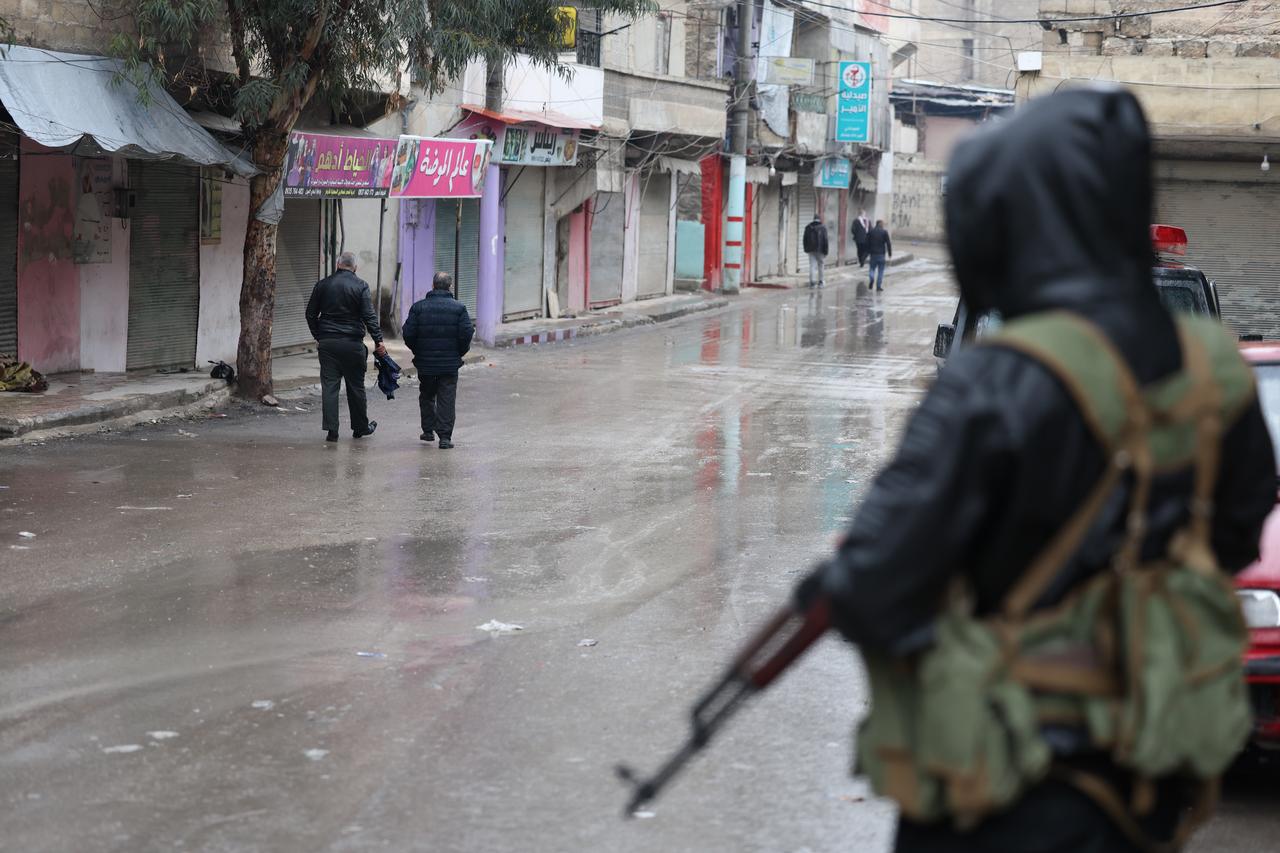


The YPG-led SDF terrorist organization controls one-third of Syrian territory and uses water sources as a threat tool alongside energy resources, experts say.
The group cut water supplies from the Euphrates River during Aleppo operations, signaling willingness to weaponize critical resources.
The YPG/SDF controls the Tishrin Dam east of Aleppo, the Tabqa Dam west of Raqqa, and the Baas Dam. The organization maintains control over Syria's largest energy sources, agricultural land, water sources, and dams across the occupied territory.
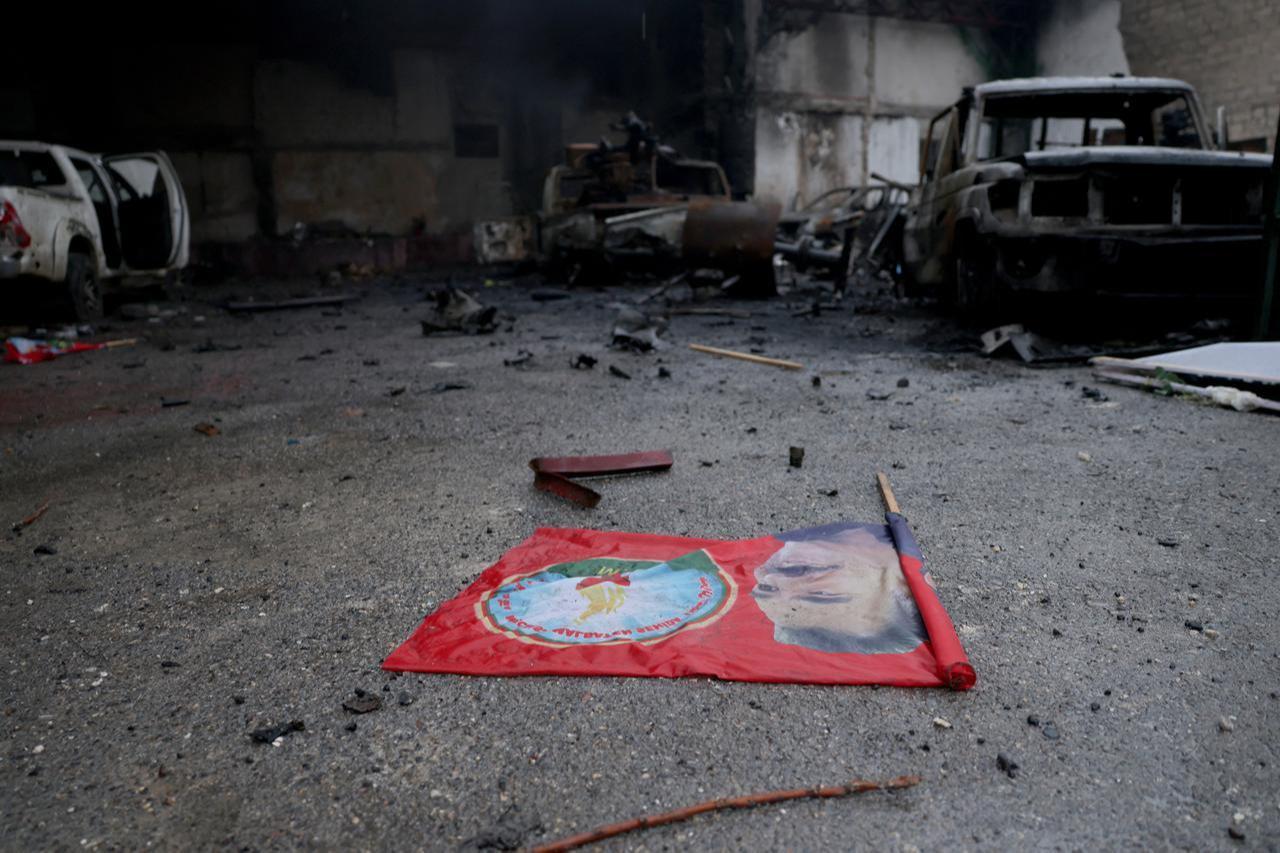

On January 10, the YPG/SDF halted water pumping operations from the El-Babiri Water Station on the Euphrates River between Qafsa and Meskene east of Aleppo.
Syria's Energy Ministry warned that the station serves as the main water source for Aleppo city and the surrounding rural areas. The water cut caused direct damage, affecting the entire province and negatively impacting civilian life and access to basic services.
Following mounting pressure, the organization resumed station operations.
Aleppo Water Affairs General Director Jamal Deeban said the El-Babiri Water Station supplies 80% of the city center's water needs, with the remaining portion supplied by a station in Qafsa controlled by the organization.
"We need control of water stations. Water stations require repair and reorganization. Aleppo's water problems can be solved this way," Deeban said.
Speaking to Anadolu Agency (AA), Omran Center for Strategic Studies Director Omer Ozkizilcik characterized the organization's actions as "collective punishment" and "war crimes" under international humanitarian law.
"This is the approach: 'YPG/SDF was expelled from Aleppo. In return, we cut water to civilians there,'" he said.
Based on international population estimates, over 2 million people were affected by the water cuts.
Middle East Strategic Research Center (ORSAM) Levant Studies Coordinator Dr. Oytun Orhan said the organization's loss of Sheikh Maqsoud and Ashrafieh neighborhoods weakened its position in Syria.
"The organization will use the leverage it holds against the Syrian government. This includes its control over water resources, the Euphrates River Basin, dams, electricity generation, and water distribution," Orhan said.
Orhan assessed that the organization is using water resources as a negotiating tool to strengthen its position following Aleppo losses.
"After Aleppo and Sheikh Maqsoud and Ashrafieh, likely in the next phase, the Syrian government will shift operations toward the Euphrates River Basin and east of the Euphrates to secure control of both water and energy sources. This poses a serious risk for the organization, which appears to be using this water card to counter that threat," he noted.
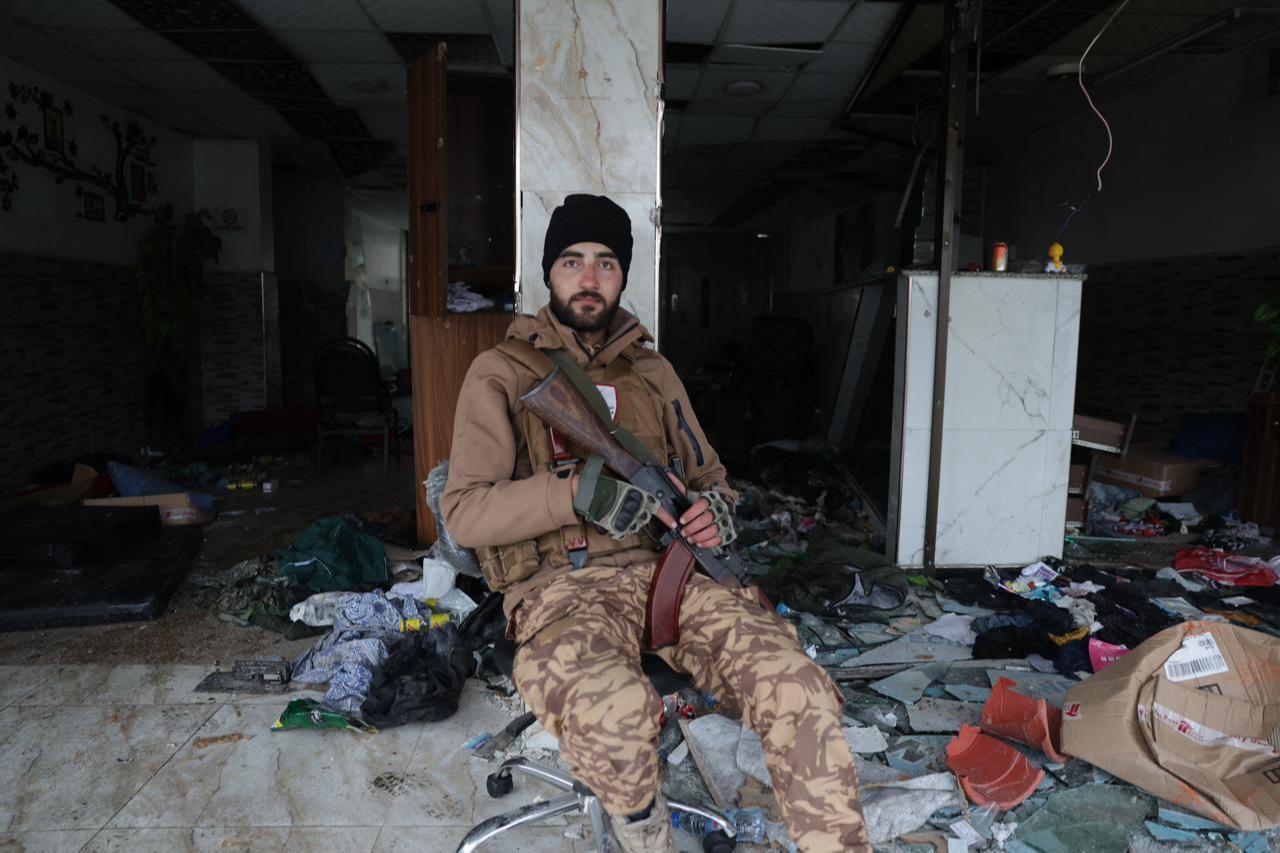
Usama Muslim, nephew of YPG/SDF leader Salih Muslim, told state-run Anadolu Agency (AA) on Monday that Syrian army operations in Aleppo could extend to northern parts of the country due to the group's failure to engage in integration and negotiation.
"Recent military steps by Syrian forces in Aleppo were driven by YPG/SDF's reluctance to respond to calls for dialogue and political accommodation," Muslim said.
He noted Türkiye's "terror-free process" showed positive progress, but similar efforts were not reflected on the Syrian front.
"We believe the peace process should not be limited to Türkiye but should also be carried out in all areas under PKK control. So far, we have not seen serious political will, which has pushed the Syrian government to take action in the Ashrafiyah and Sheikh Maqsoud neighborhoods," Muslim said.
"Operations could later expand to areas including Deir Hafer, Tabqa, and Ayn al-Arab," Muslim said, attributing this to the YPG/SDF's lack of sincerity toward peace and negotiations.
Muslim said political and civil activity in YPG/SDF-held areas required group approval, with dissenters facing detention, interrogation, and pressure. "Our position was clear. We support the Syrian revolution, not the PKK, YPG, or YPJ," Muslim said, referring to the organization's so-called women's wing.
He recalled his last face-to-face meeting with his uncle occurred before the Syrian uprising, with limited phone contact duringthe early stages.


 Set as preferred source
 Set as preferred source


 1 min read
 1 min read