Newsletters


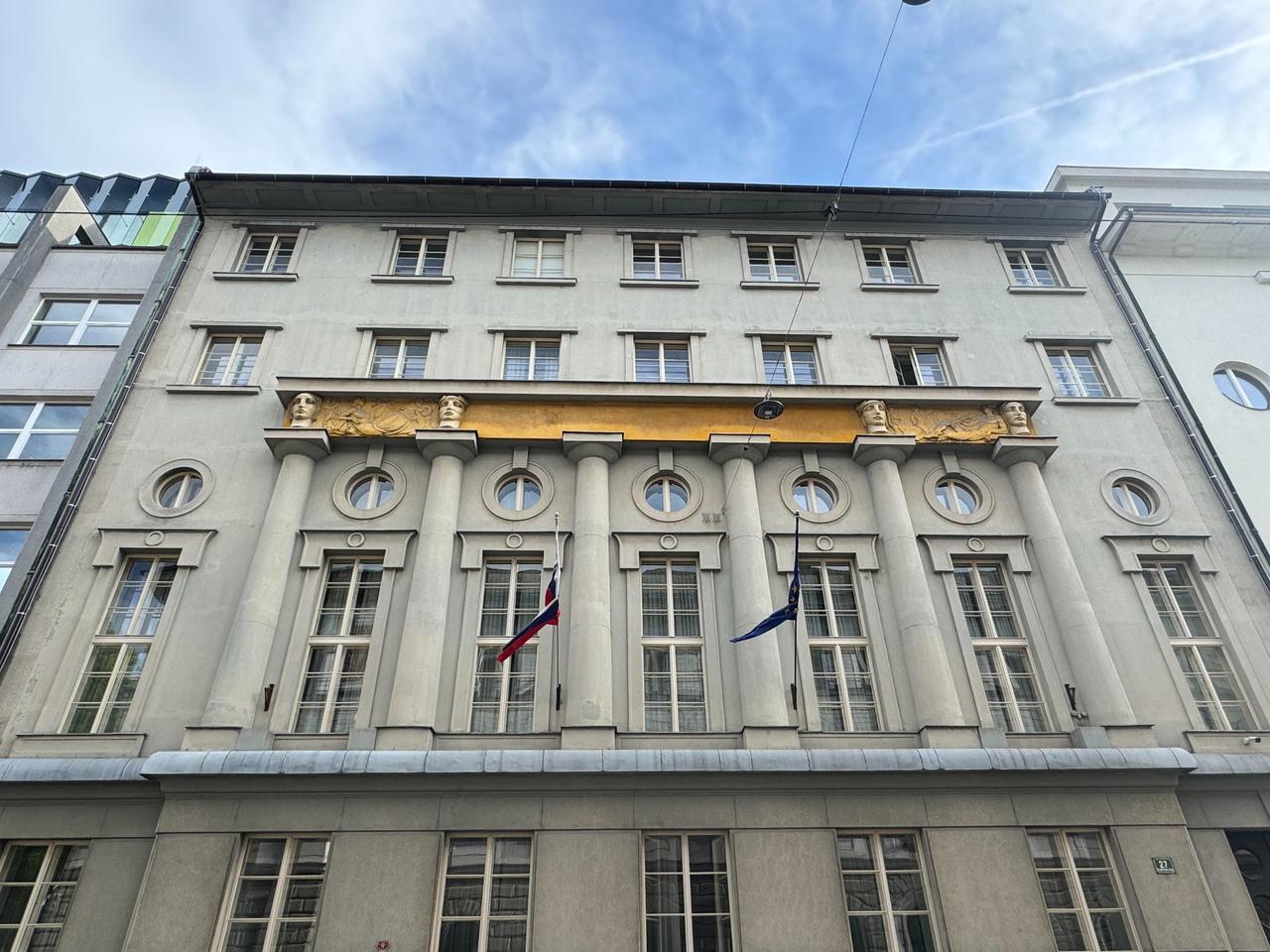
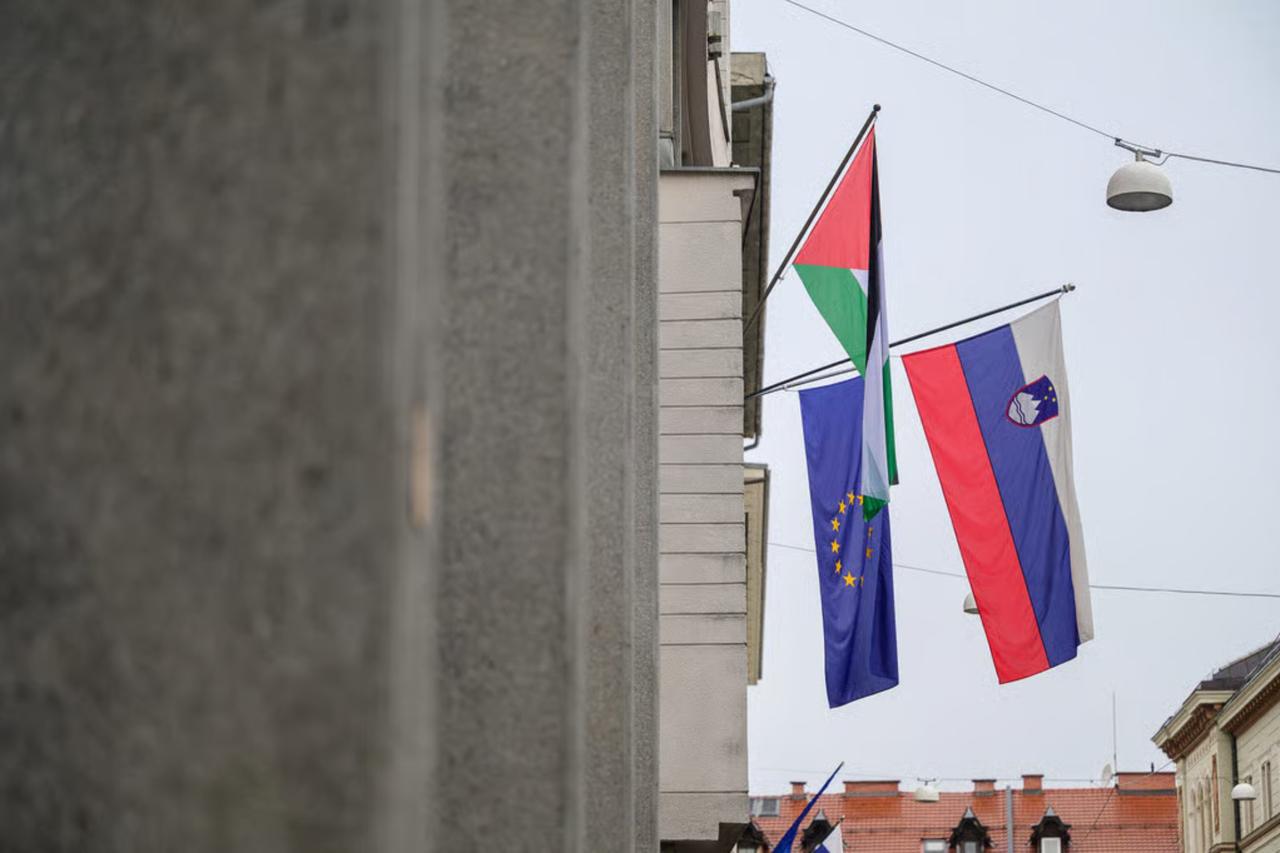
Slovenian President Natasa Pirc Musar ordered a Palestinian flag to be raised at the Presidential Palace on Friday, a day after the country's new government removed the flag from a government building following a change of power in Ljubljana.
Announcing the move on X, Pirc Musar said the flag would remain on the facade of the Presidential Palace for one week before being moved inside the building.
"The genocide against Palestinians has not been halted, and people in Gaza and the West Bank do not live in peace and dignity," she wrote.
"The flag is a symbol of opposition to gross violations of international humanitarian law and human rights. It is a simple call to respect the fundamental civilizational principle: human dignity—for all."
The move came a day after Prime Minister Janez Jansa's government took office following a parliamentary confidence vote.
Slovenian media reported that the Palestinian flag, which had been displayed on a government building under the previous administration, was removed after the transfer of power. The Slovenian, Ukrainian and European Union flags remained in place.
Jansa's return to power has been accompanied by what critics describe as a more moderate approach toward Israel compared with the previous center-left government led by former Prime Minister Robert Golob.
The Palestinian flag was first raised on a government building in May 2024 after Golob's administration approved a resolution proposing recognition of Palestine as an independent and sovereign state.
Slovenia formally recognized the State of Palestine on June 4, 2024.

The political shift in Ljubljana comes as Israel seeks to rebuild relations with Slovenia following years of tensions under the previous government.
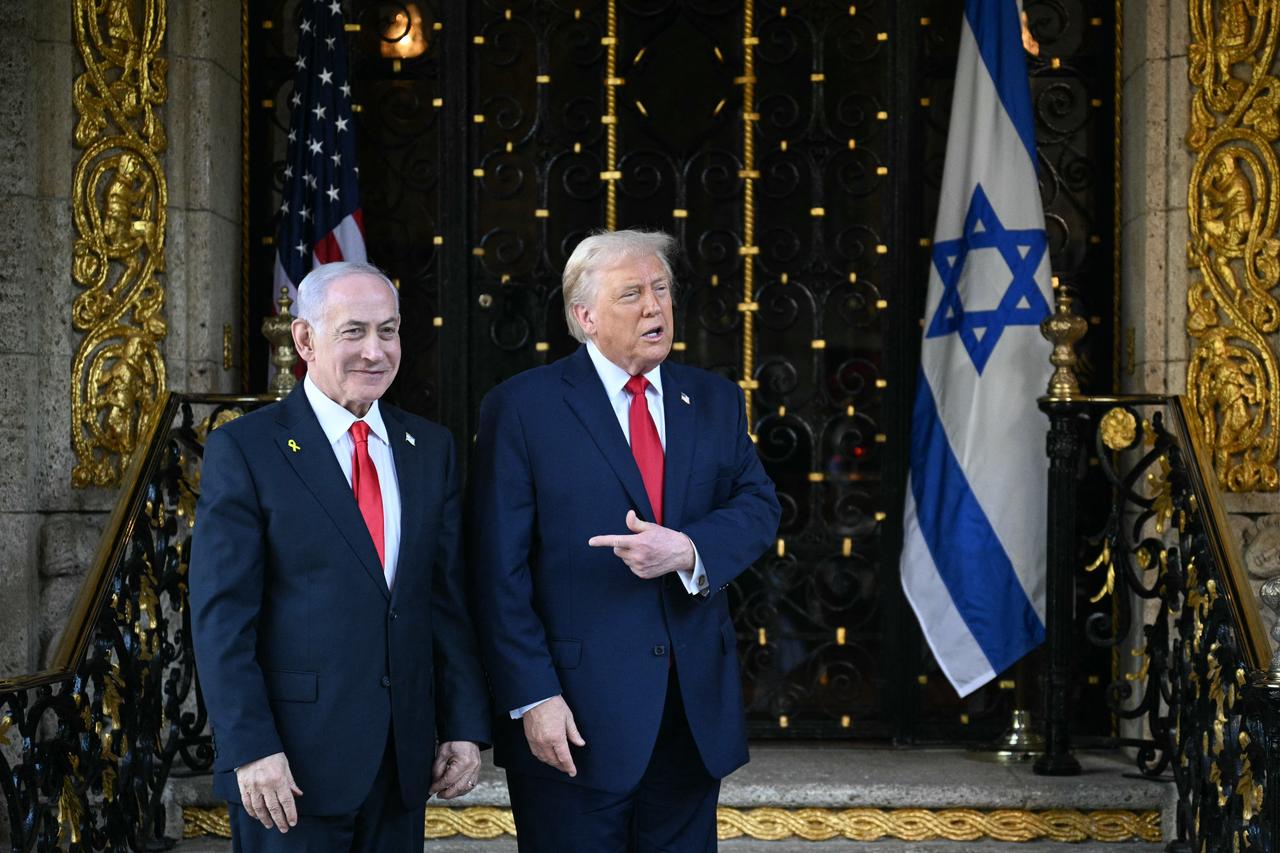
Israeli Foreign Minister Gideon Saar announced on Thursday that Israel would open its first embassy in Slovenia.
"Today, I am proud to announce that Israel will open its first-ever embassy in Ljubljana," Saar wrote on X.
He said Jansa's election "marks a new chapter in relations between Israel and Slovenia."
"After years of the hostility of the previous government, we now have an opportunity to rebuild, strengthen, and deepen a real partnership," Saar said.
Relations between the two countries deteriorated after Golob's government recognized Palestinian statehood, described Israel's military campaign in Gaza as "genocide," banned weapons trade with Israel and imposed restrictions on several Israeli officials, including Prime Minister Benjamin Netanyahu.
Jansa's election victory was also overshadowed by allegations involving Black Cube, an Israeli intelligence-linked private investigations firm.
Slovenian magazine Mladina reported that company representatives visited Ljubljana several times before the March 22 election and allegedly met with Jansa, who leads the Slovenian Democratic Party.
The publication claimed operatives used false identities and secretly recorded meetings with Slovenian politicians.
Golob called on the European Union to investigate possible foreign interference in the election, while Jansa denied the allegations and said he had never heard of Black Cube.


 Set as preferred source
 Set as preferred source


 1 min read

 1 min read