Newsletters


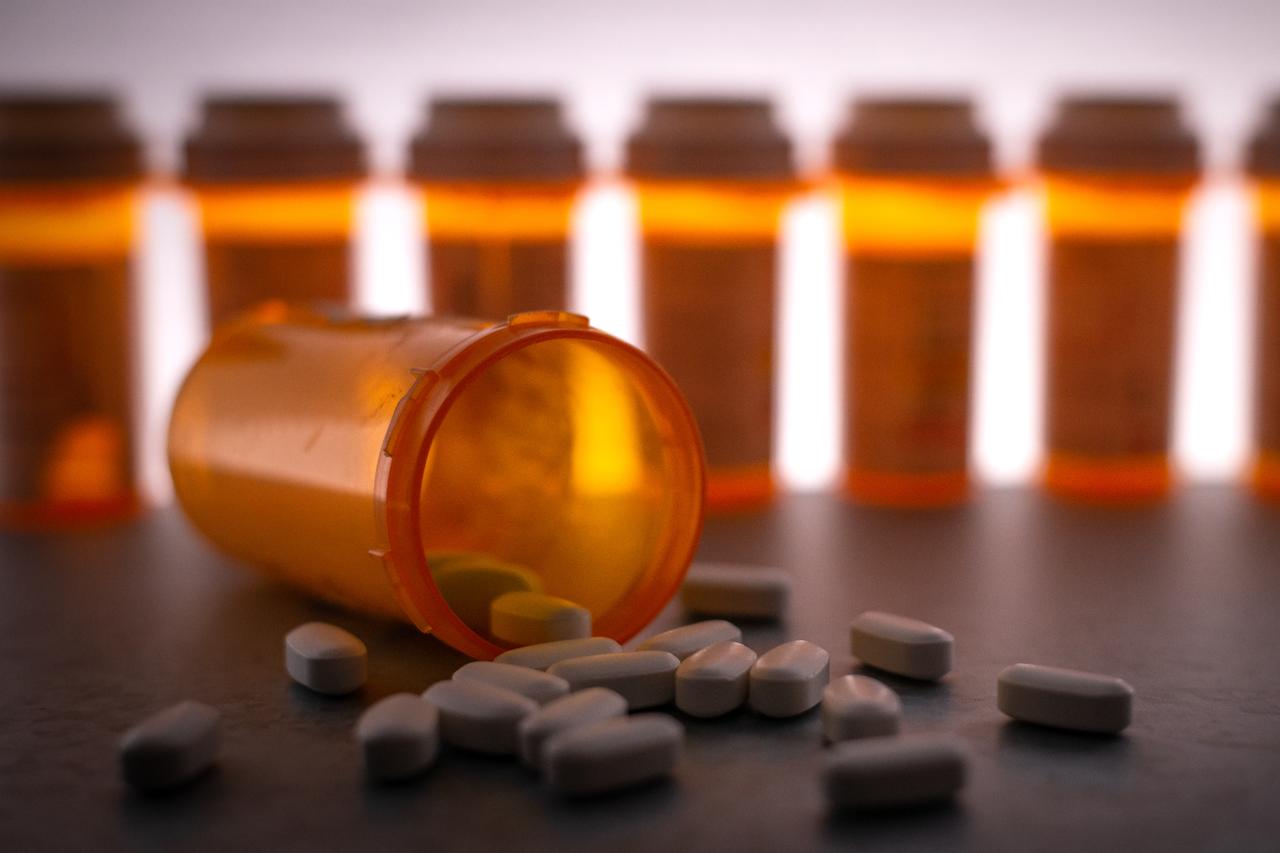


Syrian Interior Ministry forces discovered 26,000 Captagon pills concealed inside a metal bed frame at a bus station in Hama, the latest seizure as the country's transitional government works to dismantle what was once the world's largest production network for the amphetamine-type stimulant.
The pills, destined for Saudi Arabia, were professionally camouflaged within wooden flooring and furniture at the central Syrian city's bus terminal, according to Syria's official news agency SANA. The operation highlights the continued challenges facing authorities even as they claim to have dismantled all known production facilities across the country.
The seizure comes 12 months after the fall of Bashar al-Assad's regime, which oversaw an industrial-scale Captagon trade that generated billions of dollars and accounted for roughly 80 percent of global production. The new government has pledged to end Syria's role as a narco-state, publicly burning stockpiles and announcing the closure of manufacturing sites.

Despite the transitional government's stated opposition to the trade, United Nations drug officials warn that Syria remains a major hub for Captagon production and distribution. Angela Me, chief of research and analysis at the UN Office on Drugs and Crime, told UN News that large shipments continue moving from Syria through neighboring countries like Jordan, suggesting existing stocks are still circulating.
"These groups have been managing Captagon for a long time, and production is not going to stop in a matter of days or weeks," Me said in an interview ahead of the release of the World Drugs Report on June 26. The UN agency has identified signs that production may be shifting to new locations, with laboratory equipment for synthetic drug manufacturing discovered in Libya.
Captagon, a stimulant similar to methamphetamine taken in pill form, has been the primary drug of concern in Gulf states and parts of North Africa for years. Sometimes called the "jihadi pill" after perpetrators of terrorist attacks were found to have used it, the drug helps users maintain energy but leads to rapid dependence and causes serious physical and mental health problems, according to UNODC officials.
In early June, Syrian Interior Minister Anas Khattab announced that all known Captagon production facilities had been dismantled. However, subsequent seizures have continued at a significant pace. Later that month, security forces confiscated approximately 3 million pills and 50 kilograms of hashish following an armed confrontation with smugglers near the Lebanese border. Another 1.7 million pills were seized in eastern Daraa province, already packed for smuggling.
The trade has also drawn regional military responses. Jordan has conducted airstrikes on drug facilities and smuggling networks inside Syrian territory, while Lebanese authorities dismantled one of the largest Captagon manufacturing plants in the country's east near the Syrian border in July. In October, Syrian officials confiscated 11 million pills from a vehicle entering southern Homs from Lebanon.
During Assad's rule, the Syrian military's 4th Armoured Division, commanded by the former president's brother Maher al-Assad, oversaw much of the production and distribution network. The trade helped prop up the Syrian economy during the civil war, with 2023 estimates valuing the market between $5.7 billion and $57 billion—potentially exceeding the combined operations of Mexican drug cartels.
The flow of Captagon from Syria reportedly declined by at least 90 percent following Assad's overthrow in December 2024, but ongoing seizures demonstrate that trafficking networks have proven resilient. Me emphasized that dismantling these operations requires coordinated regional law enforcement efforts, noting that the problem extends beyond the Middle East, with Captagon traffic detected through Europe.


 Set as preferred source
 Set as preferred source


 1 min read
 1 min read