Newsletters


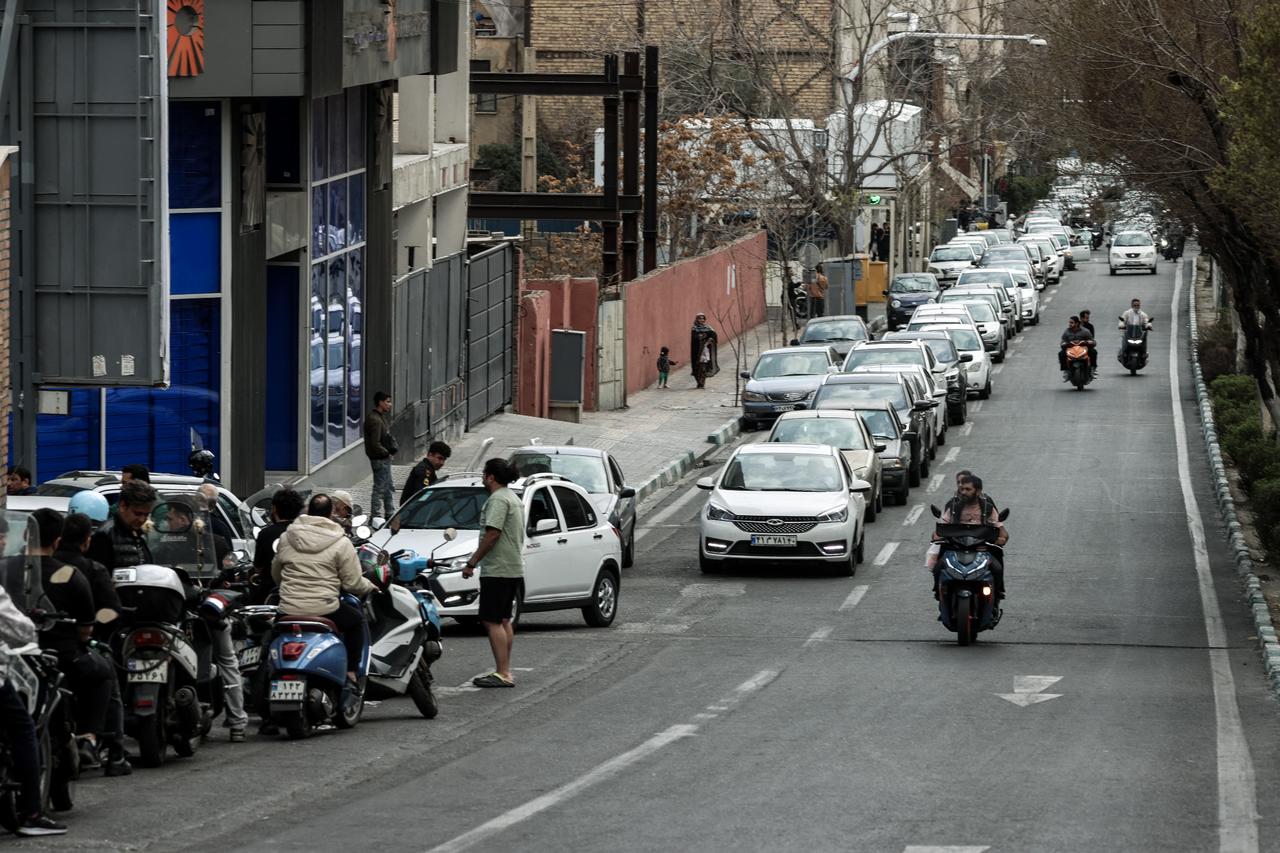


Iranian authorities sent text messages on Saturday urging residents of Tehran to leave the capital, as the United States and Israel launched coordinated strikes across the country that reportedly killed two of Iran's most senior military leaders and triggered retaliatory missile fire across the Middle East.
Iran's Defense Minister Aziz Nasirzadeh and Islamic Revolutionary Guard Corps commander Mohammed Pakpour are believed to have been killed in the Israeli attacks, according to two sources familiar with Israel's military operations and one regional source cited by Reuters.
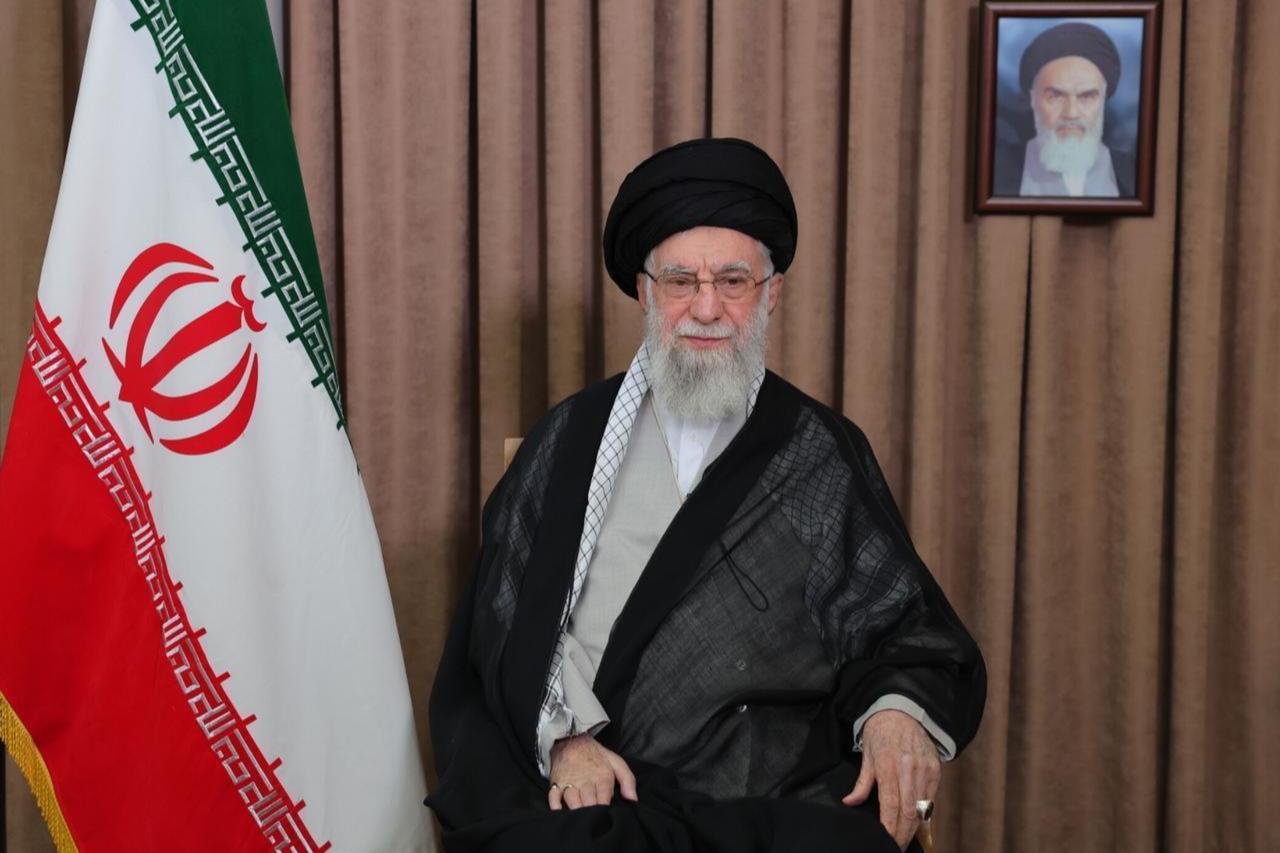
Explosions were reported across Tehran as smoke rose from the city center, with strikes hitting areas near the offices of Supreme Leader Ali Khamenei.
The assault marks the most serious military escalation between the U.S., Israel and Iran since the 12-day war in June 2025, when Israel launched a major offensive against Iranian nuclear and military facilities, followed by U.S. strikes on enrichment sites at Natanz, Fordow, and Isfahan.
That conflict killed over 600 people in Iran and 29 in Israel before a ceasefire took hold on June 24.
 1 min read
The reported deaths of Nasirzadeh and Pakpour come as a devastating blow to Iran's military command structure.
Nasirzadeh, a veteran fighter pilot who served as Deputy Chief of Staff of the Iranian Armed Forces before becoming defense minister in August 2024, was a central figure in the country's military establishment. Pakpour assumed command of the IRGC in 2025, succeeding Hossein Salami, who was killed during the June conflict.
Israeli officials assessed that the two commanders, along with the chief of Iran's intelligence service, were likely killed in the opening wave of strikes, according to the Times of Israel.
Several other top Iranian regime and military figures were also targeted, including Khamenei and President Masoud Pezeshkian, though it remained unclear whether either leader was present at the time of the attacks.
Iran responded as it had long threatened, first launching a wave of missiles and drones at Israel before firing at US military installations in Bahrain, Kuwait, and Qatar. Iran's Foreign Ministry said the country "will not hesitate" in its response, declaring that "the time has come to defend the homeland and confront the enemy's military assault."
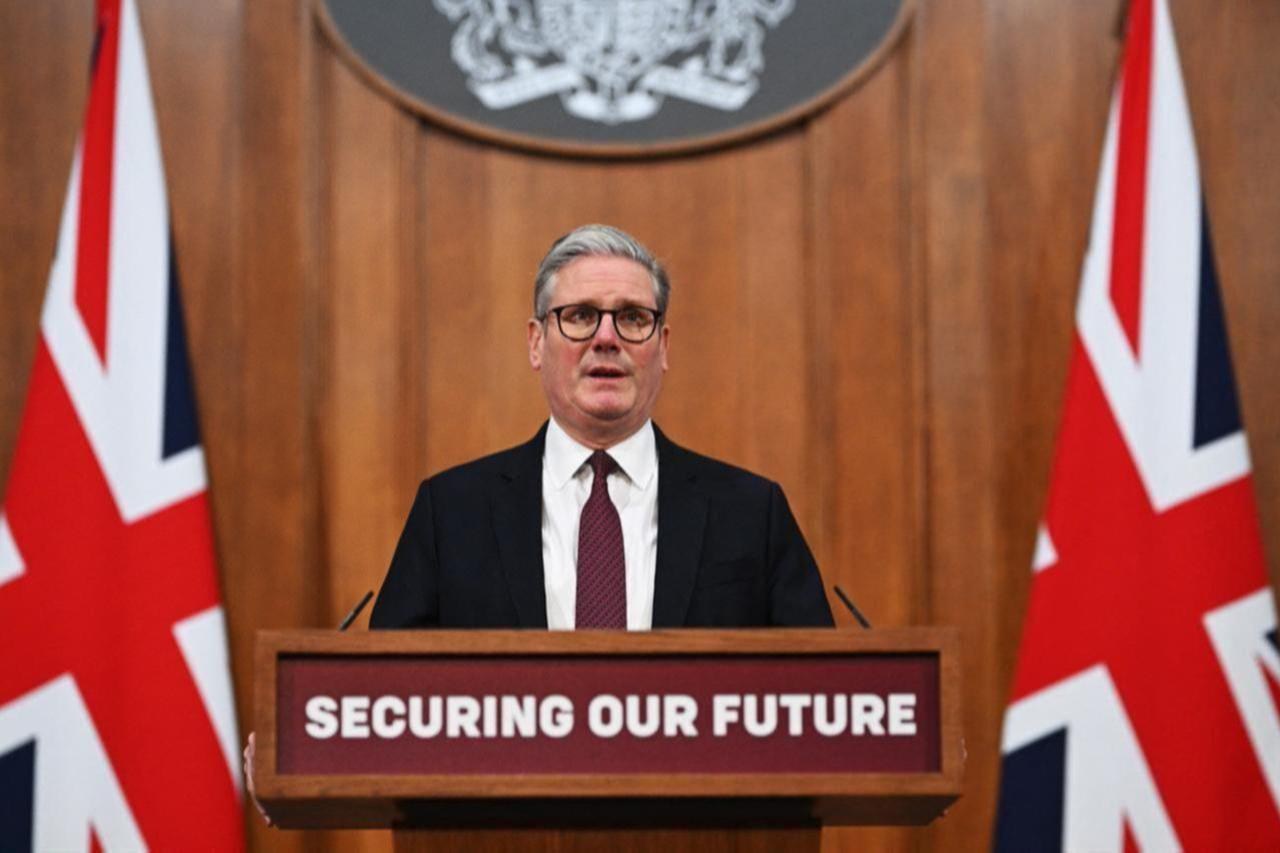

British Prime Minister Keir Starmer confirmed that the United Kingdom played no part in the US-Israeli offensive but said British military assets were actively engaged in defensive operations across the region.
"The United Kingdom played no role in these strikes, but we have long been clear that the regime in Iran is utterly abhorrent," Starmer said in a statement from Downing Street. "They have murdered thousands of their own people, brutally crushed dissent, and sought to destabilize the region."
Starmer said British planes "are in the sky today as part of coordinated regional defensive operations to protect our people, our interests, and our allies," adding that protections for British bases and personnel had been raised to their highest level.
He noted that Iran had backed "more than 20 potentially lethal attacks on U.K. soil" over the past year alone and posed a direct threat to dissidents and the Jewish community within Britain.
The U.K. has F-35 fighter jets stationed at an RAF base in Cyprus and had previously deployed Typhoon jets to Qatar, all in defensive roles, according to Sky News defense editor Deborah Haynes. No UK military bases, including the facility at Diego Garcia, were used by US aircraft to launch the strikes.
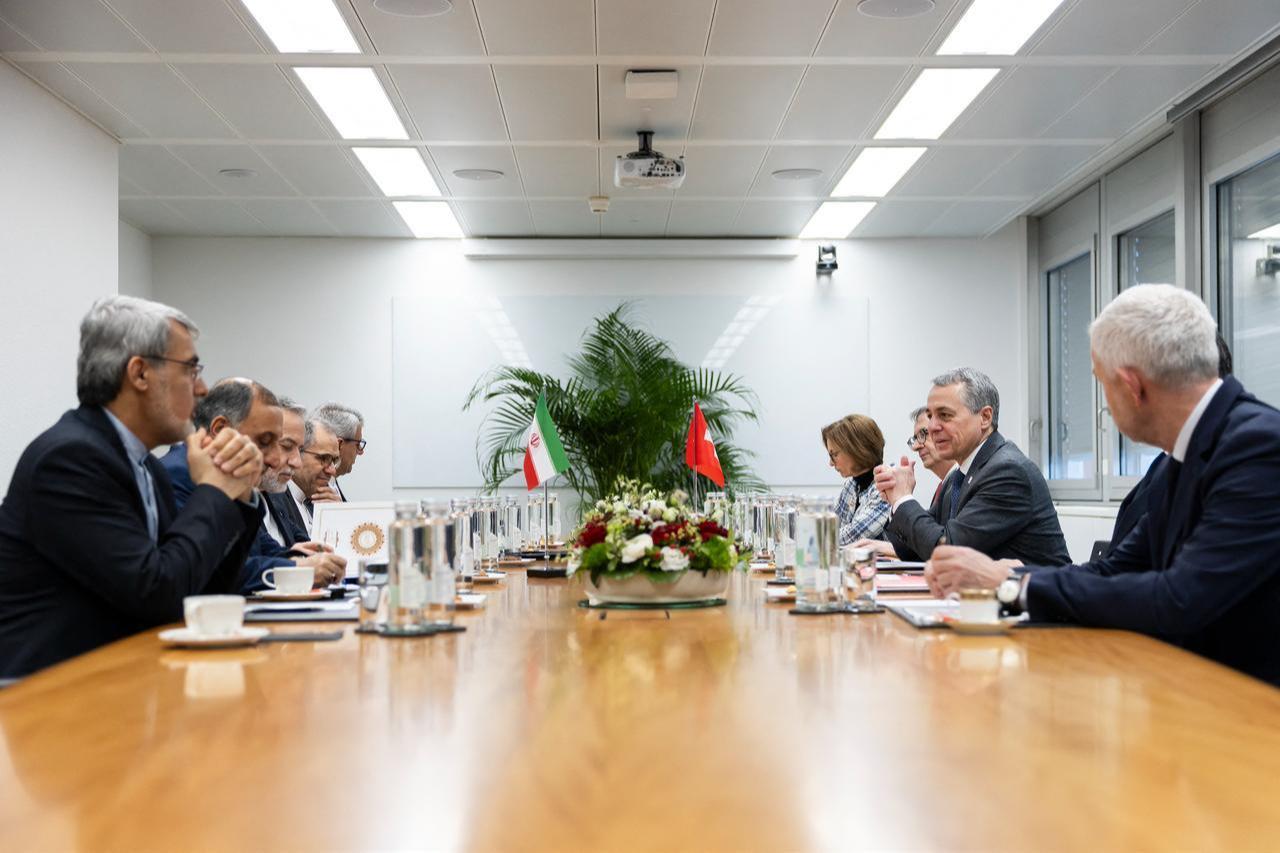
The attacks came just two days after high-stakes US-Iran nuclear negotiations in Geneva, mediated by Oman, ended without agreement.
The pattern echoed the June 2025 war, when Israel struck three days before planned US-Iran talks in Oman were set to begin.
Starmer called on Iran to "refrain from further strikes, give up their weapons programs, and cease the appalling violence and repression against the Iranian people," framing de-escalation and a return to diplomacy as the only viable path forward. "They must never be allowed to develop a nuclear weapon," he said. "That remains the primary aim of the United Kingdom and our allies, including the U.S."
The confrontation unfolds against a backdrop of unresolved tensions over Iran's nuclear program. After the June 2025 strikes, International Atomic Energy Agency Director General Rafael Grossi said much of Iran's enriched uranium stockpile remained intact despite the U.S. bombardment, though some material had become less accessible.
Iran blocked international inspectors from visiting the bombed sites, and satellite imagery analyzed in recent months showed new activity at two of the facilities, suggesting efforts to assess and potentially recover material.
Iran has maintained that its nuclear program is solely for peaceful purposes, though the IAEA reported before the June 2025 conflict that Iran possessed enough uranium enriched to 60 percent, just below weapons grade, for the production of multiple nuclear warheads.


 Set as preferred source
 Set as preferred source



 1 min read