Newsletters




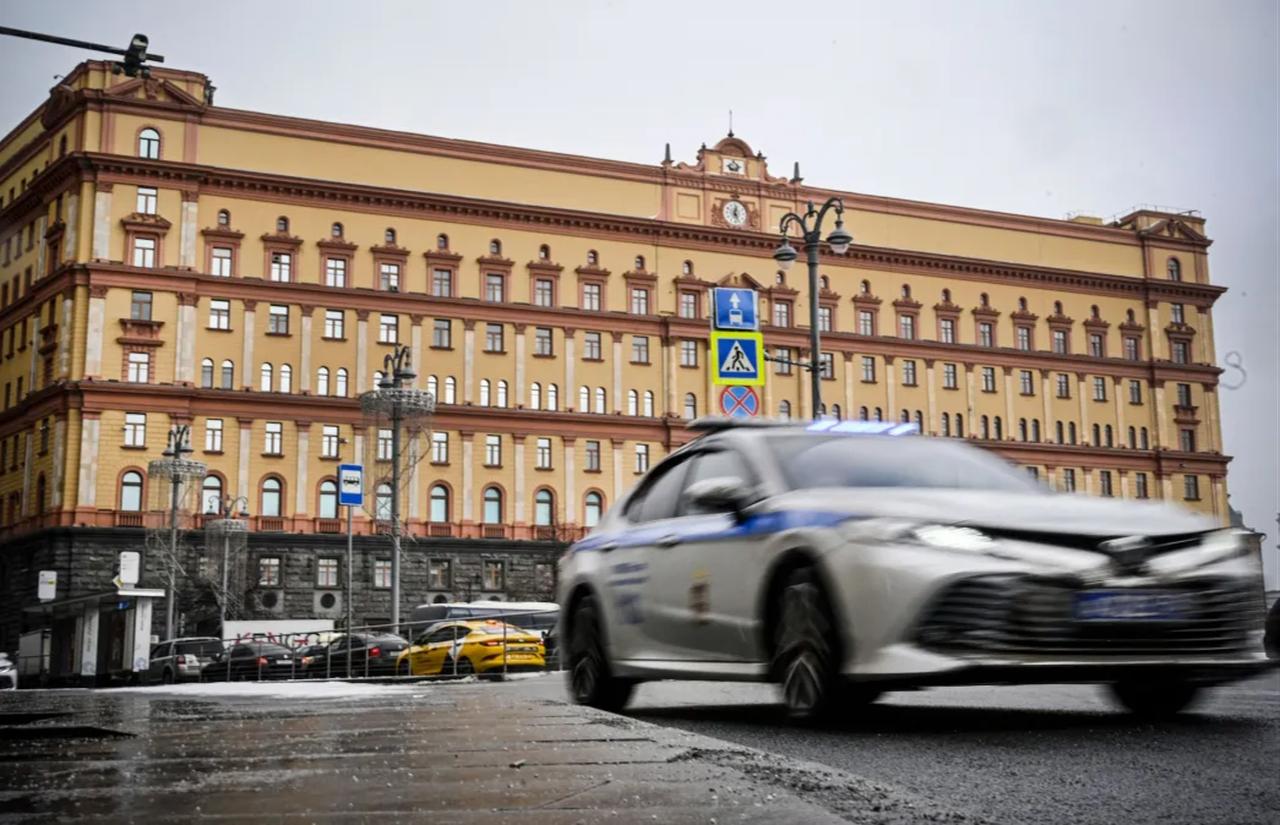
The Cold War entered history as a period that accelerated the institutionalization of intelligence services and expanded the intelligence domain through the development of new techniques and technologies. What was often described as a calmer post-Cold War security environment has, by near consensus among most observers, come to an end.
In its place, a new era has taken hold. It has been debated for the past decade and has gradually come into sharper focus amid repeated warnings. It is often framed as a second Cold War, a label applied not only by analysts but also, at various moments, by policymakers in both Russia and the United States.
Shaped by multipolar competition, this shift has brought with it an intelligence struggle that is not only steadily intensifying but also evolving and expanding, with some aspects surfacing in the public domain while others remain firmly out of sight.
In this new Cold War, one of the few elements that appears largely unchanged is the identity of the principal actors, once again Washington and Moscow. Another of the few constants in this renewed confrontation is human intelligence. So are the institutional ecosystems that enable it, including diplomatic facilities operating under official cover.
In intelligence studies, embassies and consulates are best understood not only as instruments of state representation but also as institutionalized platforms for official cover. Both Moscow and Washington operate on the baseline counterintelligence assumption that some diplomatic and consular personnel may be tasked with intelligence collection, liaison management, or defensive counterintelligence functions.
The diplomatic environment provides what practitioners would call a permissive operating envelope, including lawful residency, protected communication channels, predictable mobility, and sustained access to target milieus through routine consular and political engagement.
When this covert ecosystem collides with host-country counterintelligence, it can surface as incidents, persona non grata declarations, and reciprocal facility closures, revealing an enduring cycle of operational denial and strategic signaling rather than isolated diplomatic disputes.
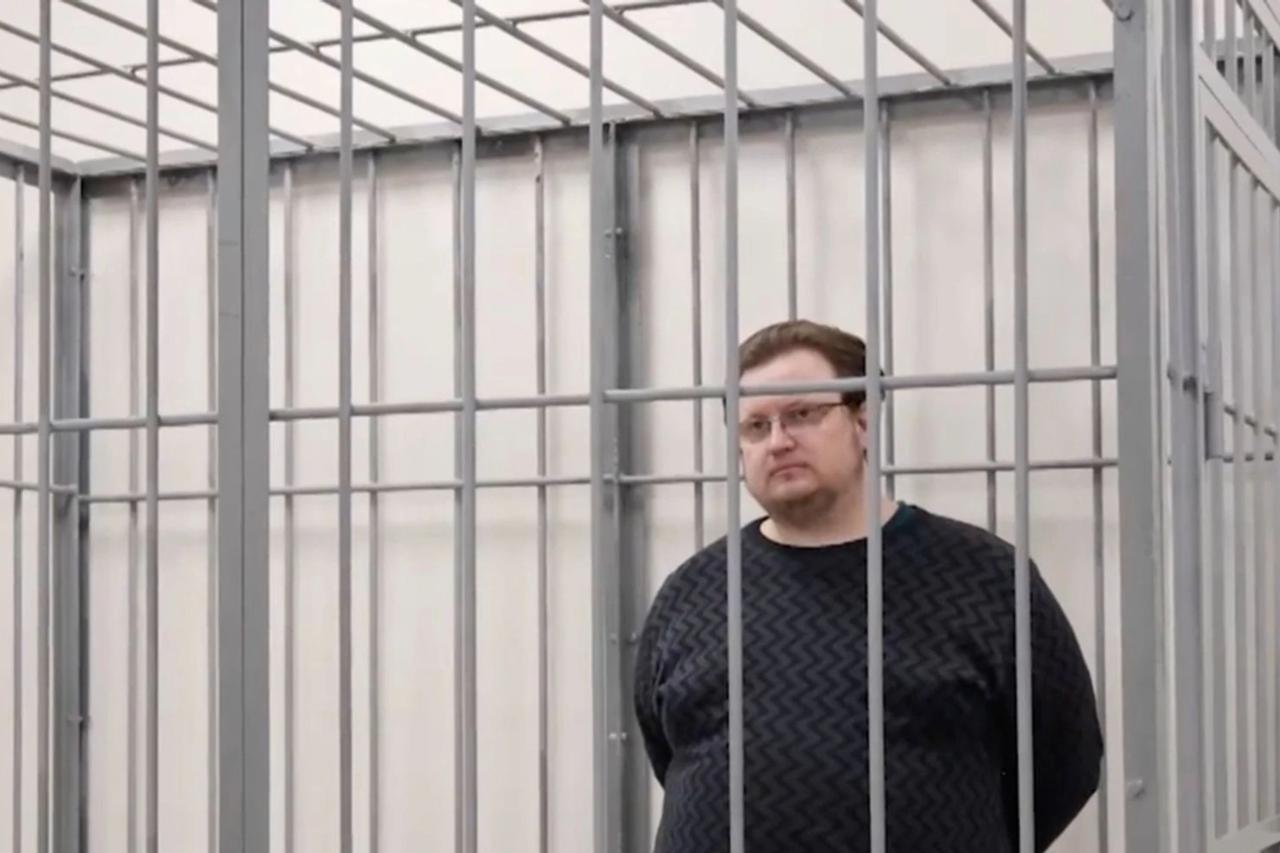
In late December last year, international media were reminded of how public and theatrical this shadow war can become. Russian intelligence FSB released and widely circulated a detention video tied to the case of Arseniy Konovalov, a former Russian diplomat who had previously served in Texas. Russian authorities alleged that he sold classified information to U.S. intelligence.
The footage, pushed hard across state media ecosystems and then echoed in Western reporting, became part of the story itself. Viewers fixated not only on the allegation, but on the optics of fear, surprise, and exposure, precisely the kind of public effect the FSB often seeks when it turns a counterintelligence file into a strategic message.
Chronologically, the record is thin by design, and that is intentional. According to the FSB statement reported by Reuters, Konovalov was a Foreign Ministry employee who served on a long-term assignment in the U.S. and was later convicted of treason for transferring secret information to U.S. intelligence in exchange for money.
Kommersant reported that Konovalov served at the Russian Consulate General in Houston from 2014 to 2017. According to the FSB, he was detained in March 2024, but the case remained out of public view until late December, when the sentence was announced and state media broadcast the detention footage.
Claims in some Russian media and Telegram channels that he was recruited by the CIA remain unverified, and the FSB has not said what information was allegedly passed, or which U.S. agency was involved.

The Konovalov case follows a familiar Moscow playbook, a treason file kept largely sealed, with the public only seeing the outline once sentencing is in place. A similar pattern was visible in the Sergey Mikhailov case, involving a senior figure linked to the FSB’s Center for Information Security, where the proceedings unfolded quietly and behind closed doors for an extended period, and only later crystallized into a clearer, official framing.
In other recent cases, including Alexander Shiplyuk, Anatoly Maslov, Valery Zvegintsev, Valery Golubkin, and Dmitry Kolker, the same pattern was visible, in which proceedings were closed first, with limited public detail, followed later by the sentence or key case milestones becoming public.
In these files, the FSB tends to keep operational specifics and the alleged intelligence package deliberately opaque, releasing just enough to signal control, deterrence, and a strategic counterintelligence message.
Konovalov’s case is less revealing for what it proves and more revealing for how Moscow chose to stage it. To understand how these episodes sit inside Russia’s diplomatic machinery, I spoke to Boris Bondarev, a former career Russian Foreign Ministry diplomat who served in Russia’s diplomatic service abroad.
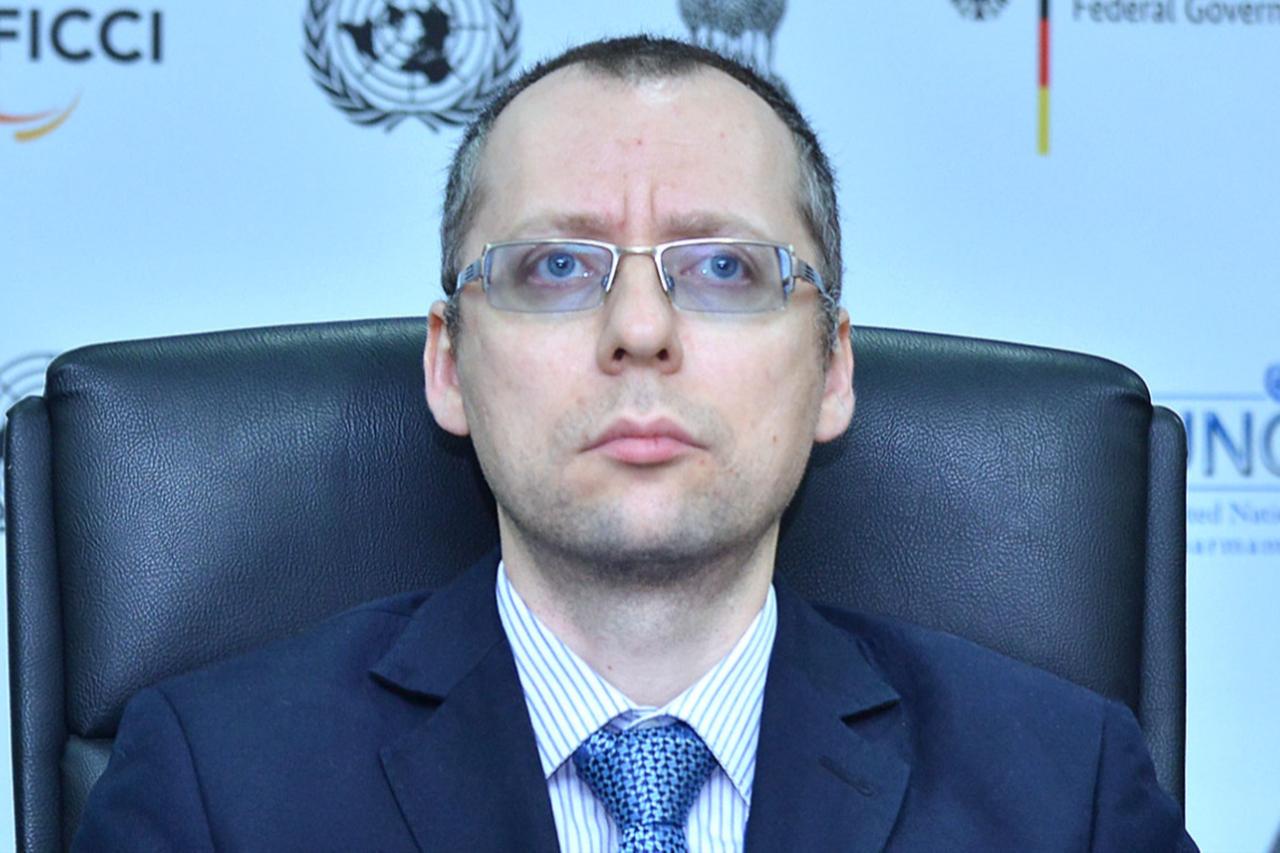
Boris Bondarev says approaches by foreign intelligence or security services are routine for diplomats serving abroad. “Almost any professional diplomat serving abroad periodically encounters attempts by representatives of foreign intelligence or security services to establish contact,” he said, calling it “a normal and widely understood part of diplomatic reality.”
“Diplomats are among the primary targets for intelligence services,” Bondarev added, because “by virtue of their professional duties they have access to information of potential interest.” But he stressed that these approaches are “usually regular in nature and neither exotic nor theatrical.”
In practice, he argued, the popular imagery does not apply. “There are no ‘black cloaks,’ conspiratorial meetings, or exaggerated secrecy,” he said. “On the contrary, in most cases those initiating contact act in a fairly direct and open manner.” Within “reasonable limits,” he added, they “do not particularly conceal their affiliation” and make their interest in “potential interaction quite clear.”
Bondarev described the typical opening as a straightforward signal. “The interlocutor makes it understood that they represent a particular structure and would like to maintain some format of communication or cooperation,” he said. And he underlined that the mere fact of contact is not automatically a crisis. “The mere fact of such contact is not something extraordinary or alarming,” he said. “It is part of the professional risks inherent in diplomatic service.”
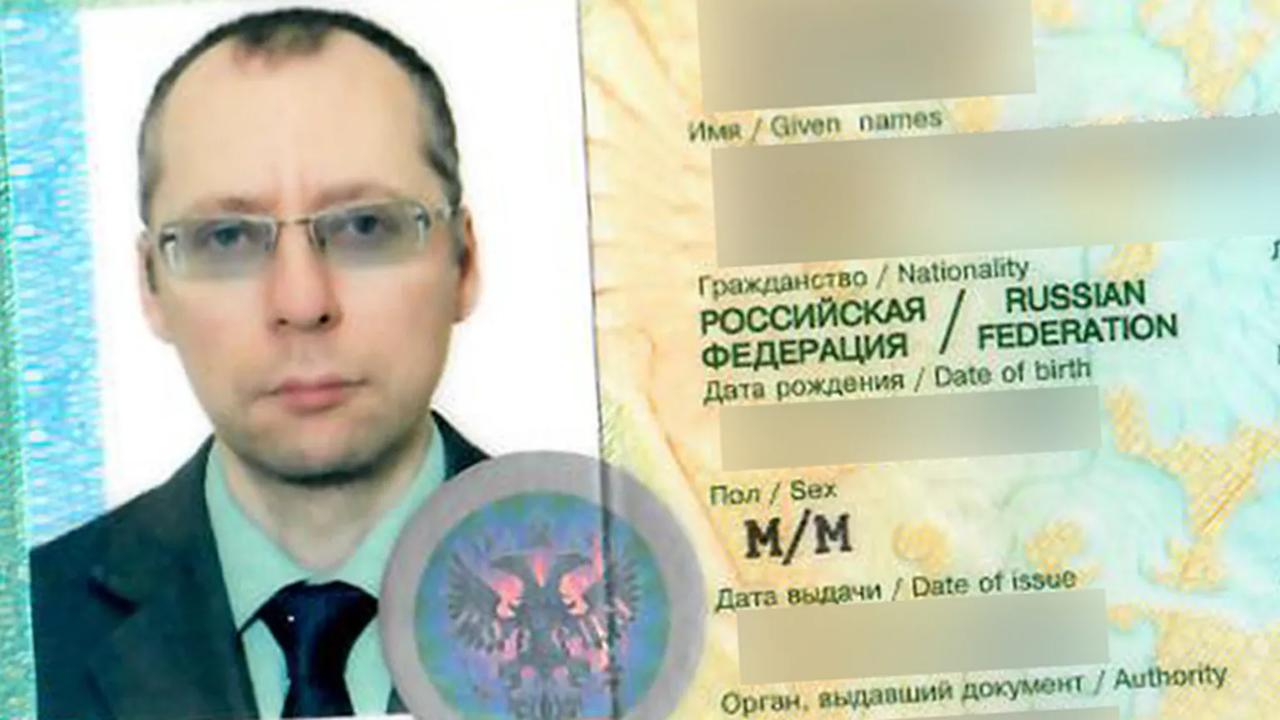
Boris Bondarev says Russian diplomatic missions operate with clear instructions on what to do if a foreign service tries to establish contact. “Diplomatic services operate under clearly defined official instructions that regulate how an employee must act if approached by foreign intelligence services,” he said. “The first and mandatory step is to report such contact immediately to one’s superiors and to the security officers responsible for the mission.”
From there, he noted, the response is handled by the relevant security structures. “Further actions are then determined by the relevant security structures,” Bondarev said.
Bondarev says he witnessed this dynamic firsthand during his own time in the Russian diplomatic service.
“One of my colleagues was subjected to prolonged and fairly aggressive ‘courting’ by a foreign intelligence service,” he said. “Despite repeated and explicit refusals, the approaches continued.”
In that case, he recalled, “our security simply contacted the corresponding security service of the other country and requested that these actions stop.” The result was immediate. “After that, all such contacts ceased.”
Bondarev argues that inside embassy and consular environments, mutual awareness is high. “Within the sphere of embassy and consular work, the level of mutual awareness is quite high,” he said, adding that “different services usually have a good understanding of who performs what role within diplomatic missions.”
He also notes that such lines of contact exist even between rival services.
“Working channels of communication exist between intelligence and security services of different countries,” Bondarev said, “even if they are not always formalized or used on a regular basis.” When needed, he added, “these channels are employed to resolve precisely this kind of situation.”
At the same time, he notes that heightened foreign interest can carry career costs.
“Heightened interest from a foreign intelligence service can have a negative impact on a diplomat’s career prospects,” Bondarev warned. Back at headquarters, he noted, officials may ask “why this particular employee is attracting such attention” and whether it is tied to “behavior or vulnerabilities.”
For Bondarev, that risk is part of the profession, but he stresses that there are “established internal systems” designed to “manage and mitigate such risks.”
Turning to the Arseniy Konovalov case, Boris Bondarev is cautious. “The situation remains largely unclear,” he said, stressing that any assessment has to start from the limits of access associated with a consular posting.
A mid-level diplomat, he argues, “objectively has relatively limited access to information that could be described as genuinely valuable or critically important,” especially compared with political officers in an embassy.
At most, Bondarev told me, such an official might see internal circulars or general distributions reflecting Moscow’s current foreign policy line.
“In that sense, he could potentially convey certain insights into how the official position is articulated and disseminated within the ministry,” Bondarev noted. But he emphasized that this would amount to context rather than secrets. “This would concern general background, not strategically sensitive information.”
As for motive, Bondarev says speculation is unavoidable. “Much depends on the individual,” he noted, adding that financial pressure can be a factor. “If a person desires a more affluent lifestyle and lacks sufficient income, financial inducements can indeed be tempting.”
At the same time, he does not rule out a very different explanation. In today’s Russia, Bondarev said, treason cases are increasingly used “as instruments of repression” and as career opportunities for security officers who uncover them.
In that scenario, a diplomat may have committed “some minor imprudence” in contacts with the American side without crossing the line of normal diplomatic activity, only for that behavior to be “later exploited or reinterpreted as a criminal case.”
Bondarev is explicit about the uncertainty. “It is entirely possible that there was no meaningful transfer of information at all,” he said, or that any transfer was “minimal and largely formal.”
Given the lack of reliable public detail, he concludes, “it is impossible to state anything with certainty,” and he is not prepared to draw firm conclusions about either the scale of potential damage or the nature of the alleged cooperation.


 Set as preferred source
 Set as preferred source


 3 min read
 1 min read