Newsletters


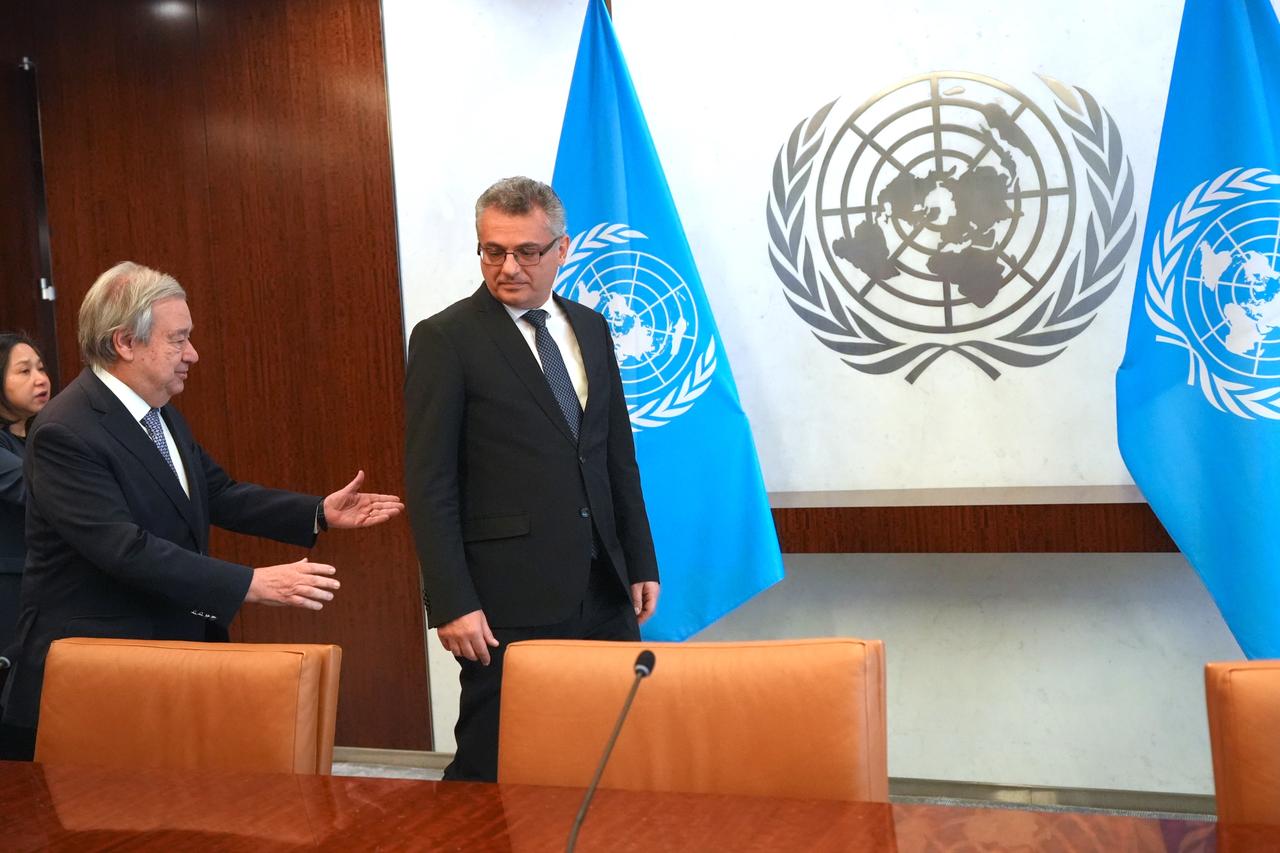


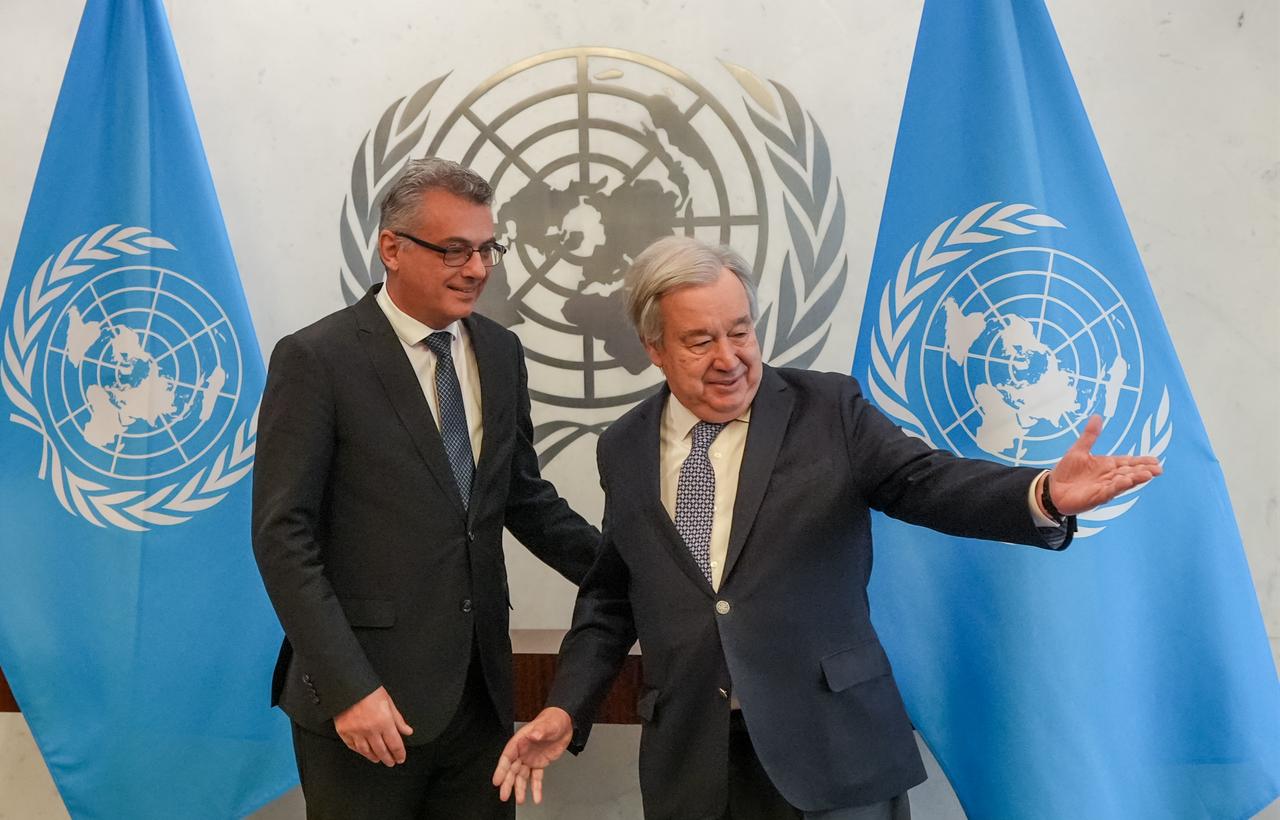
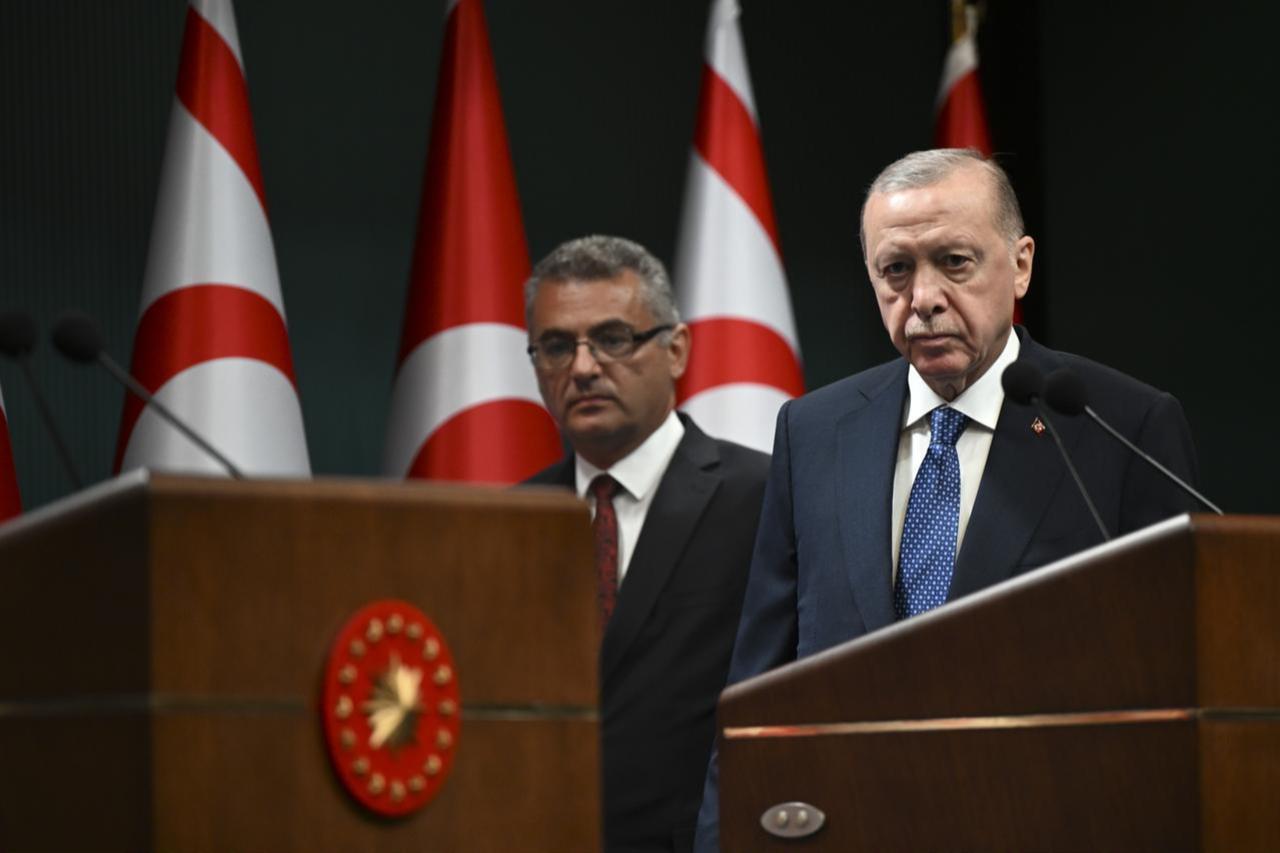
Turkish Republic of Northern Cyprus (TRNC) President Tufan Erhurman held talks with United Nations Secretary-General Antonio Guterres at UN headquarters in New York on Wednesday, presenting a four-point methodology for restarting negotiations on the long-stalled Cyprus issue.
The meeting, described by the TRNC Presidency as taking place in a "positive atmosphere," covered both the Cyprus dispute and broader regional developments. Erhurman used the sit-down to outline his settlement framework and brief Guterres on recent progress regarding confidence-building measures between the island's two communities.
A UN readout confirmed the encounter, describing it as an introductory meeting in which the two leaders "discussed the way forward on the Cyprus issue."

Erhurman pressed a familiar but urgent demand during the talks, reiterating that "unjust and unlawful isolations imposed on the Turkish Cypriot people should be lifted without further delay." The TRNC has long argued that international restrictions on its trade, travel and diplomatic recognition amount to collective punishment of Turkish Cypriots, a grievance that has remained central to its negotiating position for decades.
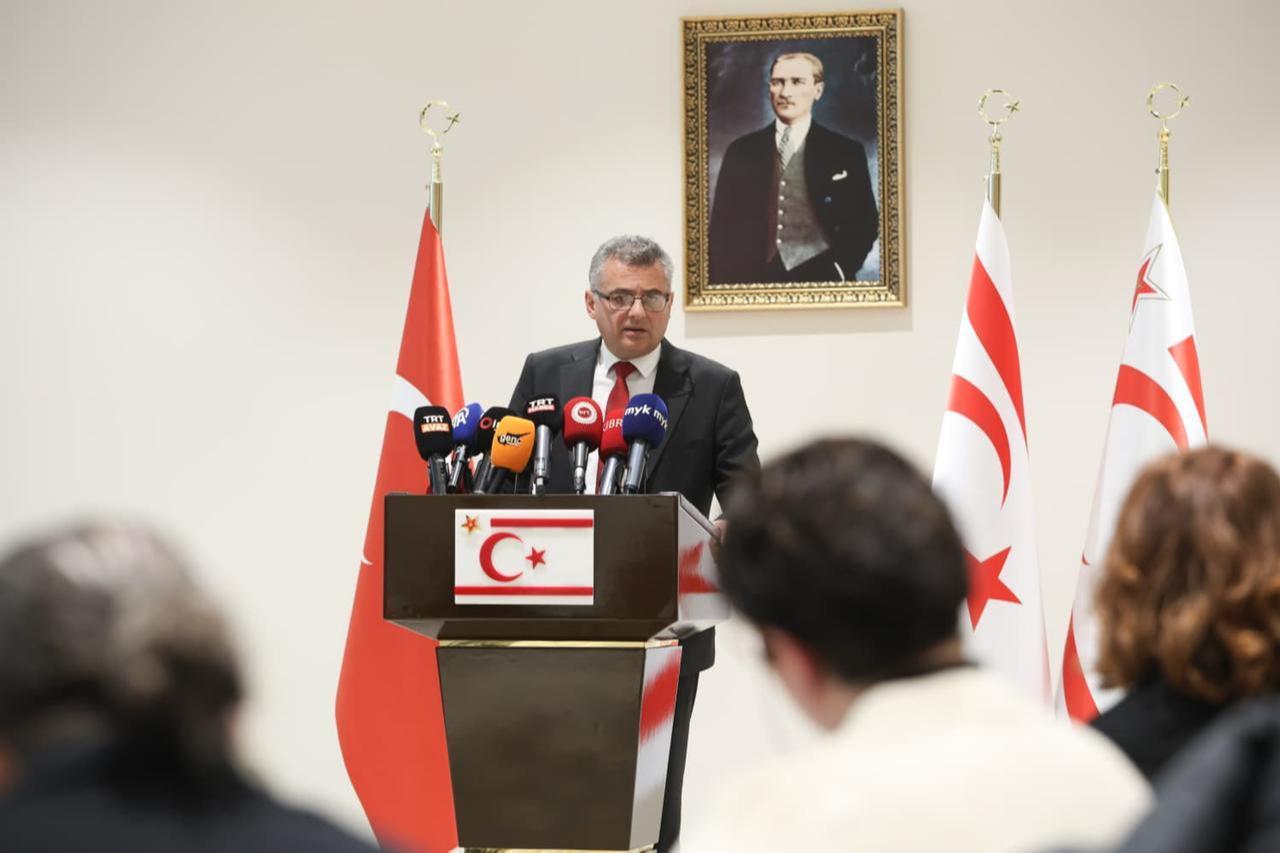
The four-point methodology Erhurman presented to Guterres had previously been made public by the TRNC president, though the detailed contents were not disclosed in the statement.
The meeting takes place against the backdrop of one of the world's most protracted territorial disputes. Cyprus has been divided along ethnic lines since 1974, when a Greek Cypriot coup seeking unification with Greece prompted Türkiye's military intervention as a guarantor power to protect Turkish Cypriots from persecution and violence. The TRNC was subsequently established in 1983.
The roots of the conflict reach back further still. Ethnic attacks beginning in the early 1960s forced Turkish Cypriots to retreat into enclaves for their physical safety, a period that left deep scars on the community's collective memory and continues to shape its political outlook.
Successive rounds of UN-brokered negotiations have failed to bridge the gap between the two sides. The most significant recent setback came in 2017, when talks held in Switzerland under the auspices of the three guarantor countries, Türkiye, Greece and the United Kingdom, collapsed without agreement.
 1 min read
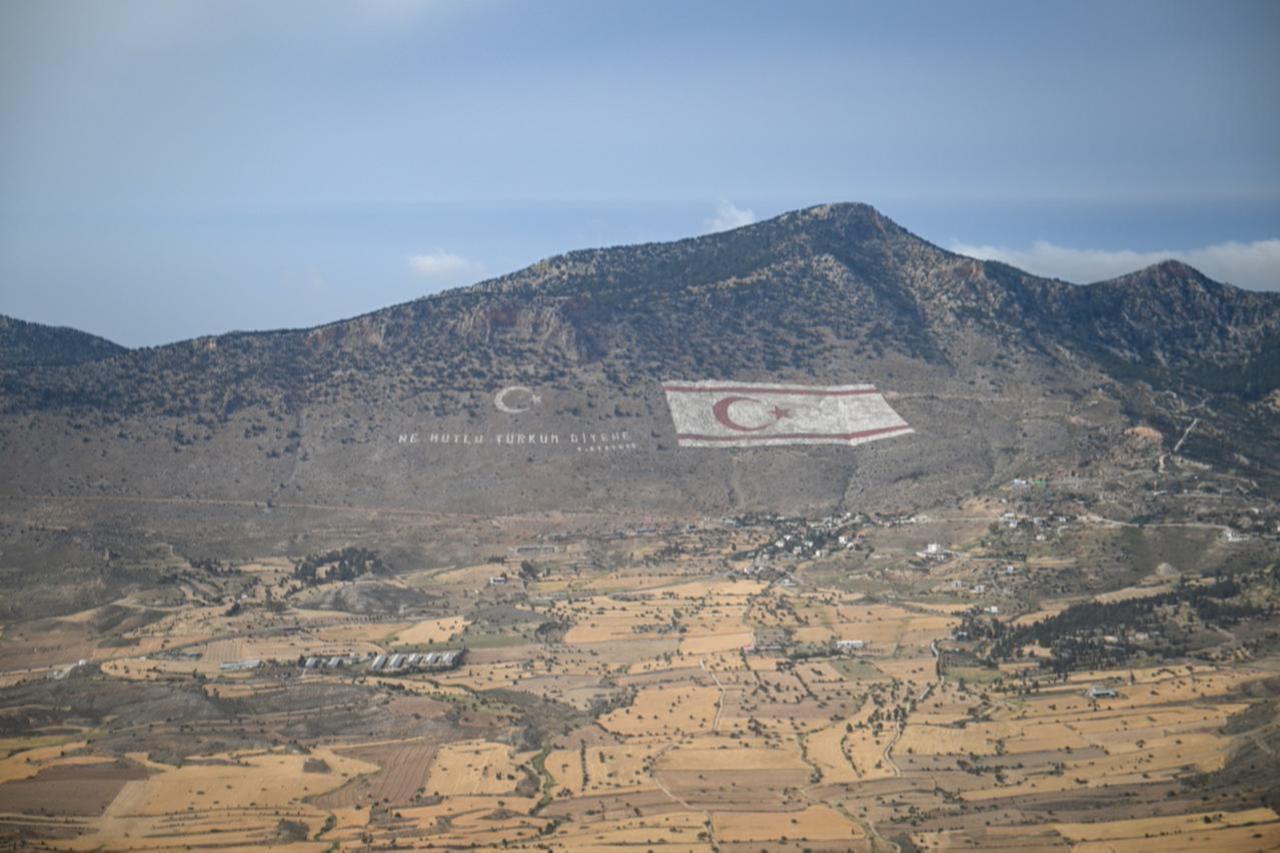
The diplomatic landscape was further complicated in 2004, when the Greek Cypriot Administration entered the European Union. That accession came the same year Greek Cypriots rejected a comprehensive UN reunification plan in a referendum, effectively blocking what many observers regarded as the best available framework for ending the dispute. Turkish Cypriots, by contrast, voted in favor of the plan but have seen no diplomatic reward for doing so, a point of enduring frustration in the north.
The Erhurman-Guterres meeting signals continued international engagement with the Cyprus question, though whether the TRNC president's four-point approach can generate fresh momentum where previous efforts have stalled remains to be seen.


 Set as preferred source
 Set as preferred source


 1 min read