Newsletters


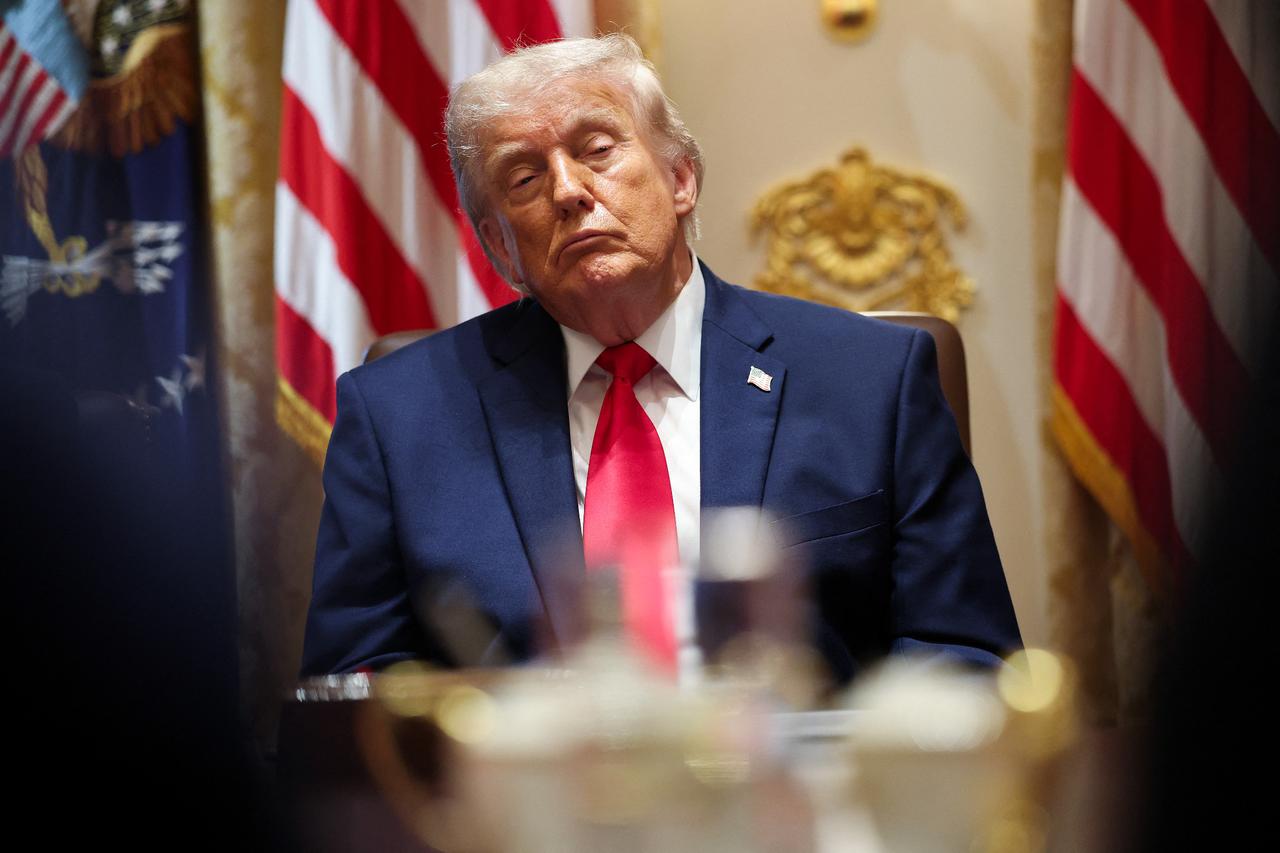


U.S. President Donald Trump said he was meeting in the Situation Room to make a final determination on possible Iran deal terms, including reopening the Strait of Hormuz, removing mines and destroying enriched material.
In a post on Truth Social, Trump said Iran must agree that it will never have a nuclear weapon or bomb and that the Strait of Hormuz must be opened immediately to unrestricted shipping traffic in both directions.
The statement came as tensions around the waterway flared after another round of U.S. strikes in southern Iran and an Iranian retaliatory attack on a U.S. airbase in Kuwait.
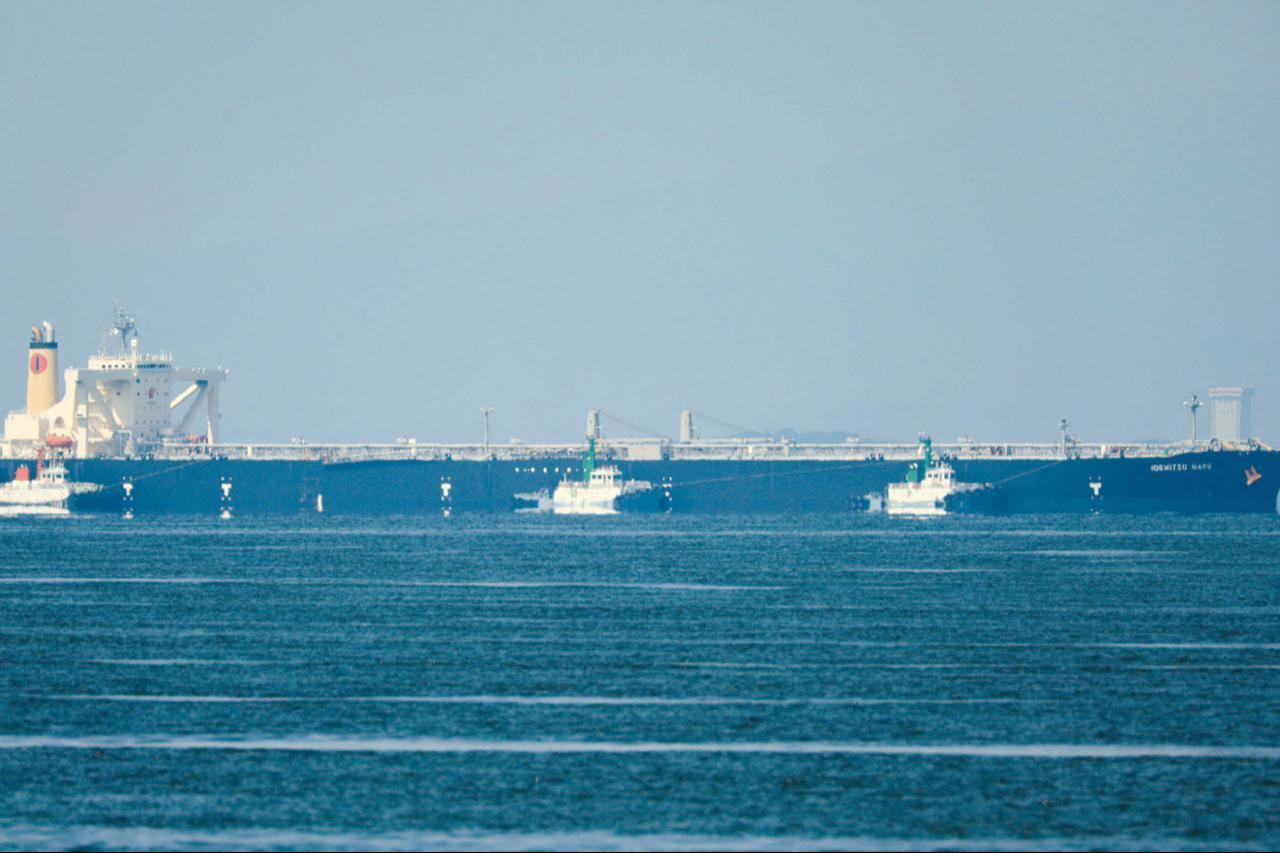
Trump said the Strait of Hormuz must be opened with “no tolls” and that ships caught in the strait because of what he described as an “amazing and unprecedented Naval Blockade” could begin “heading home” as the blockade is lifted.
Trump said all water mines, if any remain in the Strait of Hormuz, must be removed or detonated.
He said the U.S. had already removed numerous mines through detonation using underwater minesweepers and that Iran would complete the immediate removal or detonation of any remaining mines.
He also said no money would be exchanged “until further notice” and that other items “of far less importance” had been agreed to.
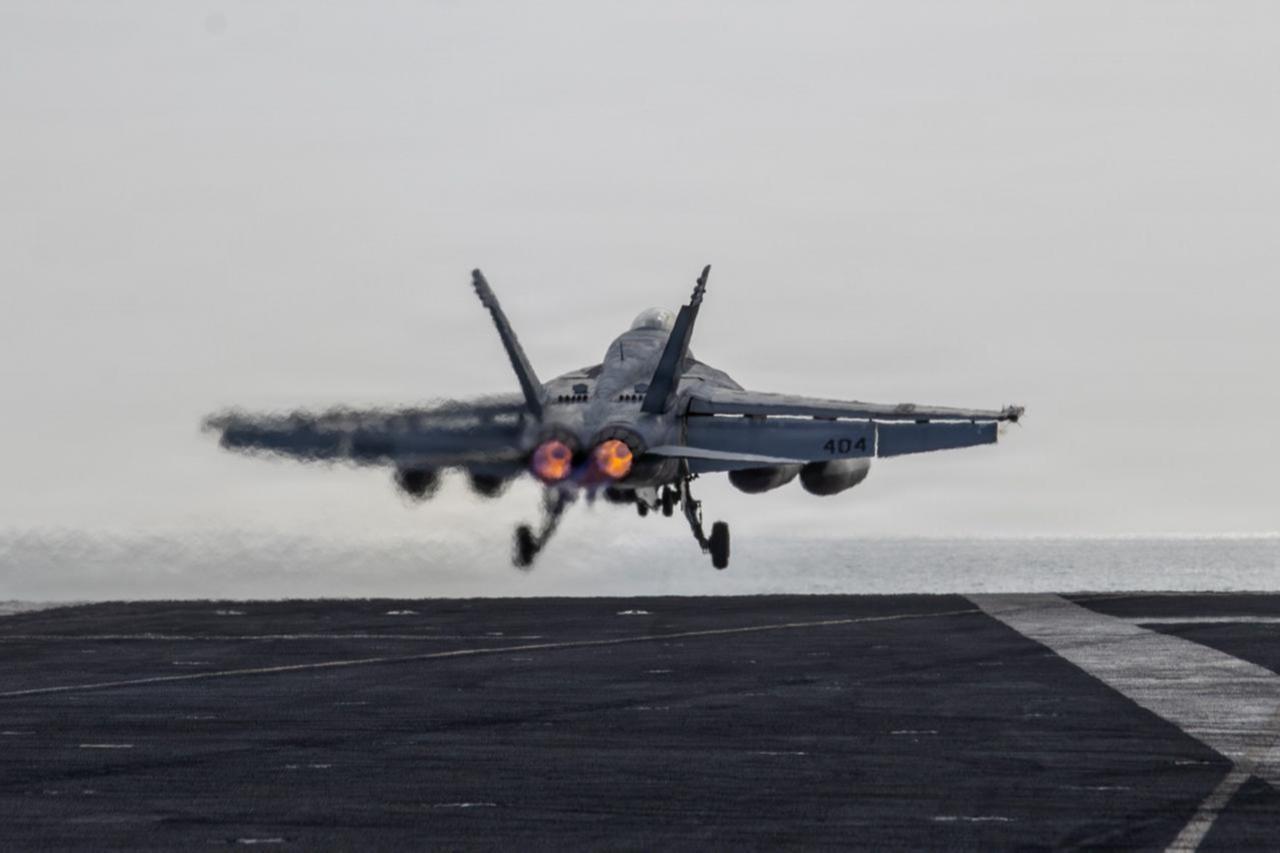
The escalation followed U.S. strikes Monday on missile launch sites and Iranian boats allegedly attempting to lay mines near the Strait of Hormuz, which U.S. Central Command described as defensive operations.
U.S. forces also carried out another round of strikes in southern Iran on Wednesday, prompting Tehran to retaliate hours later by targeting a U.S. airbase in Kuwait.

Trump said enriched material, which he described as “nuclear dust,” is buried deep underground under what he called collapsed mountains caused by a U.S. B-2 bomber attack 11 months ago.
He said the material would be unearthed by the U.S. in close coordination with Iran and the International Atomic Energy Agency, then destroyed.
Trump said the U.S. and China were the only countries with the mechanical capability to carry out the work.
Iran’s Islamic Revolutionary Guard Corps said its strike on the U.S. airbase in Kuwait came after what it described as an American aerial assault near Bandar Abbas Airport in southern Iran.
“This response is a serious warning so that the enemy knows that aggression will not go unanswered, and if repeated, our response will be more decisive,” the IRGC said.
Iranian military spokesperson Abolfazl Shekarchi had earlier warned that any renewed U.S. or Israeli strikes on Iran would trigger a “heavier” and “stronger” response extending beyond the region.


 Set as preferred source
 Set as preferred source


 1 min read

 1 min read