Newsletters


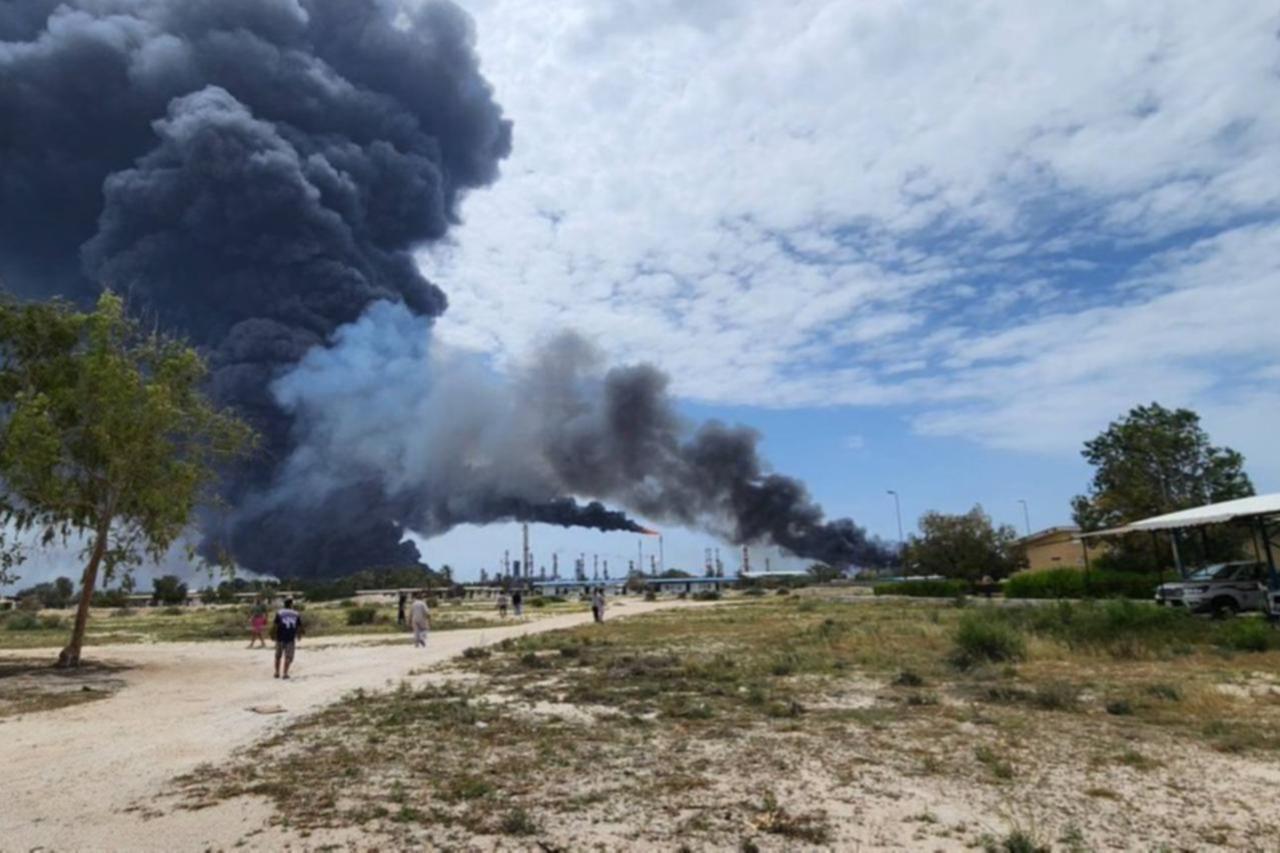


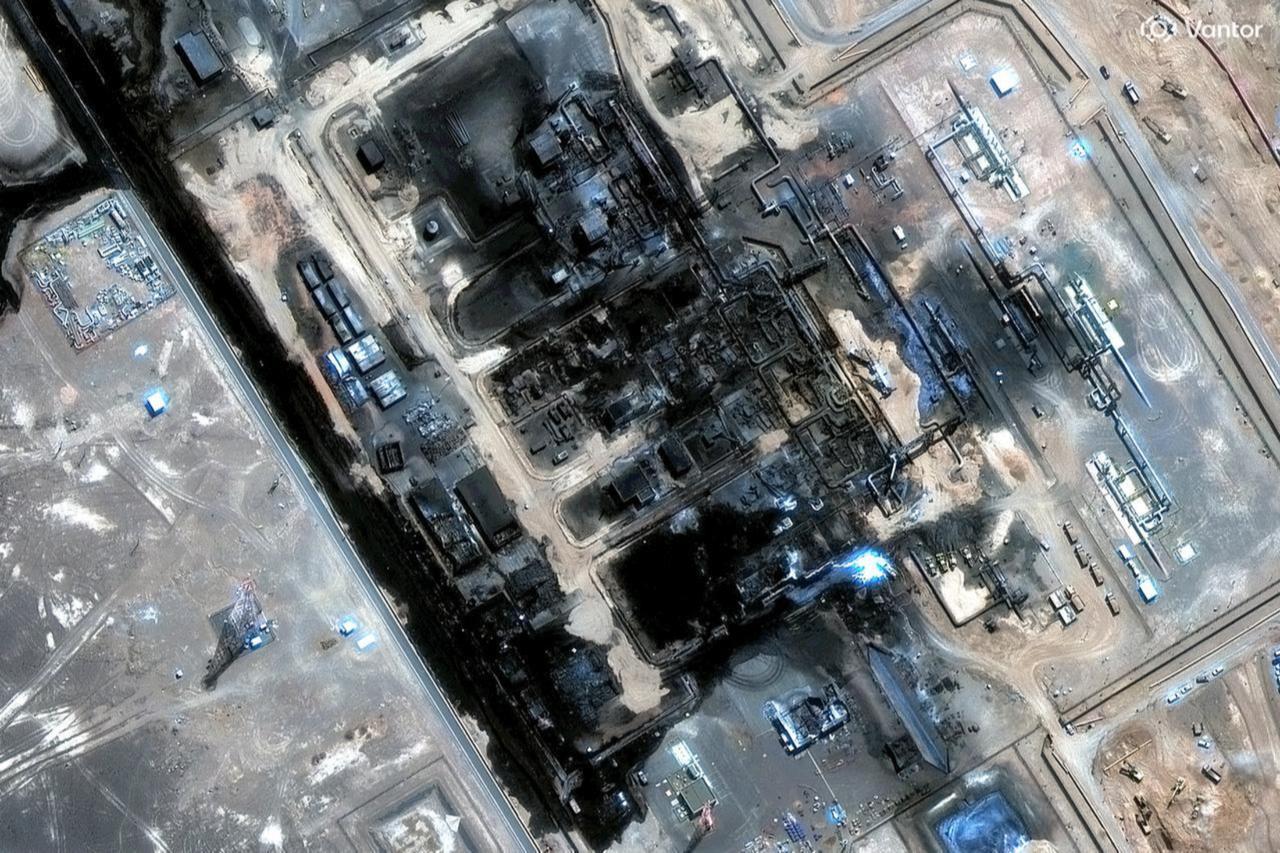
Some officials in Donald Trump's inner circle are privately encouraging the United Arab Emirates to take a more aggressive role in the ongoing conflict with Iran, including seizing Lavan Island, a strategic Iranian outpost in the Gulf that was reportedly struck in secret Emirati military operations in early April, according to a former senior Trump administration security official.
"Go take 'em!" the official told The Telegraph, framing the push as a way to put "UAE boots on the ground instead of US."
The disclosure represents a significant escalation in Washington's behind-the-scenes involvement in shaping Gulf military strategy, coming as the 11-week conflict continues to redraw political and security alignments across the Middle East.
The UAE has absorbed the heaviest toll among Gulf states since Israel and the United States began striking Iran in late February, facing more than 2,800 missiles and drones in what analysts describe as an unprecedented Iranian bombardment.
Analysts say the assault has produced a watershed moment for Abu Dhabi, forcing a fundamental reassessment of the country's defenses, alliances and regional role.
Rather than drawing Gulf neighbors closer together, the war has deepened existing fractures. The UAE's president reportedly sought Saudi and Qatari participation in counter-strikes against Iran at the outset of the conflict, but those requests went unanswered.
The Emirates have since doubled down on their ties with both Washington and Jerusalem, while relations with Riyadh and other Gulf neighbors have grown more strained. In a further sign of the rupture, the UAE announced earlier in May that it was withdrawing from OPEC, the Saudi-dominated oil producers' bloc.
Former U.S. Ambassador to the UAE Barbara Leaf, speaking to The New York Times, said the bombardment had forced Emirati leaders to see the world in starker terms. "They are looking at things in pretty stark, black and white terms, of friend or foe," she said.

The UAE's relationship with Israel, normalized under the Abraham Accords in 2020, has flourished during the war even as other Gulf states have kept their distance.
Israel supplied Iron Dome air defense batteries to the Emirates to help counter Iranian strikes. Israeli Prime Minister Benjamin Netanyahu said he made a secret visit to the UAE in March and that the talks produced a "significant breakthrough," though Abu Dhabi denied any such visit occurred.
Iran responded to reports of the deepening ties this week by calling the UAE "an active partner in this aggression." Abu Dhabi rejected what it called attempts to justify "Iranian terrorist attacks," but pointedly reserved "all its sovereign, legal, diplomatic and military rights to confront any threat, claim or hostile act."
Dr. Burcu Ozcelik, a researcher at the Royal United Services Institute, said the conflict had "accelerated a US-Israel-UAE alignment."
She noted that Anwar Gargash, a senior adviser to the Emirati president and a prominent critic of Tehran, had said in April that Iran's attacks were likely to deepen, rather than reduce, the American security presence in the Gulf, and that Israeli influence would "become more prominent in the Gulf, not less."
The emerging strategic realignment carries significant risks for all parties, analysts warn. For the UAE, deeper military cooperation with Israel risks other Arab states viewing Abu Dhabi as complicit in Israel's Gaza campaign.
For Israel, closer association with the Emirates invites scrutiny of the UAE's own controversial regional conduct, including accusations, which the UAE denies, of backing the Rapid Support Forces rebel group in Sudan.
The UAE has also expressed frustration at what it regards as inadequate solidarity from regional bodies such as the Arab League and the Gulf Cooperation Council, as well as from Pakistan, which has received substantial Emirati financial support but has adopted what UAE officials describe as an overly conciliatory posture toward Tehran.
Saudi Arabia did launch what Reuters described as "numerous" air strikes against Iran toward the end of March, though Riyadh has otherwise declined to join the Emirati-Israeli-American axis that appears to be consolidating around the conflict.


 Set as preferred source
 Set as preferred source


 1 min read
 1 min read