Newsletters


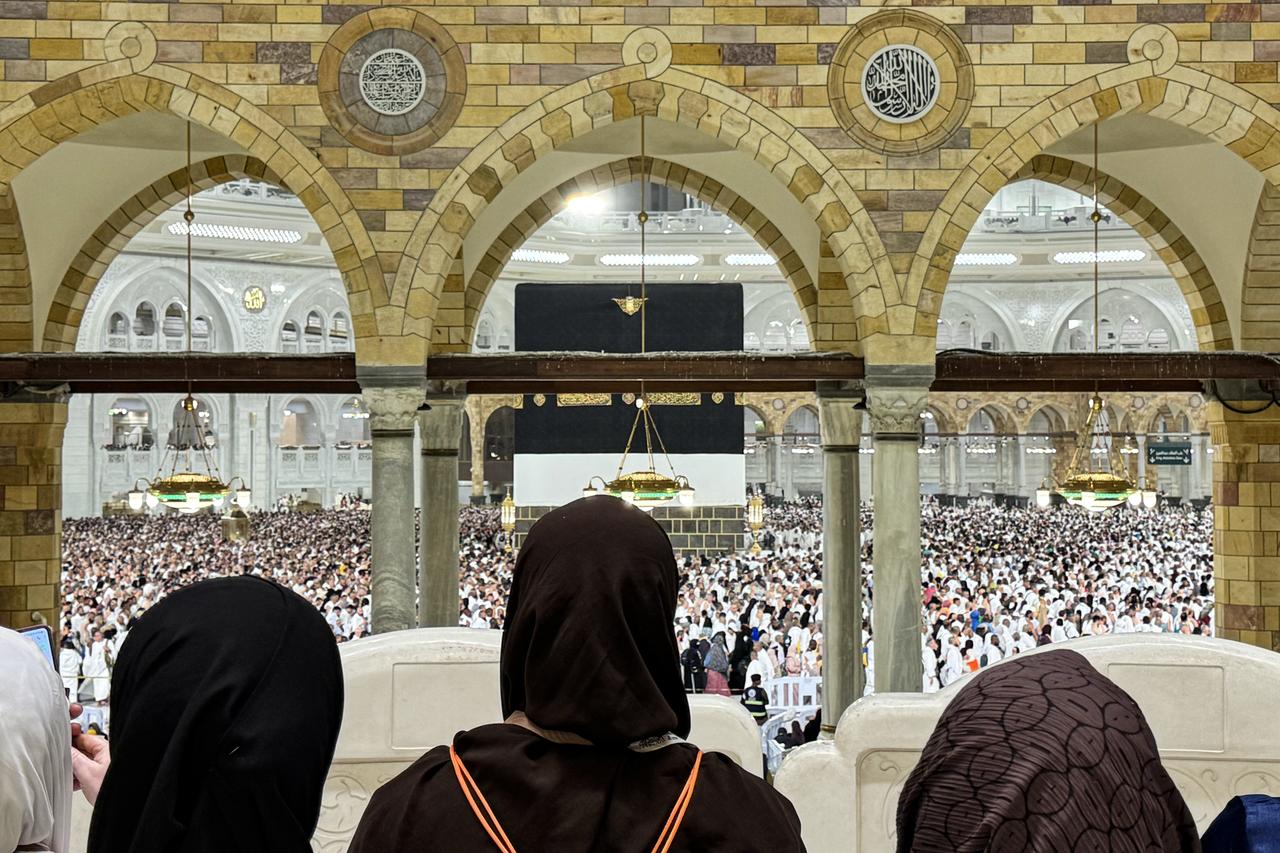


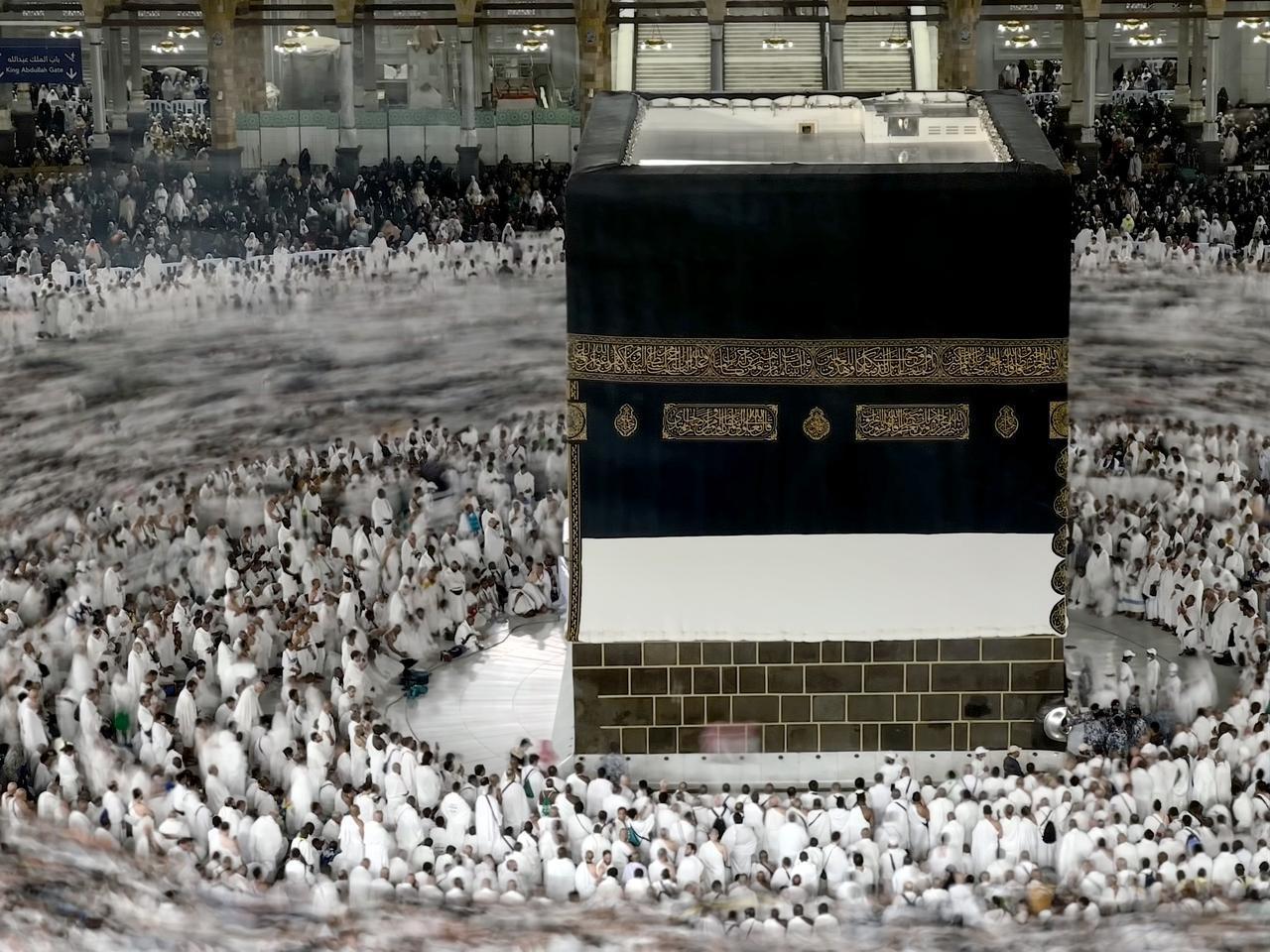
U.S. President Donald Trump postponed a planned attack on Iran this week after being warned by Gulf allies and senior U.S. officials that resuming the war during the Hajj pilgrimage would trigger a crisis within Gulf states and severely damage Washington's standing in the Muslim world, Middle East Eye (MEE) reported.
The report cited two senior Gulf officials and a senior U.S. official familiar with internal administration discussions.
According to the two senior Gulf officials cited by Middle East Eye, Trump was told that attacking Iran during Hajj would leave hundreds of thousands of pilgrims stranded.
The sources also said Trump was warned that striking during the holy period leading up to Eid al-Adha would further damage Washington's standing in the Muslim world.
The U.S. had previously attacked Iran during Ramadan, but an attack during Hajj was described as carrying far greater logistical consequences for Saudi Arabia, which hosts around a million foreign pilgrims each year, as well as Gulf air travel hubs in Qatar and the UAE, and countries in South and East Asia from which many pilgrims depart.
The senior U.S. official confirmed the conversations had taken place and said Trump had been warned by his own officials that resuming the war now would cause serious "reputational damage."

On his Truth Social platform, Trump wrote that he had been asked by the Emir of Qatar, Tamim bin Hamad Al Thani, the Crown Prince of Saudi Arabia, Mohammed bin Salman Al Saud; and the President of the United Arab Emirates, Mohamed bin Zayed Al Nahyan, "to hold off on our planned Military attack of the Islamic Republic of Iran," adding, "In their opinion, as Great Leaders and Allies, a Deal will be made."
Trump said Wednesday that negotiations were in their "final stages" but that he was "in no hurry" to complete them.
He ruled out any sanctions relief before a final agreement.
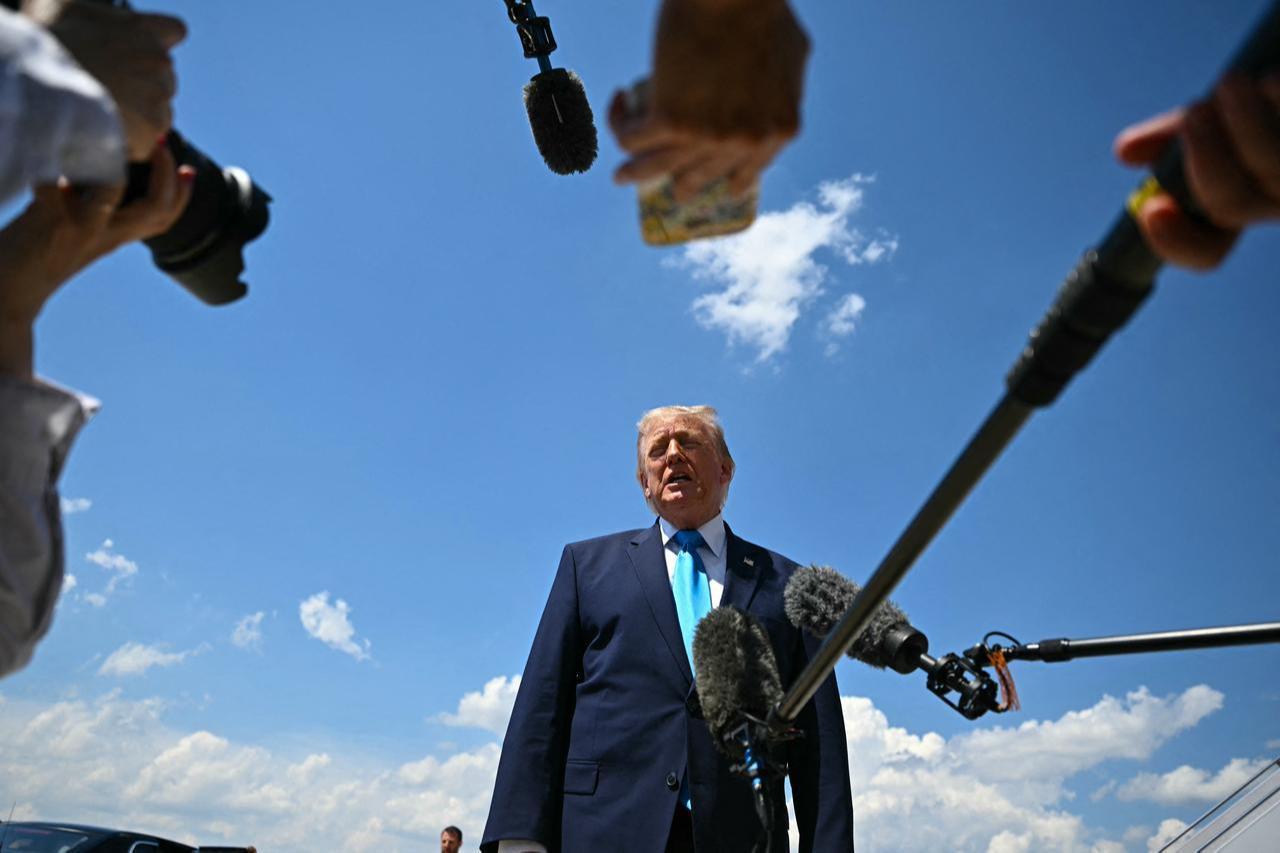
"I'm not doing any relief until they sign an agreement. When they sign an agreement, we can get that place built up again and have something that's really a good country for the people, but no, we haven't offered anything," Trump told reporters at Joint Base Andrews.
Addressing Coast Guard Academy graduates in Connecticut later Wednesday, Trump said: "The only question is, do we go and finish it up, or are they going to be signing a document? Let's see what happens. We hit them very hard. We may have to hit them even harder, but maybe not. We're not going to let Iran have a nuclear weapon and blow up the entire Middle East, Israel."
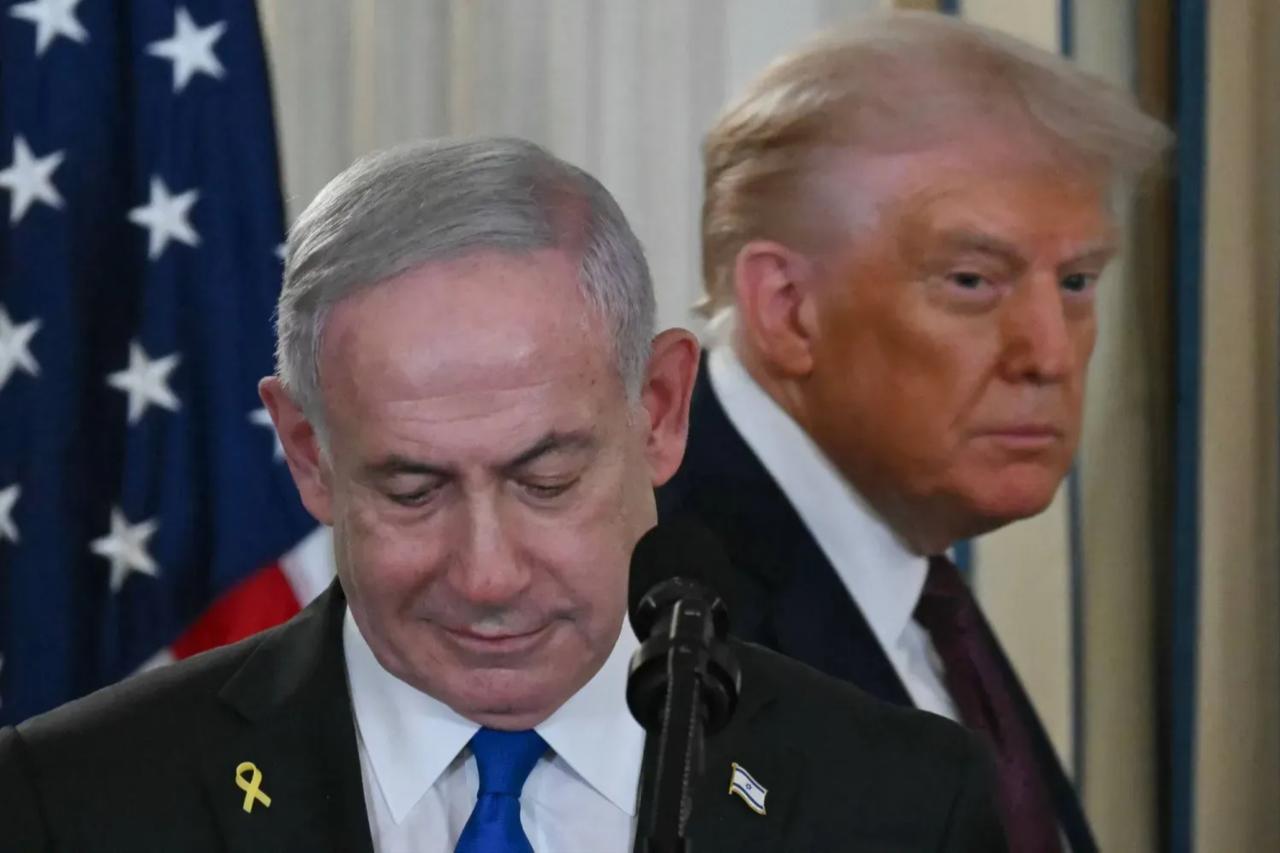
Asked whether he and Israeli Prime Minister Benjamin Netanyahu were on the "same page on Iran," Trump replied: "Yeah. He'll do whatever I want him to do. He's a very, very good man."
Saudi Arabia said Wednesday it "looks forward" to Iran responding urgently to efforts to advance talks with the U.S.
"Saudi Arabia looks forward to Iran seizing the opportunity to avoid the dangerous implications of escalation and urgently responding to the efforts to advance the negotiations leading up to a comprehensive agreement to achieve lasting peace in the region and the world," Saudi Foreign Minister Prince Faisal bin Farhan said in a statement.
Bin Farhan expressed Riyadh's appreciation for Trump's decision to give diplomacy a chance and for the Pakistan-led mediation efforts.
Saudi Arabia said it wanted to see freedom of navigation in the Strait of Hormuz restored to its pre-Feb. 28 status.
Regional tensions have escalated since the U.S. and Israel launched strikes against Iran in February.
Tehran retaliated with strikes targeting Israel as well as U.S. allies in the Gulf, along with the closure of the Strait of Hormuz.
A ceasefire took effect on April 8 through Pakistani mediation, but talks in Islamabad failed to secure a lasting agreement. U.S. President Donald Trump later extended the truce indefinitely while maintaining a blockade on vessels traveling to or from Iranian ports through the strategic waterway.


 Set as preferred source
 Set as preferred source


 1 min read
 1 min read