

 Newsletters


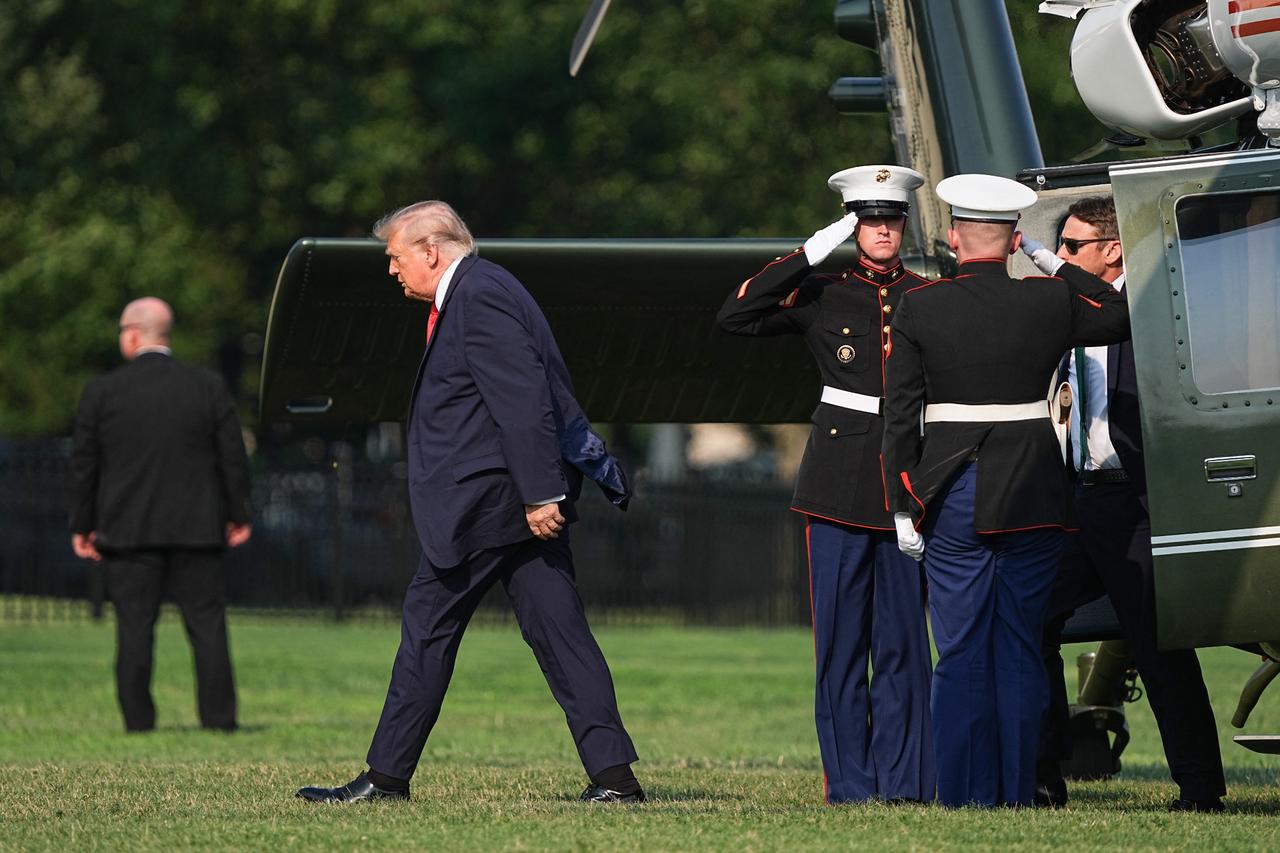


U.S. strikes on Iran meant to force open the Strait of Hormuz are also degrading Iranian military capabilities the U.S. wants destroyed before any bigger operation against Tehran, three officials told Reuters.
The strikes come as President Donald Trump weighs escalatory options nearly five months into the conflict.
The officials, granted anonymity by Reuters to discuss military matters, said the strikes effectively expand Trump's available military options going forward.
One official described the campaign as "shaping operations" intended to degrade Iranian defenses in case more intensive operations are ordered later.
"This is helping set the stage, if needed," the official told Reuters.
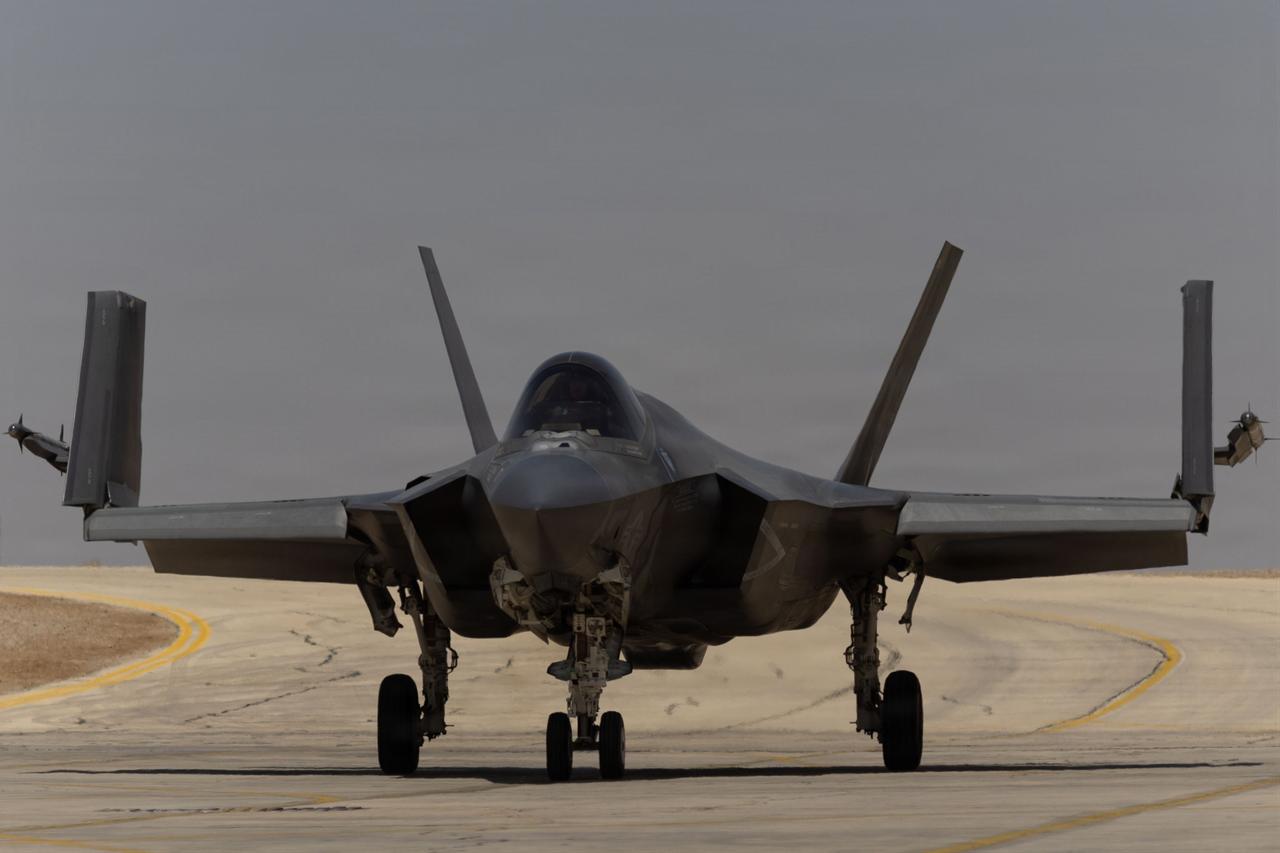
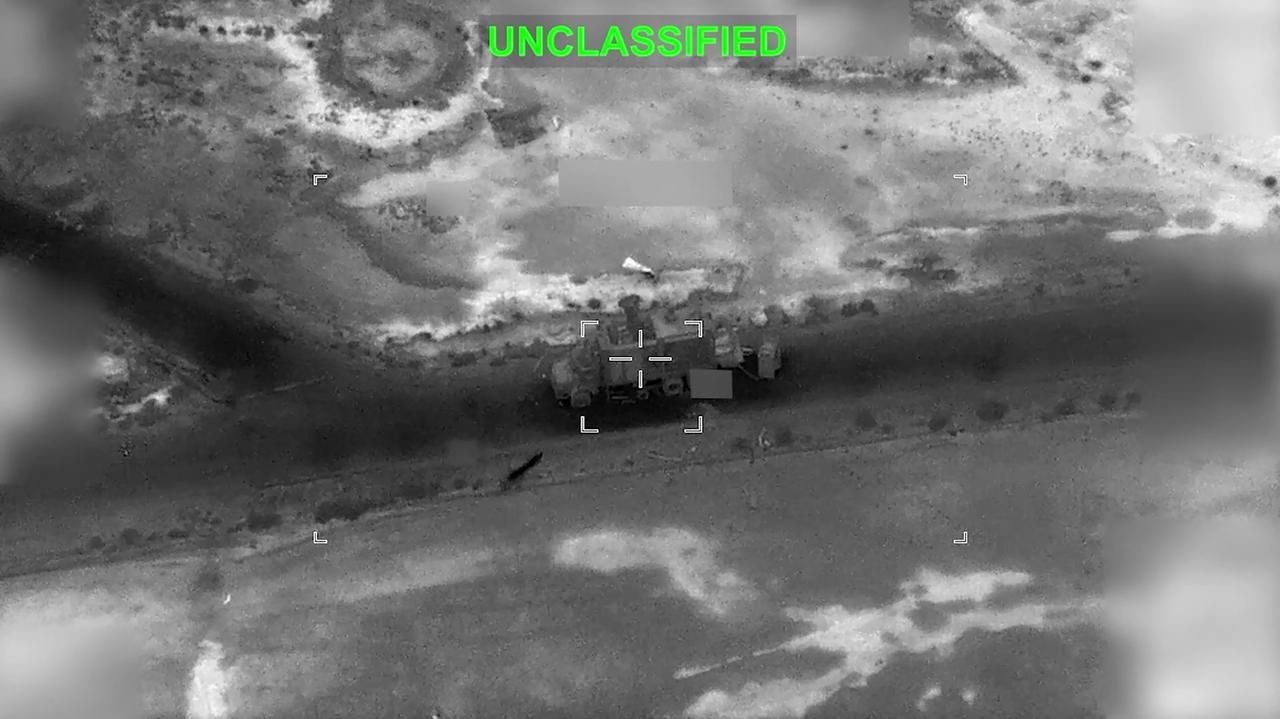
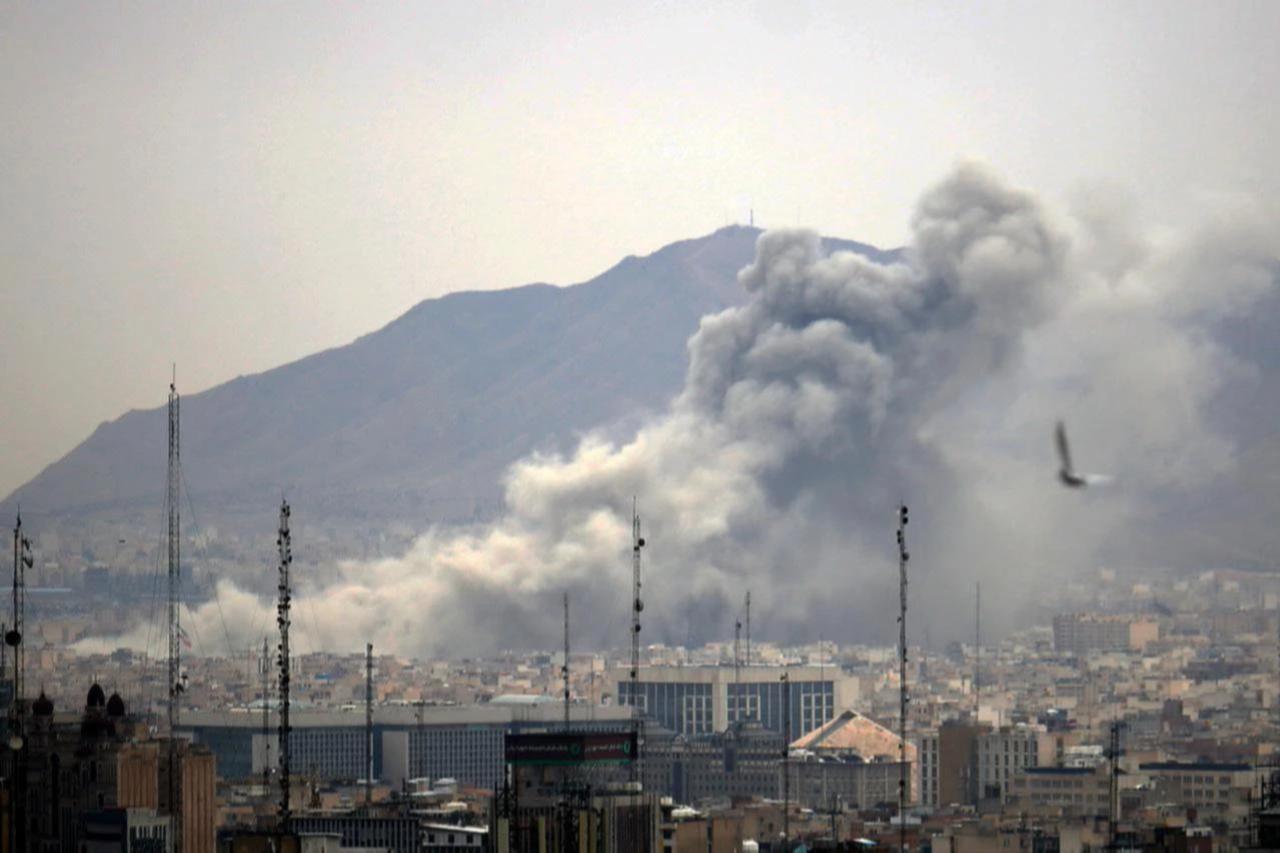
The U.S. military has said its recent strikes have targeted Iranian air defense systems, coastal radar, missile and drone sites, and small boats and other maritime assets.
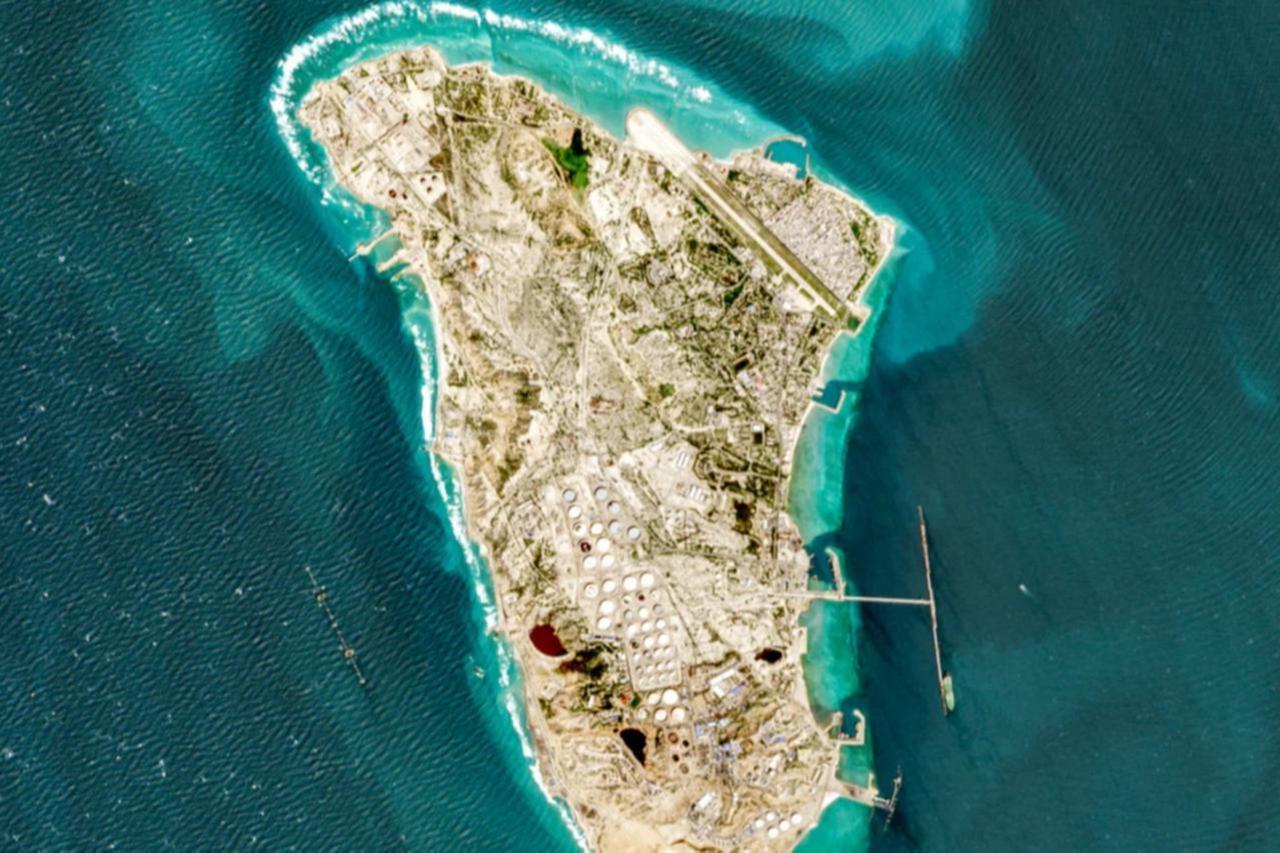
Reuters reported in March that U.S. military planners had also discussed deploying ground forces to secure Iran's shoreline and to Kharg Island, the hub for roughly 90% of Iran's oil exports, an operation officials and analysts describe as risky given Iran's ability to strike the island with missiles and drones from the mainland.

Trump told Fox News on Wednesday that he had previously ordered the military to avoid striking Iran's oil facilities on Kharg Island, but left open the possibility of seizing the island outright.
"If we degrade them far enough and deep enough back, I would do that," he said.
Trump warned the U.S. would continue striking Iran "until I say it's enough," telling Fox News reporter Trey Yingst that energy infrastructure would be targeted next.
"I'll save the energy targets for last, but ultimately we'll hit energy targets," Trump said.
"We're going to hit them very hard tonight. We're going to hit them very hard tomorrow night. We're going to hit them very hard the night after, and then next week it gets really bad for them because next week comes the power plants," he said, adding: "Next week comes the bridges. We're going to knock out all their power plants. We're going to knock out all their bridges unless they get to the table and negotiate."
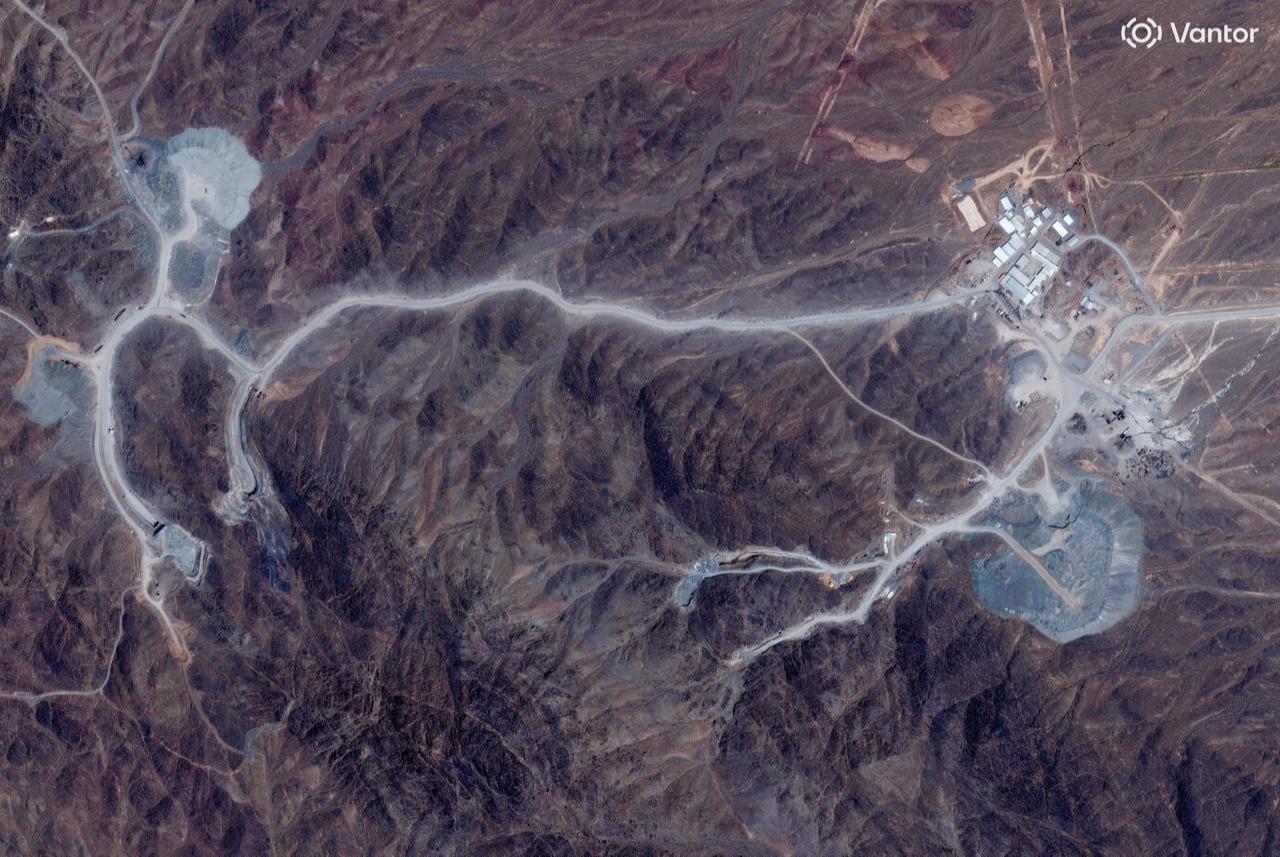
According to the Wall Street Journal (WSJ), Trump has also discussed bombing a site known as Pickaxe Mountain, a fortified facility linked to Iran's nuclear program, built into tunnels roughly 300 to 475 feet beneath a mountain peak near one of Tehran's main nuclear sites, deeper than the Natanz and Fordow enrichment sites the U.S. and Israel struck in 2025.
The Journal reported the site is believed to be incomplete, and that its depth may put it beyond the reach of direct hits from U.S. bunker-buster bombs; unlike Fordow, where U.S. strikes targeted ventilation shafts running to the site's underground halls, publicly available satellite imagery has not exposed clear ventilation locations at Pickaxe Mountain, according to the Journal.
The Journal reported that the site's dependence on power supplies, equipment deliveries, and construction personnel could present alternative vulnerabilities.
"If they make any move" toward turning Pickaxe Mountain into a functioning nuclear site, "we immediately go and do whatever we have to do, but they haven't," Trump told Fox News Wednesday, adding: "Nobody knows if they even are doing anything at Pickaxe, it's just something that comes up."
He said U.S. bunker-buster bombs "can go deep." Separately, Trump told radio host Hugh Hewitt this week: "We're going to take out Pickaxe Mountain."
The Journal reported that Trump hosted a Situation Room meeting Tuesday evening to discuss the potential seizure of Kharg Island and other territory along the Strait of Hormuz using U.S. troops, as well as the potential bombing of the Pickaxe Mountain tunnel complex.
Expanding airstrikes to additional targets in Iran, including energy sites, also remained under consideration, according to the Journal, which said the discussion was one of several formal and informal conversations Trump has held in recent days with Vice President JD Vance, Defense Secretary Pete Hegseth, Secretary of State Marco Rubio and Joint Chiefs of Staff Chairman Gen. Dan Caine.
Axios first reported on the Situation Room discussions.
Analysts cited by the Journal pointed to islands including Abu Musa, Greater Tunb and Lesser Tunb as other possible targets for a similar occupation strategy, though U.S. troops would face similar vulnerabilities there.
Retired Marine Gen. Frank McKenzie said on CBS News's "Face the Nation" that the U.S. should still consider a Kharg Island operation.
"That's something we should think about doing because possession of Iranian soil would be a significant factor in future negotiations with Iran," he said.
Mark Cancian, a retired U.S. Marine officer at the Center for Strategic and International Studies, said Trump's willingness to publicly discuss options like seizing Kharg Island cuts both ways: it could unsettle Iranian leadership and aid diplomacy, but is "bad for the military, because we're saying where we might be going," he told Reuters.
Imran Bayoumi, a former Pentagon official now with the Atlantic Council, told Reuters that Trump's recent public comments on Iran appeared aimed at pressuring Tehran in negotiations and keeping it uncertain about next steps.
"I would separate the noise from the actions," Bayoumi said, adding, "I would expect the discussions between him and his national security team are looking a bit different than what he's posting online."
The Journal reported that Trump has not made a final decision on next steps and continues to say, privately and publicly, that he would prefer a diplomatic resolution, though Iran has not agreed to surrender its nuclear stockpile despite weeks of strikes and an interim deal that would have allowed it to sell oil openly.
Some U.S. officials told the Journal that Trump remains reluctant to commit ground forces and has previously walked back his biggest public threats, including on Kharg Island and Iran's oil industry.
Speaking Wednesday at a Defense and Innovation Summit in Pennsylvania, Trump said Iran is eager to reach a deal.
"We're doing really well with Iran. The Islamic Republic of Iran is not happy right now," he said, adding, "They want to settle so badly. They don't like what we're doing, and they do want to settle. We'll find out whether or not we settle with them, or we just finish it off."
Trump also said, "We'll have Iran defeated soon. They'll be defeated very soon."


 Set as preferred source
 Set as preferred source


 1 min read
 1 min read



