Newsletters


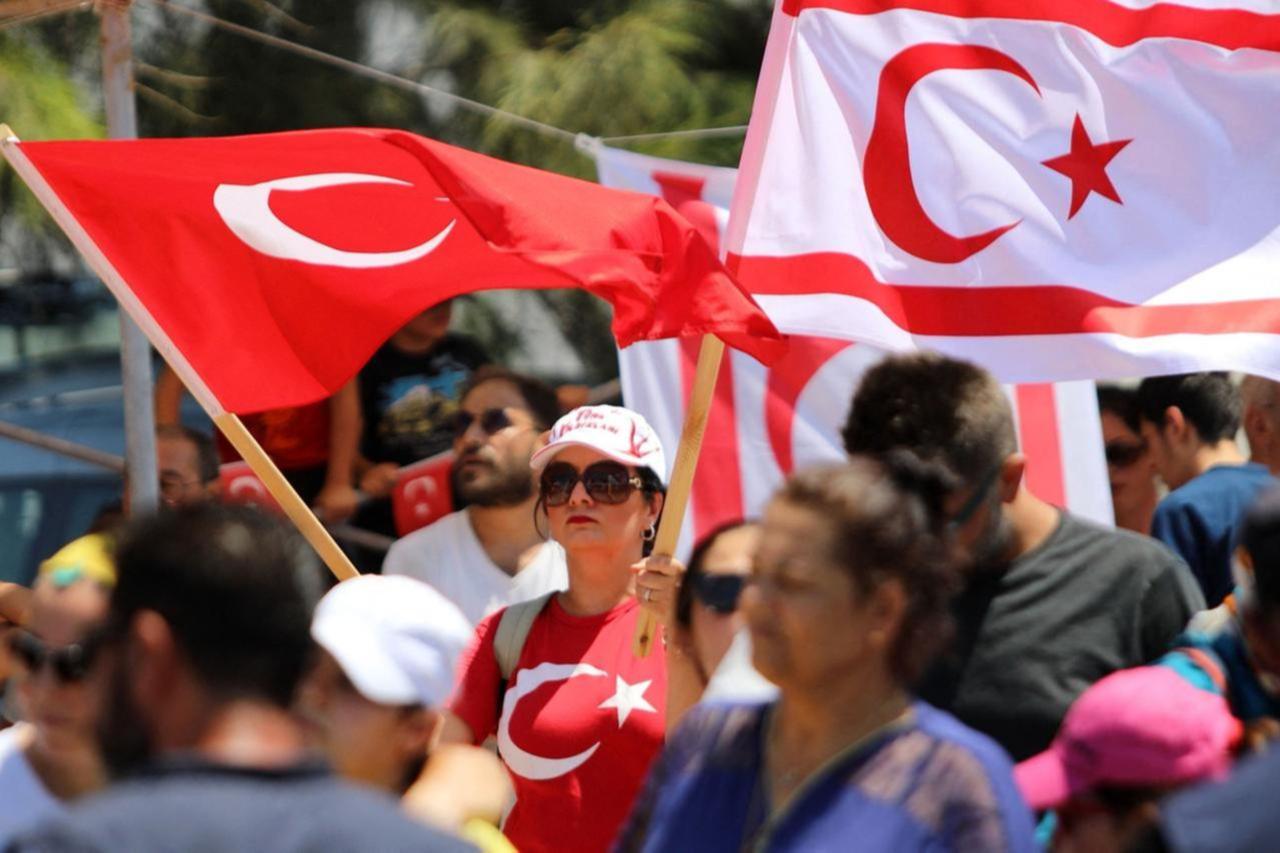


Turkish Cyprus Prime Minister Unal Ustel reacted to statements by the Greek Cypriot government portraying Türkiye as an “occupier” on the island, saying such claims deliberately ignore the attacks, massacres, forced displacement and inhumane isolation endured by the Turkish Cypriot people since 1963.
According to a statement from the Turkish Republic of Northern Cyprus (TRNC) Prime Ministry, Ustel was responding to remarks made by Greek Cypriot leader Nikos Christodoulides during his speech at the plenary session of the European Parliament.
“Cypriots keep alive the unfulfilled promise of reunification. European integration cannot be complete as long as one Member State remains divided and under illegal occupation, as long as Greek Cypriots and Turkish Cypriots do not enjoy the same fundamental rights as all other Europeans,” Christodoulides said Tuesday.
Ustel said the one-sided approach to the Cyprus issue—distorting facts and disregarding the Turkish Cypriot people—was once again reflected in Christodoulides’ address to the European Parliament.
“The Turkish Cypriot people have their own will, state and institutions, and this reality cannot be ignored,” he said.
He said the root of the Cyprus problem lies in the Greek Cypriot side’s long-standing insistence on exclusive sovereignty, its treatment of Turkish Cypriots as a minority and its rejection of political equality.
“Statements made today through the rhetoric of ‘occupation’ deliberately overlook the attacks, massacres, forced migrations and inhumane isolation that the Turkish Cypriot people have been subjected to since 1963,” Ustel said.
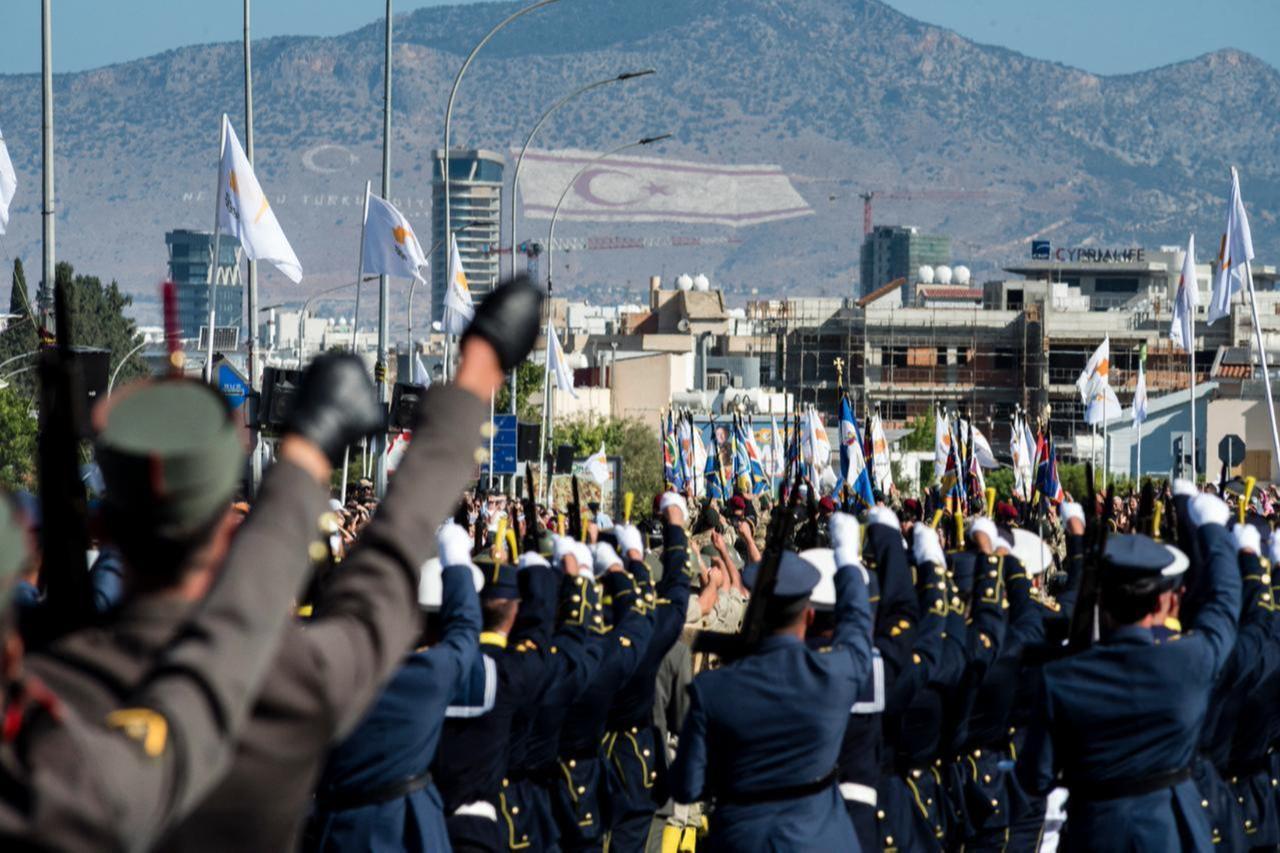

Ustel said Turkish Cypriots paid a heavy price to ensure their security and survival on the island.
“The step taken by guarantor Türkiye in 1974 was not an occupation but a legitimate Peace Operation that saved the Turkish Cypriot people from annihilation. This historical truth cannot be changed by speeches delivered from any political platform,” he said.
Ustel said the European Union’s decision to admit the Greek Cypriot side while disregarding the will of the Turkish Cypriot people disrupted the balance on the island and weakened prospects for a settlement.
“At this point, the claim that the EU is a neutral actor in finding a solution does not align with practices on the ground,” he said.
He said a settlement is only possible if the Greek Cypriot side abandons claims of sole sovereignty and sole representation.
“A permanent, fair and sustainable solution in Cyprus is only possible with the acceptance of two sovereign equal states and the equal international status of two peoples. The Turkish Cypriot people have their own will, state and institutions, and this fact cannot be denied,” Ustel said.
He said the TRNC’s message is clear.
“Without confronting realities, relying on one-sided narratives of the past, and ignoring the rights of the Turkish Cypriot people, no progress can be achieved. Peace in Cyprus can only be established through equality, mutual respect and recognition of sovereignty,” Ustel said.
He added that Turkish Cypriots would continue to determine their own future with determination, as they have done in the past.
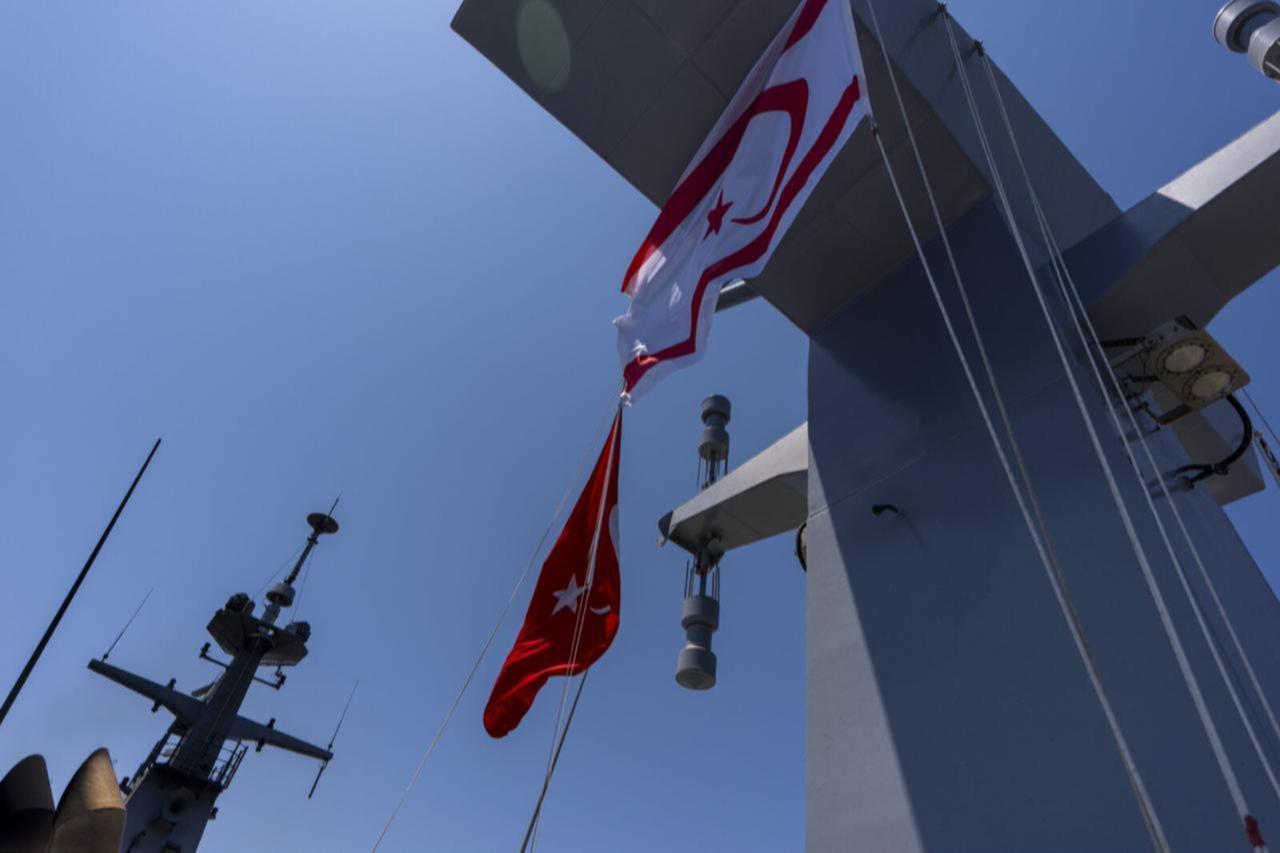
According to the Turkish Agency Cyprus, Ziya Ozturkler, speaker of the TRNC Assembly, also responded to Christodoulides’ claim that “Cyprus is the only EU member state under occupation” during a program on Bayrak Radio Television.
Emphasizing that Turkish Cypriots are one of the island’s founding communities, Ozturkler said: “Those who occupied the Republic of Cyprus, staged a coup and massacred Turkish Cypriots were the Greek Cyots. Therefore, we return this rhetoric to its owner.”
Ozturkler said Christodoulides maintains an approach that distorts historical facts and ignores the will of the Turkish Cypriot people.
He said Türkiye would respond appropriately.
“Türkiye’s determination and strength will ensure that such provocations yield no results. As the Turkish Cypriot people, we support this stance and continue our solidarity to establish peace and security in our region,” Ozturkler said.
 1 min read
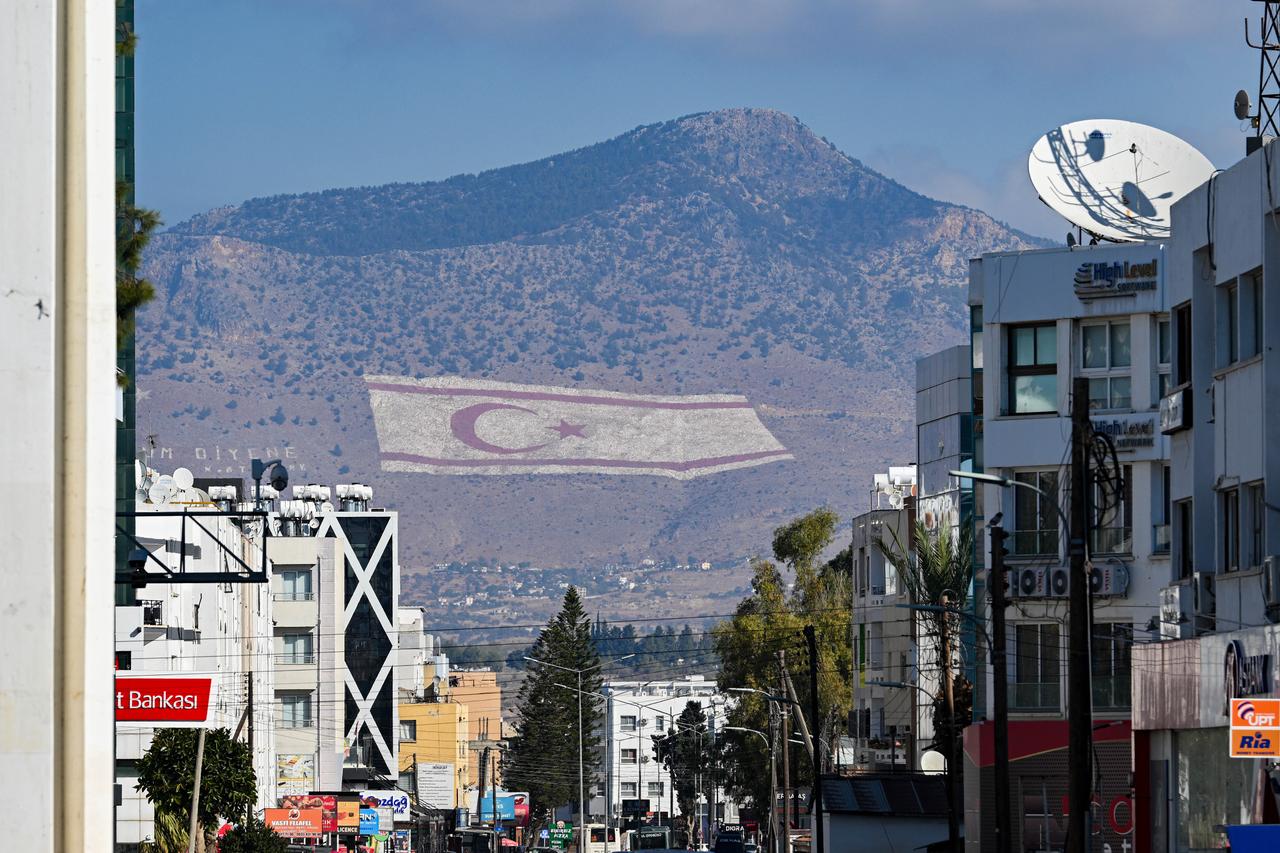
Cyprus has been divided for decades between Greek Cypriots and Turkish Cypriots despite repeated United Nations-led efforts to reach a comprehensive settlement.
Intercommunal violence beginning in the early 1960s forced Turkish Cypriots to withdraw into enclaves for their safety.
In 1974, a Greek Cypriot coup aimed at annexing the island to Greece prompted Türkiye’s military intervention as a guarantor power to protect Turkish Cypriots from violence and persecution. The TRNC was declared in 1983.
Peace efforts have stalled repeatedly in recent years, including a failed 2017 initiative in Switzerland under the auspices of guarantor powers Türkiye, Greece and the United Kingdom.
The Greek Cypriot Administration joined the European Union in 2004, the same year Greek Cypriots rejected a U.N.-backed plan to resolve the dispute.


 Set as preferred source
 Set as preferred source


 1 min read