Newsletters


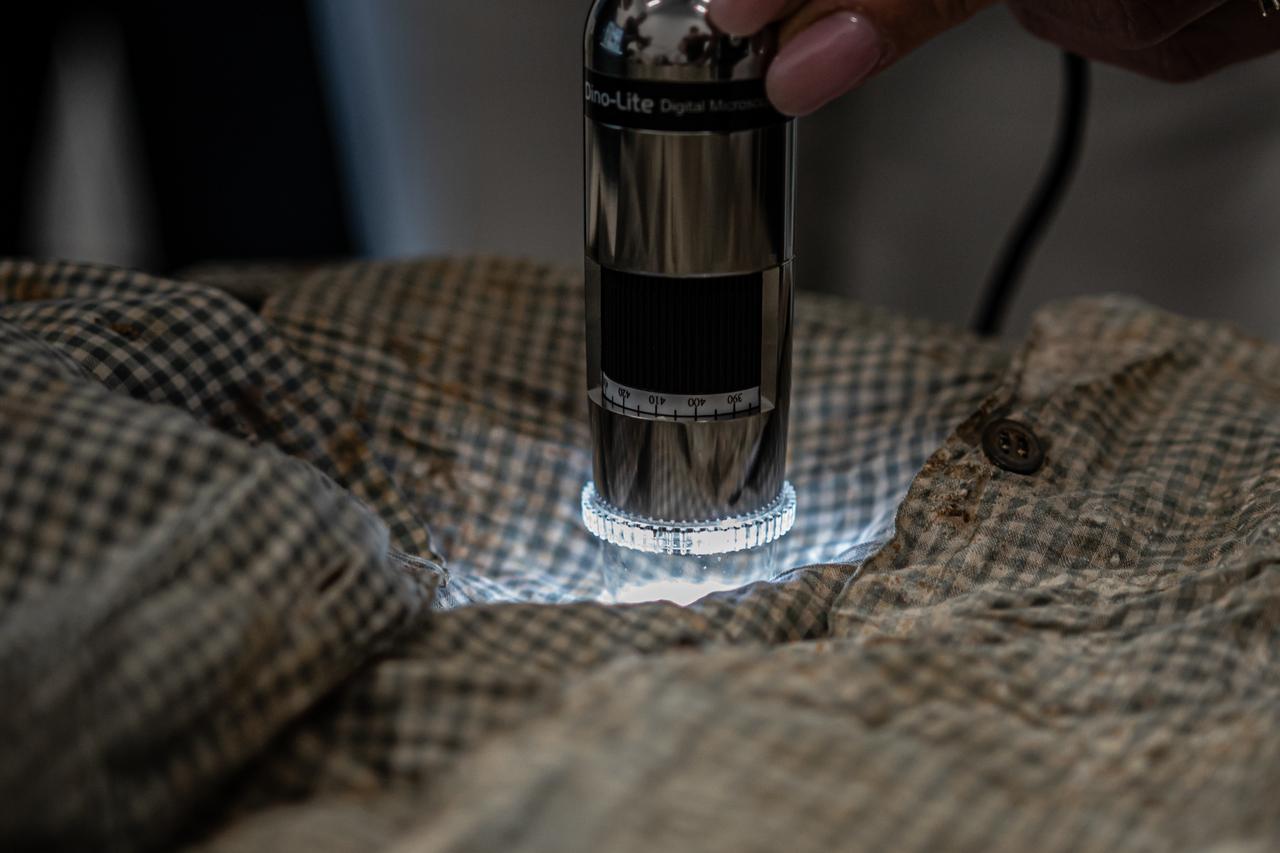


The Turkish Cooperation and Coordination Agency (TIKA) has initiated a new project aimed at the preservation of personal belongings belonging to victims of the 1995 Srebrenica genocide, one of the most tragic events of the Bosnian war.
The initiative is being carried out in cooperation with the Srebrenica Memorial Center under the framework of the “Traces of Memory: Experience Sharing Program.”
Within this scope, conservation, museology and cultural heritage specialists from Türkiye’s Ministry of Culture and Tourism conducted technical visits to the Srebrenica Memorial Center to assess preservation conditions of the collection.
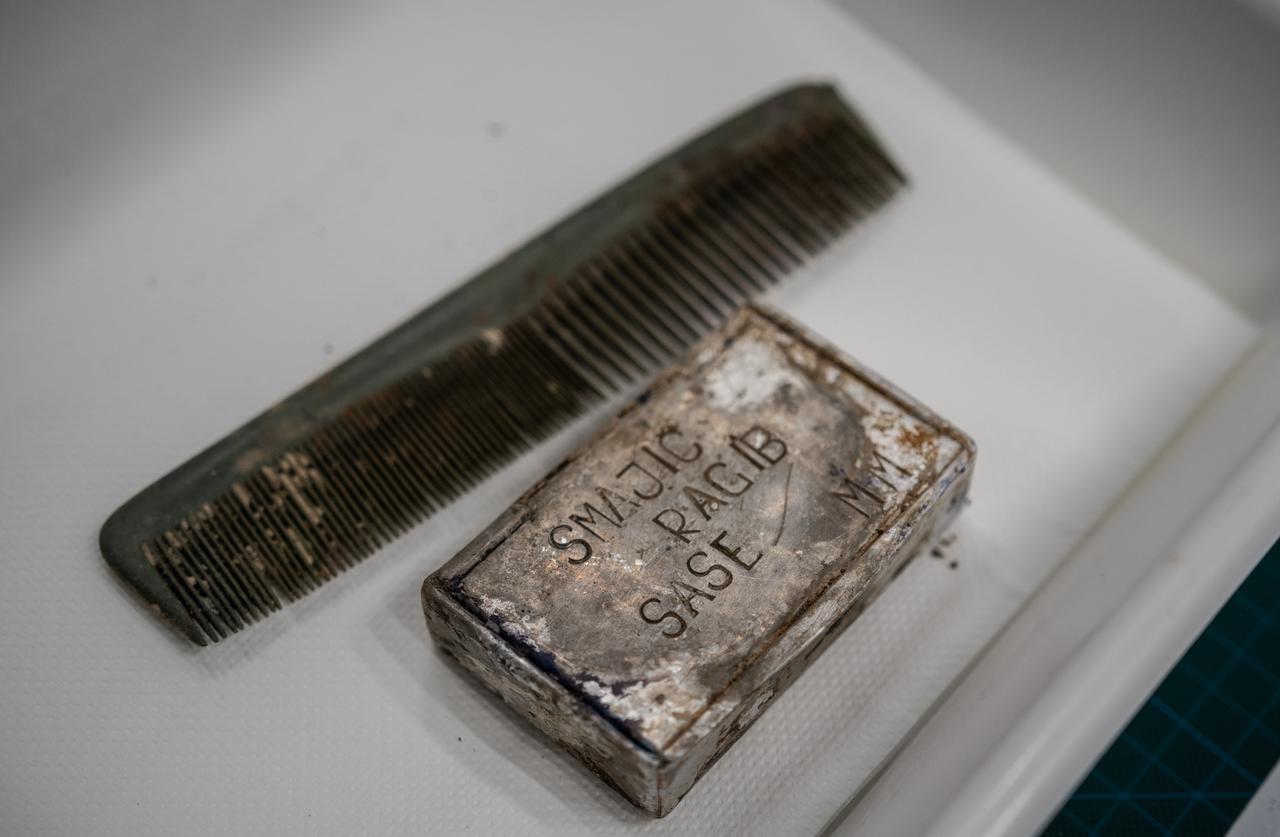
According to officials, more than 12,000 personal items belonging to genocide victims are preserved at the Srebrenica Memorial Center.
The collection includes materials such as fabric, leather, paper, metal and plastic, all of which require specialized conservation measures to prevent deterioration and ensure long-term preservation.
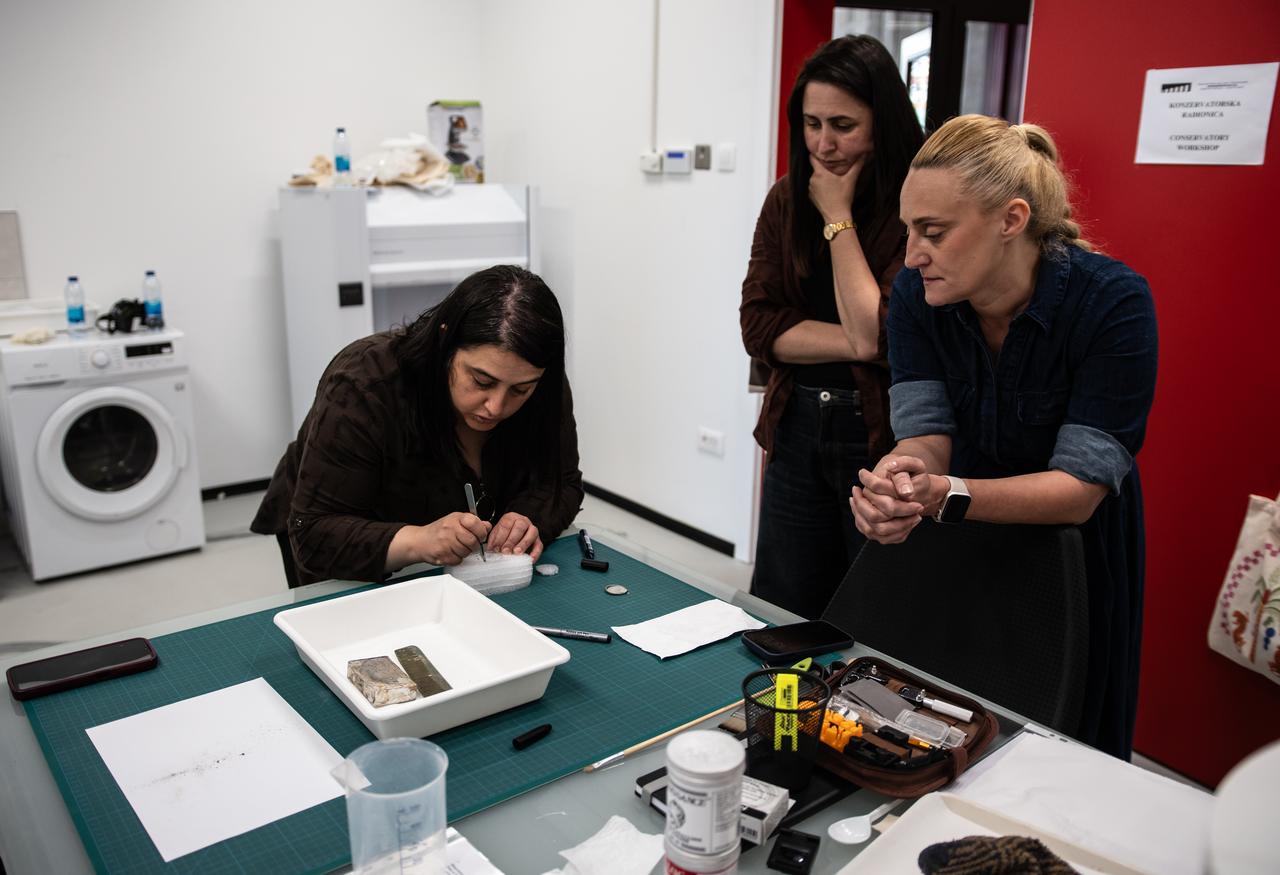

The program aims to transfer Türkiye’s expertise in cultural heritage protection to relevant institutions in Bosnia and Herzegovina and to strengthen bilateral cooperation in the field of museology.
Following initial field assessments, experts identified key preservation needs and prepared a roadmap for technical assistance and capacity-building activities intended to improve conservation standards at the center.
The Srebrenica Memorial Center stated that the preserved belongings represent not only physical evidence of the victims’ lives but also powerful symbols of personal stories and collective memory.
The institution emphasized that its protection constitutes both a technical responsibility and a moral obligation to preserve historical memory for future generations.
In July 1995, Srebrenica was captured by Bosnian Serb forces under the command of Ratko Mladic, despite the town being designated a United Nations-protected safe area during the Bosnian War.
Following the fall of the enclave, thousands of Bosniak civilians who had sought refuge with Dutch U.N. peacekeeping forces were subsequently handed over to Bosnian Serb units.
At least 8,372 Bosniak men and boys were systematically killed in executions carried out in forests, factories, and warehouses across eastern Bosnia.
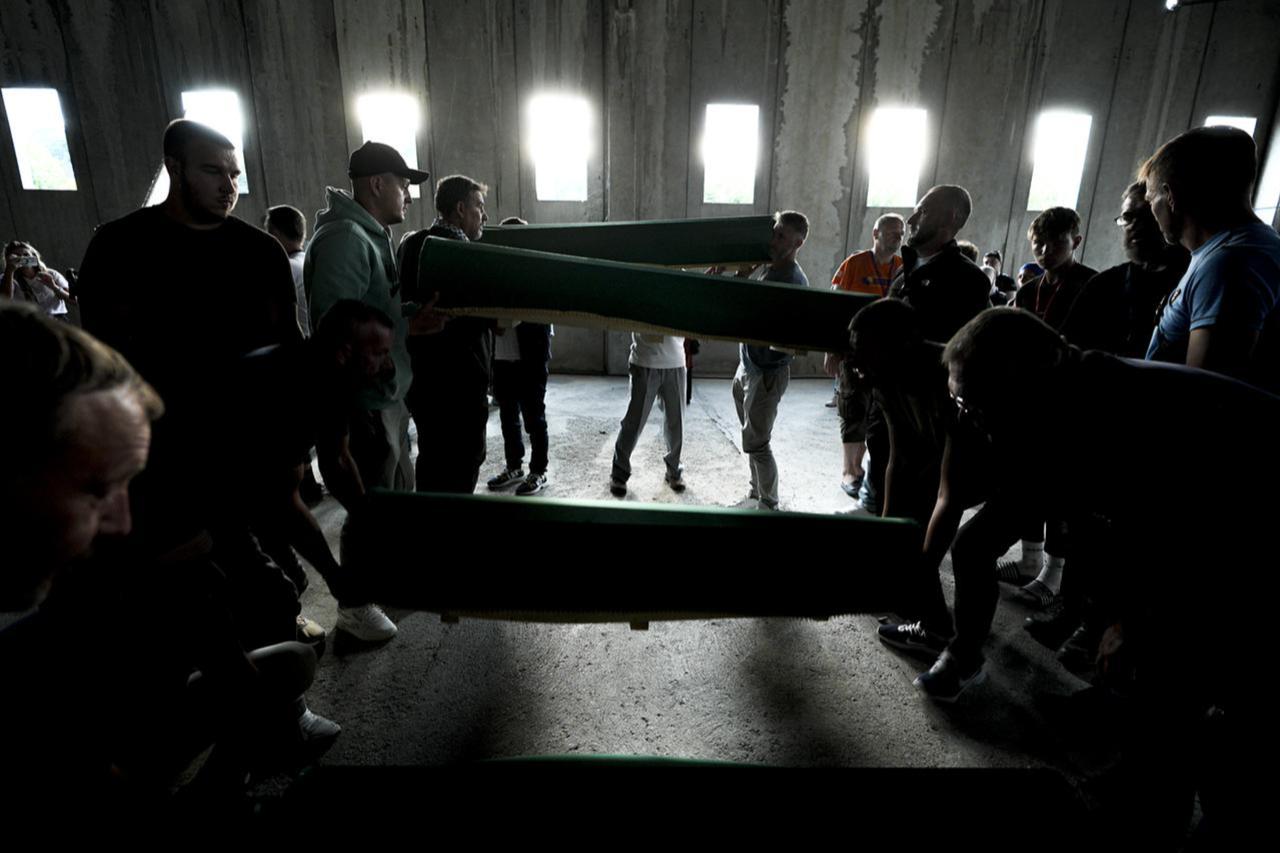
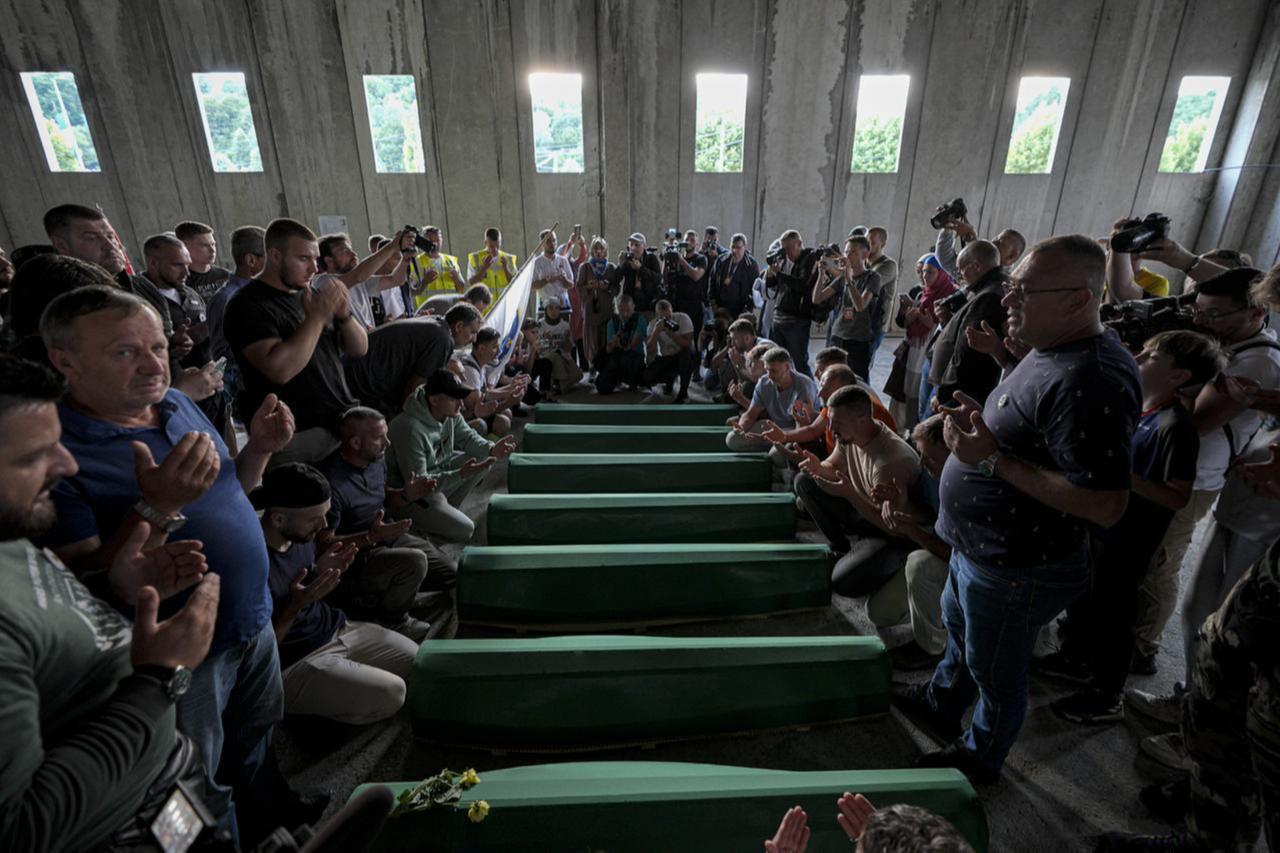
Their remains were later buried in mass graves, many of which have been uncovered in the decades since the war. Identification efforts continue, and victims whose remains are identified are interred annually on July 11 at the Potocari Memorial Cemetery.
More than 1,000 victims of the massacre are still unaccounted for, despite ongoing forensic and investigative efforts.


 Set as preferred source
 Set as preferred source


 1 min read
 1 min read