Newsletters


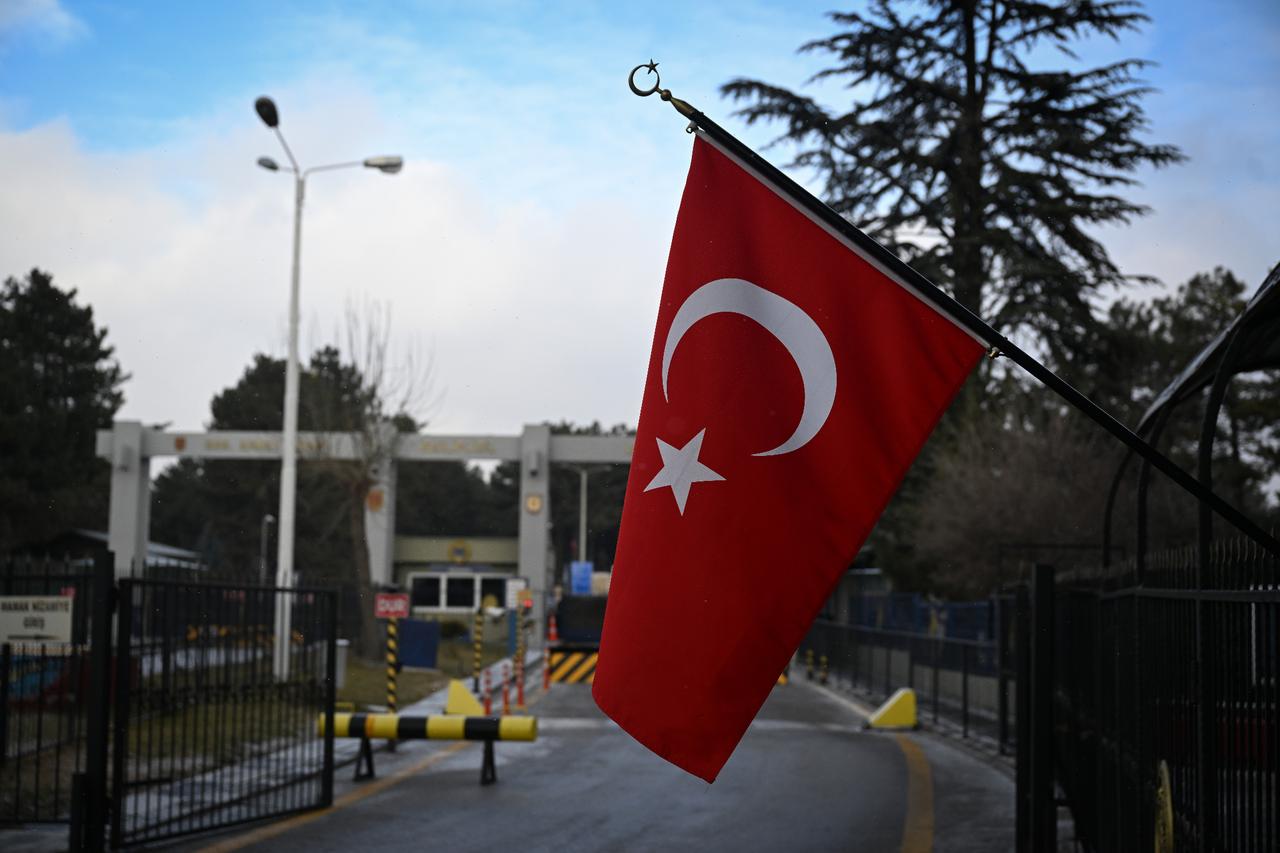


Türkiye has prepared for all possible scenarios in Syria as the United States closes a 15-year chapter with the YPG/SDF and the terrorist group's "project dies" on the ground, Turkish columnist Hande Firat wrote in Hurriyet on Thursday.
"America has begun closing the model it built with YPG/SDF over 15 years. In fact, there is no longer a structure called SDF—with the departure of Arab tribes, what remains is YPG," Firat wrote.
"Ankara has made preparations for all possibilities on the ground," she added.
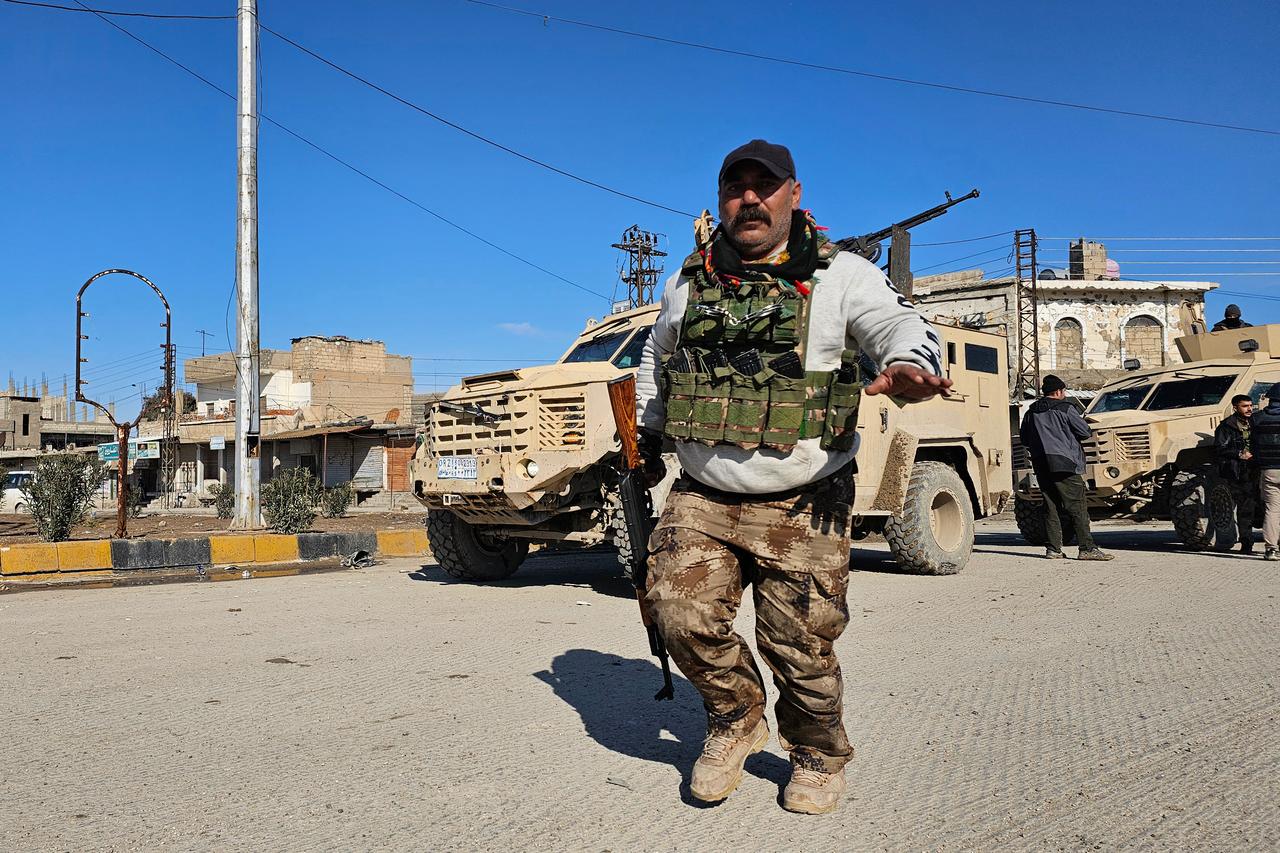
The Turkish columnist wrote that the YPG/SDF lost nearly two-thirds of the territory it controlled within 10 days, representing not just a map change but the severing of the organization's logistics, finance and connection lines."
Key losses include al-Yarubiyah crossing, which served as the transit point for the Sinjar connection to Iraq and was critical for the Qandil route. The columnist described this as "a strategic rupture weakening the SDF's Qandil connection."
Other significant developments include the severance of the Ain al-Arab-Hasakah connection, the Suleyman Shah line falling under the control of a Turkmen battalion commanded by Fehim Isa, the capture of Karakozak village and the critical bridge near Tishrin Dam, and the Omar oil and gas fields coming under Damascus control.
"This shows the organization is retreating not only militarily but also on the economic autonomy front. Oil, gas, border crossings ... These are the lifeline of a 'political project' for an organization. When the lifeline is cut, ideology alone is not enough," Firat wrote.

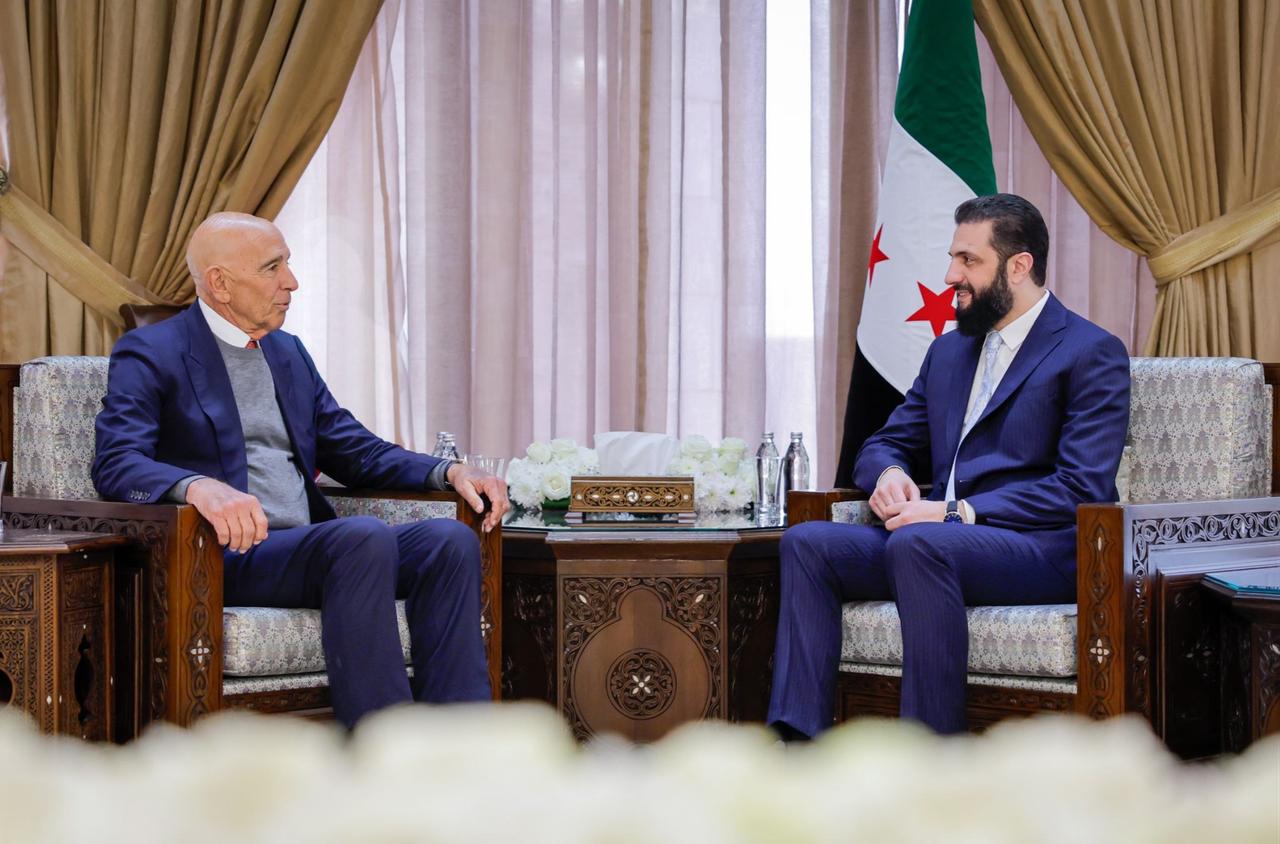
Firat argued that statements from both Trump and U.S. Ambassador to Türkiye and Special Envoy for Syria Tom Barrack clearly showed Washington closing the chapter and revealing its new policy.
"Washington saw all of Ankara's sensitivities and withdrew the statement 'there is no functional central state in Syria' and decided to do what is necessary to strengthen that central state," she wrote.
The columnist noted Barrack's statement, while appearing to be a "soft text" focused on Kurdish rights, contained a key message in diplomatic language: "The model established with YPG/SDF is no longer sustainable; the file is being transferred to Damascus."
"This is one of the clearest texts showing that Washington's 15-year 'tactical partnership' is not turning into a strategy," Firat added.
Firat also reported that with the departure of Arab tribes, the SDF has effectively shrunk and only the YPG remains.
"While the SDF's total capacity appears to be 63,000, effective armed elements are around 45,000, of which 40,000 came from Arab tribes. When the tribes withdrew, around 10,000 core members remained," she wrote.
"Angry statements from Qandil are an expected picture. Because the biggest loss on the ground is not just territorial loss but 'the death of the project,'" she added.
 1 min read
Turkish columnist identified two simultaneous risks for Türkiye: the shrinking organization becoming aggressive as a "last move" on the ground, and protest/tension attempts within Türkiye.
The columnist noted Ankara is closely monitoring not only Syria but also the Iraqi field, particularly Barzani's moves toward a "Kurdish patronage" role.
"Ankara's questioning of Barzani as 'alliance with SDF?' shows how sensitive this file is for Ankara. Because a dissolving structure in Syria may seek a new 'buffer' in Iraq. We should also note that Ankara will not allow this and has conveyed its determination," Firat wrote.
Firat reported that unless there is a different development, a Barrack-Mazloum Abdi meeting is expected in Erbil on Thursday.
"The equation for Damascus and Ankara is: If implementation steps come, integration; if not, operations continue," Firat wrote.
"The hourglass has been turned upside down. Sand is flowing from the upper chamber. Each grain of sand makes it a little more certain that an era has ended," she concluded.
The organization has lost the two fundamental points on which it based its existence: the Daesh file was given to the Syrian state, and a decree was issued for the constitutional rights of the Kurdish people, with various positions given to them in the government under the agreement, Firat noted.
"In short, they need to see that the curtain is closing and end the game with integration as the curtain falls," she wrote.


 Set as preferred source
 Set as preferred source


 1 min read