Newsletters




Foreign Minister Hakan Fidan said the SDF conducts certain activities in coordination with Israel, a reality he said has become a major obstacle in talks aimed at integrating the group into the Syrian administration.
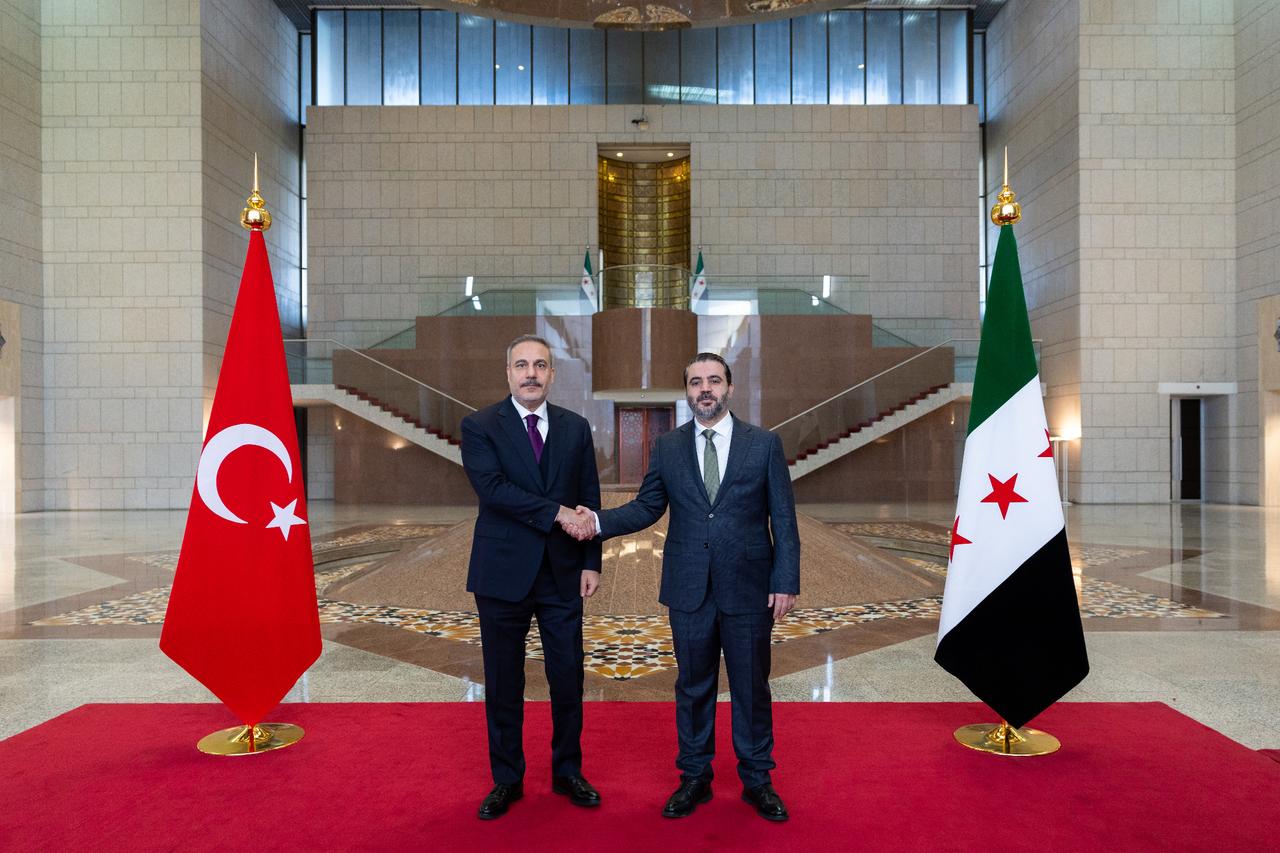
Fidan made the remarks at a joint press conference in Damascus with Syrian Foreign Minister Asaad Hassan al-Shaibani following their bilateral talks.
“We see that the SDF has no intention of making much progress,” Fidan said.
“The fact that the SDF carries out certain activities in coordination with Israel currently constitutes a major obstacle in the talks being conducted with Damascus.”
Fidan said it is important for the SDF to integrate into the Syrian administration through dialogue and reconciliation in a way that benefits all sides and to stop acting as an obstacle to Syria’s stability.
He said discussions with his Syrian counterpart covered a wide range of issues, including bilateral relations, regional security and threats to Syria’s stability, stressing that Syria’s stability is directly linked to Türkiye’s own security.
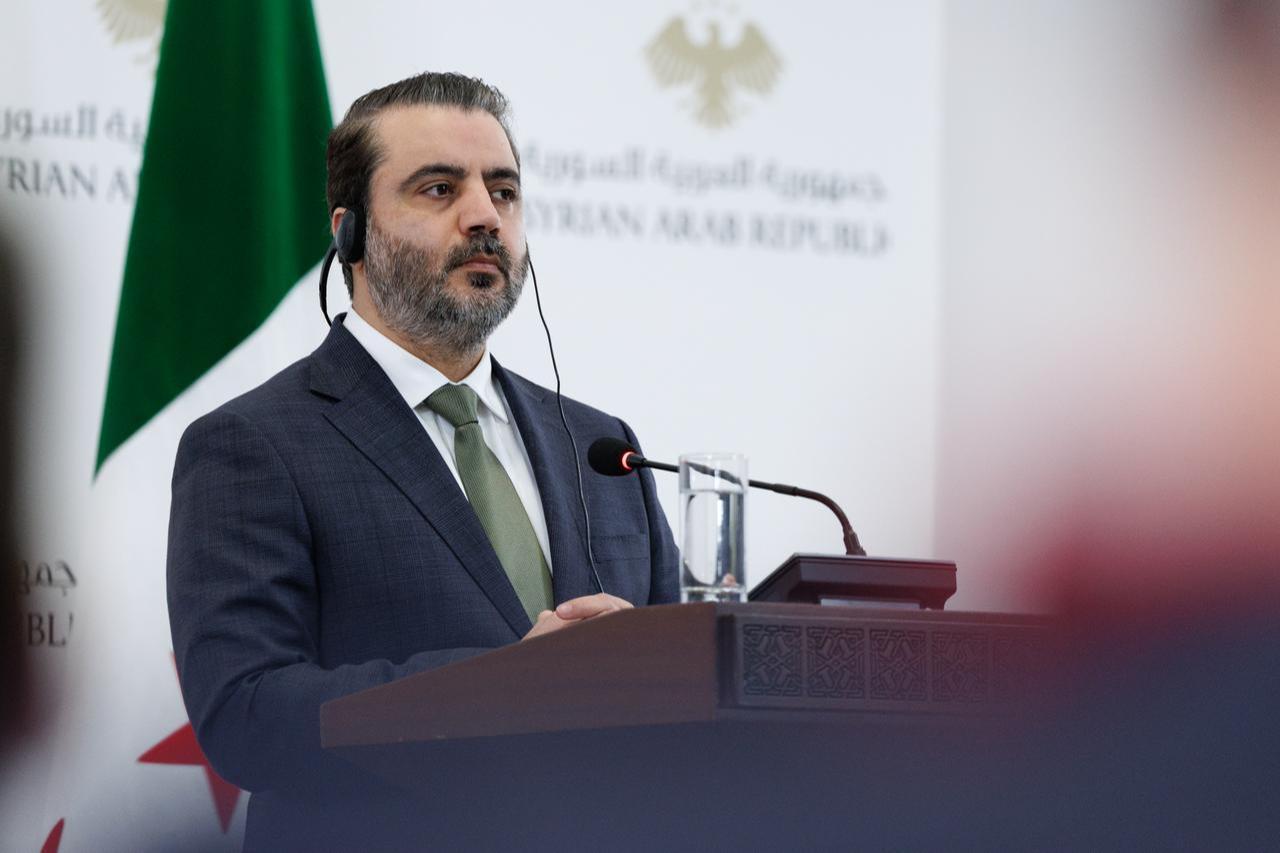
Al-Shaibani also addressed the issue of Syria’s northeast, saying authorities have not seen any willingness from the SDF regarding integration.
He said the Syrian state will give greater importance to the Jazira region and emphasized that the state will be present there.
 1 min read
Fidan said Israel adopting an approach based on mutual consent with regional countries, rather than pursuing expansionist policies, would contribute to regional stability.
On Gaza, Fidan said Türkiye expects the second phase of the ceasefire agreement to begin immediately following a declaration by U.S. President Donald Trump in the first weeks of the new year.
Fidan also pointed to significant progress over the past year in Syria’s stability and security, noting that the repeal of the U.S. Caesar Act sanctions by the U.S. Senate would allow investments to flow into the country.
He described the move as a major contribution to regional stability and thanked Trump and the Washington administration for the decision.
Fidan said he visited Syria as part of a 3+3 format delegation that included Defense Minister Yasar Guler and National Intelligence Organization Chief Ibrahim Kalin. The ministers held what Fidan described as productive meetings with Syrian President Ahmed Shara and other officials, covering bilateral, regional and Syrian issues in strategic detail.
The foreign minister outlined several areas of cooperation discussed during the talks, including trade, the dignified and voluntary return of refugees, logistics, energy and cross-border commerce. He emphasized the importance of connectivity between the two countries, noting that Türkiye and Syria can use each other as transit routes to reach different regions.
Fidan said Turkish sectors, particularly textiles, are looking to establish more systematic and widespread operations in Syria. He added that energy cooperation was also on the agenda, highlighting what he called significant opportunities for regional, economic and commercial collaboration.

"Over the past year, both we and the entire world have seen that the Syrian administration, under the leadership of Mr. Ahmed Shara, has truly established a government that ensures stability and tries to strengthen unity as much as possible," Fidan said.
He expressed satisfaction that the administration has avoided creating fertile ground for terrorism while working to develop trade, adding that Türkiye would continue to support these efforts.
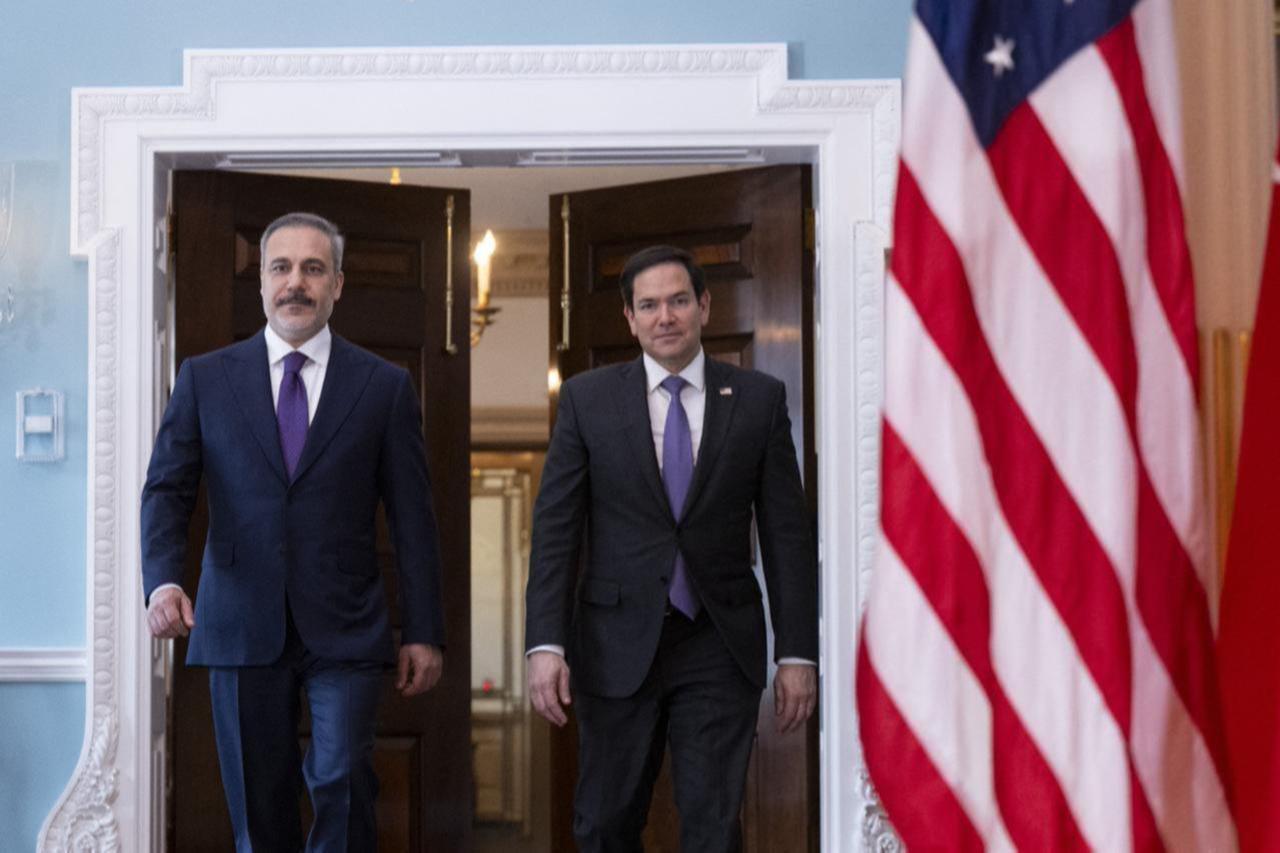
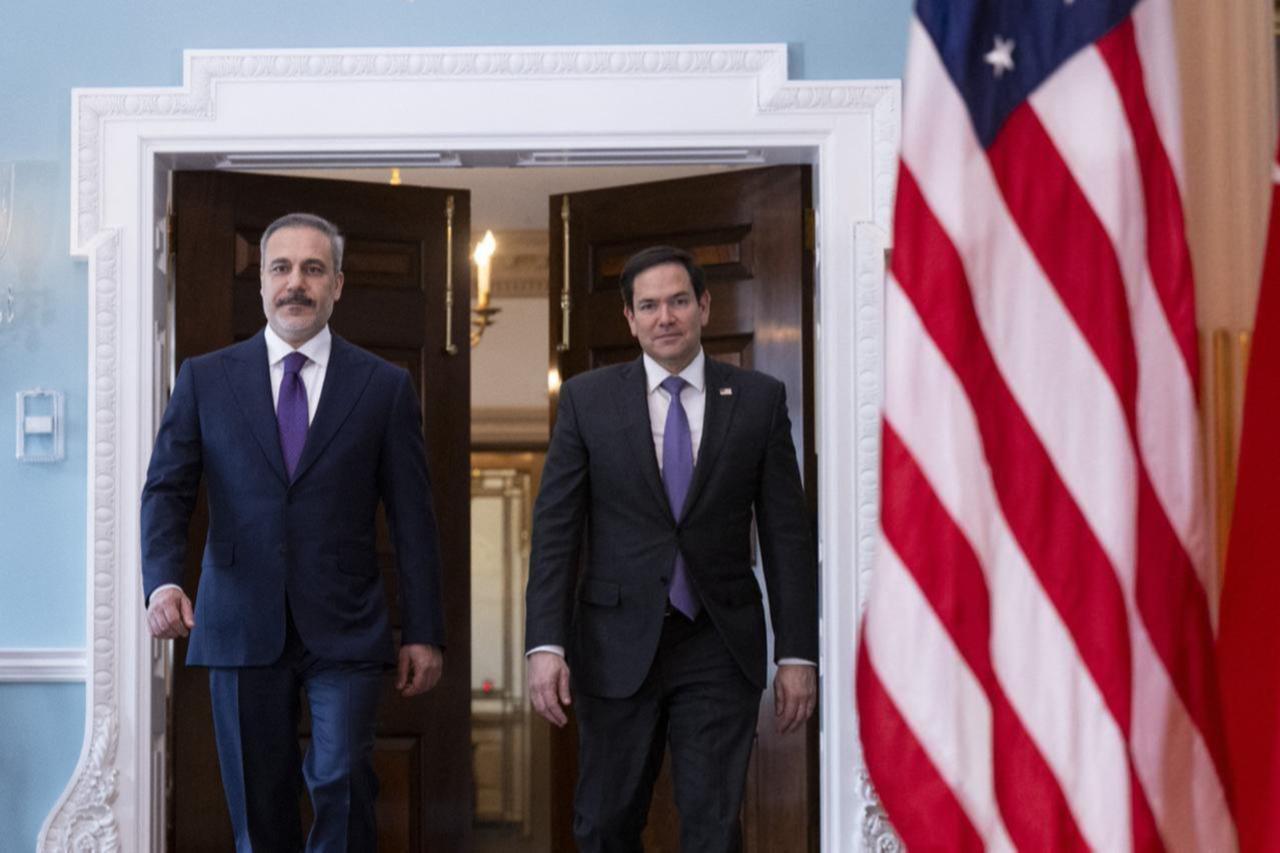
Fidan provided details about a Dec. 19 meeting in Miami attended by officials from the United States, Egypt and Qatar focused on Gaza. He said participants discussed how the process has evolved since the Sharm el-Sheikh Peace Summit, what obstacles have been encountered and what solutions could be developed.
The foreign minister said the U.S. side presented preliminary project work on Gaza's reconstruction during the meeting. Participants also discussed how various bodies outlined in the peace plan, including a Peace Council, could be implemented.
Fidan stressed that transferring governance in Gaza to a Palestinian-led structure should be a priority.


 Set as preferred source
 Set as preferred source



 1 min read