Newsletters




The United Arab Emirates announced Sunday it is shutting its embassy in Tehran and recalling its ambassador, delivering the sharpest diplomatic rebuke from any Gulf state since Iran launched a sweeping missile and drone campaign across the region that has killed four people, wounded dozens, and struck civilian landmarks from Dubai to Doha.
The embassy closure reverses a diplomatic reopening only three years old and signals a dramatic collapse in Gulf-Iran relations at a moment when the oil-rich Arab monarchies find themselves, in the words of security analyst Anna Jacobs, "really on the front lines of this brutal war."
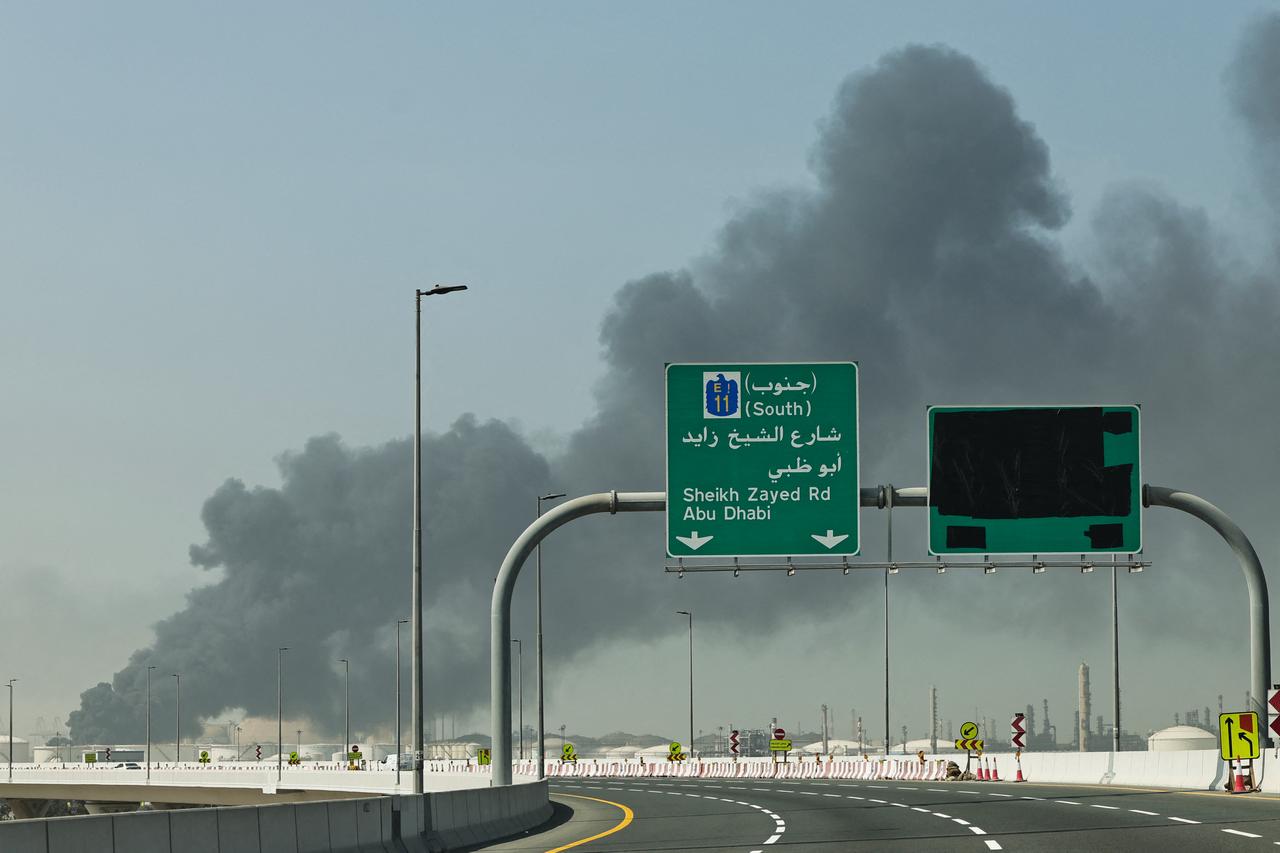

Iran's bombardment, now in its second day, has struck airports, seaports, residential neighborhoods, and hotels across the Gulf Cooperation Council states in what Tehran has framed as retaliation for a massive US and Israeli air campaign that killed Iran's supreme leader and other senior officials.
The UAE foreign ministry condemned what it called "hostile attacks against civilian sites, including residential areas, airports, ports, and service facilities," describing them as "a serious and irresponsible escalation" that endangered innocent civilians.
Since Saturday, three foreign nationals, a Pakistani, a Nepalese, and a Bangladeshi citizen, have been killed in the UAE, according to Abu Dhabi's defense ministry. A fourth person was killed in Kuwait, where 32 others have been injured, Kuwaiti health authorities said.
The scale of the assault has been staggering. The UAE alone detected 165 ballistic missiles, destroying 152, and intercepted two cruise missiles, the defense ministry reported. Of 541 Iranian drones directed at the Emirates, 506 were shot down.
 1 min read
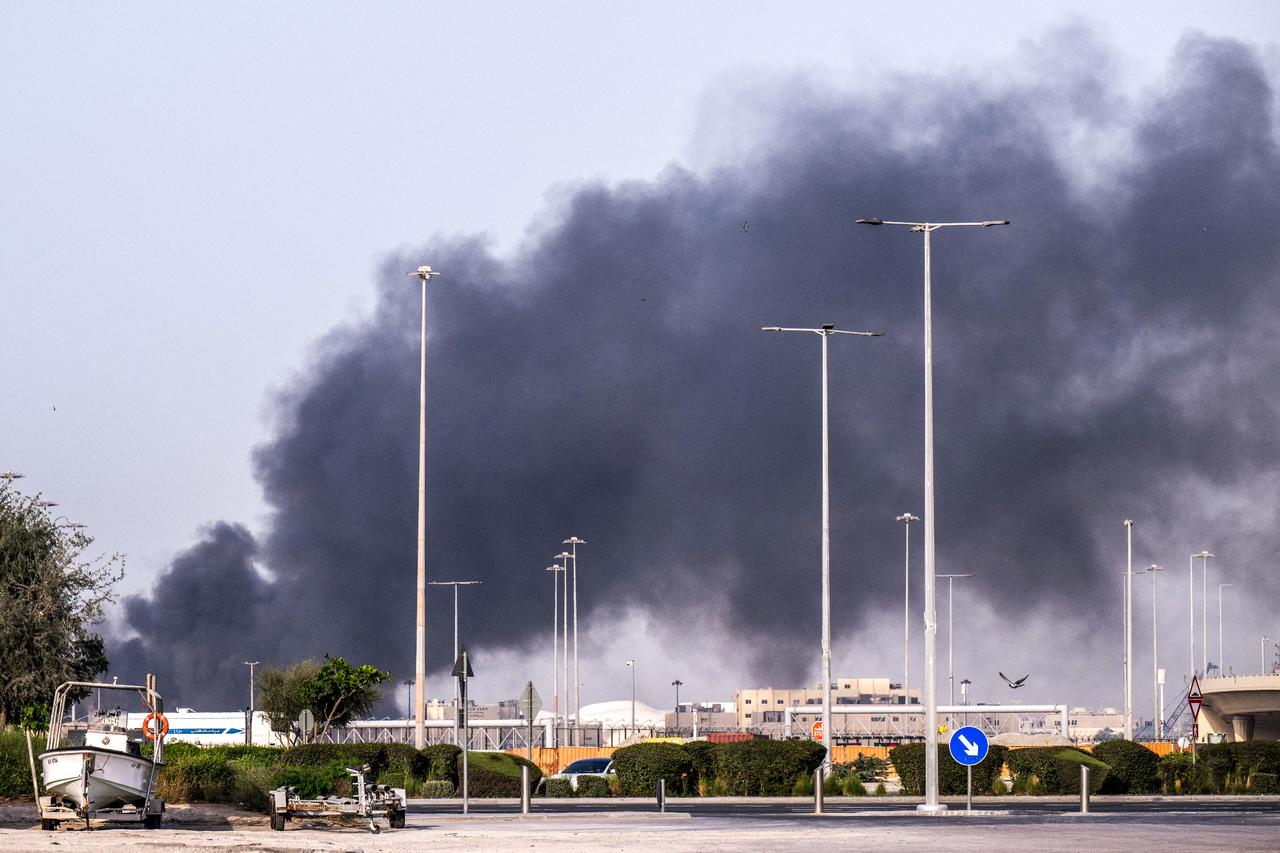
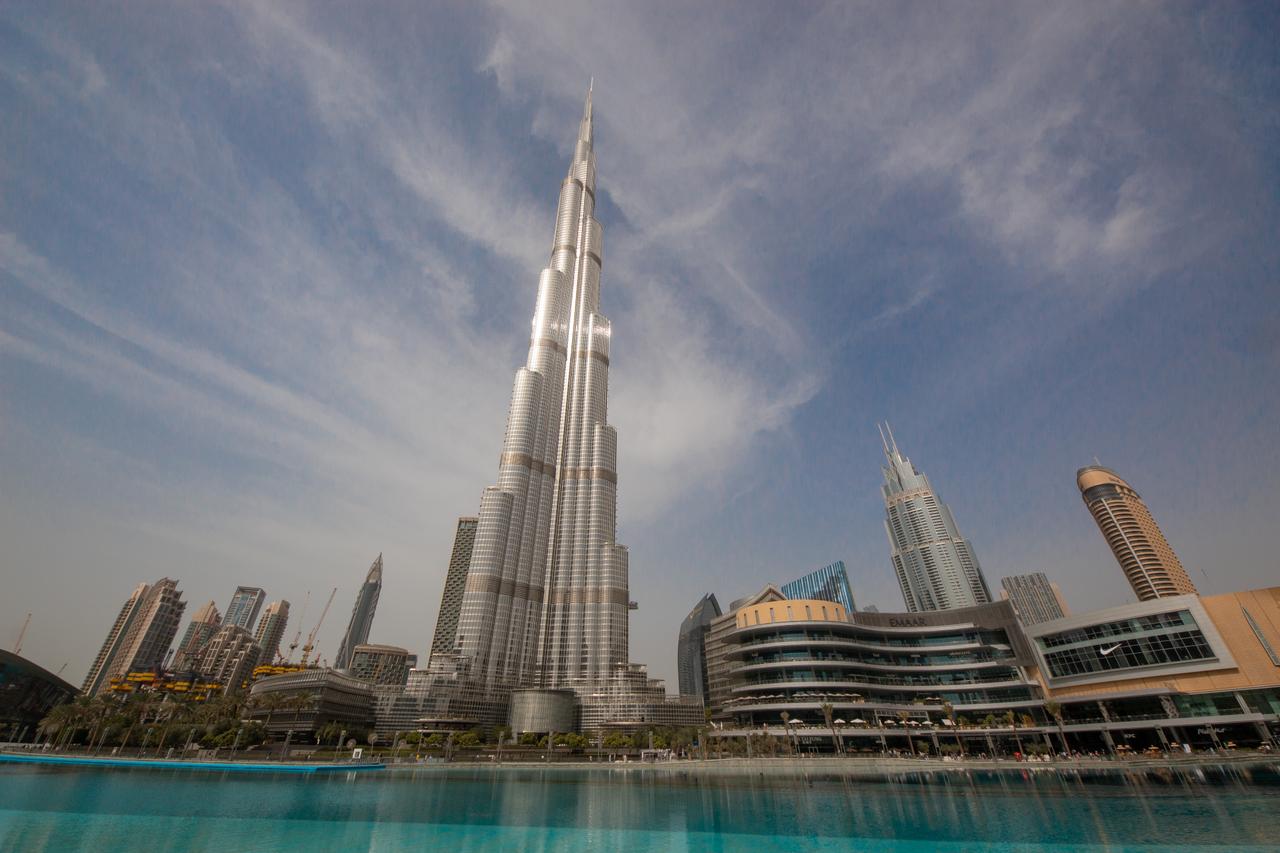
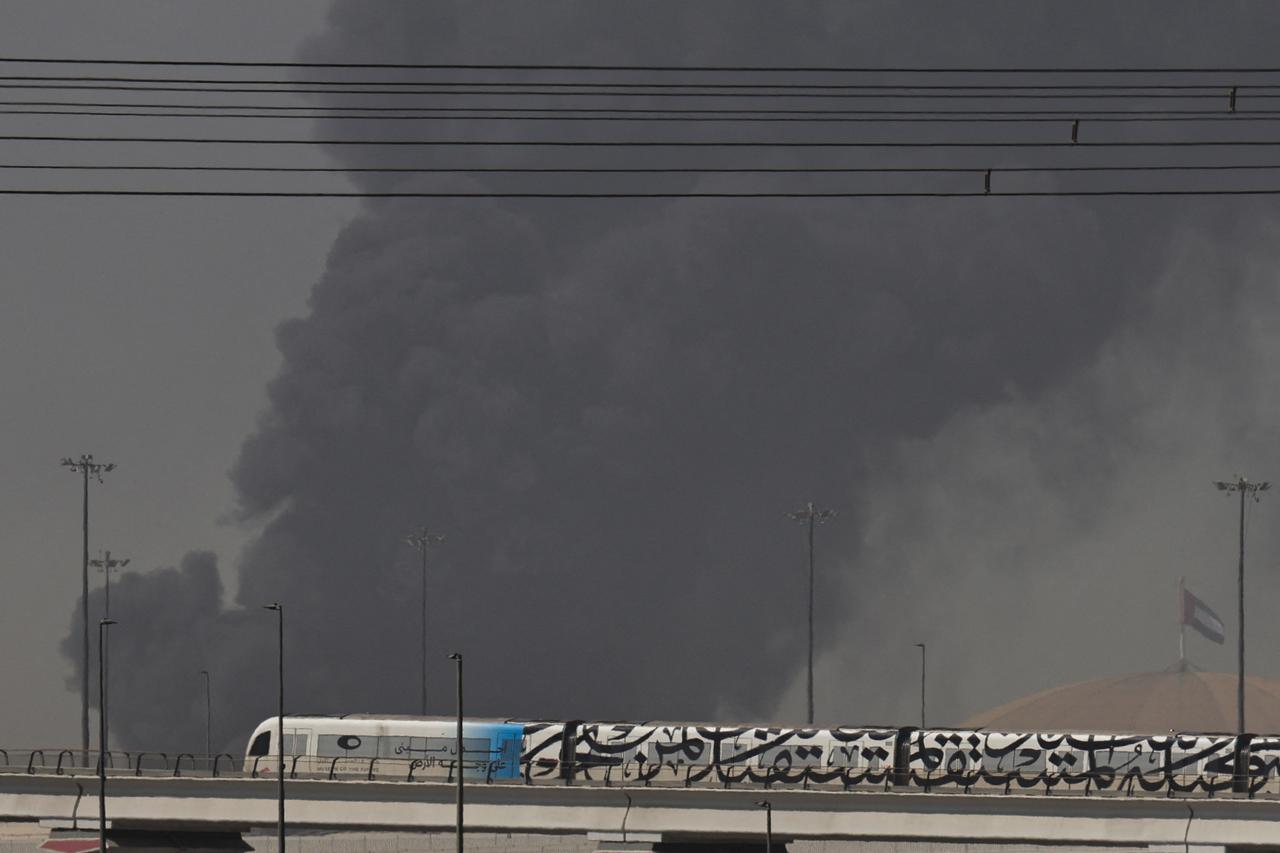
Iran appeared to target a building complex in the UAE capital Abu Dhabi that houses several foreign missions, including the Israeli embassy. Two people were injured by debris during the incident at Etihad Towers. On Saturday, Iranian strikes sparked fires at iconic Dubai landmarks including The Palm seafront development and Burj Al Arab hotel.
Dubai's airport, the world's busiest for international passenger traffic, was hit, as was Kuwait's airport. In Abu Dhabi, at least one person was killed and seven wounded at the airport in what authorities described as an "incident."
In Bahrain, drones struck the airport in the capital Manama early Sunday, causing minor damage. The US embassy in Manama warned American citizens to avoid hotels in the city after the Crowne Plaza was hit, cautioning they could become potential targets.
Saudi Arabia intercepted Iranian missiles targeting Riyadh's international airport and the Prince Sultan Airbase, which houses US military personnel, according to a Gulf source briefed on the matter. A witness near the airport said they "saw and heard the air defence intercept the missile in the sky." In Qatar, which hosts the region's largest US military base, officials reported that Iran had launched 65 missiles and 12 drones toward the country, most of which were intercepted, though eight people were injured, one critically.
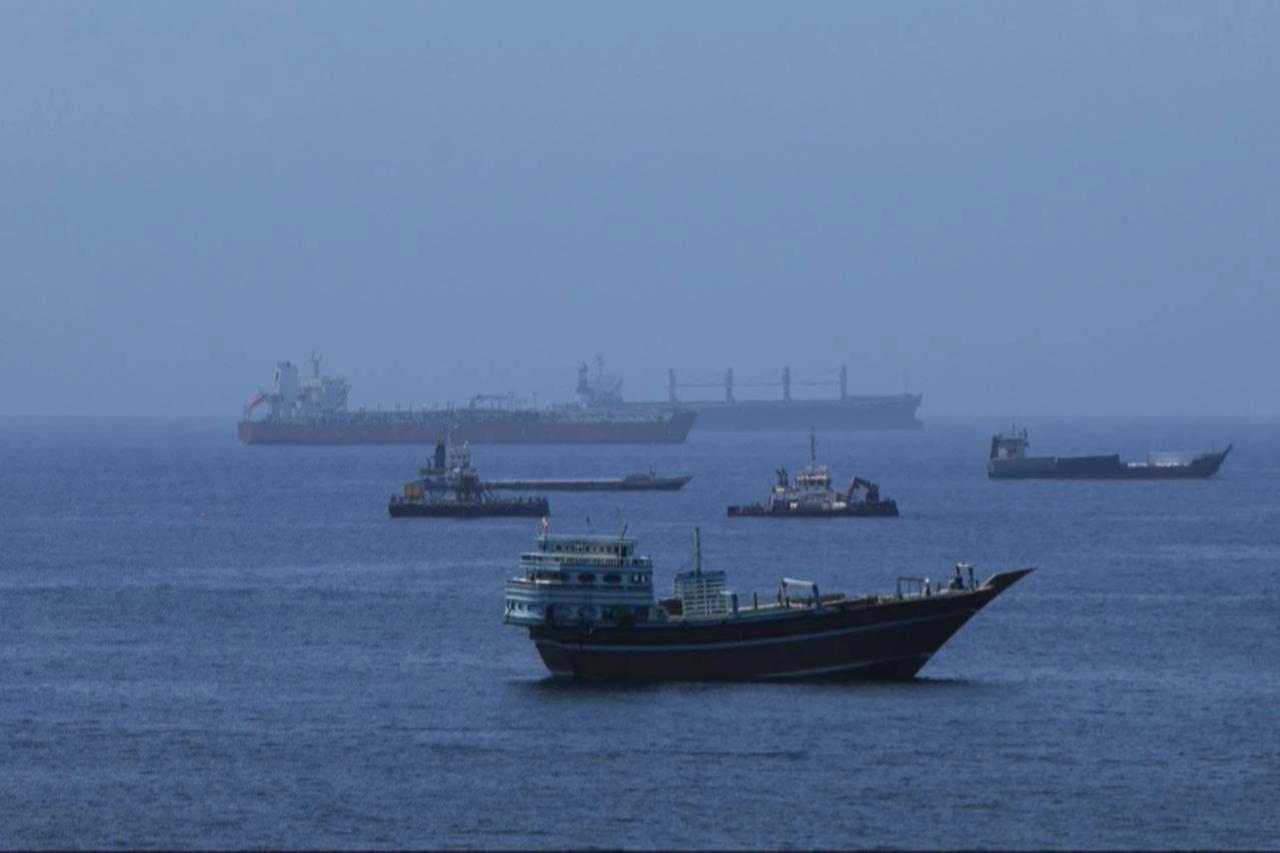
Even Oman, which has historically served as a quiet intermediary between Washington and Tehran and was the only Gulf state spared on the first day of strikes, came under fire Sunday. Two drones targeted the port of Duqm, and an oil tanker was struck off the Omani coast, injuring four crew members who had to be evacuated.
Despite the attacks, Omani Foreign Minister Badr Albusaidi spoke with his Iranian counterpart Abbas Araghchi on Sunday, pressing for a halt to hostilities. Albusaidi "affirmed the Sultanate of Oman's continued call for a ceasefire and a return to dialogue... in a manner that achieves the legitimate demands of all parties," according to a ministry readout.
The Gulf Cooperation Council, the six-nation bloc comprising Saudi Arabia, the UAE, Qatar, Kuwait, Bahrain, and Oman, was set to convene by video link later Sunday to coordinate a unified response.
Jacobs, the security analyst, warned that Gulf states' longstanding preference for diplomacy and de-escalation is being severely tested. "If Iran continues to hit these countries and escalates even more," she said, "it will be very difficult for them to just sit and do nothing."
The UAE had fully reopened its Tehran embassy and dispatched a new ambassador in 2022 during a broader thaw in Gulf-Iran relations, a reconciliation Saudi Arabia later joined. That era of cautious rapprochement now appears to be over.


 Set as preferred source
 Set as preferred source


 1 min read