Newsletters


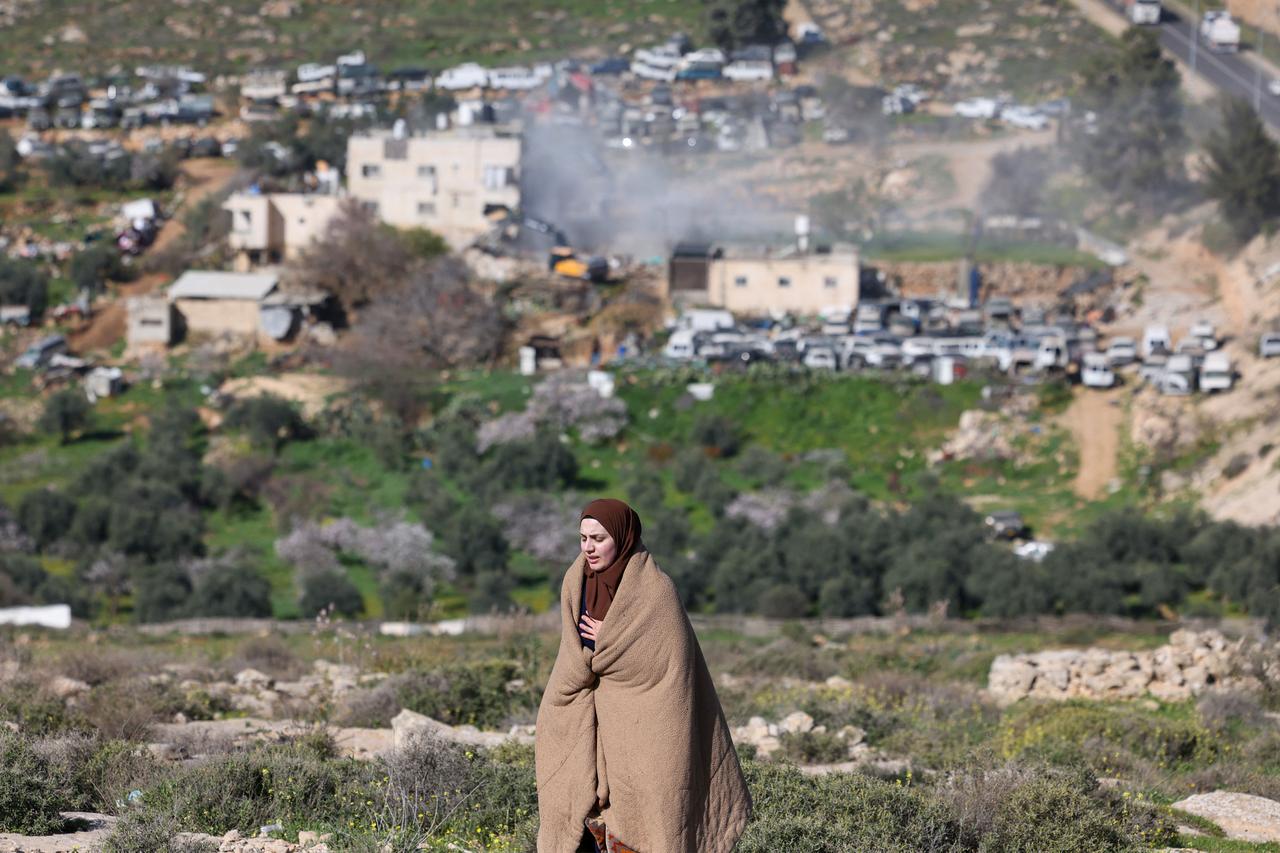


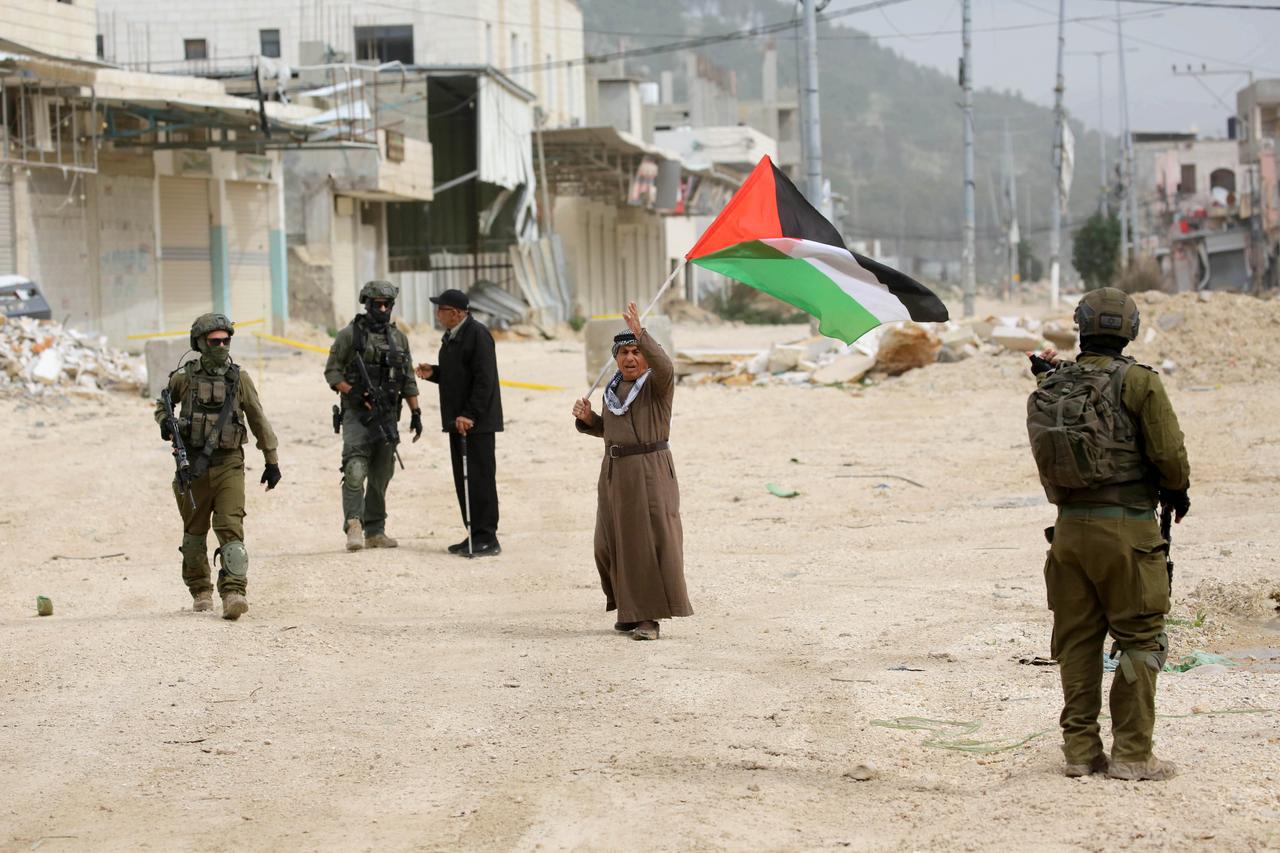
A senior United Nations official warned the Security Council on Wednesday that a series of recent Israeli measures to tighten control over Palestinian-administered areas of the West Bank constitute a creeping annexation of the occupied territory, drawing sharp international condemnation and a defiant response from Jerusalem.
UN Under-Secretary-General Rosemary DiCarlo told a Security Council meeting on the Palestinian question that unilateral Israeli steps are "steadily transforming the landscape" of the West Bank. "We are witnessing the gradual de facto annexation of the West Bank," she said, warning that the measures, if implemented, would represent "a dangerous expansion of Israeli civil authority," including in sensitive areas such as Hebron.
Since last week, Israel has approved a string of initiatives backed by far-right coalition ministers designed to consolidate control over parts of the West Bank where the Palestinian Authority currently exercises limited governance. The moves are expected to ease settlement expansion by removing bureaucratic barriers and simplifying land purchases and building permits.
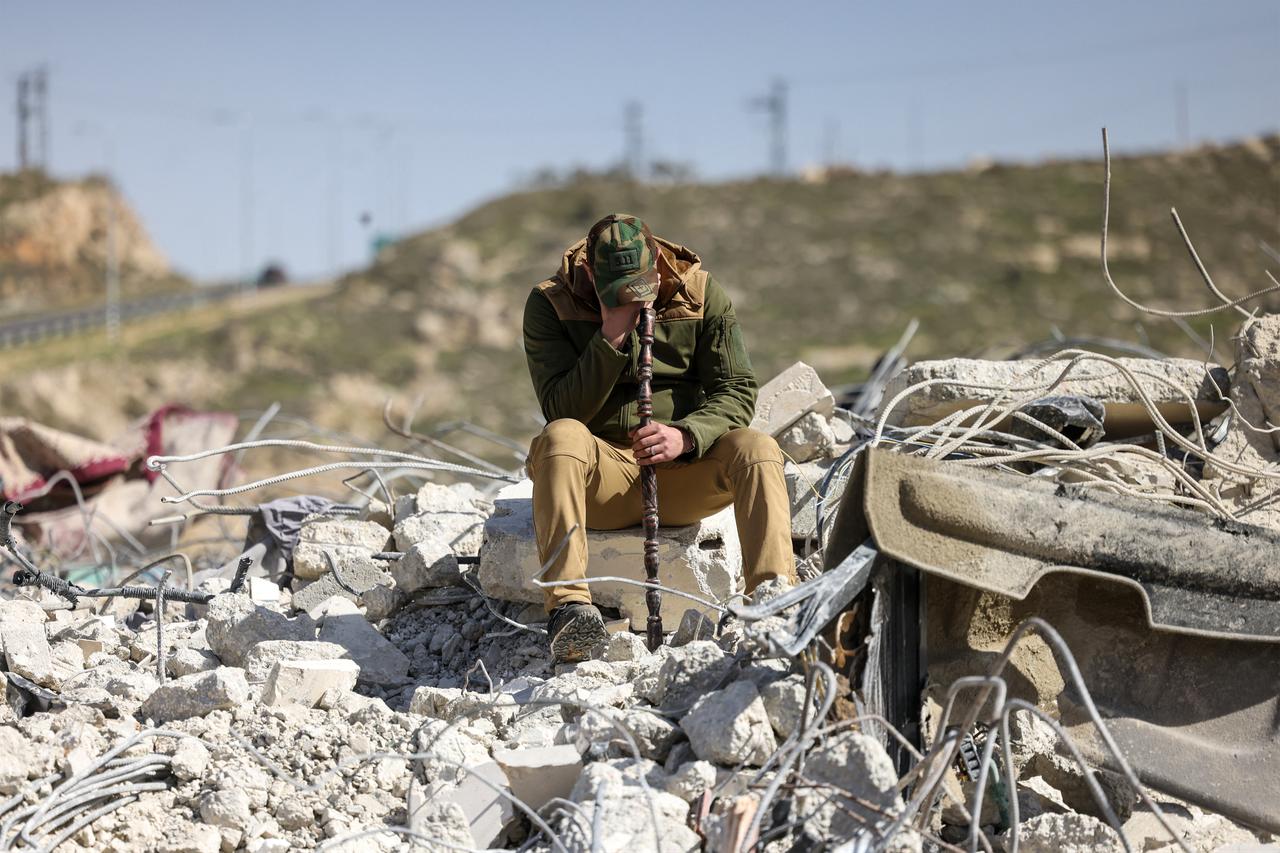

The measures strike at the heart of the governance framework established under the Oslo Accords of the 1990s, which divided the West Bank into three zones, Areas A, B and C, under Palestinian, joint and Israeli control respectively. Those agreements were negotiated with the stated goal of eventually paving the way toward an independent Palestinian state. The West Bank would constitute the largest portion of any such future state, though many on Israel's religious right regard the territory as sovereign Israeli land.
The diplomatic missions of 85 UN member states issued a joint statement on Tuesday condemning Israel's moves. "We strongly condemn unilateral Israeli decisions and measures aimed at expanding Israel's unlawful presence in the West Bank," the statement read.
Israeli Foreign Minister Gideon Sa'ar pushed back ahead of DiCarlo's remarks, framing the international criticism as a denial of Jewish historical ties to the region. "No other nation in any other place in the world has a stronger right than our historical and documented right to the land of the Bible," Sa'ar said, adding that it was "amazing" so many countries consider the Jewish presence in the territory a violation of international law.
The West Bank has been under Israeli military occupation since the 1967 Six-Day War. The international community, including the International Court of Justice, broadly considers Israeli settlements there to be illegal under international law, a position Israel disputes.


 Set as preferred source
 Set as preferred source


 1 min read
 1 min read