Newsletters


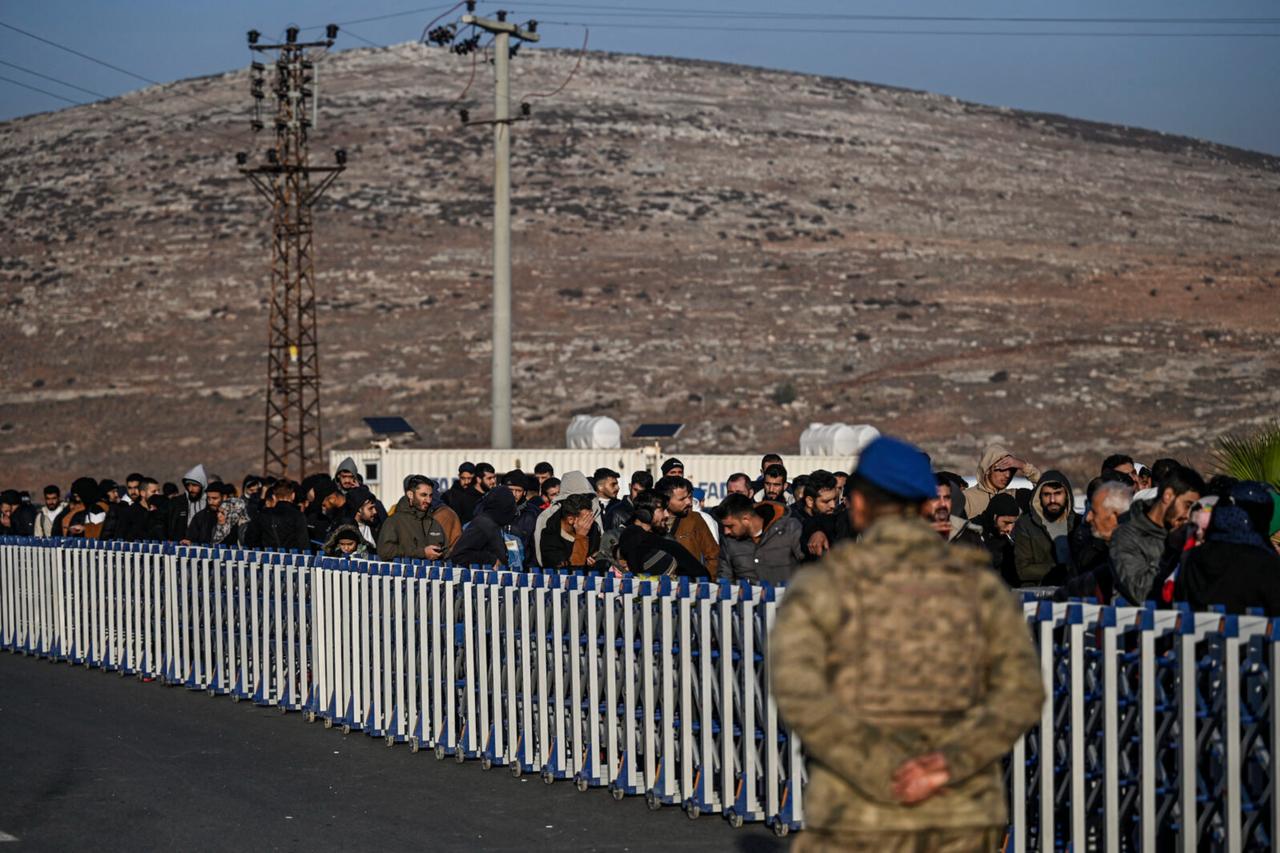


UNHCR expects about one million Syrian refugees to return home in 2026, its representative in Syria said, citing more than three million Syrians who have already returned since December 2024 as the country undergoes a postwar transition.
Gonzalo Vargas Llosa, UNHCR’s representative in Syria, said around 1.3 million Syrian refugees have already returned since December 2024, along with about two million internally displaced people who have gone back to their areas of origin.
Vargas Llosa told Anadolu Agency (AA) that over three million Syrians have returned over a relatively short period to their home areas in a country battered by war economically and across infrastructure and basic services.
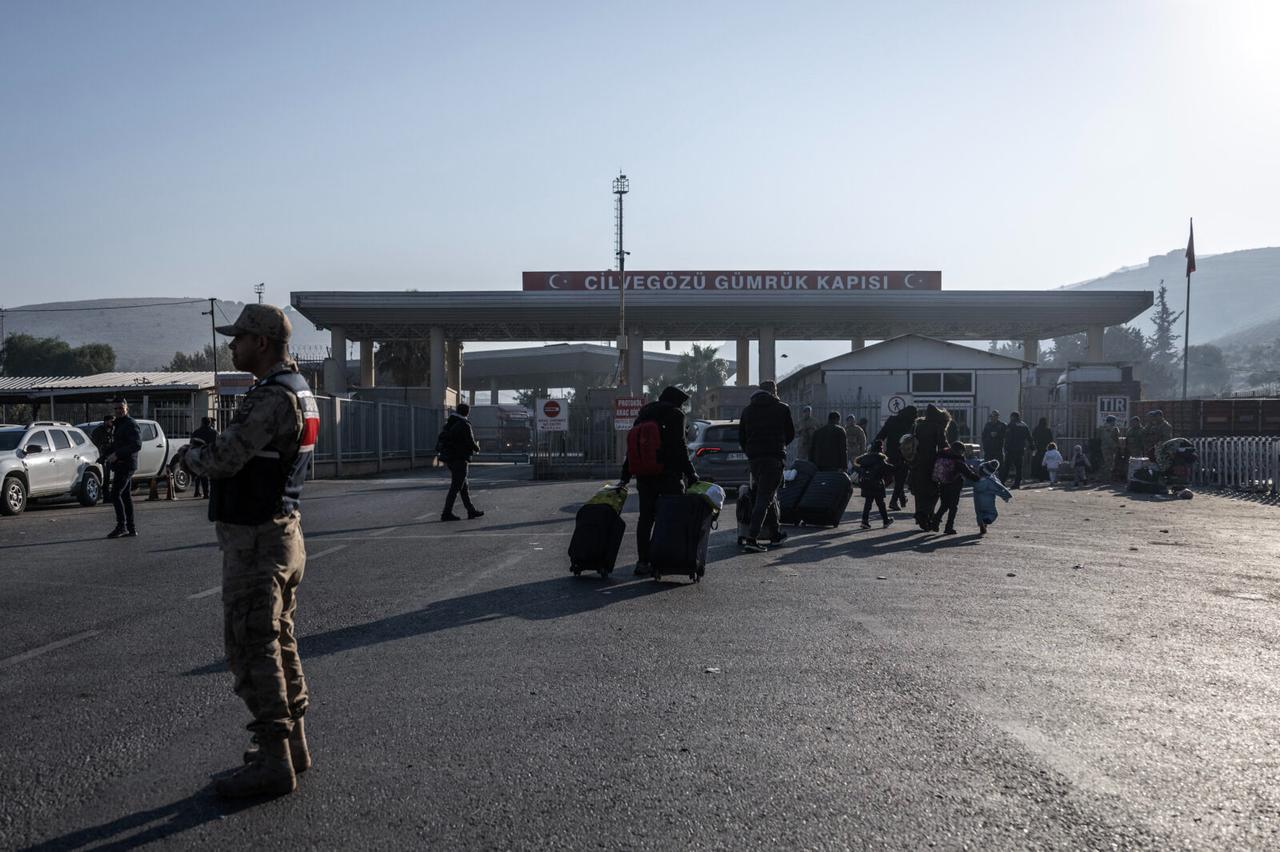

He added that on Dec. 9, 2024, he and his team went to the Lebanese border, where they saw thousands of Syrians spontaneously returning home after over 14 years of forced displacement.
He noted that many returnees expressed their joy at reaching their country by kissing the ground upon arrival.
Vargas Llosa praised Türkiye’s role, noting that it hosted large numbers of Syrian refugees for many years and also played a “positive role” in supporting Syria’s new government after Dec. 8, 2024.
He said representatives of Türkiye’s private sector have begun visiting Syria to explore investment opportunities, describing the move by Turkish investors as “an important indicator” that a new phase of economic recovery and reconstruction is beginning.
Looking ahead, Vargas Llosa said Syrian refugees have returned mainly from Türkiye, Lebanon and Jordan since Dec. 8, 2024, with smaller numbers coming back from Egypt and Iraq.
“Our estimates indicate that 2026 could see the return of around one million additional people, meaning over four million Syrians will have returned over two years,” he added.
He noted that this large-scale return is taking place under challenging conditions, making international financial support “an urgent and decisive matter” to ensure stability and prevent humanitarian crises from worsening.
Assessing the current phase, Vargas Llosa said Syria is undergoing a complex transitional process that will take time, given the extensive destruction caused by 14 years of war.
“After a long war, it is natural for the country to be economically and structurally devastated, and this recovery will not be immediate,” he said.
However, he added that the government and the Syrian people deserve significant praise for succeeding in reconnecting the country with the world within a relatively short period.
He noted that Syria had been isolated from the international stage for more than 14 years before returning within just one year to establishing relations with a growing number of countries, describing this as “a highly significant development.”
Vargas Llosa said the return of large numbers of Syrians to their homes is “a positive indicator,” but stressed that a tangible economic improvement will take time and require coordinated and sustained international support.
On Thursday, U.S. President Donald Trump signed the 2026 National Defense Authorization Act at a White House ceremony, which included a provision to cancel the sanctions imposed on Syria under the “Caesar Act,” officially lifting the measures.
On Dec. 11, 2019, the U.S. Congress passed the Caesar Act to penalize key figures in the ousted Syrian President Bashar al-Assad’s regime over alleged war crimes committed against civilians.
The legislation was signed during Trump’s first term (2017-2021), but developments in Syria late last year prompted him to move to repeal it.
In a statement on Friday, Syria’s Foreign Ministry welcomed the “final removal” of economic sanctions imposed under the Caesar Act, saying the measures had affected multiple aspects of daily life and the economy.
The ministry said the step was “an important development” that would ease burdens on the Syrian people and open the way for a new phase of recovery and stability.


 Set as preferred source
 Set as preferred source


 3 min read