Newsletters


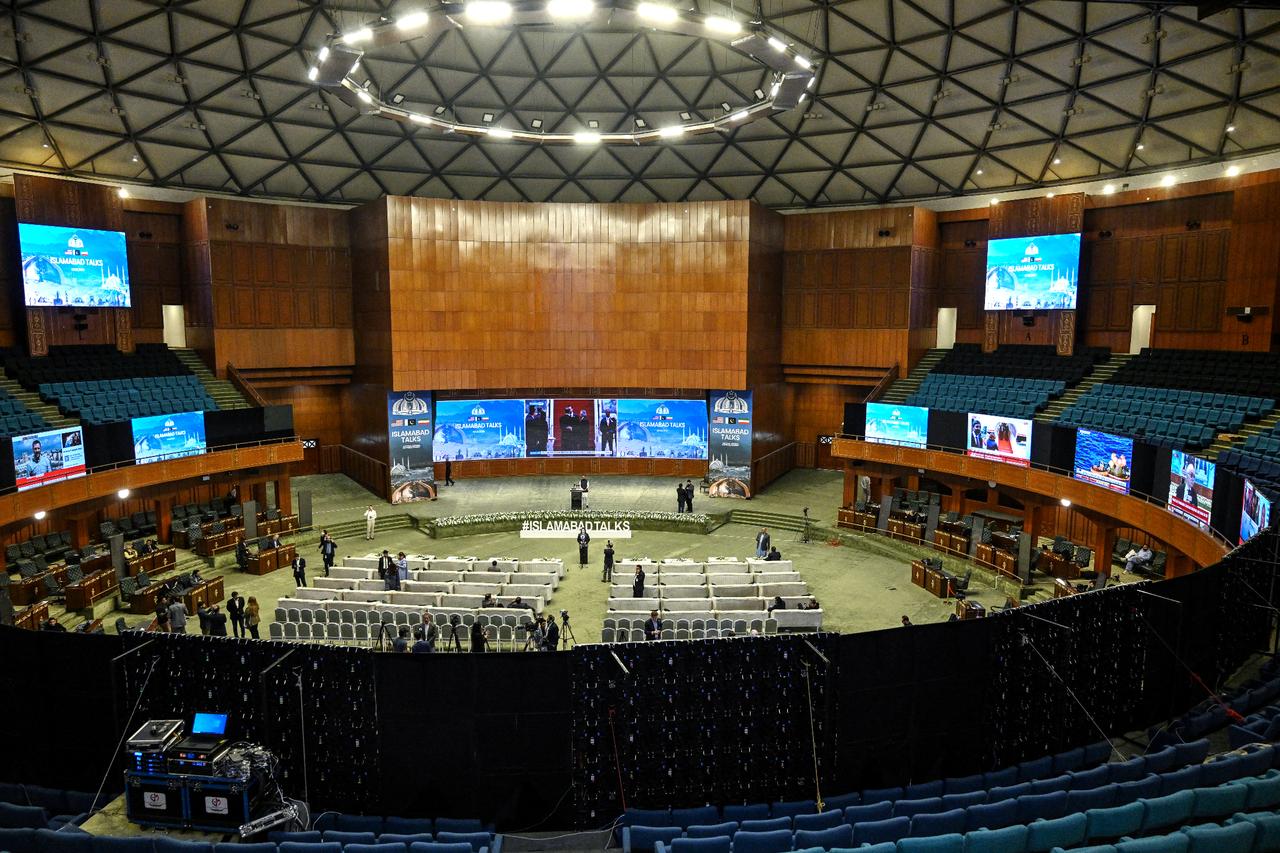


Iranian sources said the United States had agreed to unfreeze Iranian funds held in Qatar and other countries as a sign of seriousness ahead of talks in Islamabad.
A senior U.S. official later denied that Washington had agreed to release any frozen Iranian assets, creating conflicting claims over one of the issues linked to the negotiations.
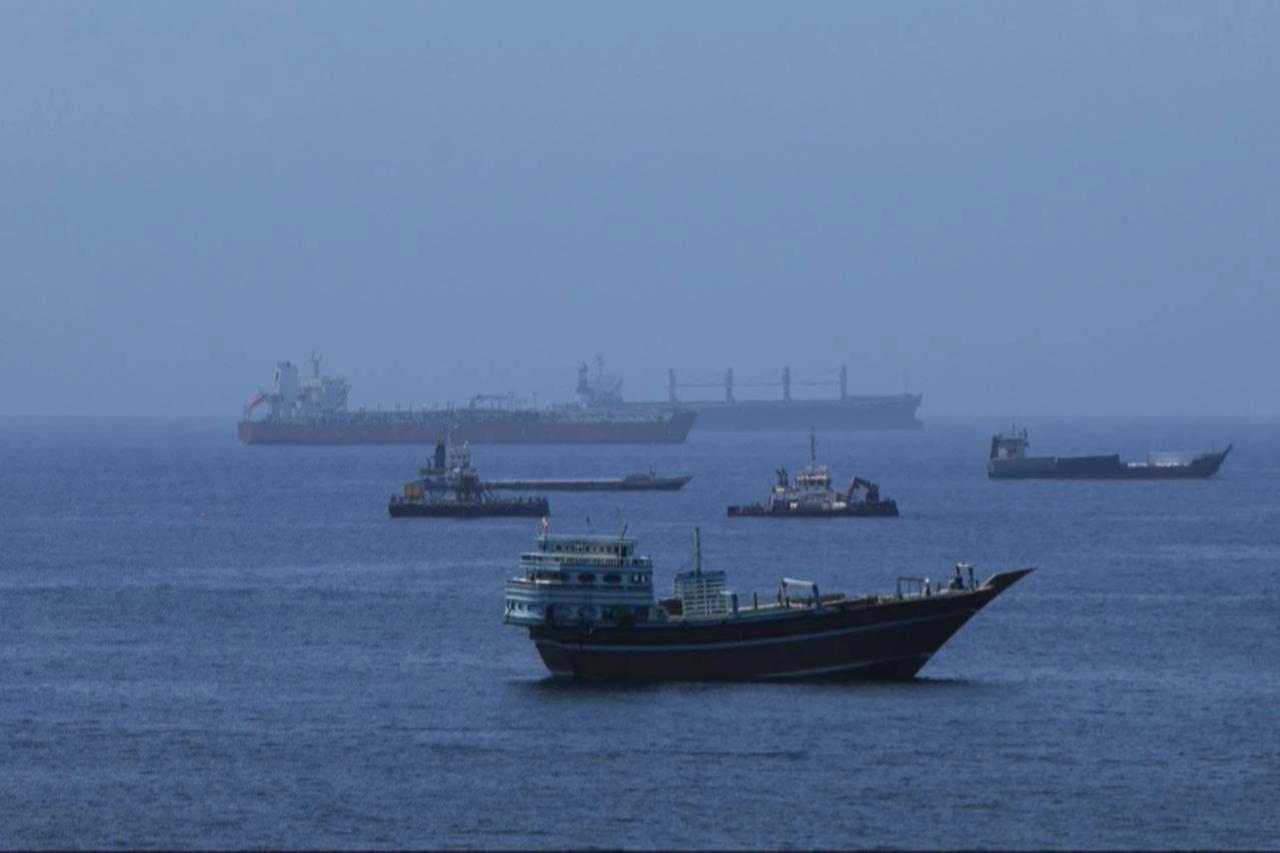
A senior Iranian source told Reuters on Saturday that the U.S. had agreed to release frozen Iranian assets held in Qatar and other foreign banks and said the move was directly linked to ensuring safe passage through the Strait of Hormuz, which is expected to be a key issue in the talks.
A second Iranian source said the amount involved was $6 billion. Later, a senior U.S. official told CBS News that the United States had not agreed to release any Iranian frozen assets, while Reuters issued a news alert saying a U.S. official had denied its earlier report.
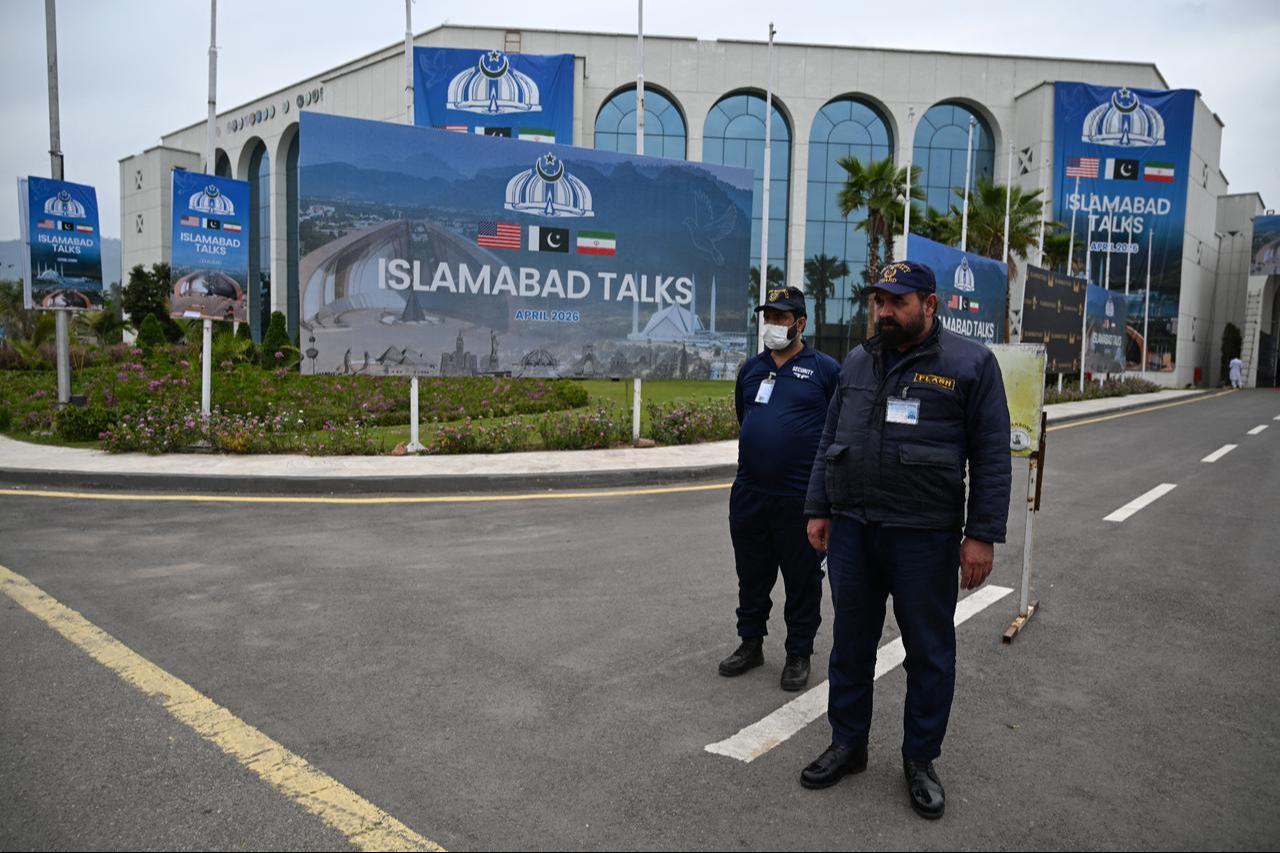

A senior Iranian source said the U.S. had agreed to release frozen Iranian assets held in Qatar and other foreign banks.
The source described the move as a sign of seriousness in reaching an agreement with Washington during the talks in Islamabad.
According to the source, the unfreezing of the assets was directly linked to ensuring safe passage through the Strait of Hormuz.
The strait is expected to be one of the key issues in the talks.
A second Iranian source said the United States had agreed to release $6 billion of frozen Iranian funds held in Qatar.
The senior Iranian source did not provide a value for the assets that Washington had agreed to unfreeze.
A senior U.S. official later told CBS News that the United States had not agreed to release any Iranian frozen assets.
Reuters also issued a news alert saying a U.S. official had denied its earlier report that Washington agreed to unfreeze Iranian assets.
The U.S. official's comments directly rebutted the earlier claims from Iranian sources.
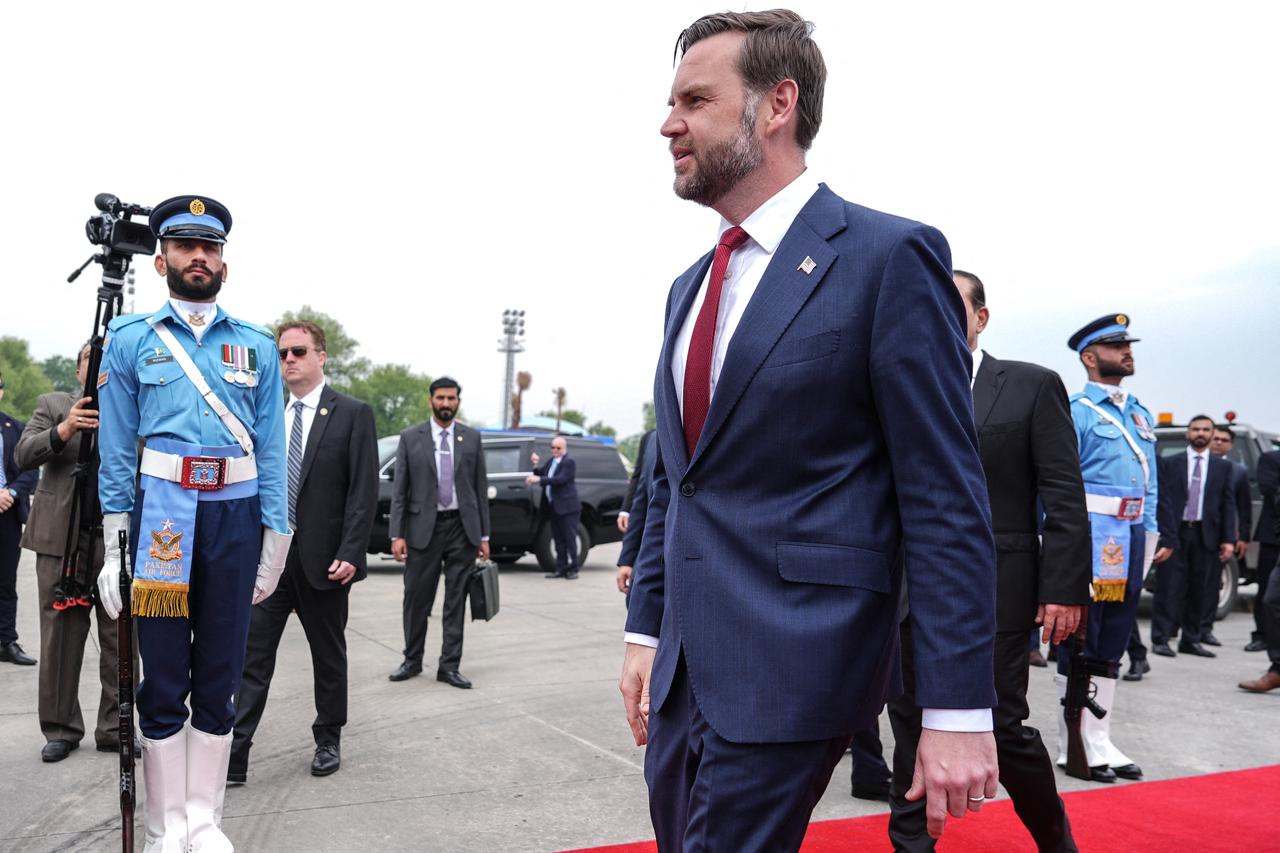
Vice President JD Vance held a bilateral meeting with Pakistani Prime Minister Shehbaz Sharif, according to the update provided by the U.S. side.
However, negotiations had not started yet, and no agreements had been discussed.
The American delegation includes Vance, Steve Witkoff and Jared Kushner.
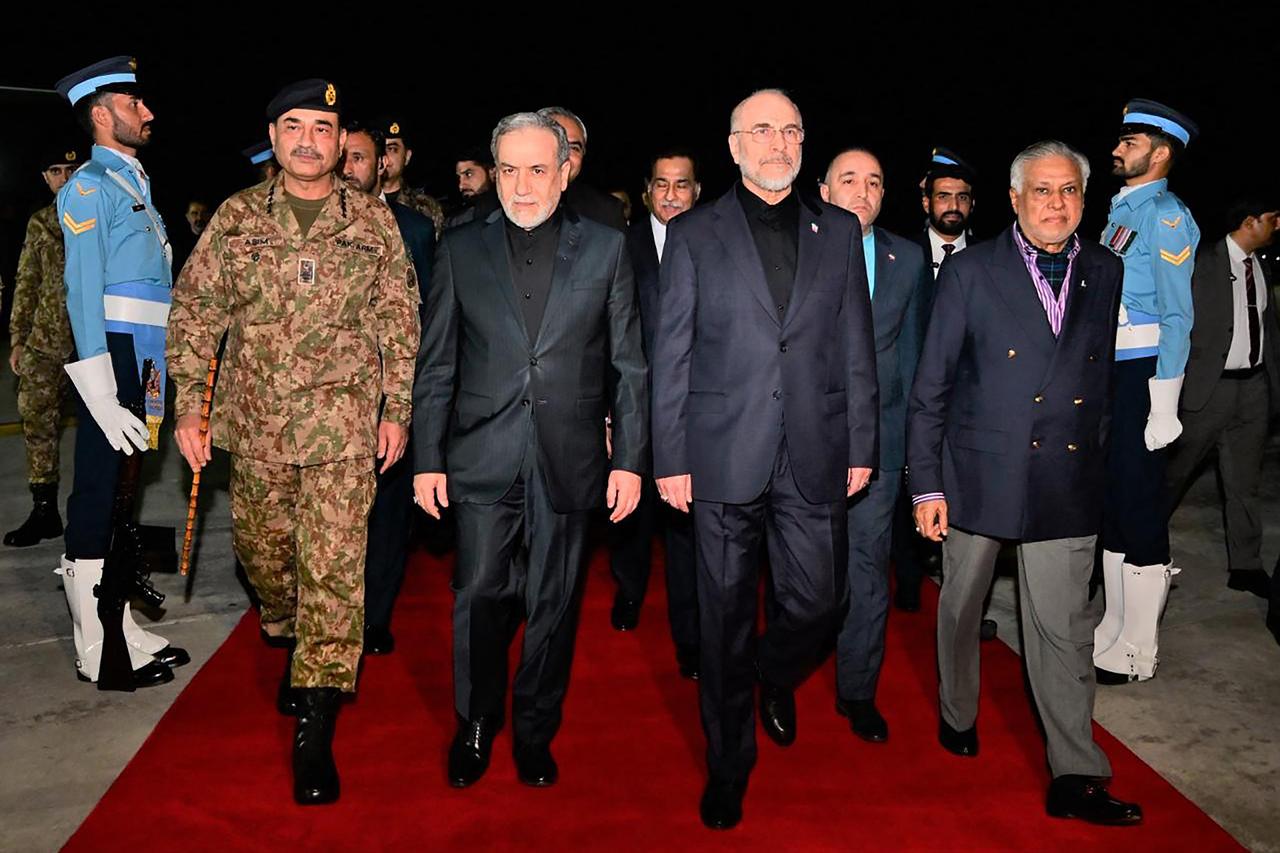
The Pakistani delegation includes Interior Minister Mohsin Naqvi and Foreign Minister and Deputy Prime Minister Ishaq Dar.
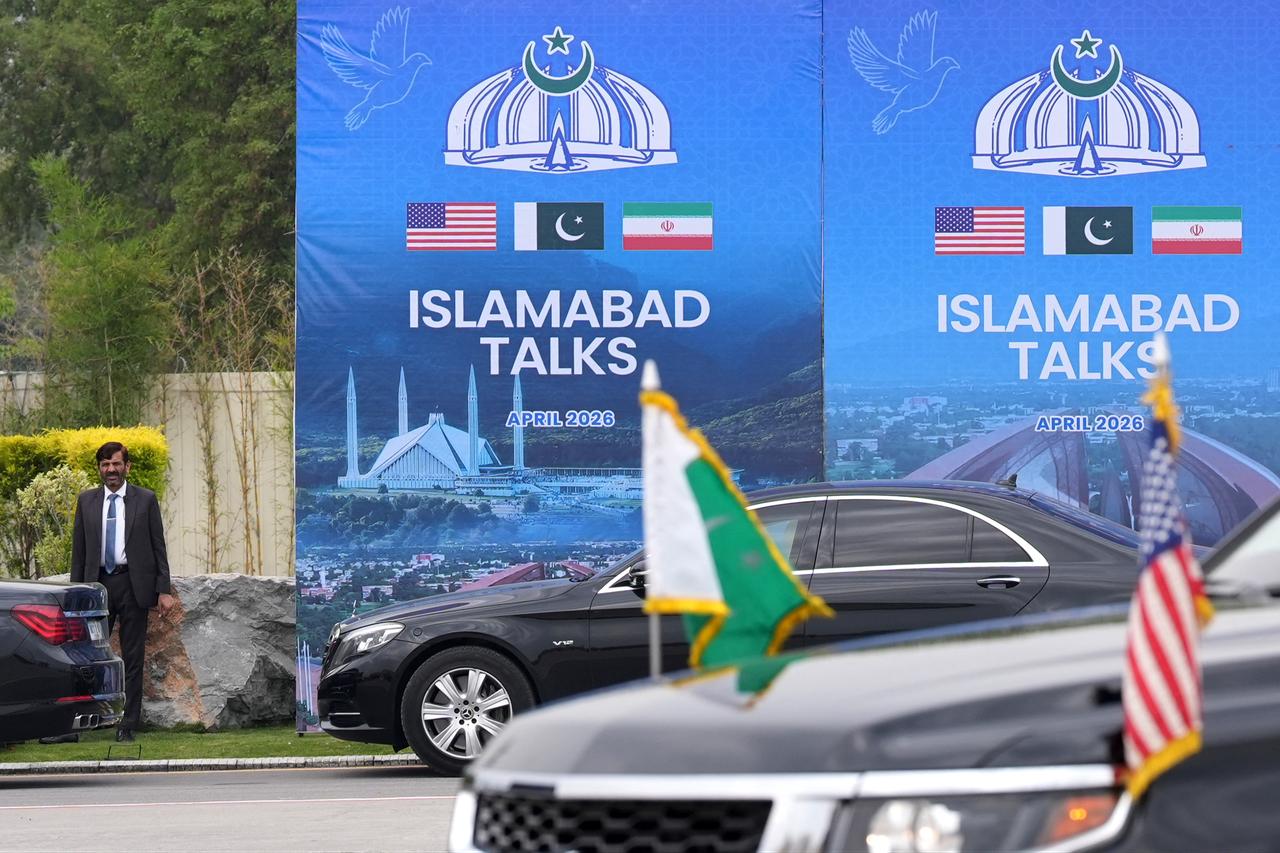
The $6 billion in question was originally frozen in 2018.
The funds came from Iranian oil sales to South Korea and were blocked in South Korean banks after President Donald Trump, during his first term in the White House, reimposed sanctions on Iran in 2018 and scrapped the nuclear deal between Tehran and world powers.
The funds had been due for release in 2023 as part of a U.S.-Iran prisoner swap.
However, they were frozen again by the administration of President Joe Biden after the Oct. 7, 2023, attacks on Israel by Hamas, which was described in the report as an ally of Iran.
At the time, U.S. officials said Iran would not be able to access the money for the foreseeable future and stressed that Washington retained the right to fully freeze the account.
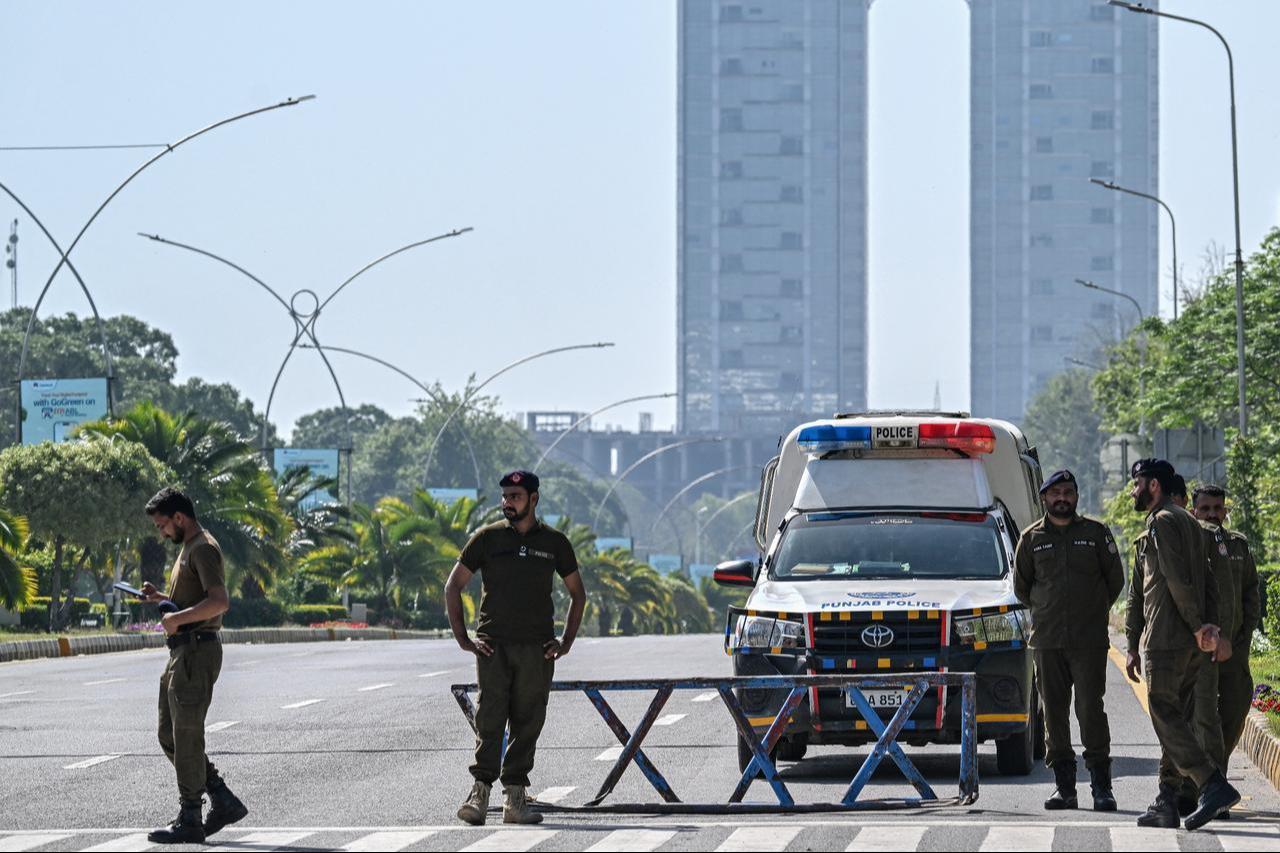
Under the September 2023 U.S.-Iran prisoner swap mediated by Doha, the money was transferred to Qatari bank accounts.
The swap involved the release of five U.S. citizens detained in Iran in exchange for the release of the funds and the release of five Iranians held in the United States.
U.S. officials said at the time that the money was restricted to humanitarian use only.
They said the funds were to be disbursed to approved vendors for food, medicine, medical equipment, and agricultural goods shipped into Iran under U.S. Treasury oversight.


 Set as preferred source
 Set as preferred source


 2 min read
 1 min read