Newsletters




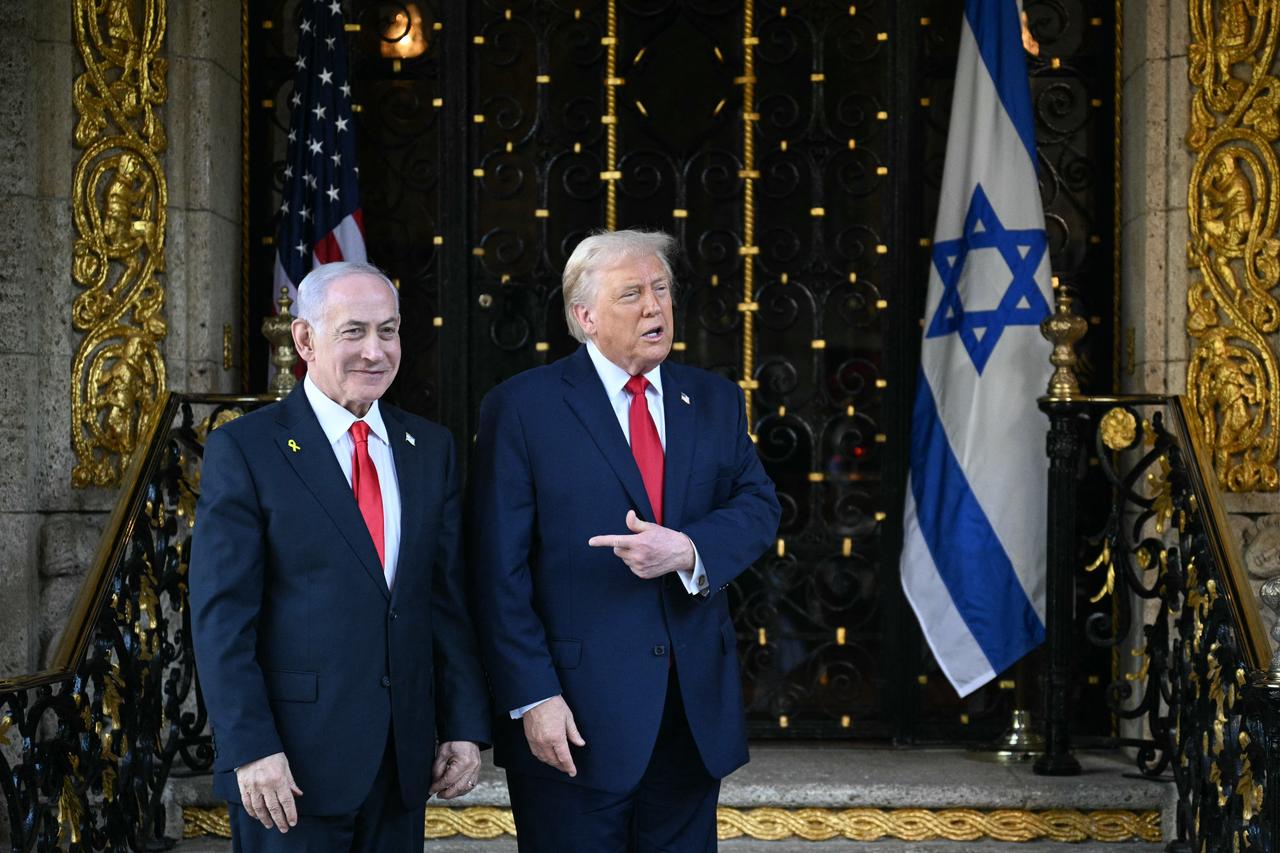
The United States is weighing a proposal to release $20 billion in frozen Iranian assets in exchange for Tehran giving up its enriched uranium stockpile, according to Axios.
Negotiators are working from a three-page memorandum of understanding (MoU) that also includes a voluntary enrichment moratorium and provisions related to the Strait of Hormuz, Axios reported Friday, citing two U.S. officials and two additional sources briefed on the talks.
Meanwhile, the second round of negotiations was expected in Islamabad as early as Sunday.
According to two sources cited by Axios, the latest number under discussion is $20 billion in frozen asset releases.
In an earlier phase, the U.S. was ready to release $6 billion for humanitarian purposes; Iran demanded $27 billion. One U.S. official said the $20 billion figure was a U.S. proposal.
A second U.S. official described the cash-for-uranium concept as "one of many discussions."
Iran's top priority is financial relief, including access to frozen assets, the ability to sell oil at market rates without sanctions and reintegration into the global financial system.

The Trump administration's core security demand centers on Iran's nuclear stockpile of nearly 2,000 kilograms of enriched uranium, in particular the 450 kilograms enriched to 60 percent purity, close to weapons-grade.
The U.S. has asked Iran to ship all nuclear material to the United States.
Iran agreed only to down-blend it inside Iran. A compromise now under discussion would see some of the highly enriched uranium shipped to a third country, not necessarily the U.S., while the remainder is diluted inside Iran under international monitoring.
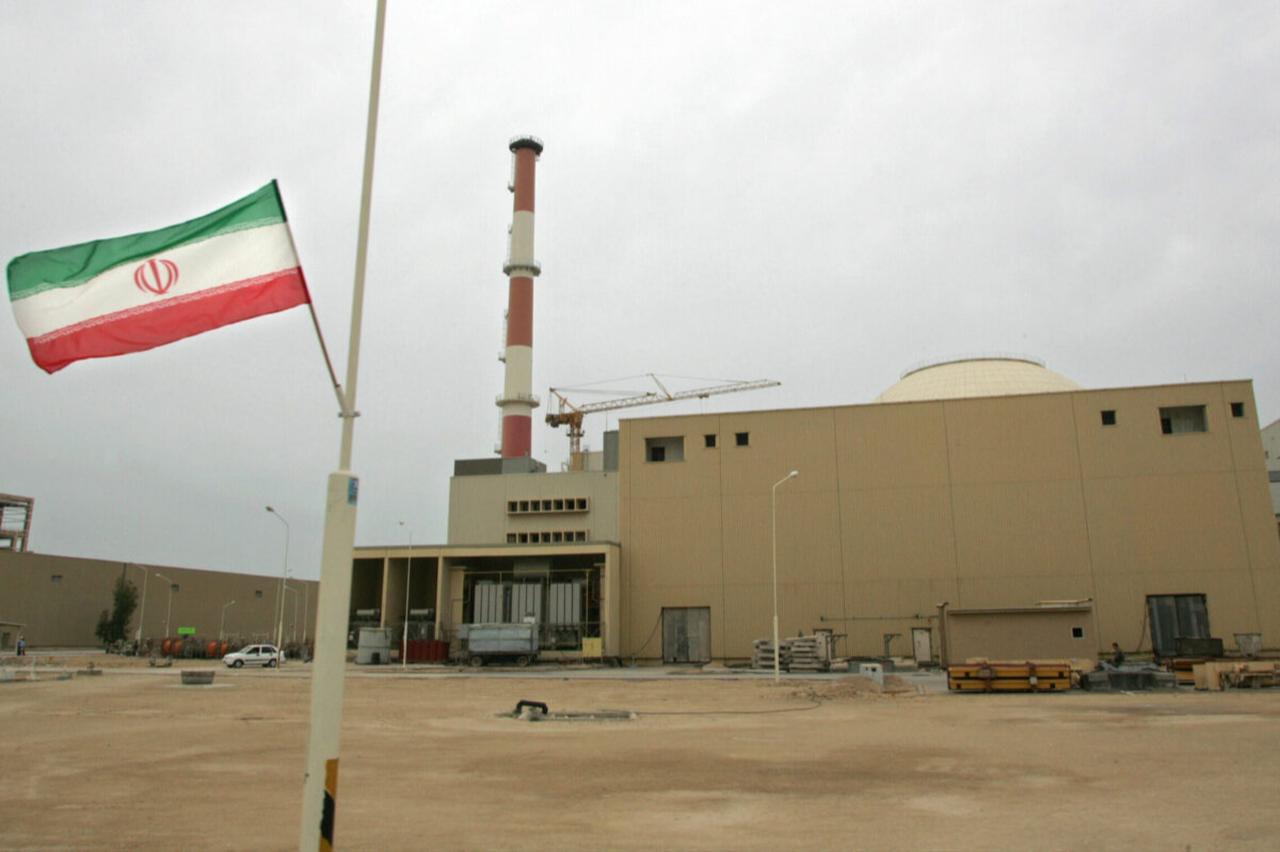
The three-page MoU includes a "voluntary" moratorium on nuclear enrichment.
The U.S. demanded 20 years in the last round of talks; Iran countered with five years.
Mediators are still working to close the gap.
Under the MoU's terms, Iran would be permitted to retain nuclear research reactors for producing medical isotopes, but all nuclear facilities would have to be above ground, and existing underground facilities would remain out of commission.
The MoU addresses the Strait of Hormuz, though "significant gaps" remain on that issue, sources said. It was unclear whether the document addresses Iran's ballistic missiles or its support for regional proxy groups, topics previously demanded by Israel and Republican hawks as conditions for any deal.
The Trump administration may also insist on limiting the conditions under which unfrozen Iranian assets can be used, given criticism Trump himself leveled at asset releases under the 2015 Obama nuclear deal.
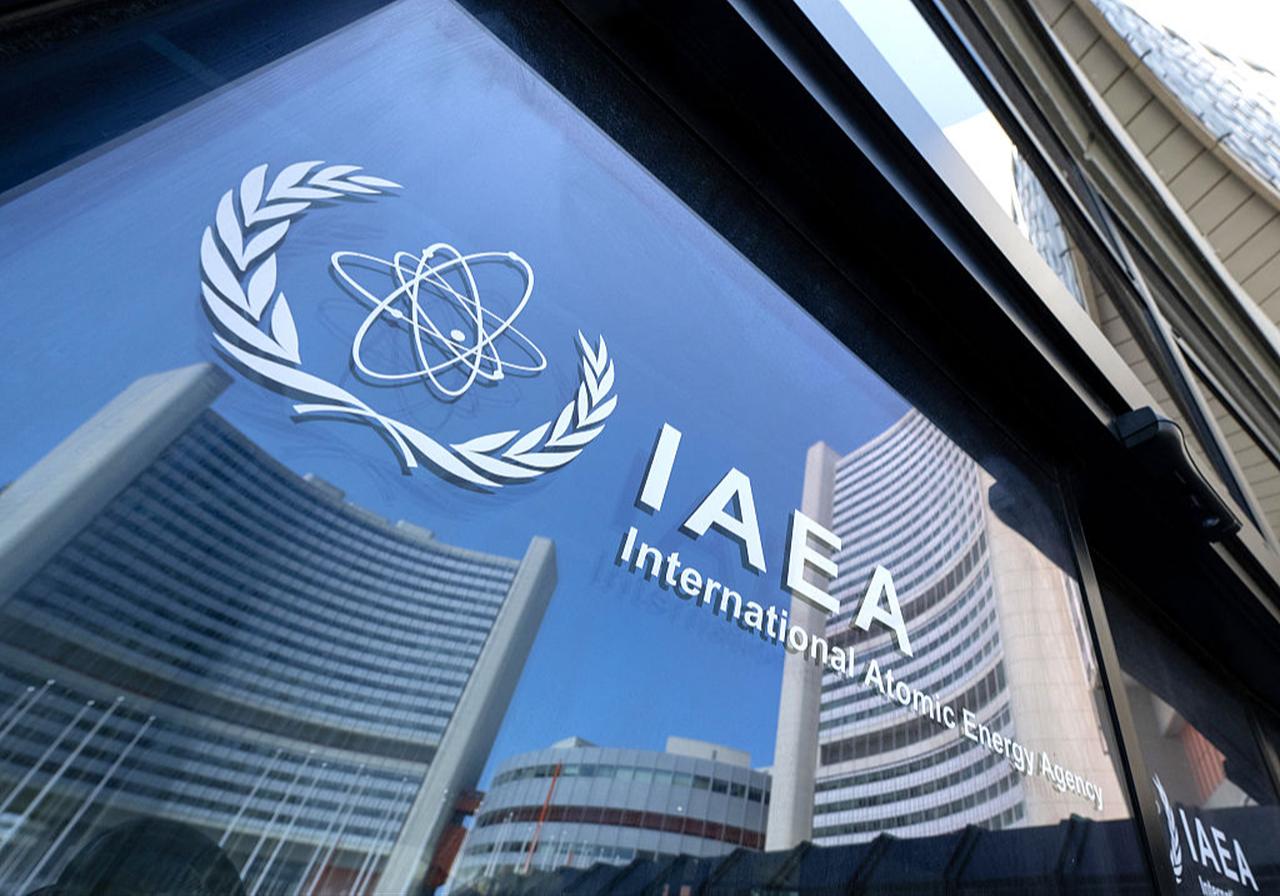
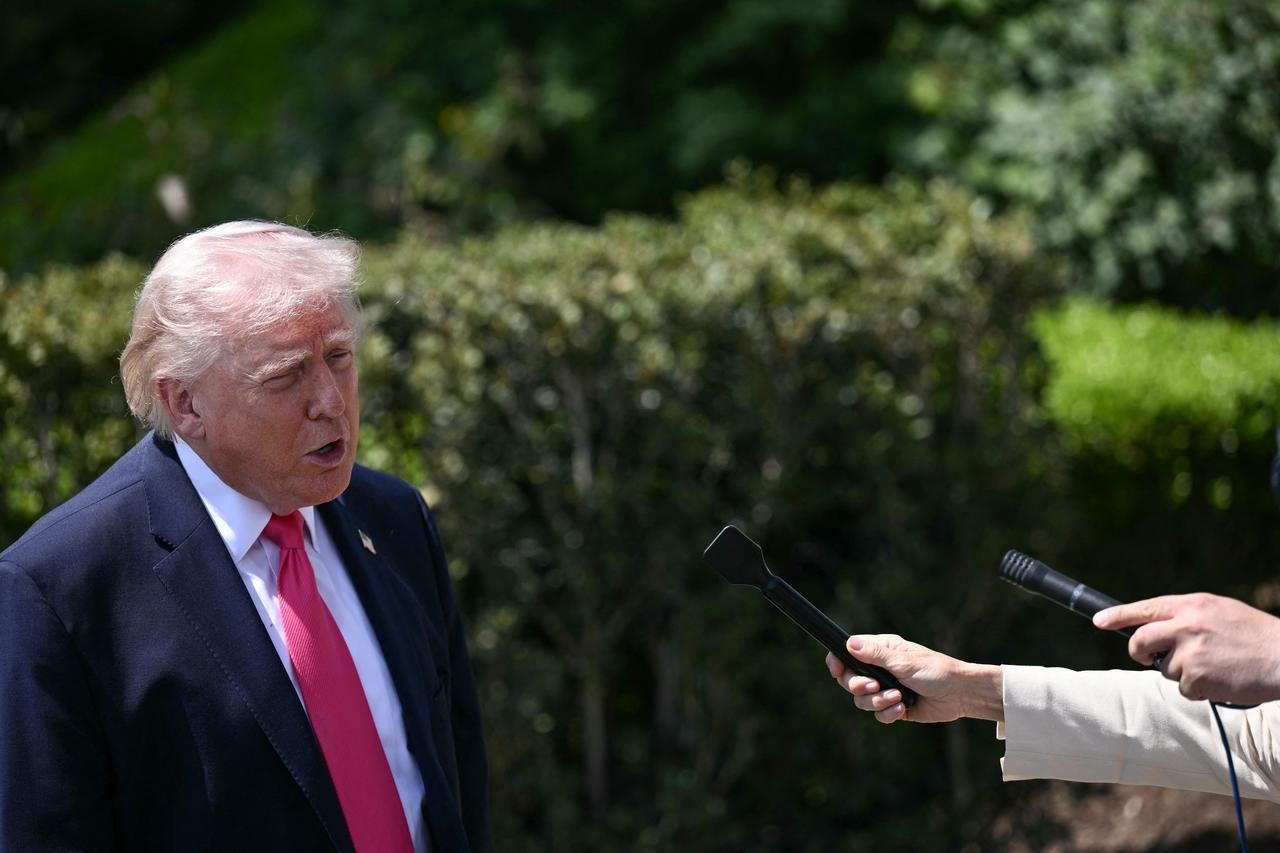
Trump told reporters Thursday that Iran had agreed to commit to "a very, very powerful statement that they will not have nuclear weapons" and had agreed to give the U.S. "the nuclear dust," referring to the enriched uranium stockpile.
"We are very close to making a deal. If no deal, fire resumes," Trump said, adding that he was willing to extend the ceasefire beyond its April 21 expiration if needed.
Sen. Lindsey Graham told Fox News that Trump had spoken directly with the Iranians and that things had gotten "sporty" on a recent call.
White House spokesperson Anna Kelly said talks had been "productive" but the U.S. would "not negotiate through the press," dismissing the Axios sources as anonymous individuals who "have no idea what they are talking about."
A second round of talks is expected in Islamabad, likely on Sunday, according to a source familiar with the mediation.
Pakistan is the primary mediator, with behind-the-scenes support from Egypt and Türkiye.
The foreign ministers of Pakistan, Egypt, Türkiye, and Saudi Arabia are meeting on Friday on the sidelines of the Antalya Diplomacy Forum to coordinate mediation efforts.
A second U.S. official offered a frank assessment of where the talks stand: "Iran has moved. But not far enough. What it takes to make them move forward, we will see."


 Set as preferred source
 Set as preferred source


 3 min read