Newsletters


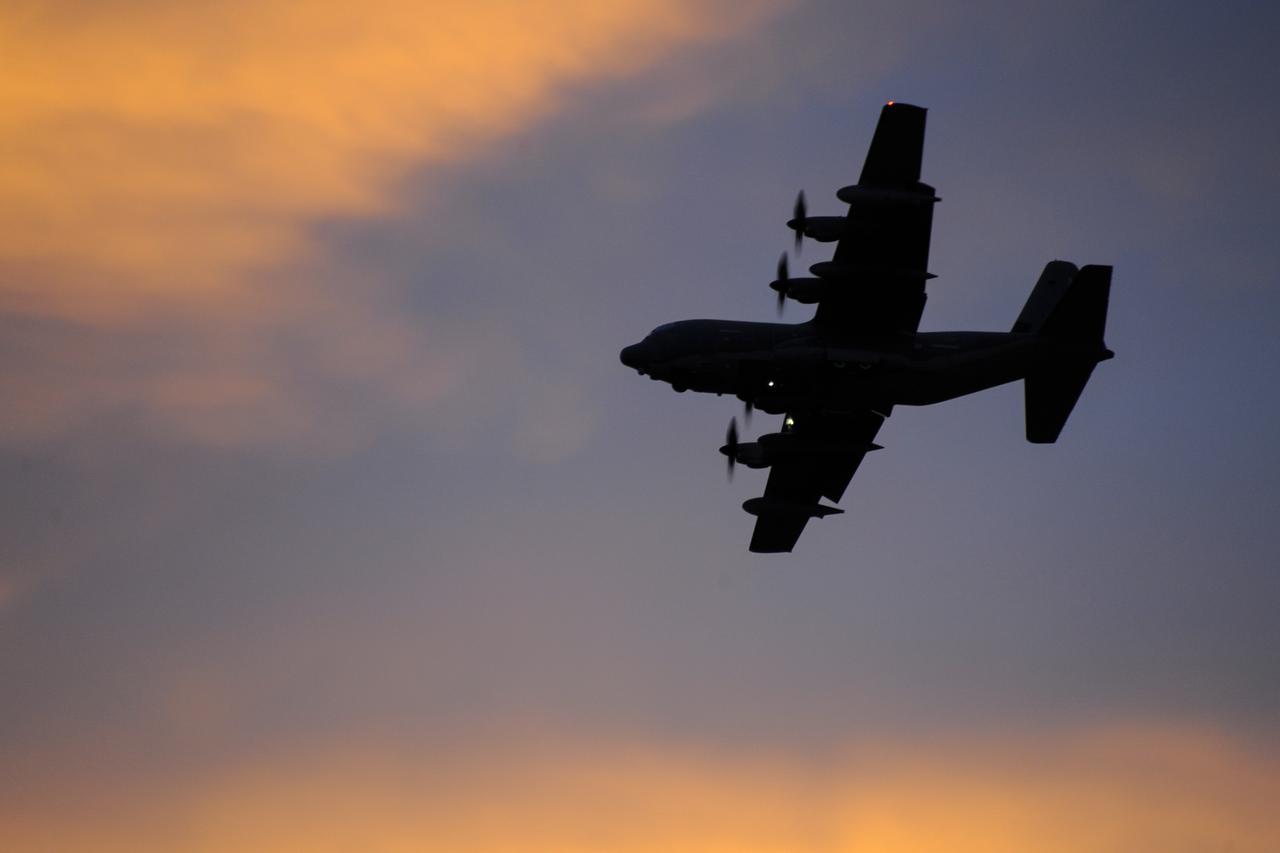


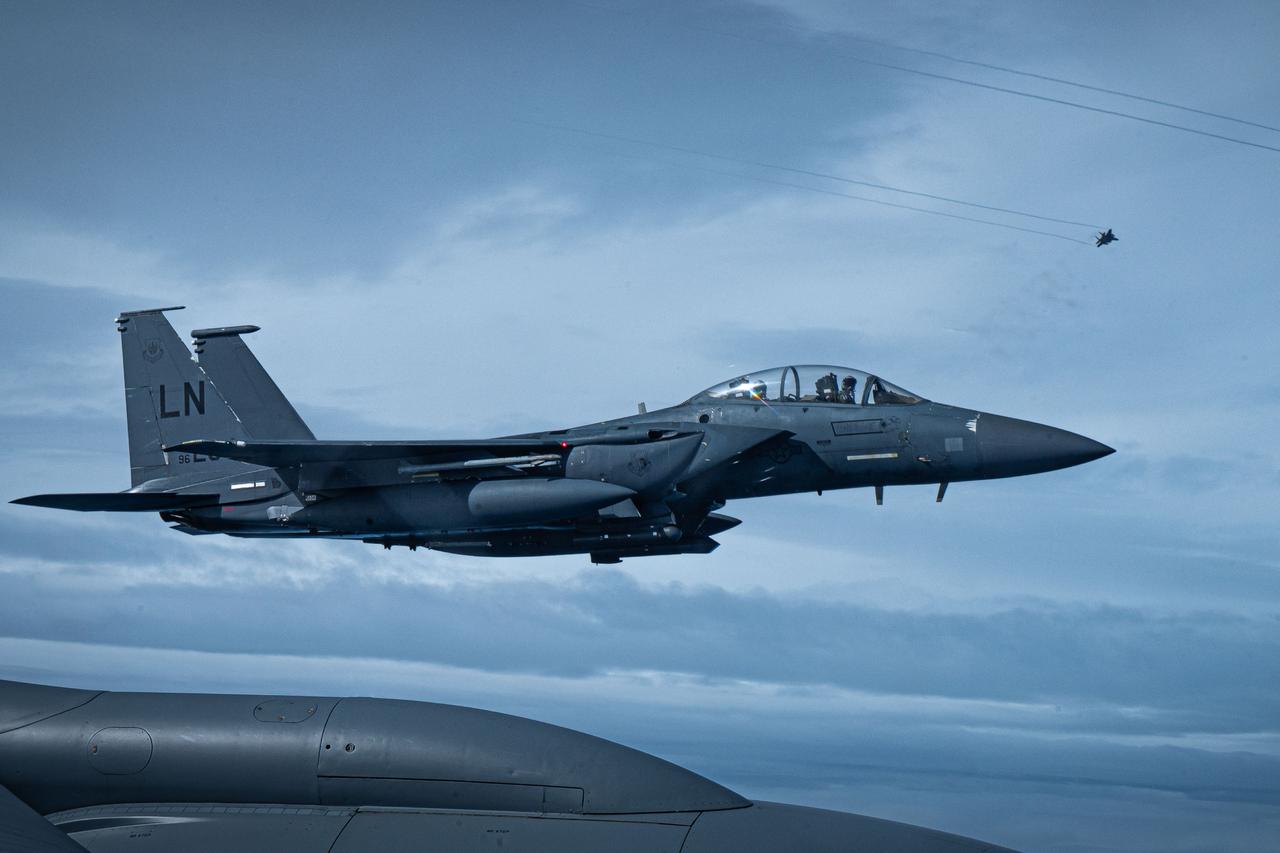
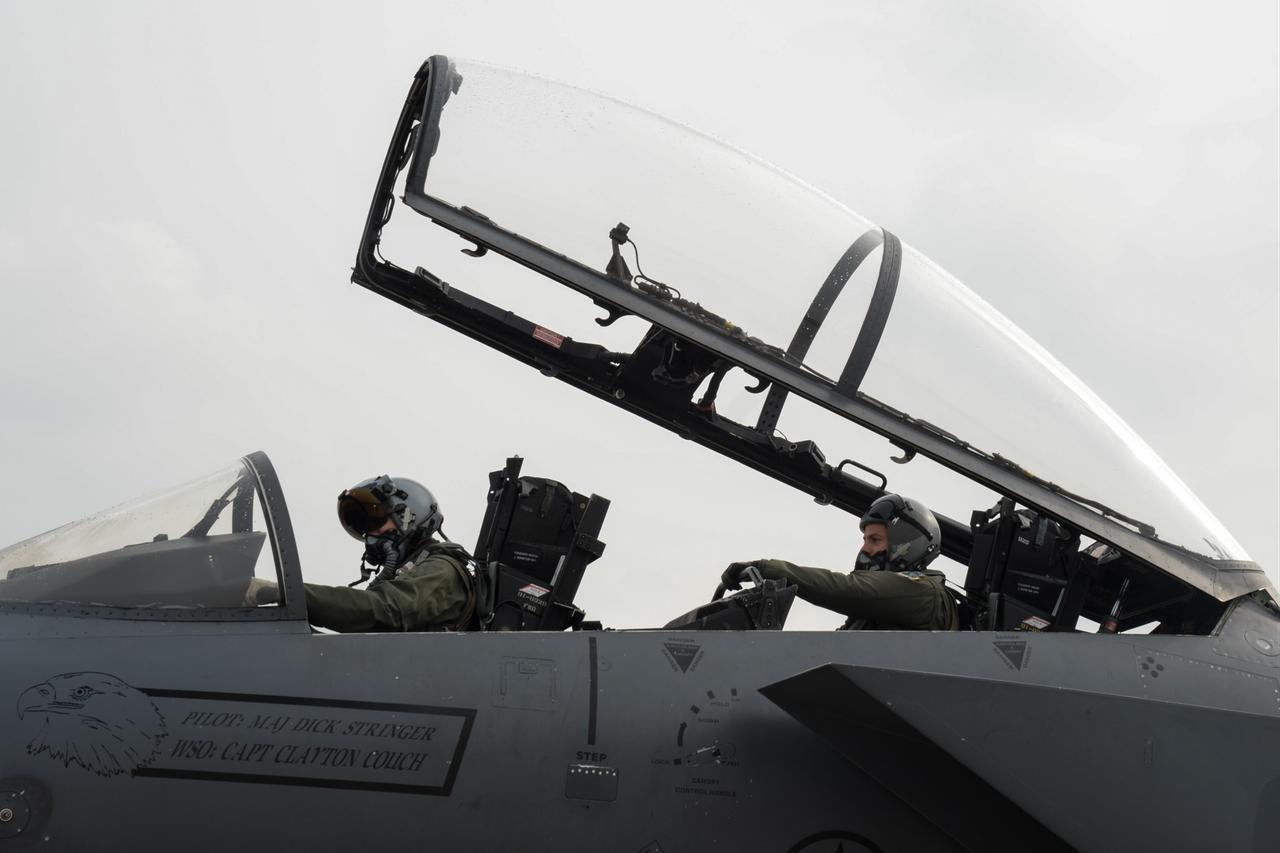
U.S. forces destroyed two of their own transport planes that became stranded at a remote base in Iran during the rescue of a downed F-15E crew member, the New York Times reported Sunday.
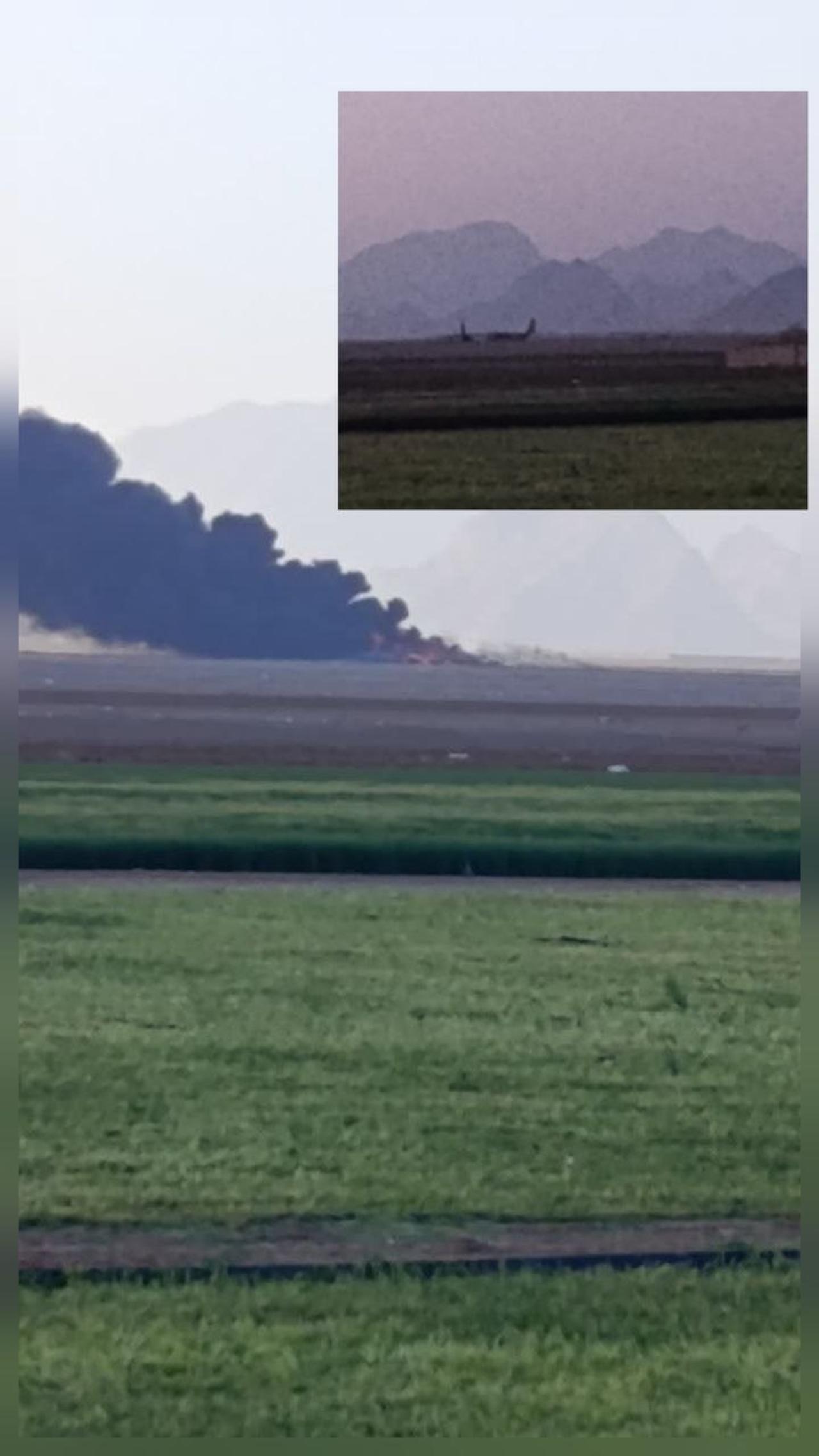
Iran's Islamic Revolutionary Guard Corps (IRGC) and police separately claimed they shot down a U.S. C-130 support aircraft near Isfahan, adding another contested chapter to the most chaotic 48 hours of the five-week war.
The weapons systems officer, a colonel, was rescued by U.S. special forces early Sunday morning local time after hiding for more than 36 hours in the mountains of southwestern Iran with little more than a pistol for defense.
He was flown to Kuwait for treatment of injuries sustained during ejection.
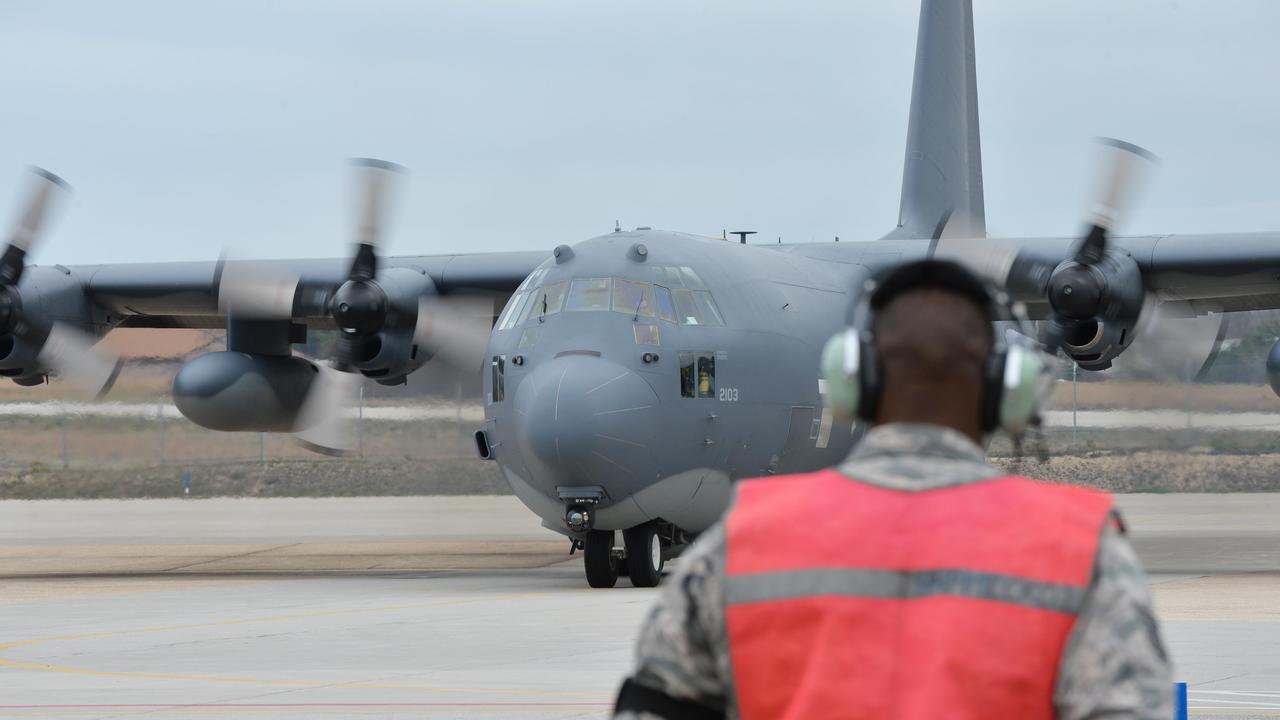

In what the New York Times described as "a final twist," two transport planes designated to carry the commandos and the rescued officer to safety became disabled at a remote base inside Iran.
Rather than risk the aircraft, which contained sensitive equipment, falling into Iranian hands, commanders ordered them destroyed and flew in three replacement aircraft to extract all U.S. military personnel.
The destruction of the aircraft on enemy soil represents a significant operational complication that underscores the extreme risks of conducting sustained operations deep inside Iranian territory.
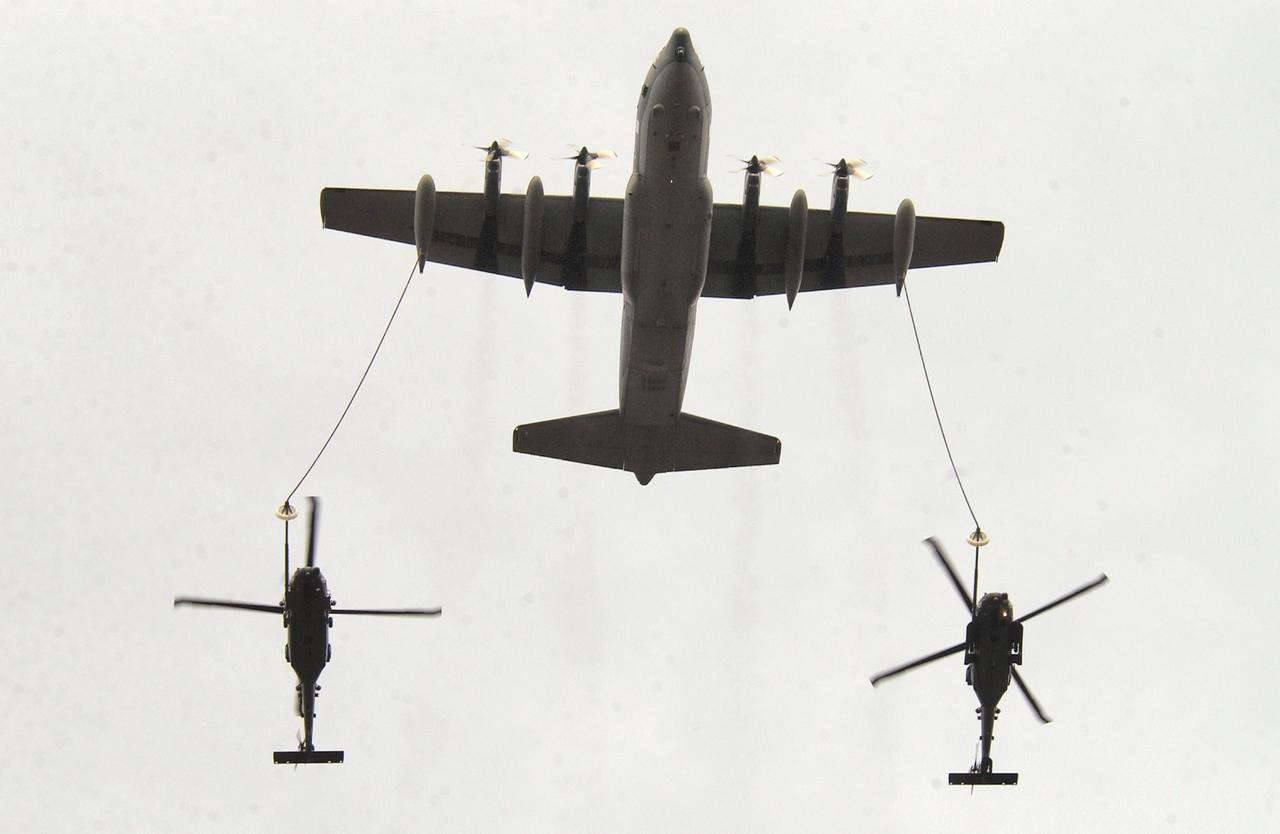
CBS News confirmed that U.S. commandos engaged in a firefight with Iranian troops as they closed in on the stranded officer. U.S. attack aircraft dropped bombs and opened fire on Iranian convoys approaching the area.
"The downed officer was equipped with a beacon and an encrypted communication device for coordinating with rescue forces, but had only a handgun for self-defense while hiding in the terrain," two officials told CBS News.
The Wall Street Journal reported that the U.S. sent "overwhelming firepower" for the mission and that there was "no major firefight with Iranian forces on the ground", a characterization that appears to differ from the CBS and NYT accounts of a ground engagement.
There were no U.S. casualties among the rescue team, officials said. Videos from local eyewitnesses showed what appeared to be injured and dead IRGC and Basij members who had been searching for the American.
Iran's semi-official Tasnim news agency, citing the Revolutionary Guards, claimed a "U.S. enemy aircraft that was searching for the pilot of the downed fighter jet was destroyed by the fighters of Islam in the southern region of Isfahan."
Separately, Iran's police command (FARAJA) claimed its commando unit destroyed a U.S. C-130 support aircraft "with a volume of fire" in the southern Isfahan area.
Local sources cited by Tasnim described the aircraft as a refueling plane.
Neither the Pentagon nor CENTCOM had confirmed or denied the claim at the time of reporting. Iran has made multiple claims throughout the war about shooting down U.S. aircraft, some of which have not been verified.
The New York Times reported that the F-15E was shot down in a region of Iran with "significant opposition to the Iranian government," suggesting the downed officer may have been able to rely on local civilians for shelter and assistance.
This contrasts with areas where the Iranian government urged residents to hunt for the American and offered a $60,000 reward for his live capture.
Armed tribesmen and villagers had been searching the mountains with personal weapons.
The mission involved hundreds of special operations troops, dozens of warplanes and helicopters, and cyber, space and intelligence capabilities.
A senior U.S. military official described it as "one of the most challenging and complex in the history of U.S. special operations."
The CIA also played a key role, launching a deception campaign inside Iran and using what an official described as "unique capabilities" to locate the officer in a "mountain crevice."


 Set as preferred source
 Set as preferred source


 1 min read
 1 min read