Newsletters


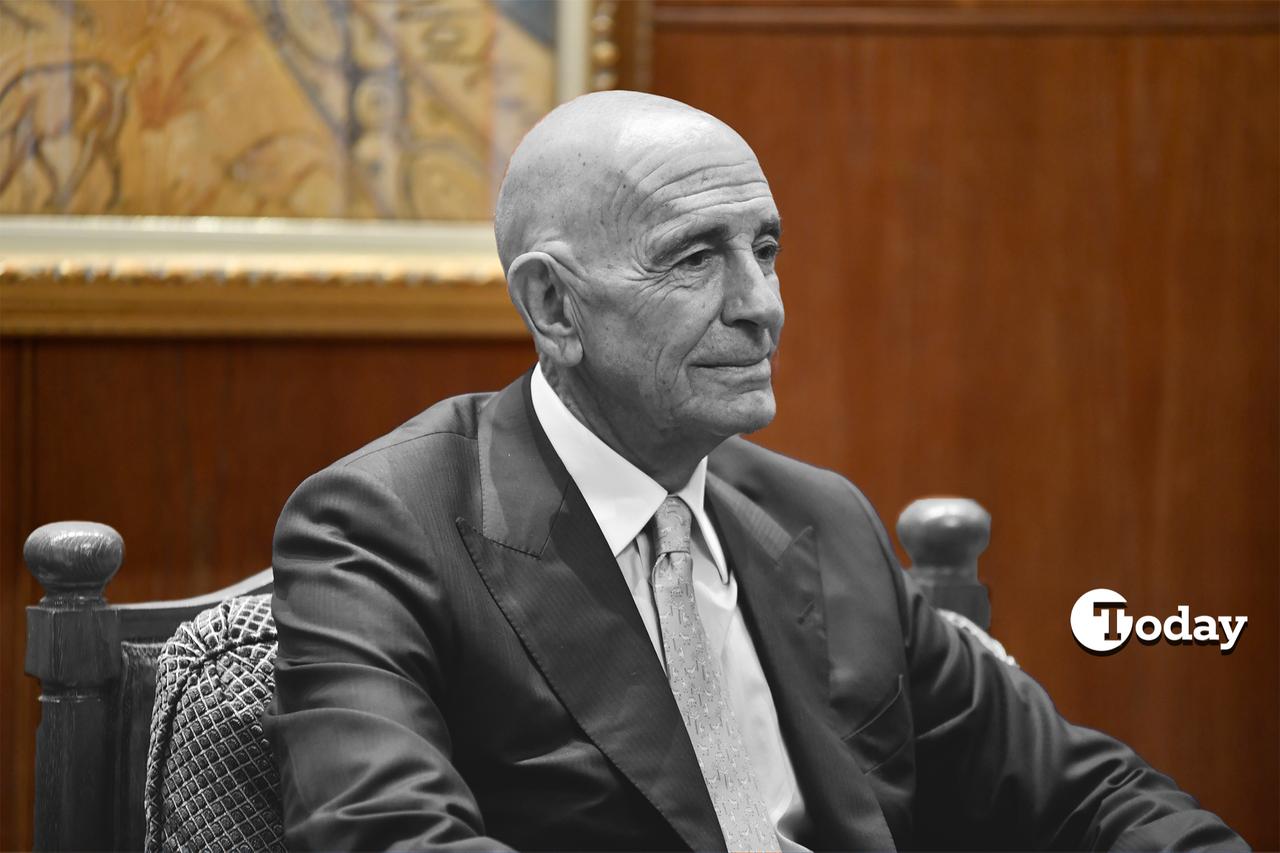


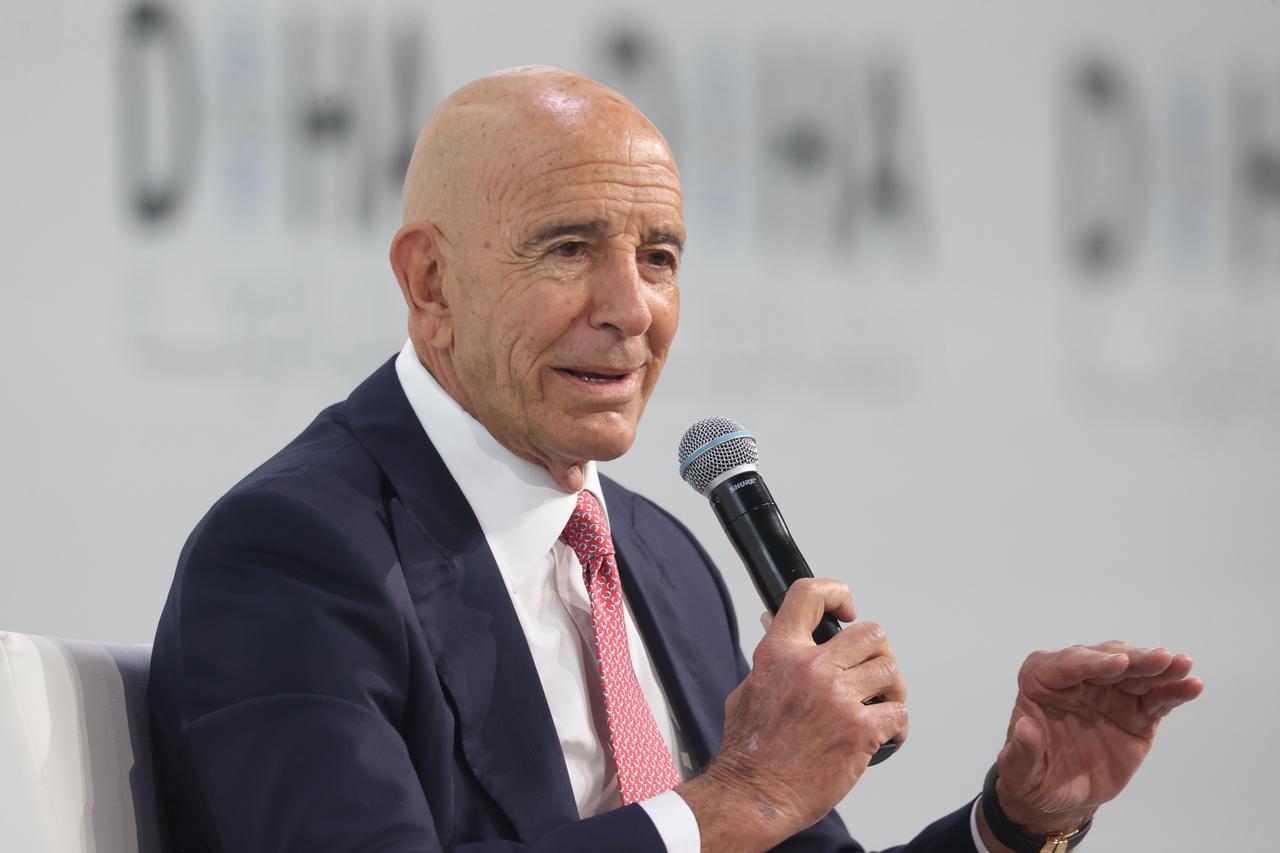
U.S. Ambassador to Türkiye Tom Barrack, who also serves as U.S. President Donald Trump's special envoy to Syria, said Ankara harbors no aggressive intent toward Israel and dismissed narratives of Turkish expansionism as "nonsense" during an interview at Israeli media outlet The Jerusalem Post's Washington Conference on Wednesday.
"In Türkiye, they say Israel wants to stretch from Venice to Dubai," Barrack said, adding that, "In Israel, they say Erdogan wants to rebuild the Ottoman Empire. Both notions are nonsense."
Barrack acknowledged Tel Aviv's distrust of President Recep Tayyip Erdogan but insisted a path exists toward meaningful normalization between Israeli Prime Minister Benjamin Netanyahu and Erdogan.
"It just makes too much strategic sense," Barrack noted.
Turkish and Israeli relations are at their lowest level due to Israel's genocidal acts in Gaza.
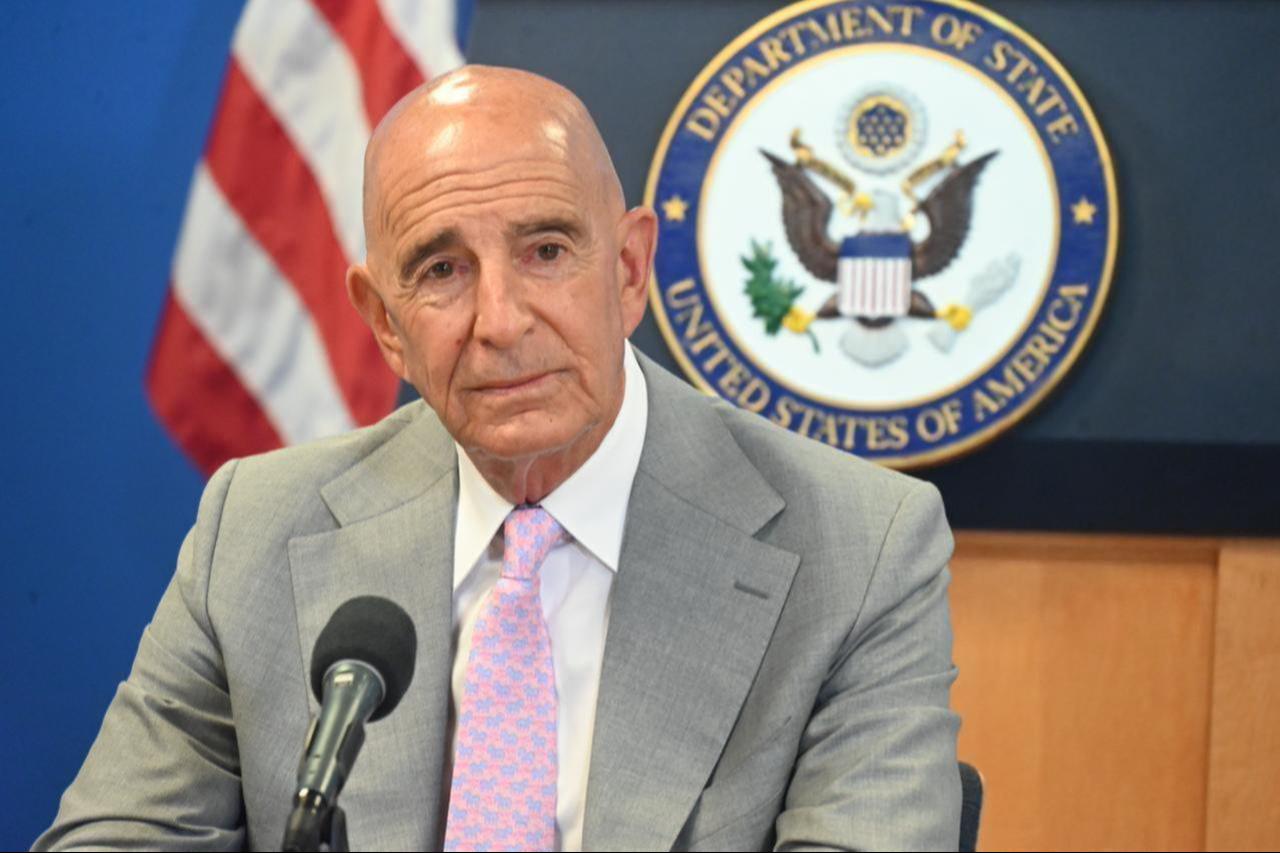

"Israel has publicly opposed Turkish participation in the proposed multinational force in a postwar Gaza, fearing Ankara's close ties with Hamas," Barrack said. However, the U.S. still sees a role for Türkiye's military on the ground, according to the ambassador.
"Türkiye and Qatar were essential in negotiating the ceasefire and securing hostages, because they kept communication channels open," Barrack said.
"Türkiye's large, experienced ground force, along with its established dialogue with multiple actors, "could help cool the temperature," he noted.
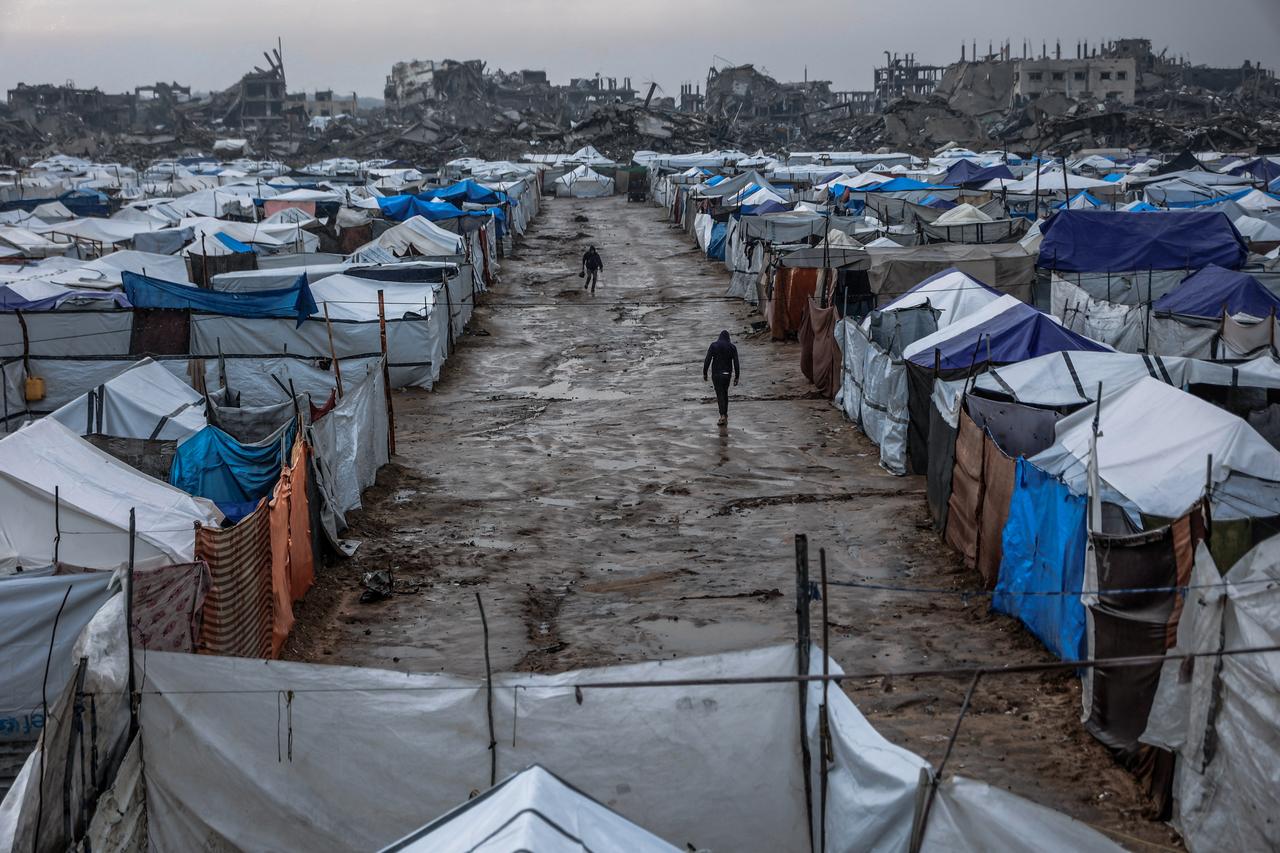
Barrack claimed that connecting the Caucasus, Central Asia, the Caspian Sea and the Mediterranean Sea through Türkiye and Israel would transform regional commerce and reduce dependence on Iranian corridors.
"There's only one real obstacle, and that's Iran," Barrack said.
Türkiye completely halted all export, import, and transit trade operations with Israel, covering all products as of May 2, 2024. Since that date, no Israel-related operations have been recorded in customs exit notifications or export declarations.
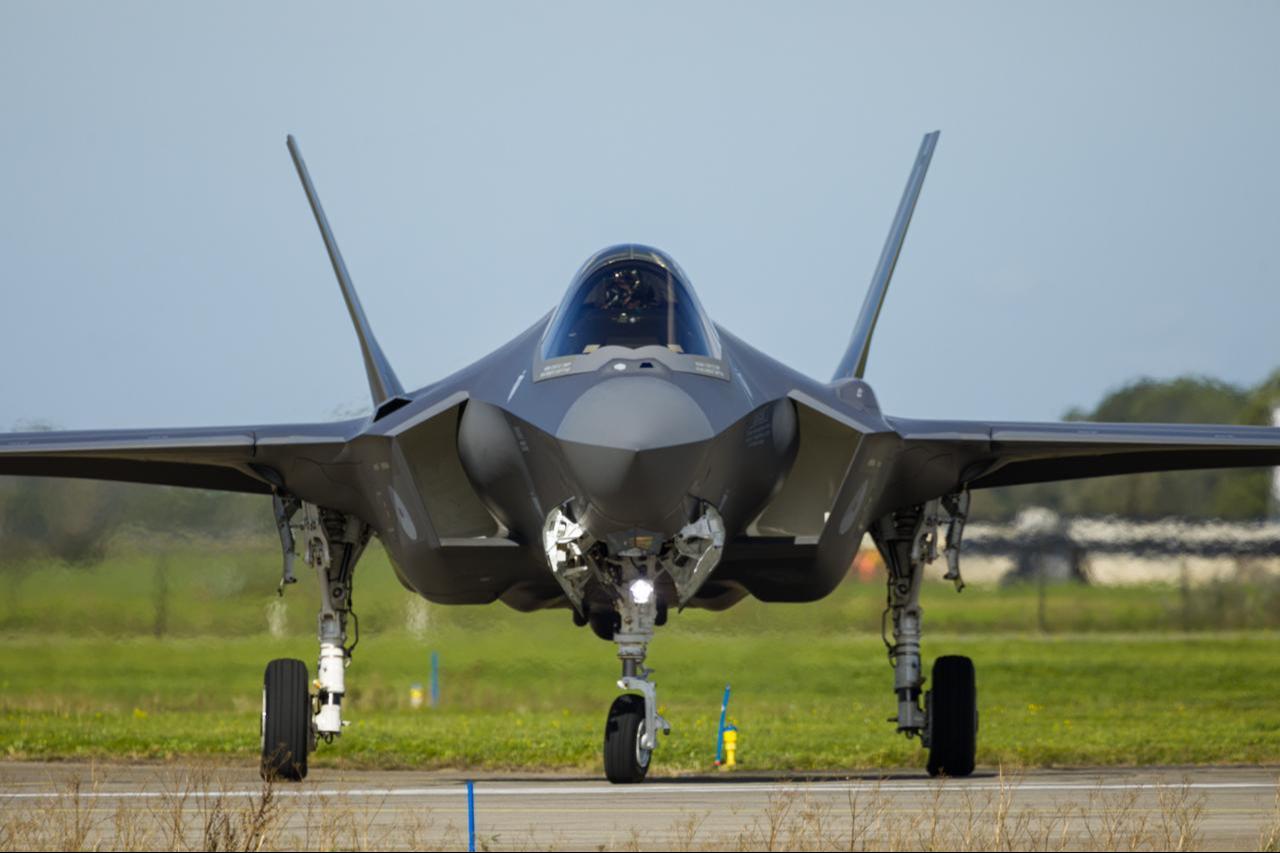
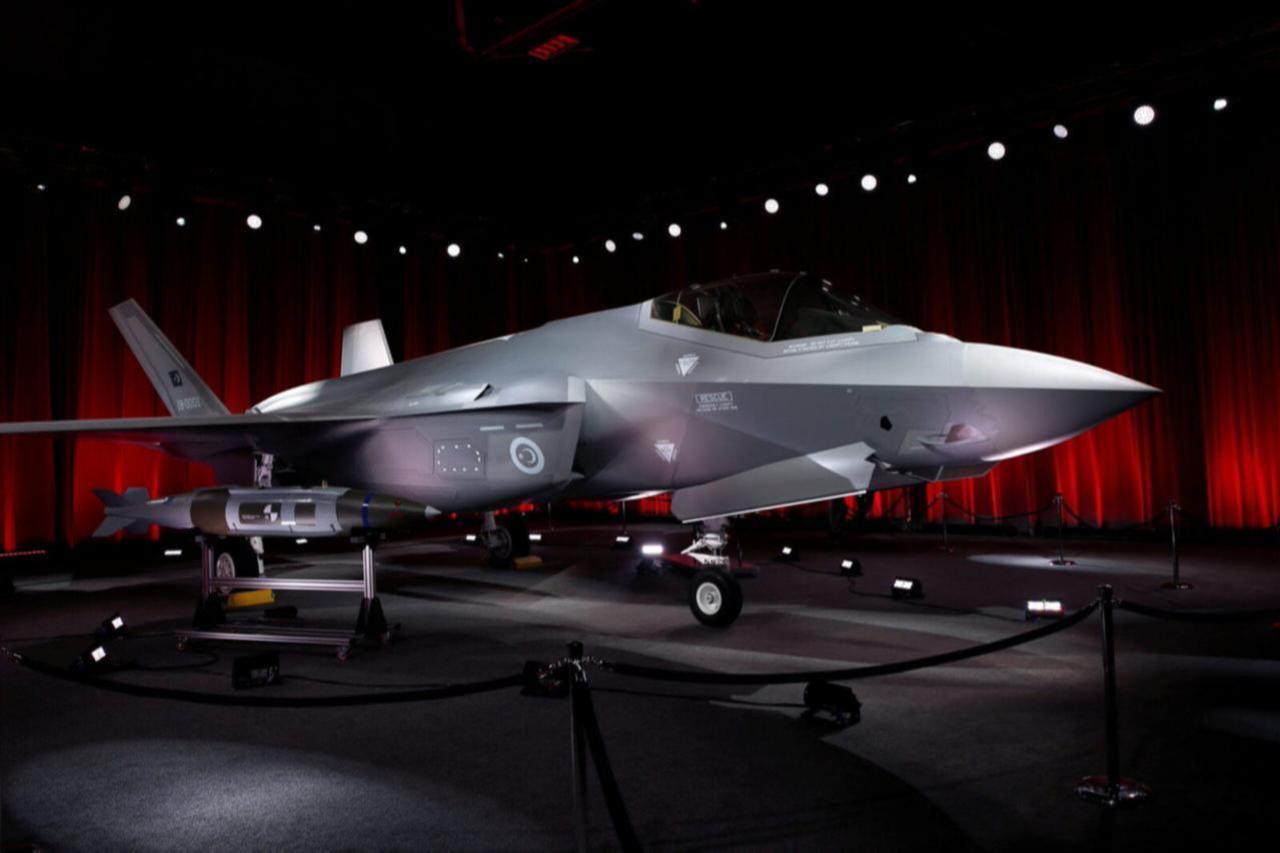
Regarding the stalled sale of F-35 fighter jets to Türkiye, Barrack said "Israel was fiercely opposed to it," adding that the issue is "beyond the scope of his authority."
"That debate is a long way off," Barrack noted.
Much of Barrack's mission revolves around Syria, where he has been leading U.S. efforts to broker a security and border arrangement between Tel Aviv and Damascus.
"I thought we were much closer until I read the Israeli press," Barrack said, noting, "Look, we're going to get there."
Barrack noted that Syria was fundamentally disinterested in aggression toward Israel, consumed instead by threats from Daesh, foreign fighters and Iranian proxies.
"With help from Turkish intelligence, the U.S. and Syria have jointly taken out nine Hezbollah cells and several Daesh factions in recent weeks," he said.
"Not long ago, Syria joining the anti-Daesh coalition was unthinkable," Barrack added.
 1 min read
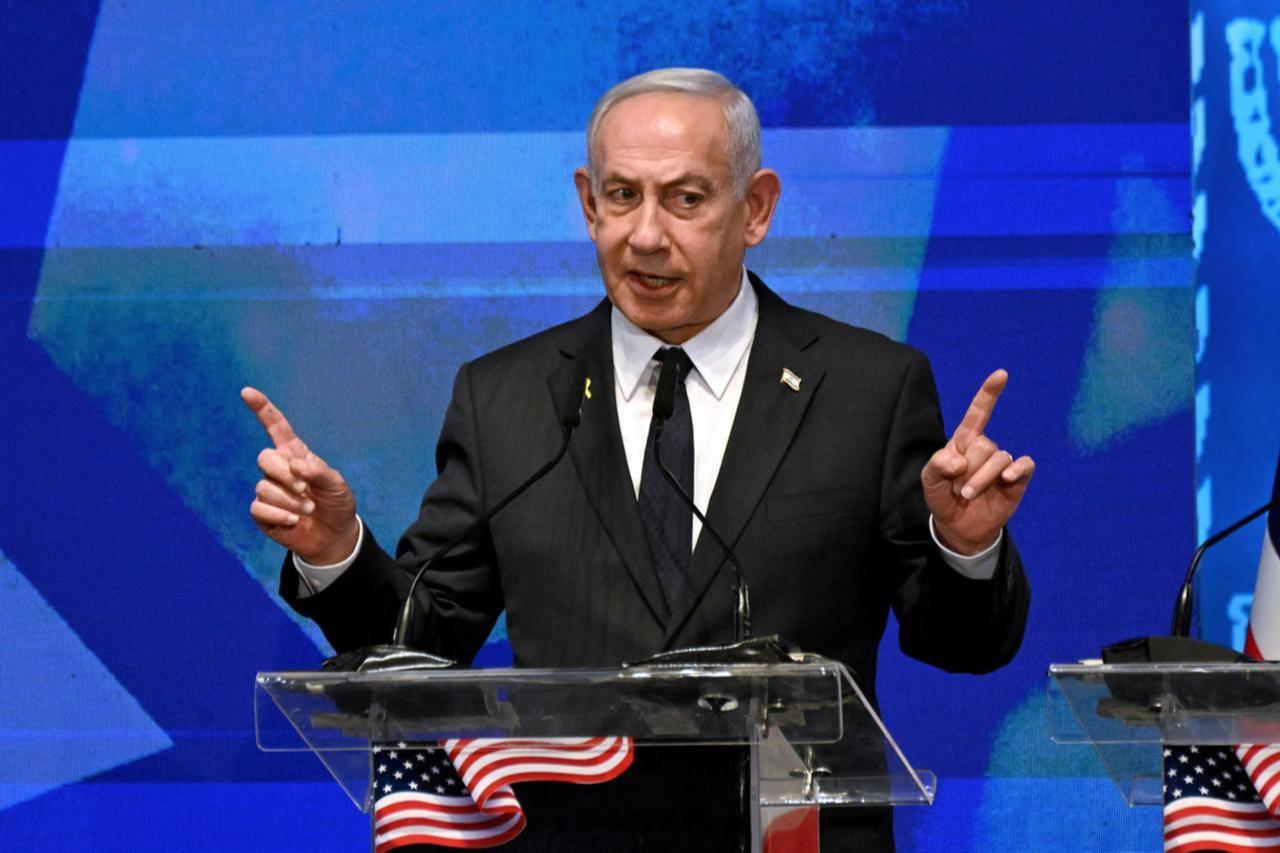
"An updated disengagement structure between Israel and Syria, similar to the 1974 deal, would be feasible," Barrack said.
"Israel was no longer seeking a simple territorial withdrawal but rather a patterned utilization model resembling the follow-up to U.S. Secretary of State Henry Kissinger's agreements with Egypt: limited weapons zones, airspace arrangements and verifiable stages of demilitarization," he added.
"After October 7, Israel doesn't trust anyone," Barrack said, adding that, "That's why we've offered to serve as a peacekeeping force. Verification replaces trust."


 Set as preferred source
 Set as preferred source


 1 min read