Newsletters


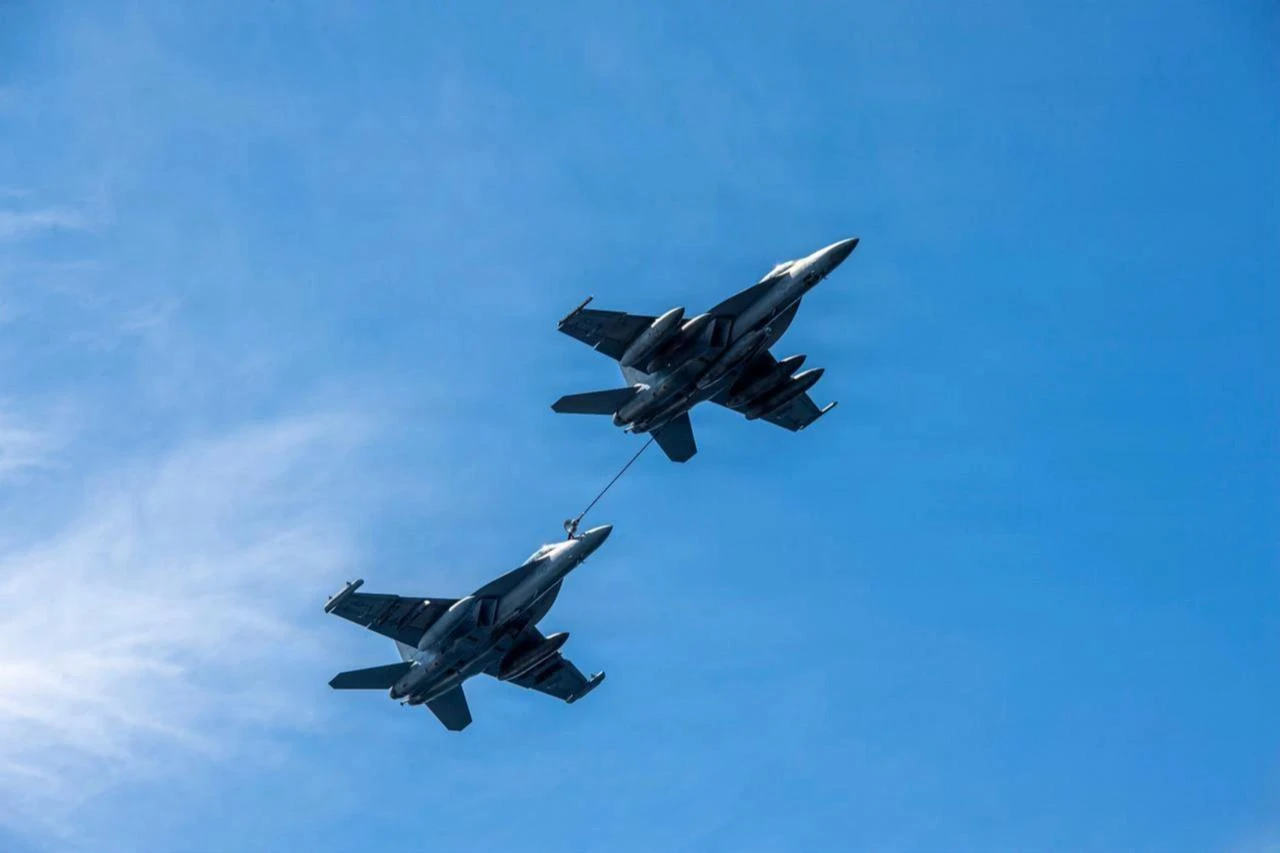


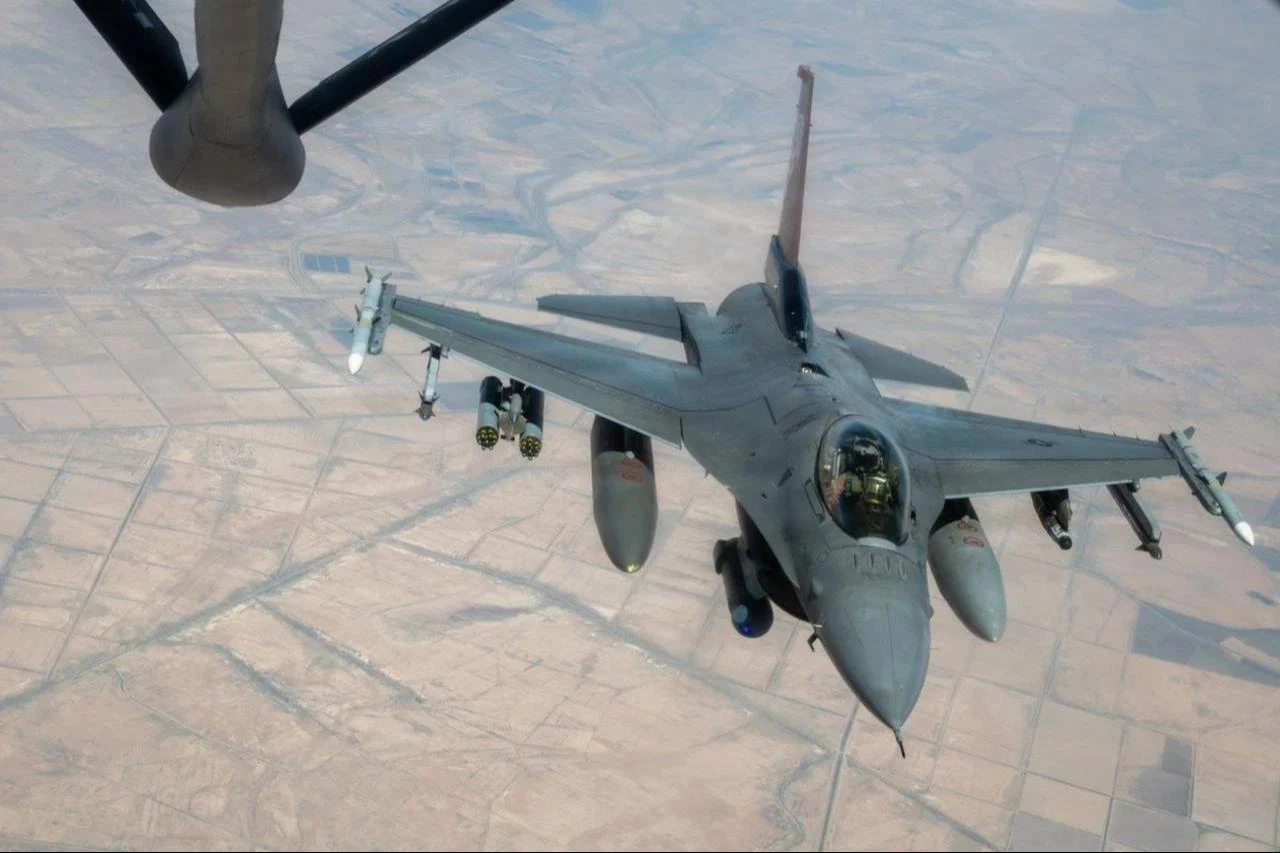
The Trump administration has informed Israel that it plans to send dozens of additional military refueling planes to the country as President Donald Trump considers expanding U.S. operations against Iran, Axios reported, citing three U.S. and Israeli officials.
Trump has not made a final decision, but U.S. and Israeli officials said he could order an escalation in the coming days after reviewing several new military plans during a Situation Room meeting Tuesday.
The proposed campaign would be broader than the current U.S. strikes around the Strait of Hormuz and could include attacks on Iranian infrastructure and nuclear facilities.
Among the options under consideration are strikes on Iranian infrastructure, including power plants, according to the report.
The plans also include further attacks on Iran’s nuclear facilities intended to bury the country’s enriched uranium deeper underground.
Another option involves bombing the underground Pickaxe Mountain site, which is suspected of being a facility under development.
Trump appears willing to expand the war in an effort to inflict enough damage to push Iran to reopen the Strait of Hormuz and accept his nuclear demands, although he has not yet approved any of the plans.
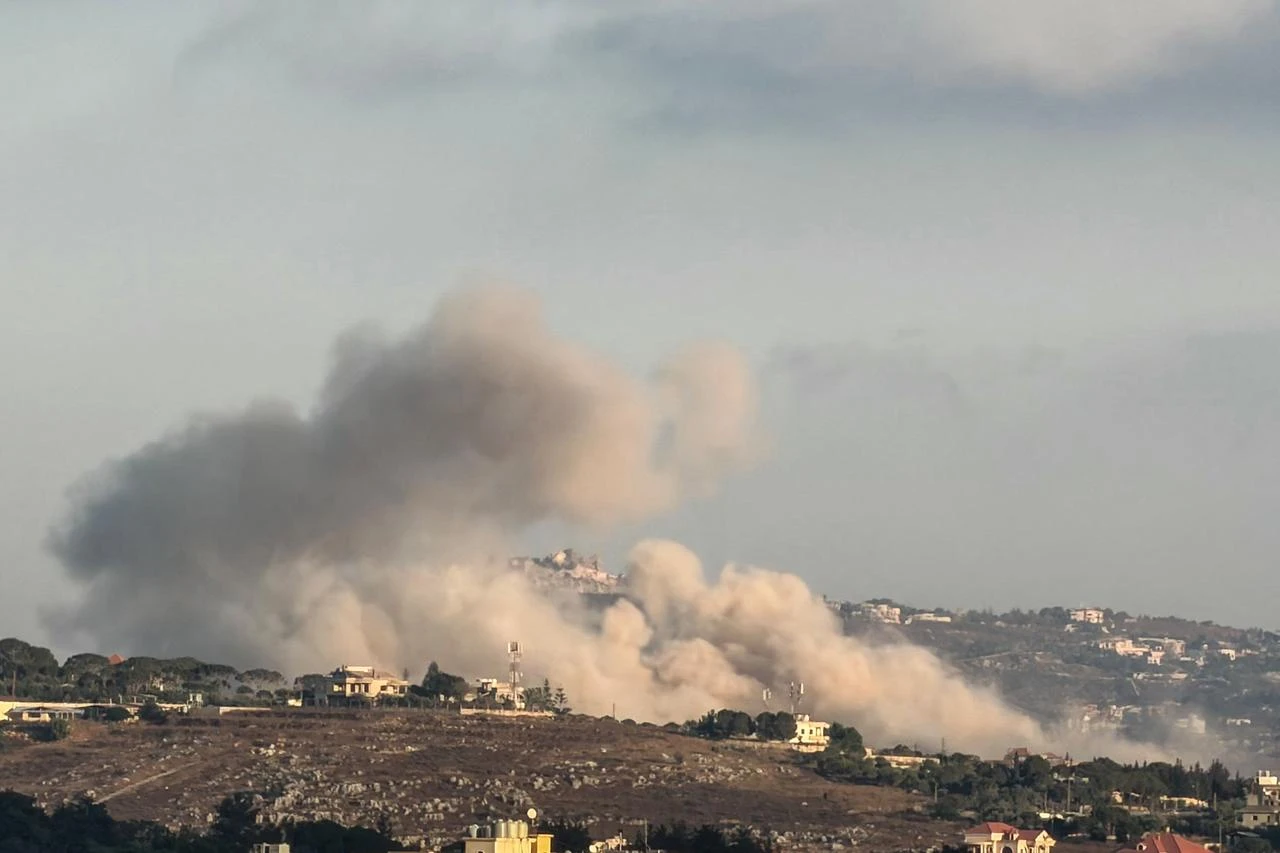

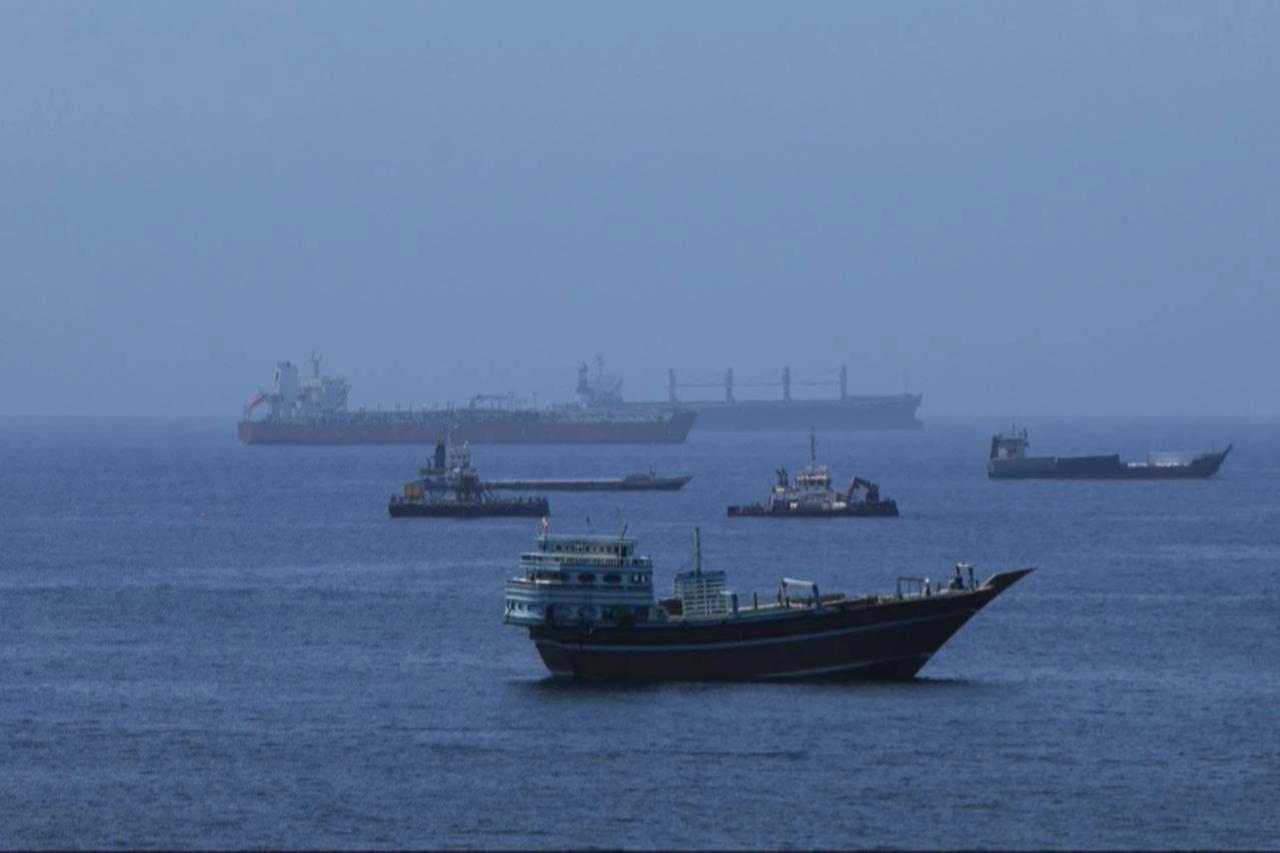
The U.S. military carried out strikes against Iranian targets in the Strait of Hormuz and along Iran’s southern coastline Thursday for the fifth consecutive day.
A U.S. official said American forces bombed at least seven bridges around Bandar Abbas, which is considered a center for Islamic Revolutionary Guard Corps operations in the Strait of Hormuz.
The official said ammunition, supplies and reinforcements move through Bandar Abbas to other areas around the strait.
Iran also intensified attacks targeting U.S. bases in Jordan, Qatar, Bahrain, Iraq and Kuwait.
The IRGC claimed that it had attacked an American base in Syria, although U.S. forces withdrew from the site several months ago.
The U.S. currently has about 30 military refueling planes stationed at Ben Gurion International Airport near Tel Aviv and approximately the same number at Ramon Airport in southern Israel.
Israeli officials said Washington wants to deploy several dozen additional refueling planes in the coming days.
The deployment would bring the number of aircraft back to the level recorded at the beginning of the war.
Israeli officials said the U.S. military prefers to operate the refueling planes from Ben Gurion Airport because other regional air bases are more exposed to Iranian attacks and considered less secure for American aircraft.

Iran has so far been deterred from attacking Israel because such an assault would likely trigger a large-scale Israeli response, according to the report.
Israeli Prime Minister Benjamin Netanyahu warned Iran’s leadership Tuesday not to assume that Israel would remain quiet if attacked.
“I can tell you only one thing, and I will say this to the leaders of Iran: Do not count on it being quiet if you attack us,” Netanyahu said.
“Do not count on a rerun. Because it will not be a rerun, and that was already powerful enough. This will be a different event, much more powerful,” he added.
The presence of U.S. military refueling planes has become a politically sensitive issue in Israel.
Dozens of aircraft parked at Ben Gurion Airport for months have nearly filled the airport’s available capacity.
The situation caused fewer difficulties during the height of the war, when Israeli airspace was largely closed and many airlines had suspended flights to Tel Aviv.
With the airspace now open and Israelis traveling for summer vacations, the arrival of additional U.S. refueling planes could result in widespread flight cancellations.
The disruption could harm Netanyahu’s governing coalition three months before an election.
Israeli Transportation Minister Miri Regev, a close Netanyahu ally, has pushed for the U.S. refueling planes to be moved out of Ben Gurion International Airport or for their number to be limited.
Israel’s Defense Ministry and military have opposed that proposal.
The Trump administration has asked the Israeli government to accommodate the additional aircraft.
Netanyahu will make the final decision on whether the planes can be deployed as requested.


 Set as preferred source
 Set as preferred source


 2 min read
 1 min read