Newsletters


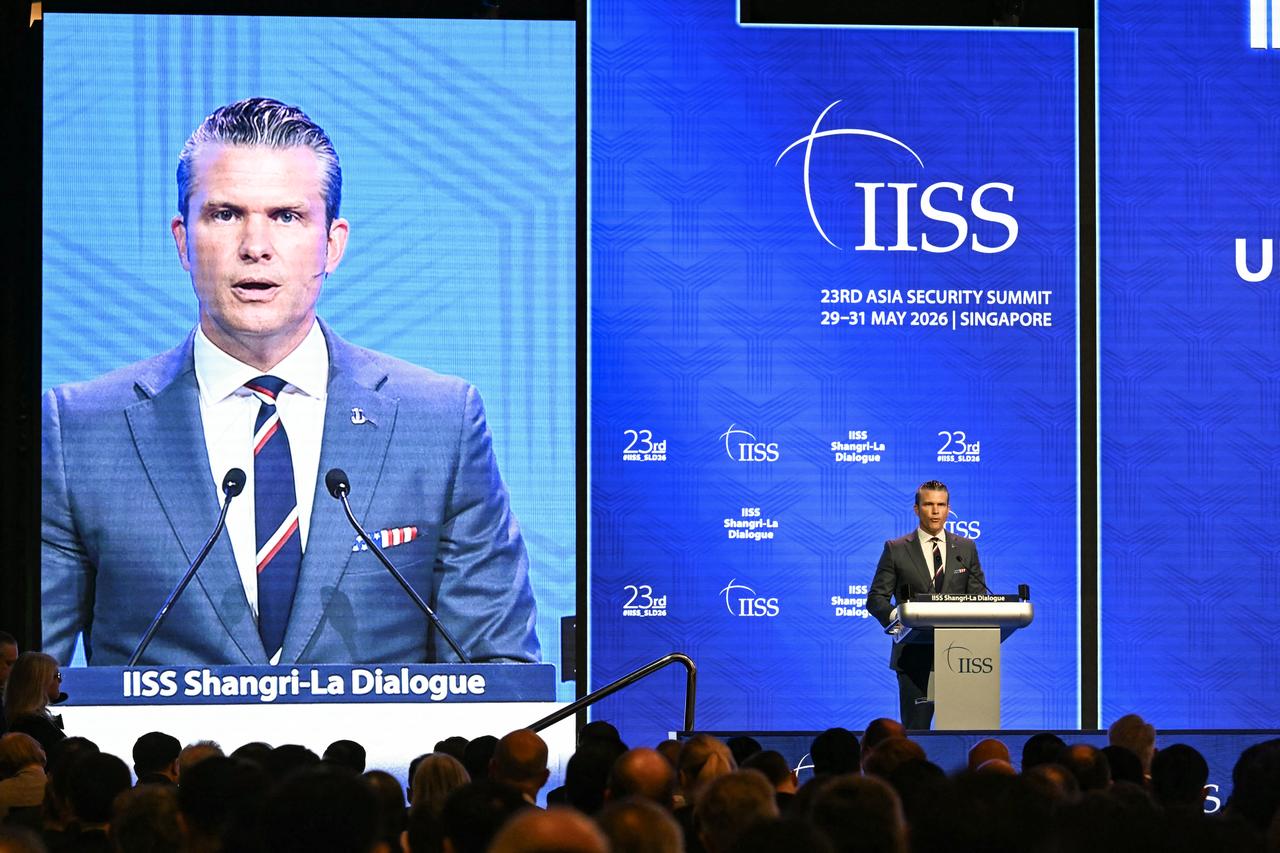
U.S. Defense Secretary Pete Hegseth stated Saturday that the United States is "more than capable" of restarting its war with Iran while striking a notably measured tone toward China, calling for a "stable equilibrium" in Asia at the region's premier defense gathering, even as talks on a peace deal with Tehran remained unresolved.
Hegseth delivered the headline speech at Singapore's Shangri-La Dialogue, which brings together top defense officials and experts from around 45 countries, before a bumper U.S. delegation and a notably absent Chinese defense minister.
Hegseth said the United States had the capacity and weapons to resume the Iran war at any moment.
"Our ability to recommence if necessary...we are more than capable. Our stockpiles are more than suited for that, both there and around the globe, so we're in a very good place," he said.
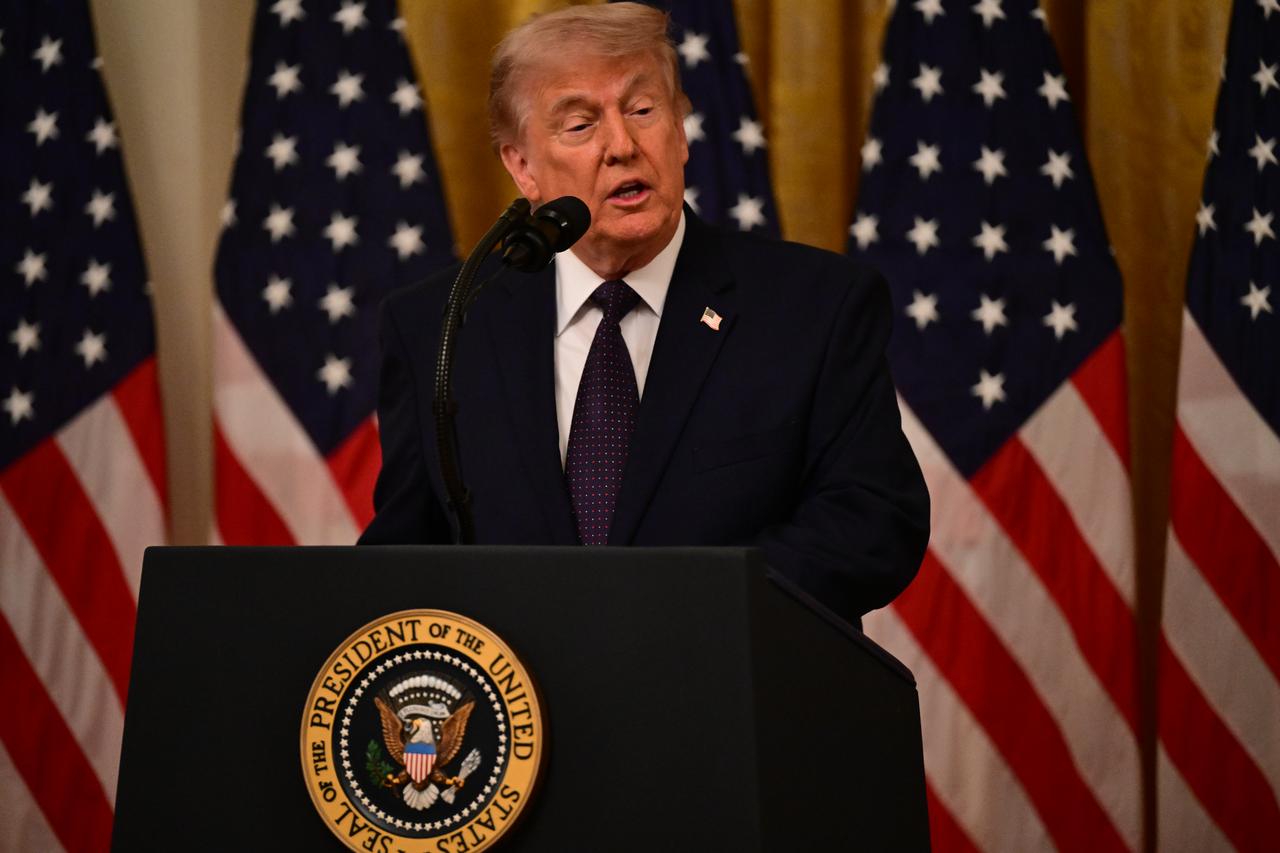
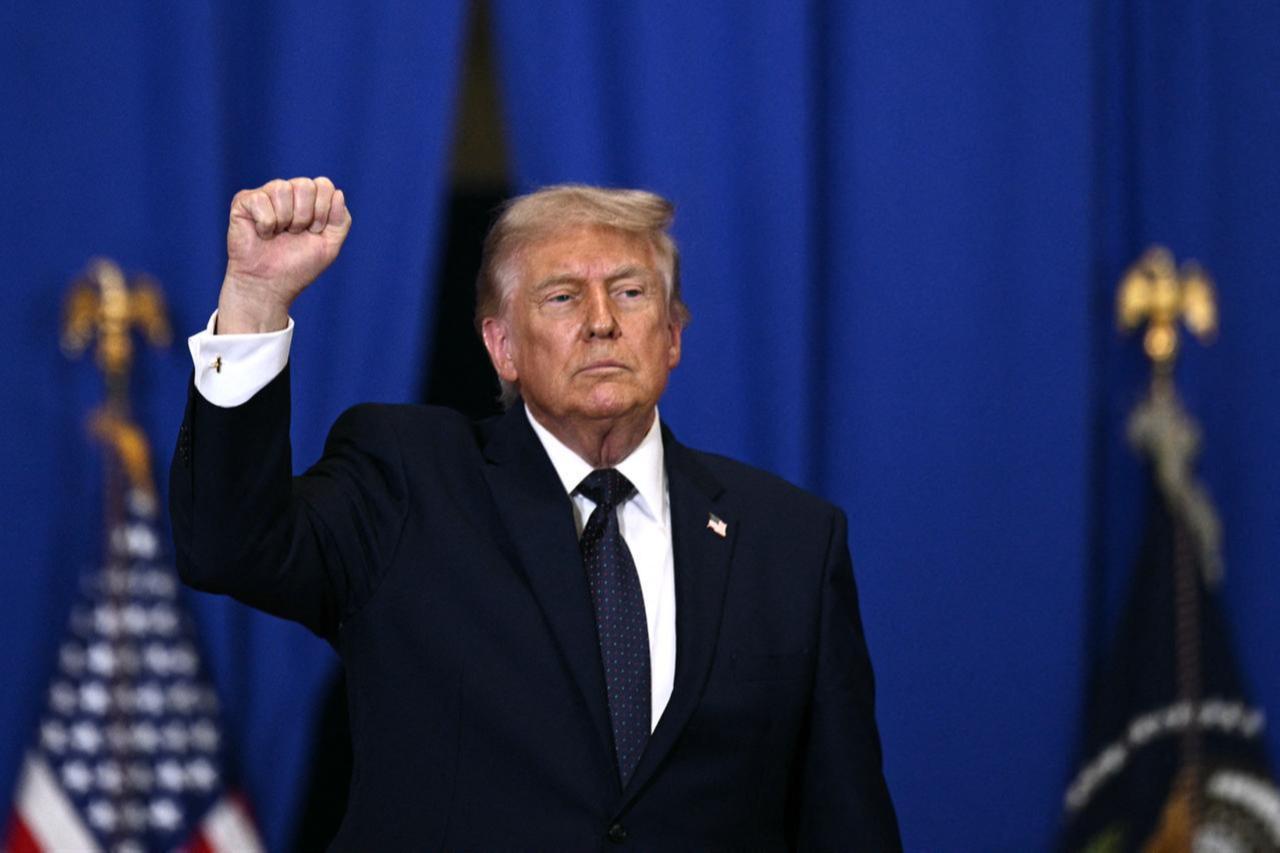
He said he had spoken with Trump that morning, adding, "He wanted me to reiterate how patient he is in ensuring that with America undertaking this kind of historic endeavor, any deal will be a good one, a great one, and he's patient in the pursuit of that."
"We still have a global obligation to ensure that, say, Iran doesn't get a nuclear weapon," he added. "If Iran doesn't want to make a great deal that ensures they don't get a nuclear weapon," then Iran can "deal with" the U.S. military.
When a reporter challenged his "any deal will be a good deal" remark, Hegseth fired back: "I love the disingenuous questions from the disingenuous press. I said it will be a good deal."

Trump's conditions, posted on Truth Social before he entered the White House Situation Room on Friday to make what he called a "final determination" on a proposed 60-day truce extension, included Iran agreeing never to "have a nuclear weapon or bomb," the immediate reopening of the Strait of Hormuz, and the destruction of all of Iran's "nuclear dust."
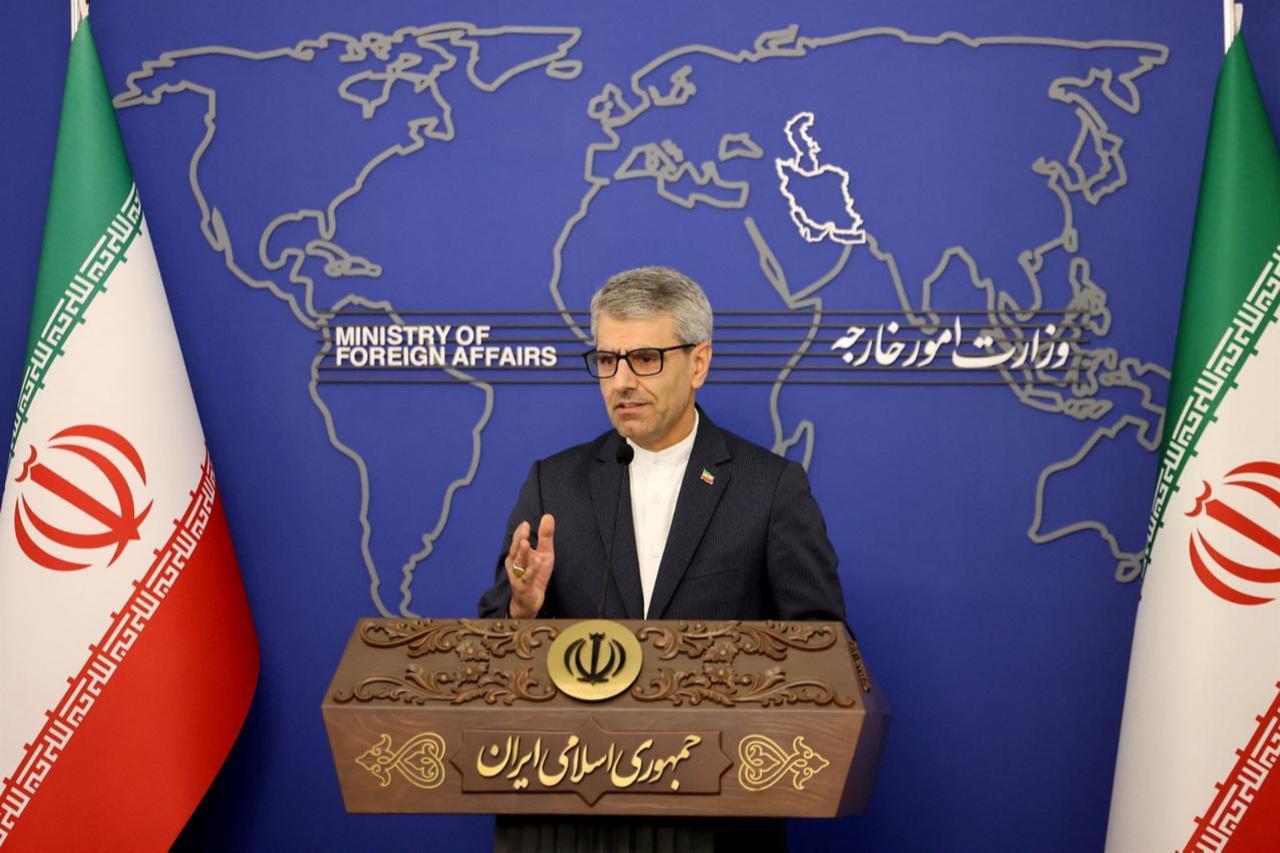
A White House official told Agence France-Presse (AFP) on Friday that Trump would only commit to a deal if Iran met all his conditions. Iran said "no final agreement" was in place, and Iranian state media rebutted parts of Trump's characterization of the deal.
The war launched by the U.S. and Israel on Feb. 28 has killed thousands of people, mainly in Iran and Lebanon, and caused global economic pain through Iran's effective closure of the Strait of Hormuz.
Hegseth said the U.S. is not abandoning the Asia-Pacific despite the war with Iran.
"We can do two things at one time. We're super-charging our defense industrial base so that we're building 2X, 3X, and 4X the munitions very soon to ensure that all of our (operations) plans are properly funded throughout the world," he noted.
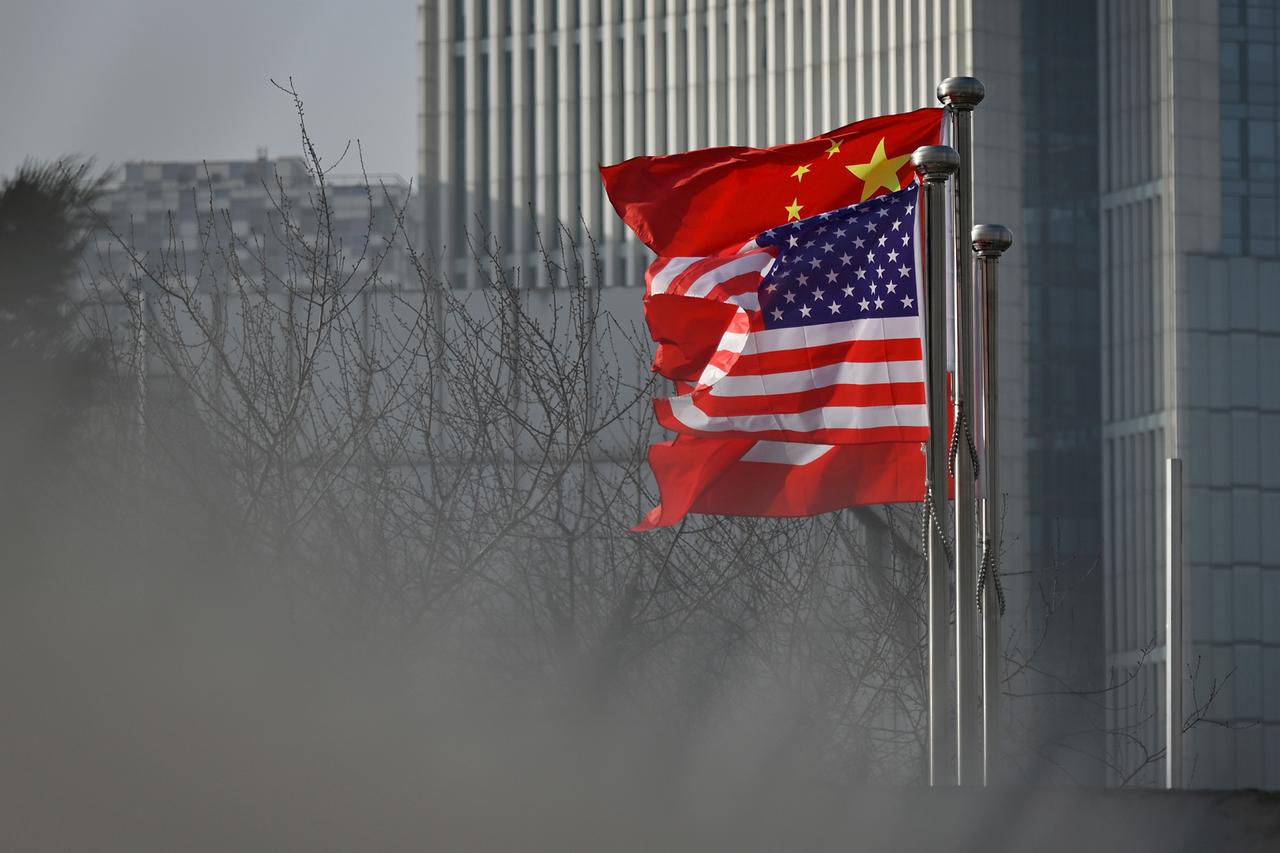
Hegseth's tone on China differed sharply from his address at the same forum last year, when he painted Beijing as a potentially "imminent" threat and took a potshot at the absent Chinese defense minister, saying, "We are here this morning, and somebody else isn't."
Saturday's speech echoed the "quite happy, quite positive" atmosphere of Trump's China visit this month, said Oh Ei Sun, senior fellow at the Singapore Institute of International Affairs. But he saw no "deliberate rapprochement," saying the address "simply reflects how this (U.S.) administration views superpower competition; we have to beef up our own capability, and we have to make sure our allies are also working hard and putting up the money."
Hegseth acknowledged "rightful alarm" over China's military build-up but framed Washington's goal in measured terms.
"When we look across the region today, there is rightful alarm regarding China's historic military build-up and the expansion of its military activities in the region and beyond," he said.
"Washington does not seek needless confrontation, but rather a genuinely stable equilibrium (in Asia) that works for Americans as well as our allies," he added, meaning "a favorable but durable balance of power in which no state, including China, can impose its hegemony and hold the security or prosperity of our nation and our allies in question."
Hegseth said the U.S. sought "respectful" and "good-faith" engagement with Beijing.
"I wish my counterpart was here at this conference, but I look forward to other options when we can cross paths," he said.
China sent Major General Meng Xiangqing of the National Defense University and a panel of military experts, rather than Defense Minister Dong Jun, for the second consecutive year.
Analysts have said the absence reflects Beijing's confidence as an established power with little inclination to publicly answer for its assertive regional moves. Some argue China risks having no senior policymaker present if Hormuz or Taiwan comes up.
On Taiwan, Hegseth said there had been "no change" in Washington's stance but that "any decision about future Taiwan arms sales... will rest with" Trump. Trump this month suggested the U.S. could use arms sales to self-ruled Taiwan as a bargaining chip with Beijing.
Hegseth used the forum to press allies on defense spending, praising South Korea, Japan, Australia, and the Philippines by name while warning others.
"The era of the United States subsidizing the defense of wealthy nations is over. We need partners, not protectorates. We don't have a strong alliance unless everyone has skin in the game. No freeloading," he said.
"Allies who refuse to step up and carry their own weight for our collective defense will face a clear shift in how we do business," Hegseth noted.
Hegseth was also due to meet his British and Australian counterparts as part of the AUKUS security alliance. Australian media, citing unnamed sources, reported that the AUKUS nations are expected to announce a major project, potentially involving uncrewed underwater vehicles.


 Set as preferred source
 Set as preferred source


 1 min read
 1 min read