Newsletters


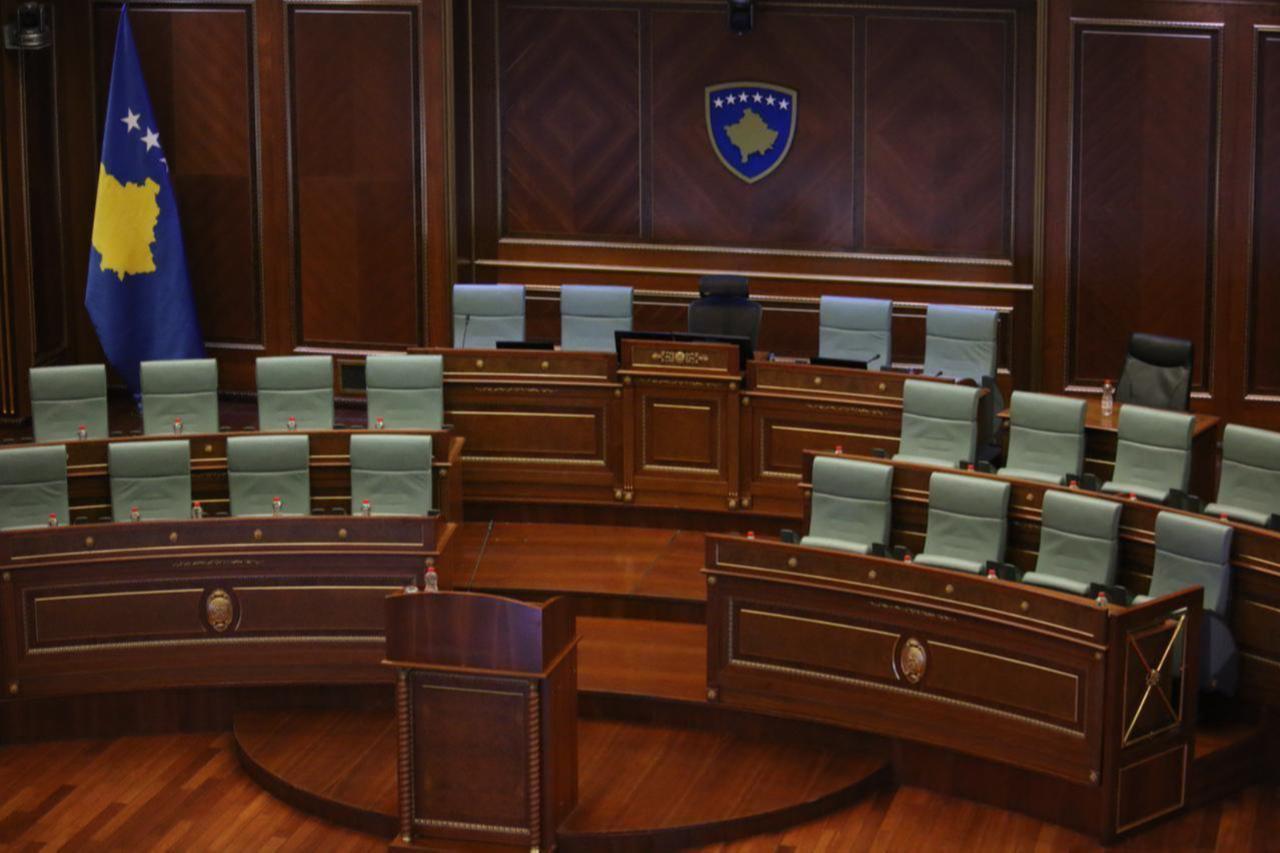


The United States sharply rebuked Kosovo's ruling party Wednesday after it attempted to prevent the main Serb political group from participating in upcoming elections, marking the latest friction between Washington and its longtime Balkan ally.
Members of the Vetevendosje party blocked the Srpska Lista from electoral certification Tuesday, voting against the group's registration for polls scheduled for December 28. The move drew swift condemnation from the US embassy in Pristina, which described the action as detrimental to both Kosovo's stability and American strategic interests in the region.
"Such actions undermine Kosovo's stability and US interests," the embassy said in a statement posted to Facebook, calling the electoral maneuver "shortsighted and divisive."
The confrontation highlights deepening tensions between Kosovo's government, led by caretaker Prime Minister Albin Kurti, and Western powers over the country's treatment of its ethnic Serb minority.
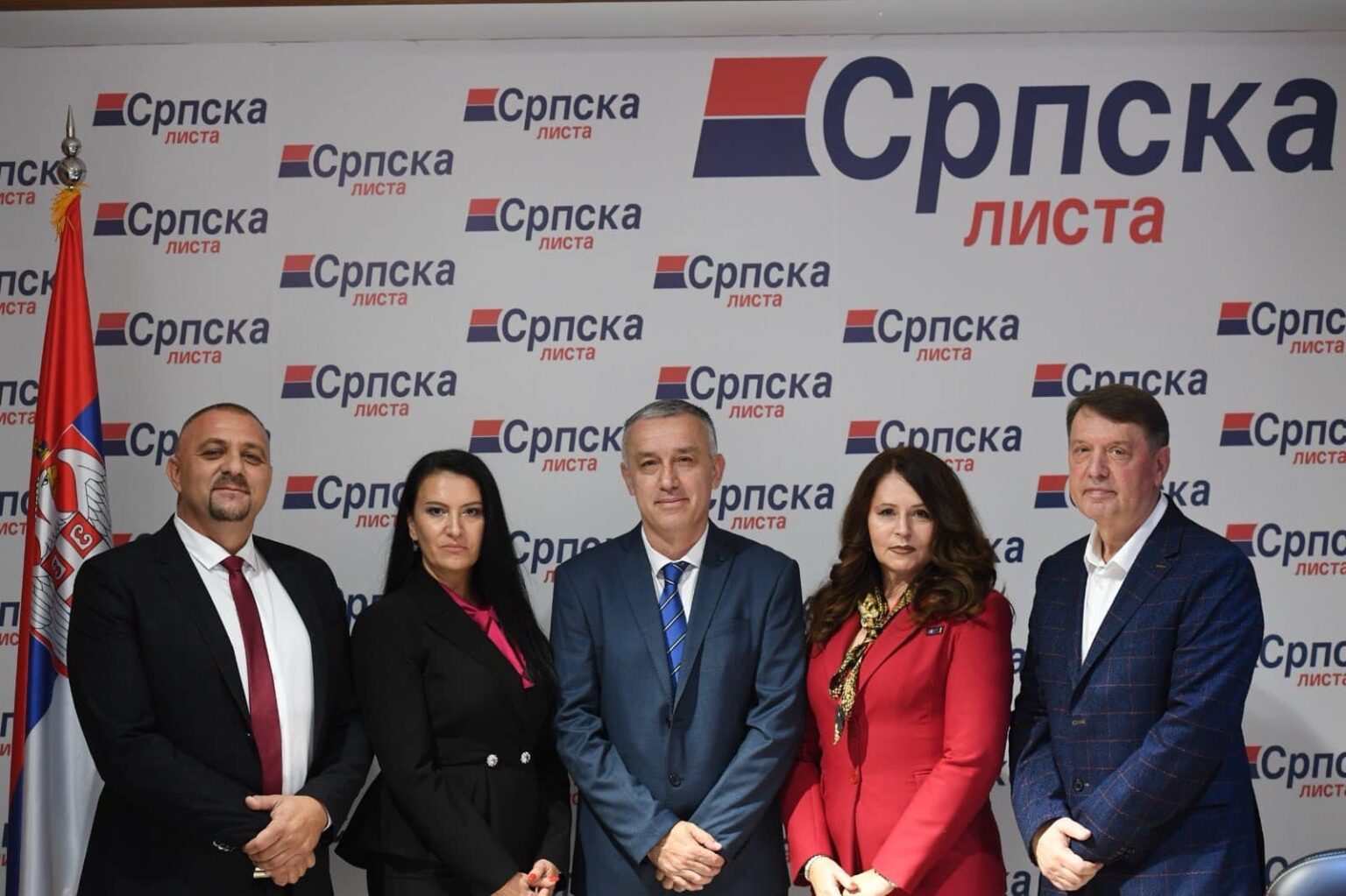

This marks the third time Vetevendosje has moved to block Srpska Lista from elections. Electoral authorities overturned similar efforts on appeal during two previous votes, suggesting the latest attempt may face the same fate.
Party representatives defended their decision by pointing to the Serb List's close connections with Belgrade, though they did not elaborate on specific concerns. The relationship between Srpska Lista and the Serbian government has long been a point of contention in Kosovo's fractured political landscape.
The embassy statement represents the latest in a series of US rebukes directed at Kurti's administration. Washington paused high-level diplomatic meetings with Kosovo earlier this year, citing government actions that American officials said had escalated regional tensions.
The European Union took more severe action in 2023, imposing sanctions on Kosovo after Kurti dismantled services that Belgrade had been providing to Serb communities within Kosovo's borders. The decision reflected growing Western frustration with what they view as provocative policies toward the ethnic Serb population concentrated in Kosovo's northern regions.
Kosovo will hold snap parliamentary elections on December 28 following inconclusive voting in February that left the legislature paralyzed. The country has operated under Kurti's caretaker government for months as political factions failed to form a governing coalition.
Interethnic relations between Kosovo's Albanian majority and Serb minority remain fraught nearly two decades after Kosovo's war for independence and its eventual separation from Serbia in 2008. Belgrade continues to refuse recognition of Kosovo's sovereignty, contributing to ongoing instability in the region.


 Set as preferred source
 Set as preferred source


 2 min read
 1 min read