Newsletters


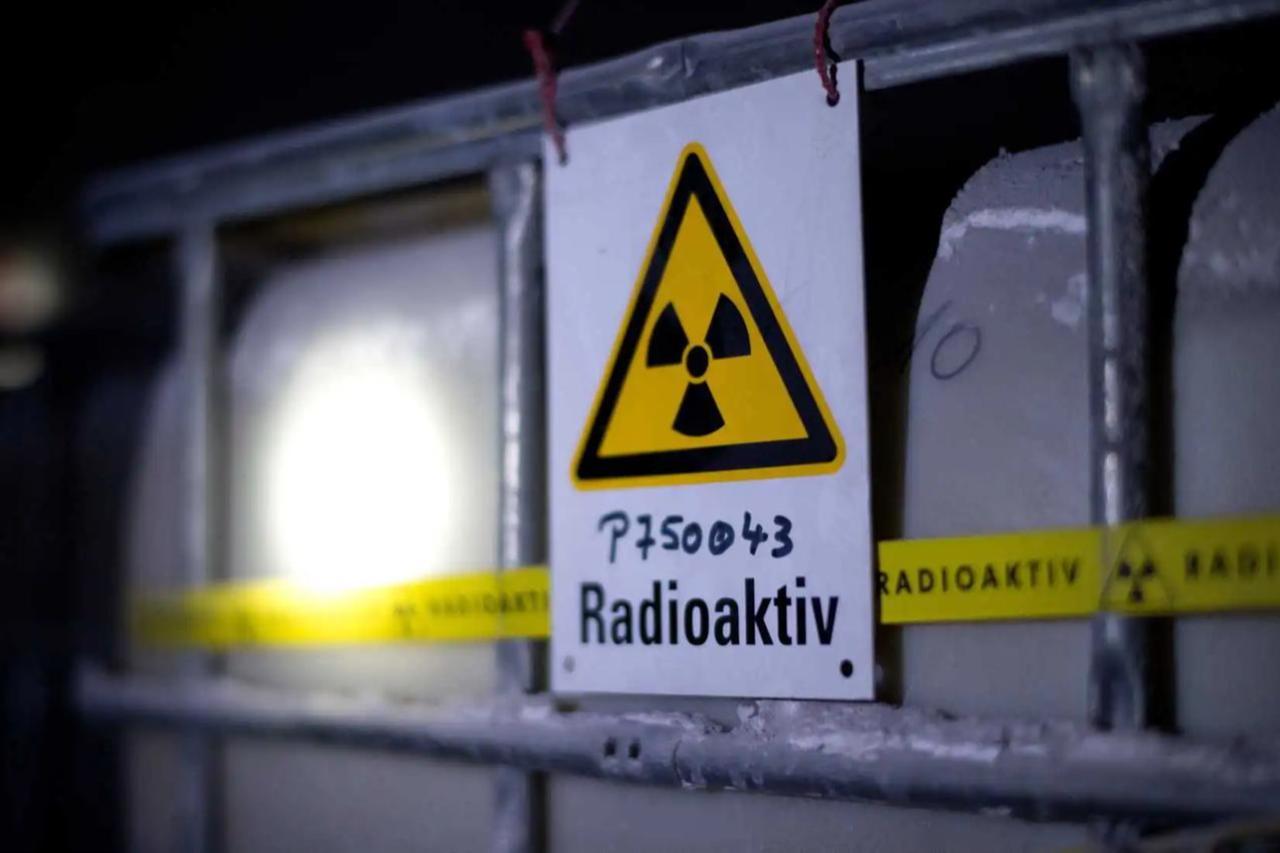


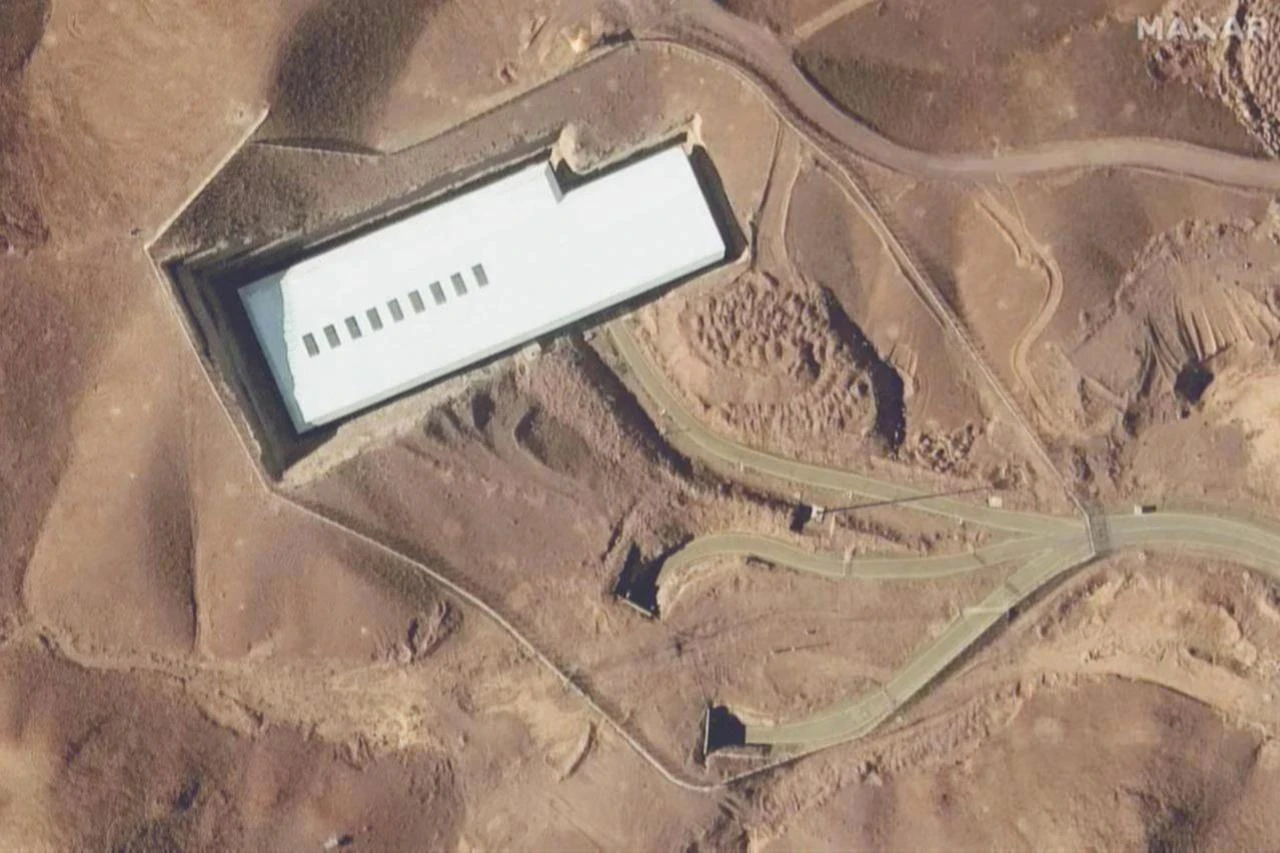
Washington has declined to allow Iran's highly enriched uranium to be transferred to Russia and has instead suggested an unspecified third country as an alternative destination, an Iranian source told Al Jazeera, adding a new layer of complexity to nuclear negotiations that have already stalled after a weekend exchange of rejected proposals.
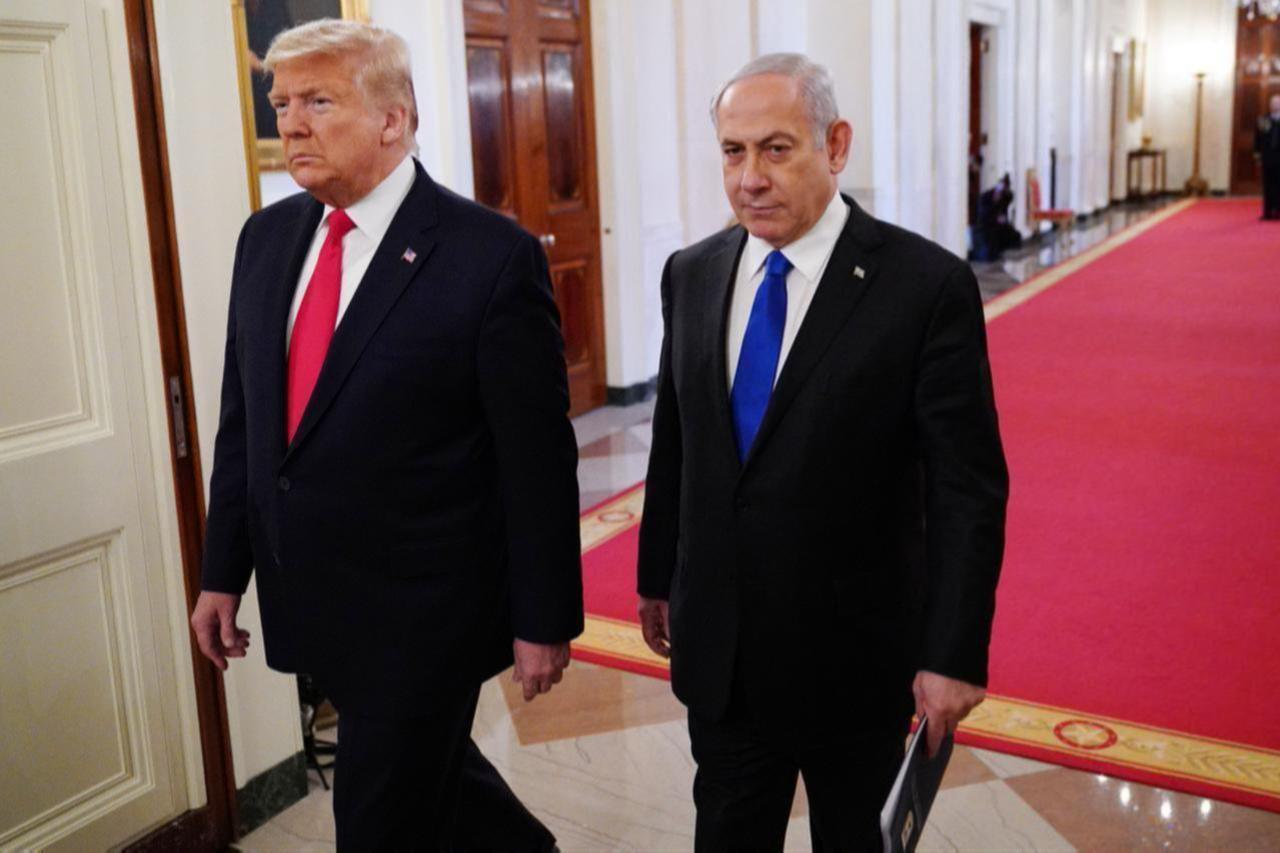
The disclosure comes as President Donald Trump announced Monday he intends to suspend the federal gasoline tax, calling it "a great idea" as American consumers absorb fuel prices that have surged more than 50 percent since the United States and Israel launched strikes on Iran on Feb. 28.
The uranium transfer question has become one of the sharpest points of contention in the protracted effort to reach a settlement ending the now 11-week-old war.
Iran submitted a multi-page response to the latest American proposal over the weekend, but Trump declared it "totally unacceptable" in a Truth Social post Sunday, while Tehran framed Washington's terms as a demand for "surrender."
According to the Wall Street Journal, Iran offered to dilute part of its highly enriched uranium stockpile and transfer the remainder to a third country, on the condition that the material be returned if negotiations break down or if the United States later exits any agreement.
Tehran also indicated a willingness to suspend uranium enrichment, but for a period considerably shorter than the 20-year moratorium Washington has sought. Iran refused outright to dismantle its nuclear facilities.
Russia had positioned itself as a willing recipient of Iran's fissile material. Kremlin spokesman Dmitry Peskov said Monday that President Vladimir Putin's offer to accept the uranium "still stands, but has not been acted upon."
Iran's foreign ministry has previously stated that the uranium "will under no circumstances be transferred anywhere," a position that appears to have shifted in the latest proposal, even as fundamental gaps with the United States remain.
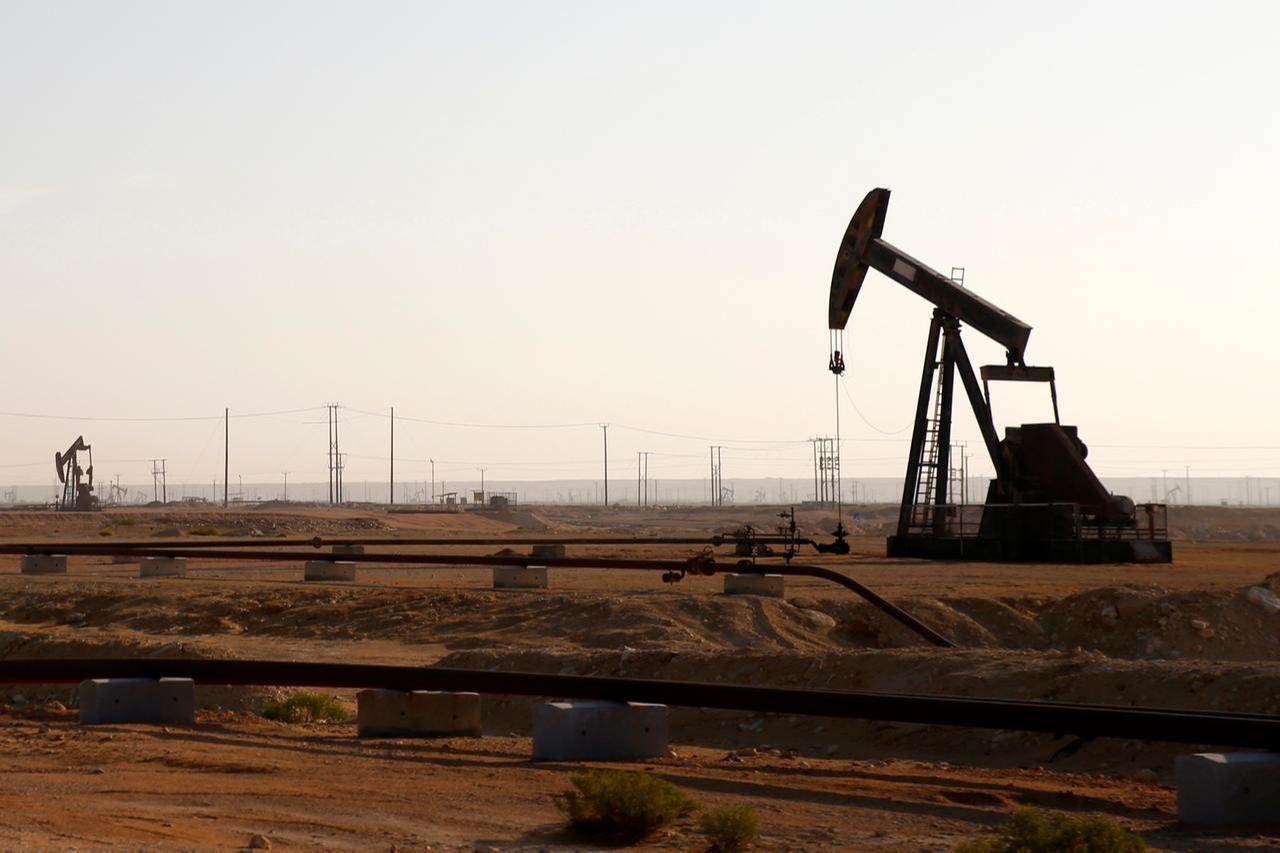
The Strait of Hormuz, through which roughly one-fifth of the world's oil normally passes, has been effectively closed since the start of the war, and Iran offered to begin gradually reopening it as part of any deal, in exchange for lifting the blockade on Iranian ships and ports.

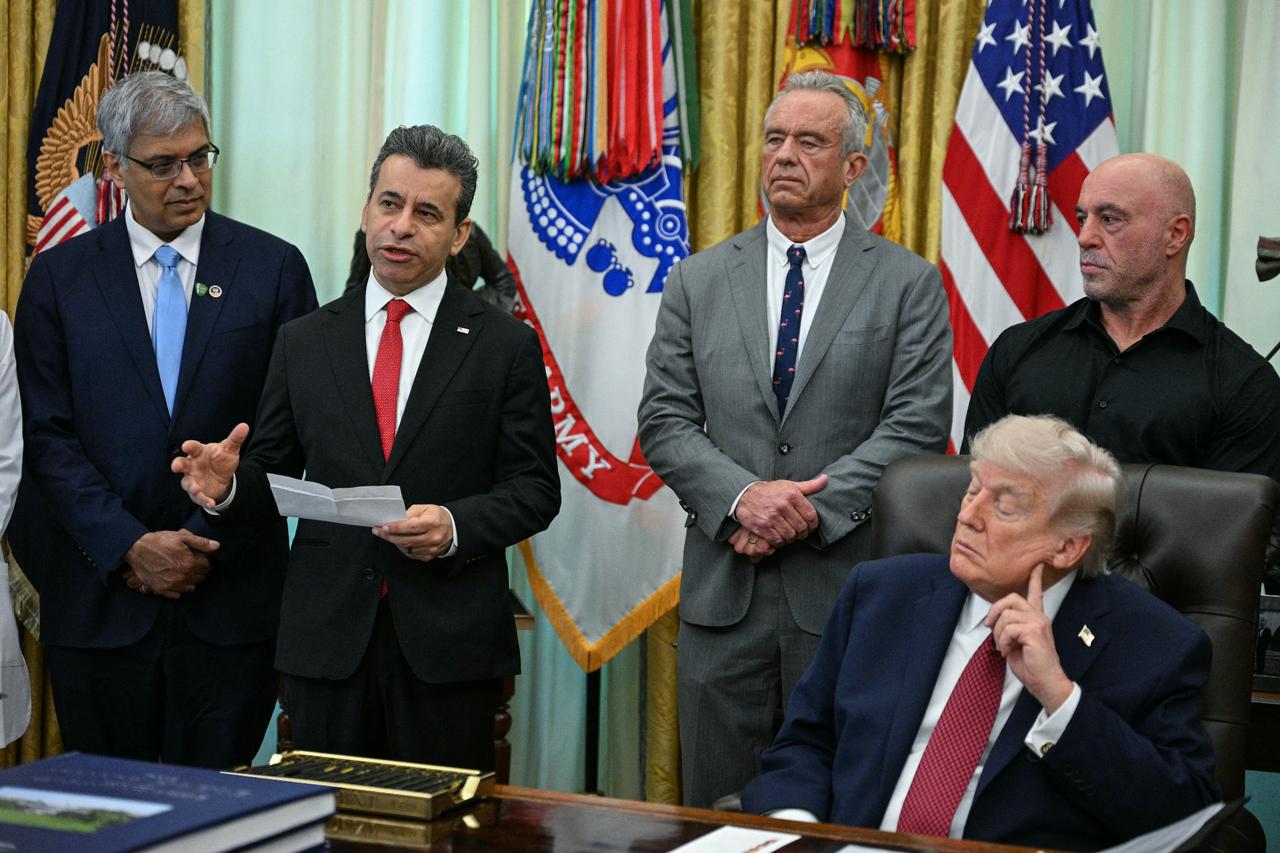
With American drivers absorbing the economic fallout, Trump told CBS News on Monday morning that he wants to suspend the 18.4-cent-per-gallon federal gasoline tax "for a period of time," adding that once prices fall he would "let it phase back in."
Asked later at the White House how long the suspension would last, he said simply, "til it's appropriate." The president predicted that oil and gas prices would drop "like a rock" once hostilities end.
The national average for a gallon of regular gasoline stood at $4.52 on Sunday, according to the American Automobile Association, compared to just under $3 per gallon before the war began.
A suspension of the federal tax, however, would require an act of Congress and would cost the federal government roughly half a billion dollars per week, according to CBS News. The president cannot implement the measure unilaterally.
Republican Senator Josh Hawley said Monday he would introduce legislation to carry out the suspension. Bipartisan support has been building in Congress, and several Democratic lawmakers had already introduced bills to pause or lower the tax before Trump's announcement.
A Bipartisan Policy Center estimate found that even a full suspension would reduce prices by only 10 to 16 cents per gallon, a fraction of the war-driven increase.
While a federal measure awaits congressional action, several states have already moved on their own. Georgia, Indiana, and Utah have taken steps to temporarily eliminate or reduce their state fuel taxes.
Trump claimed in a Monday White House speech that the loss of the Strait of Hormuz is “genius” because countries are buying their oil from Texas now.
Texas has also come under pressure to act; a poll by the Defend Texas Liberty PAC found 54 percent of Texans in favor of suspending the state's 20-cent-per-gallon gas tax, a move advocates say could save a dollar on every five gallons purchased.
Energy Secretary Chris Wright signaled over the weekend that the administration was receptive to relief options, telling NBC's "Meet the Press" that the White House is "open to all ideas" to drive prices down, describing the situation as a "short-term dislocation" caused by the conflict.


 Set as preferred source
 Set as preferred source


 1 min read
 1 min read