Newsletters




The United States has transmitted a 15-point proposal to Iran aimed at ending the Middle East war, according to multiple media reports citing unnamed officials, in what would mark the most concrete diplomatic overture since the conflict began on Feb. 28. Tehran, however, has flatly denied that any negotiations are taking place.
The New York Times, citing two officials, reported that Washington sent the plan to Iran through Pakistani intermediaries. Reuters confirmed the existence of the proposal through a separate source familiar with the matter.
Israel's Channel 12, citing three sources, published what it described as the key terms of the document, detailing both American demands and concessions offered to Tehran. No government has officially released or confirmed the full text of the proposal.
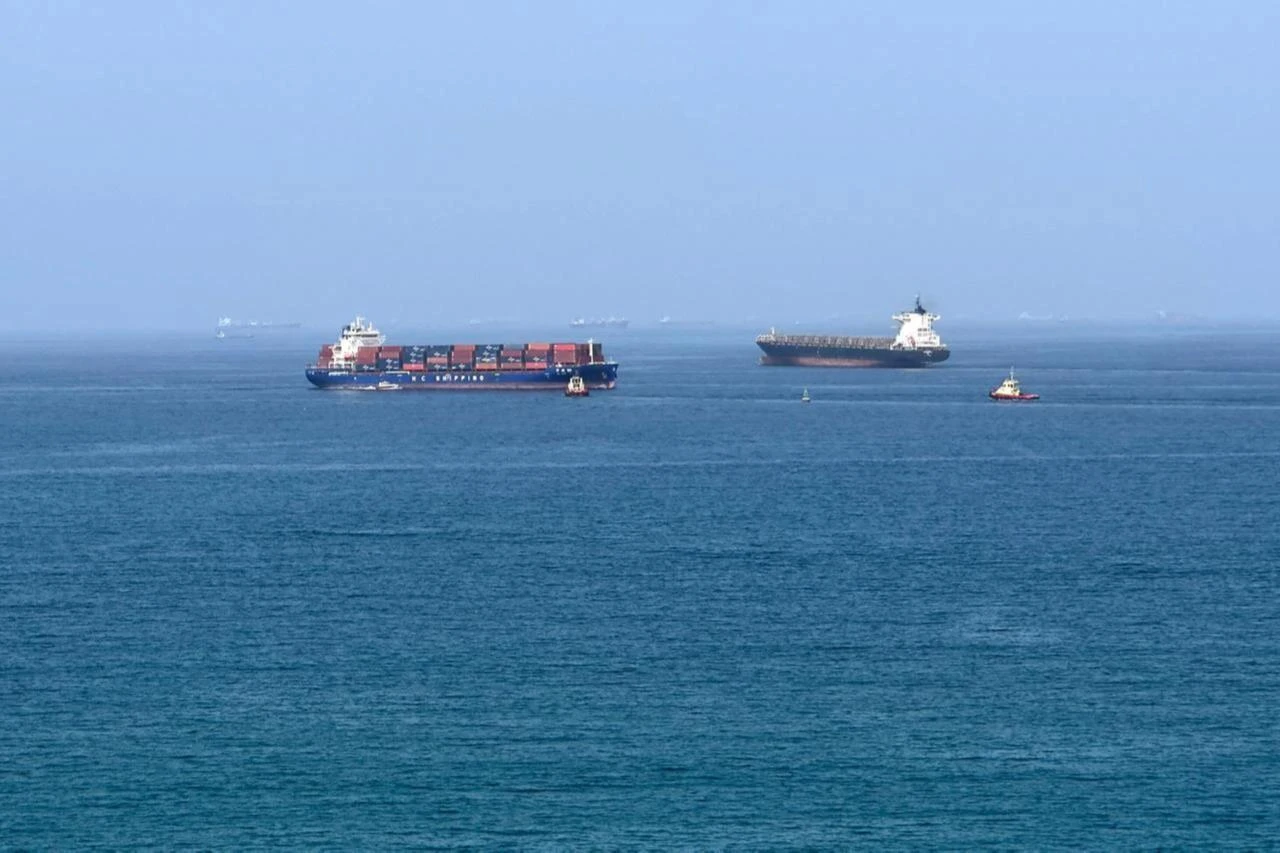
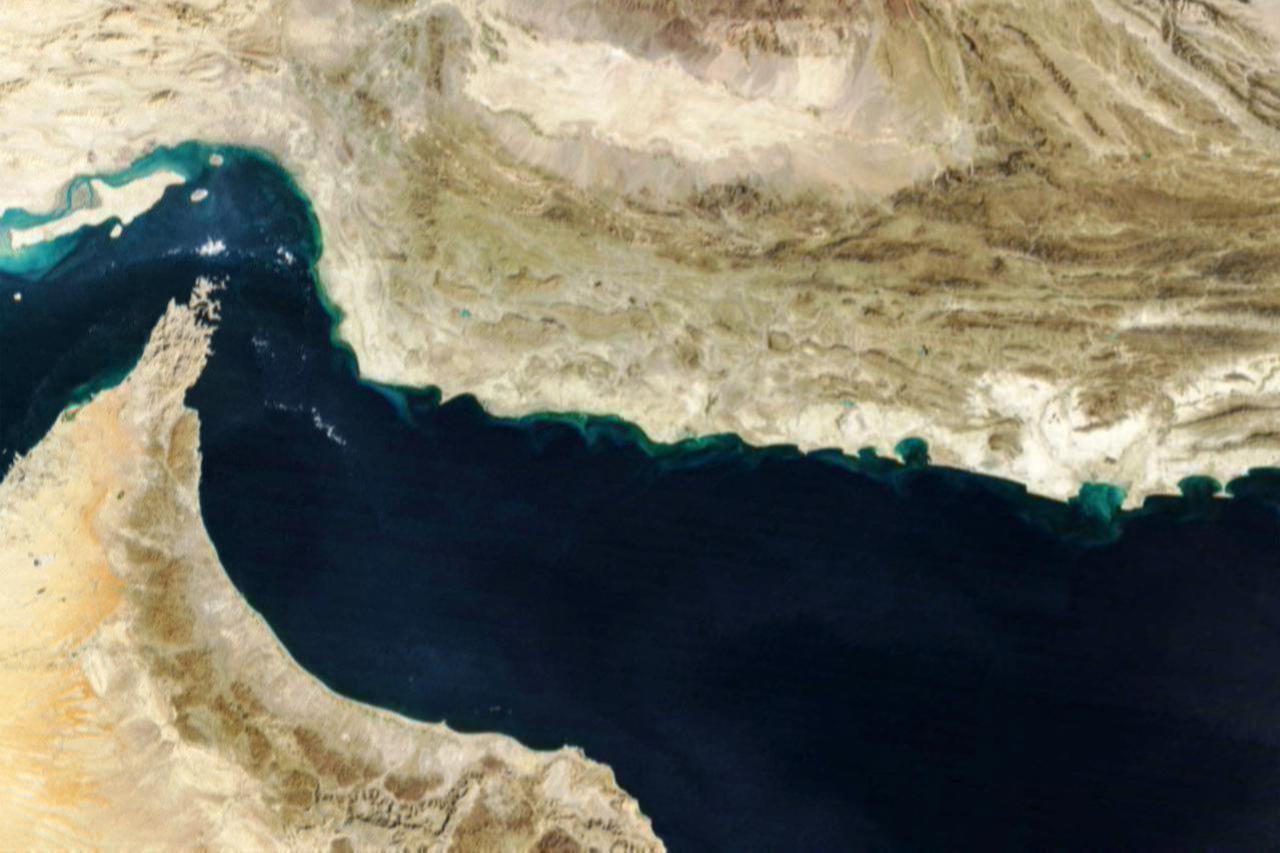
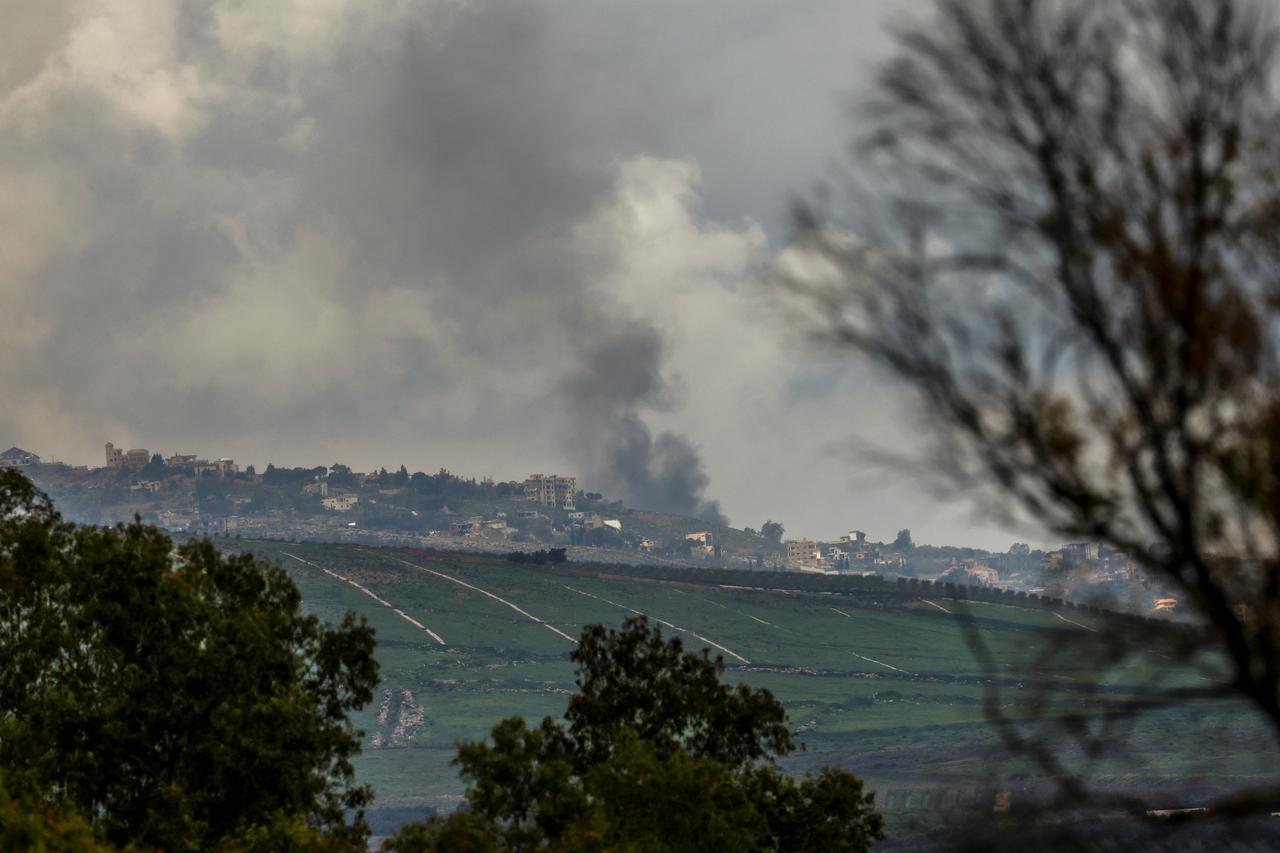
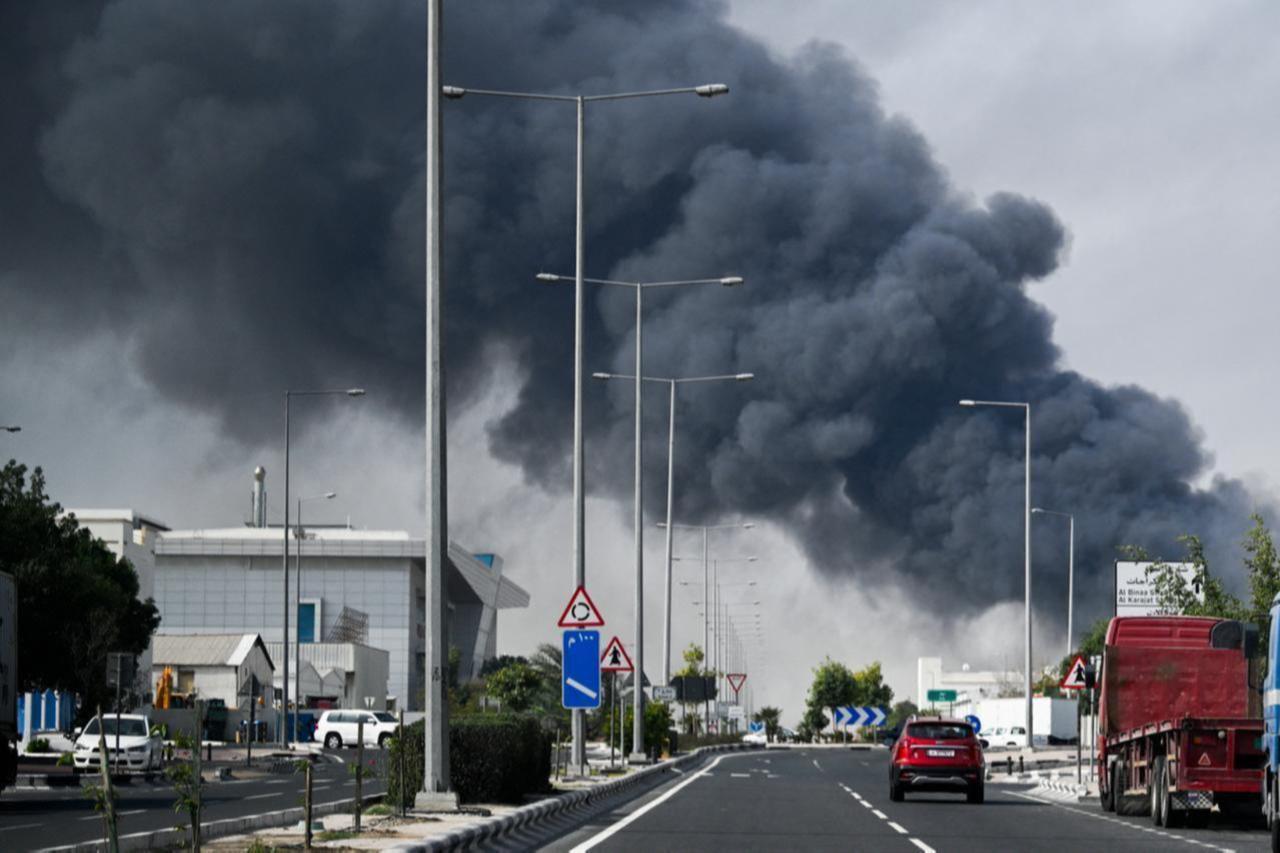
The proposal arrives at a moment of extraordinary tension. The US and Israel launched joint strikes on Iran nearly four weeks ago under what Washington has called Operation Epic Fury, and Iran has responded with sustained missile and drone attacks on Israeli cities, the effective closure of the Strait of Hormuz to Western-flagged vessels, and retaliatory action across the region.
Thousands of people have been reported killed in Iran and Lebanon since the start of the conflict, according to CNN.
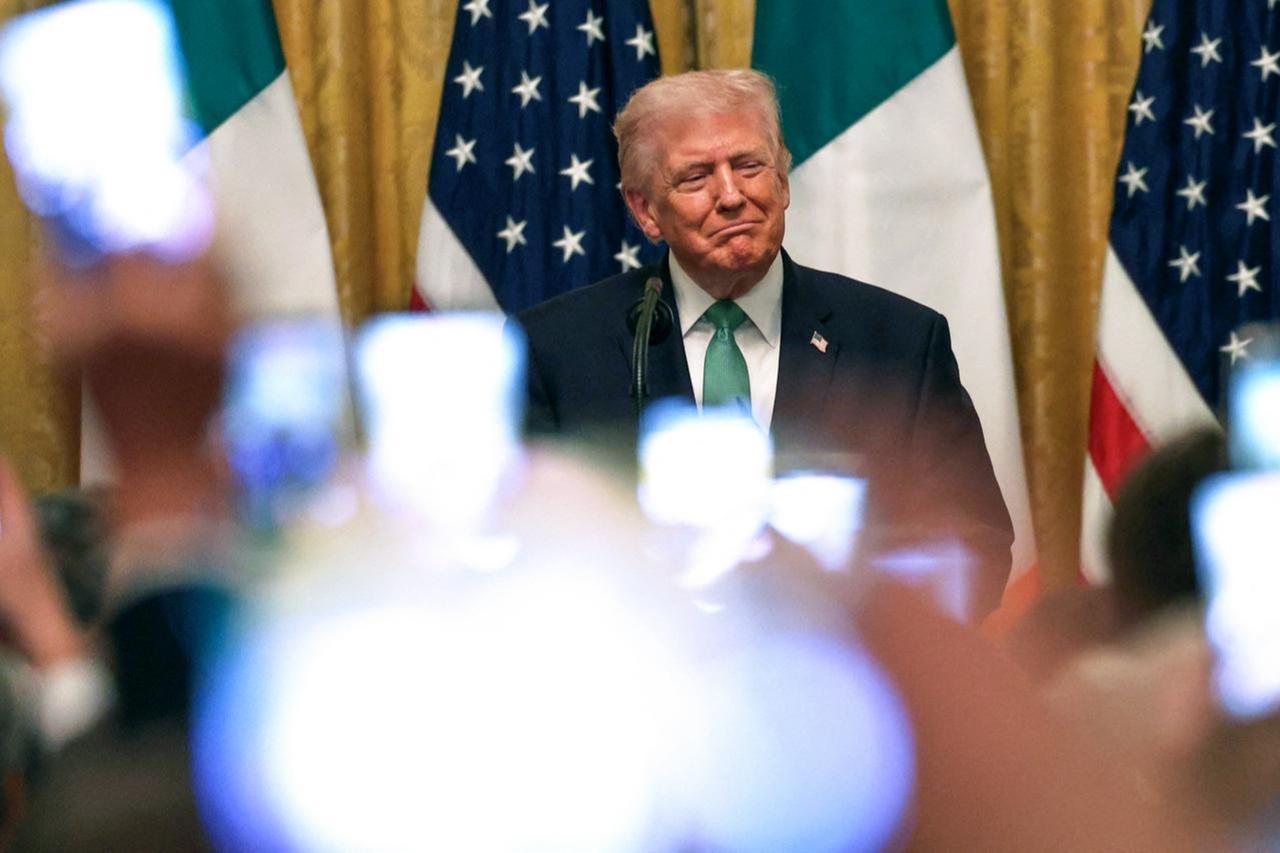
President Donald Trump has publicly framed the diplomatic effort in optimistic terms, telling reporters at the White House that the US was speaking with "the right people" in Iran and that they "want to make a deal badly."
He also claimed the two sides had reached agreement on 15 points, including that Iran would never acquire a nuclear weapon. He said the Strait of Hormuz "will be opened very soon if this works" and described Iran's enriched uranium stockpile as something the US would simply "take ourselves" under a deal.
Iran's response has been unequivocal in the opposite direction. The Foreign Ministry declared there was "no dialogue" between Tehran and Washington. Parliament Speaker Mohammad Bagher Ghalibaf dismissed the reports as "fake news" intended to manipulate financial and oil markets, adding that Iranians demand "complete and humiliating punishment of the aggressors."

According to Channel 12 and corroborating reports from Axios, the New York Times, and i24NEWS, the proposal addresses Iran's nuclear program, ballistic missile capabilities, and control of strategic maritime routes. The reported terms are sweeping.
On the nuclear file, Iran would be required to dismantle its existing nuclear capabilities, permanently forgo nuclear weapons, halt all uranium enrichment on its soil, and transfer its entire stockpile of enriched material, estimated at roughly 450 kilograms of 60 percent-enriched uranium, to the International Atomic Energy Agency.
The Natanz, Isfahan, and Fordow facilities would be decommissioned, and the IAEA would receive full access to all sites and information. Iran would also be required to end its support for regional proxy militias and ensure the Strait of Hormuz remains open as a free maritime zone. Some versions of the framework include restrictions on Iran's ballistic missile program, with a five-year halt mentioned in certain accounts.
Diplomats and analysts have noted that the proposal closely resembles, and in some cases expands upon, demands the US made during earlier nuclear talks in Geneva in 2025, which collapsed after Israeli strikes on Iran in June of that year.
Iran had previously rejected several of these conditions, including the full cessation of enrichment, making acceptance of the current package without significant changes unlikely.
In exchange for compliance, Iran would receive full sanctions relief, support for a civilian nuclear energy program centered on the Bushehr reactor, and the elimination of the so-called "snapback" mechanism that allows the rapid reimposition of international sanctions.
US envoys Jared Kushner and Steve Witkoff are reportedly developing a mechanism that would begin with a one-month ceasefire, during which the 15-point accord would be negotiated in detail, modeled on diplomatic frameworks previously applied to the Gaza and Lebanon fronts.
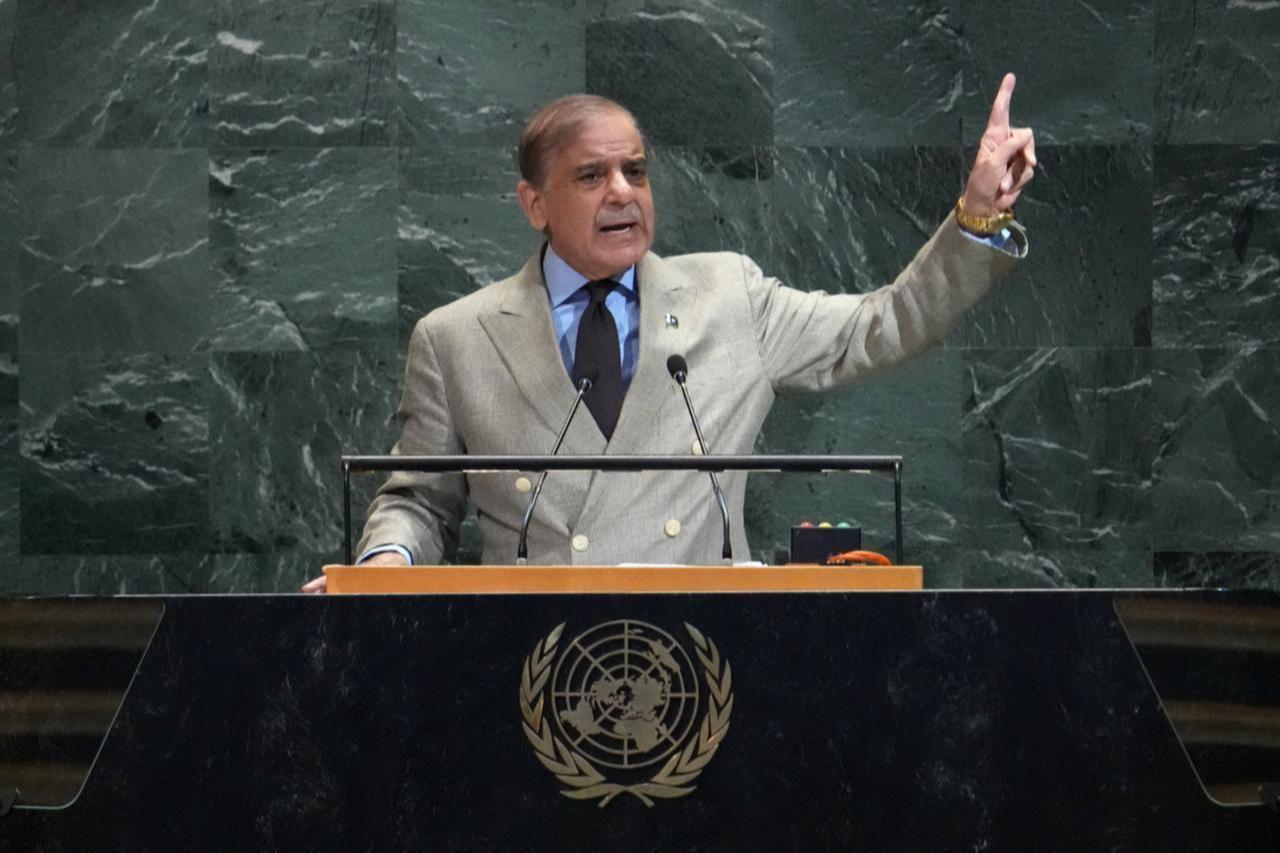
Pakistan's Prime Minister Shehbaz Sharif said his country "fully supported ongoing efforts to pursue dialogue" and stood ready to host talks aimed at a comprehensive settlement. Trump shared the Pakistani offer on Truth Social, signaling his interest in making a summit happen. A Pakistani government source told Reuters that discussions on a meeting were at an advanced stage, though he called it "a big 'if.'"
The US, together with mediators Pakistan, Egypt, and Türkiye, is currently discussing holding a peace summit with Iran as early as Thursday in Islamabad, Channel 12 reported. However, two sources told the network that Iran has not yet agreed to attend. It remains unclear at what level the sides would be represented. Washington reportedly prefers a high-level meeting, potentially between Vice President JD Vance and Ghalibaf, though lower-level discussions between envoys or Iran's Foreign Minister Abbas Araghchi are also being considered.
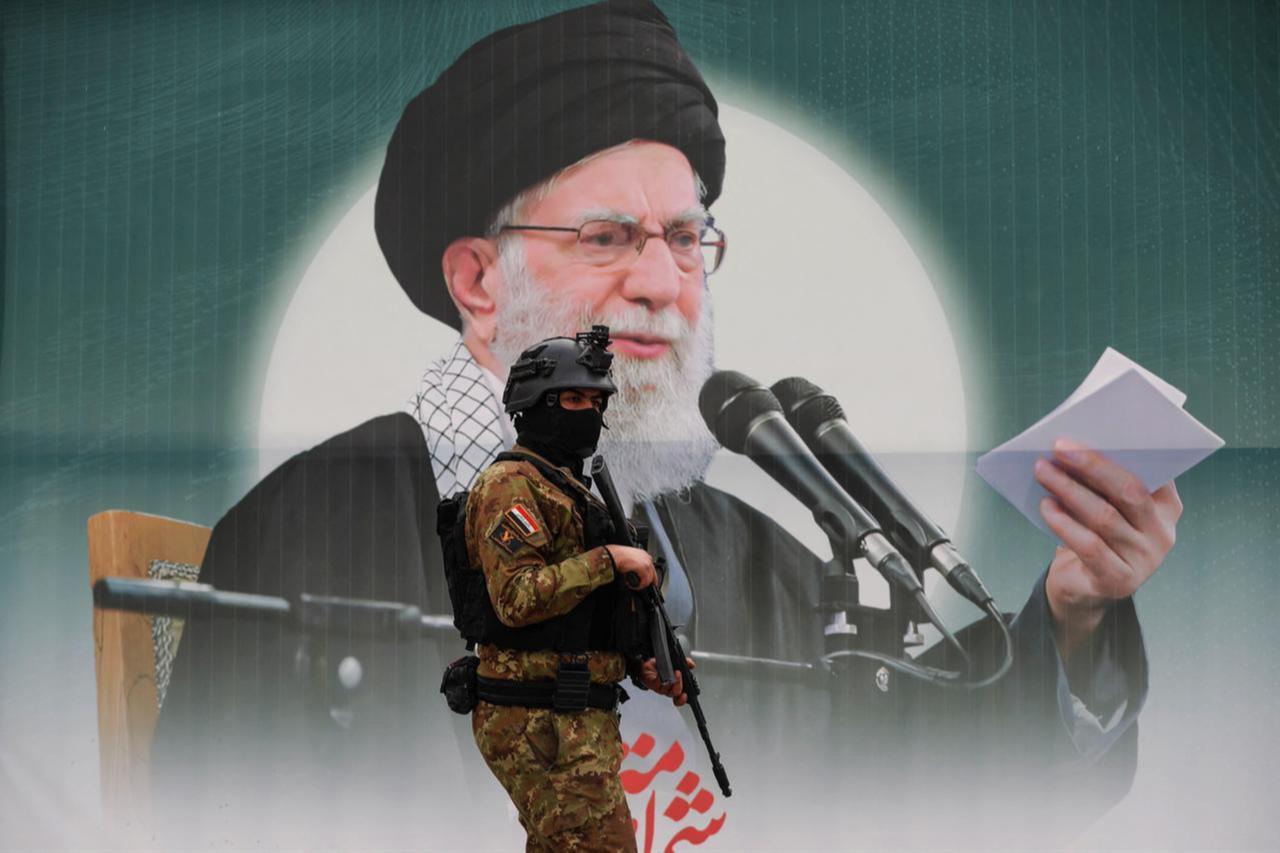
Iran's newly appointed Supreme Leader Mojtaba Khamenei would need to authorize Tehran's attendance, but he was reportedly injured during the ongoing US-Israeli campaign and has not been seen or heard from publicly since assuming the position.
The US shared its 15-point plan with Israel, and while the document broadly aligns with Israeli positions, officials in Jerusalem are deeply skeptical that Iran will accept the full scope of American demands, according to Axios.
Israeli Prime Minister Benjamin Netanyahu is concerned Trump might settle for a partial deal that falls short of Israel's objectives, includes significant concessions, and limits Israel's ability to conduct future strikes, two Israeli sources told the outlet.
"There is concern that Trump will decide to cut a deal and stop the war even if only some of his demands are met and postpone the rest for later without a clear solution," one Israeli source said.
Netanyahu said in a televised address that Trump believes there is an opportunity to convert military gains into an agreement that would "safeguard our vital interests," but added that Israel would continue attacking both Iran and Lebanon, saying the military was destroying missile and nuclear programs and inflicting heavy damage on Hezbollah.
Israeli intelligence estimates that the gaps between the US and Iranian positions remain very large. One Israeli security source expressed doubt that any agreement was currently within reach, and skepticism that Iran would honor one even if it were achieved.
An Israeli official separately told the Ynet news outlet that Washington has set April 9 as a target date for the end of the war, leaving roughly two to three more weeks for continued fighting and parallel negotiations.
Even within the Trump administration, very few officials appear to have full visibility into the diplomatic channel.
Axios reported that Witkoff and Kushner have been communicating directly with Trump, with few others in the loop. Israeli intelligence detected signals in recent days that "something was brewing" between Washington and Tehran but had no specifics until Vice President Vance briefed Netanyahu on Monday.
One of the mediating countries proposed a temporary ceasefire to allow for detailed negotiations, but the Trump administration reportedly prefers to negotiate while military operations continue, in order to maintain leverage. The US military, meanwhile, is reinforcing its posture in the region, with the command element of the 82nd Airborne Division and an infantry brigade of several thousand soldiers directed to deploy to the Middle East.
Trump has postponed his earlier threat to bomb Iranian power plants until Friday to allow the diplomatic window to remain open, but has said bombing will resume if talks fail. US Central Command reported that the military has conducted more than 9,000 strikes in Iran since the war began.


 Set as preferred source
 Set as preferred source


 1 min read
 1 min read