Newsletters


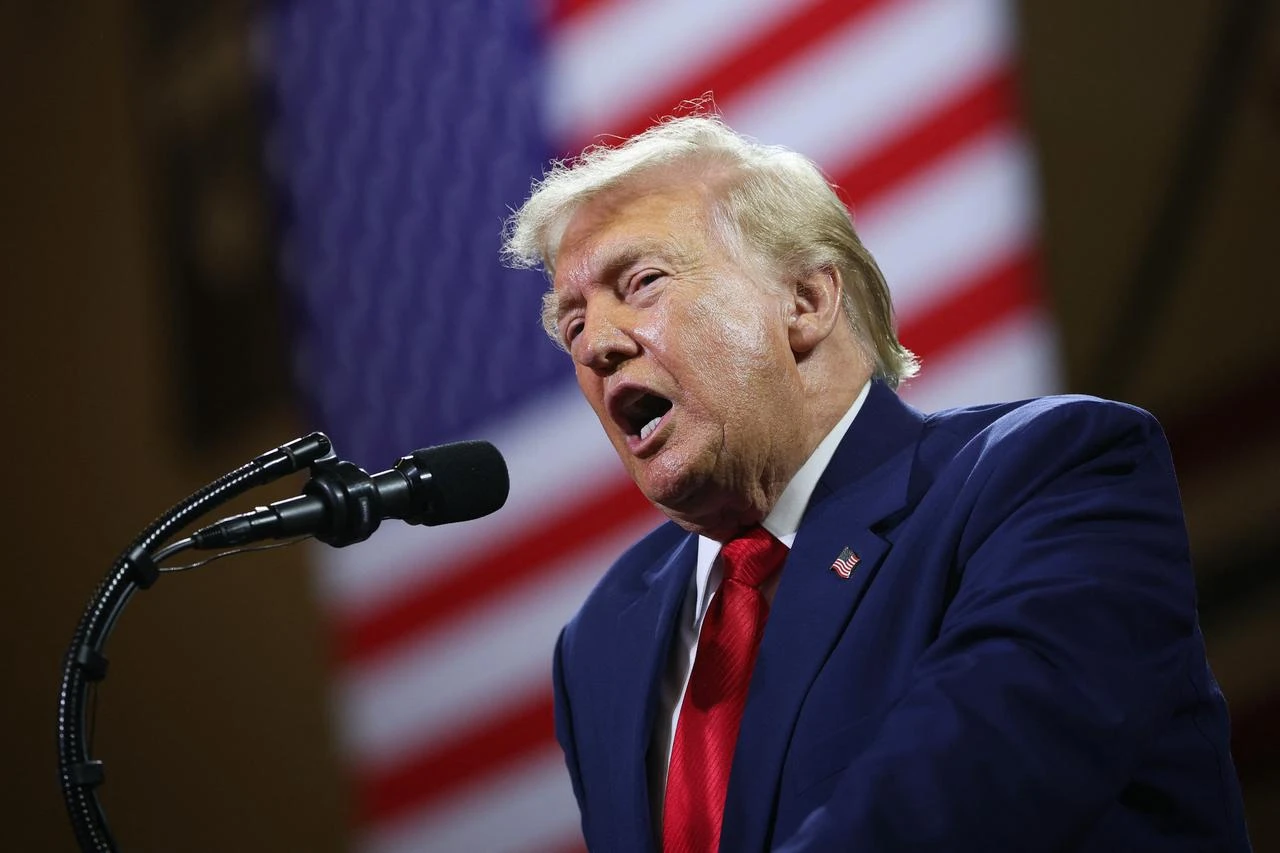
U.S. forces struck multiple targets inside Iran on Wednesday evening, U.S. Central Command announced, carrying out what the Pentagon described as "self-defense strikes" in response to what it called Iran's "unwarranted and continued aggression."
The operation began at 5:15 p.m. ET, hours after Defense Secretary Pete Hegseth had publicly warned the strikes were coming.
"Central Command will be busy tonight because President Trump said we will be hitting Iran hard, and we will be," Hegseth told reporters earlier in the day, describing the planned action as "strong" and "clear."
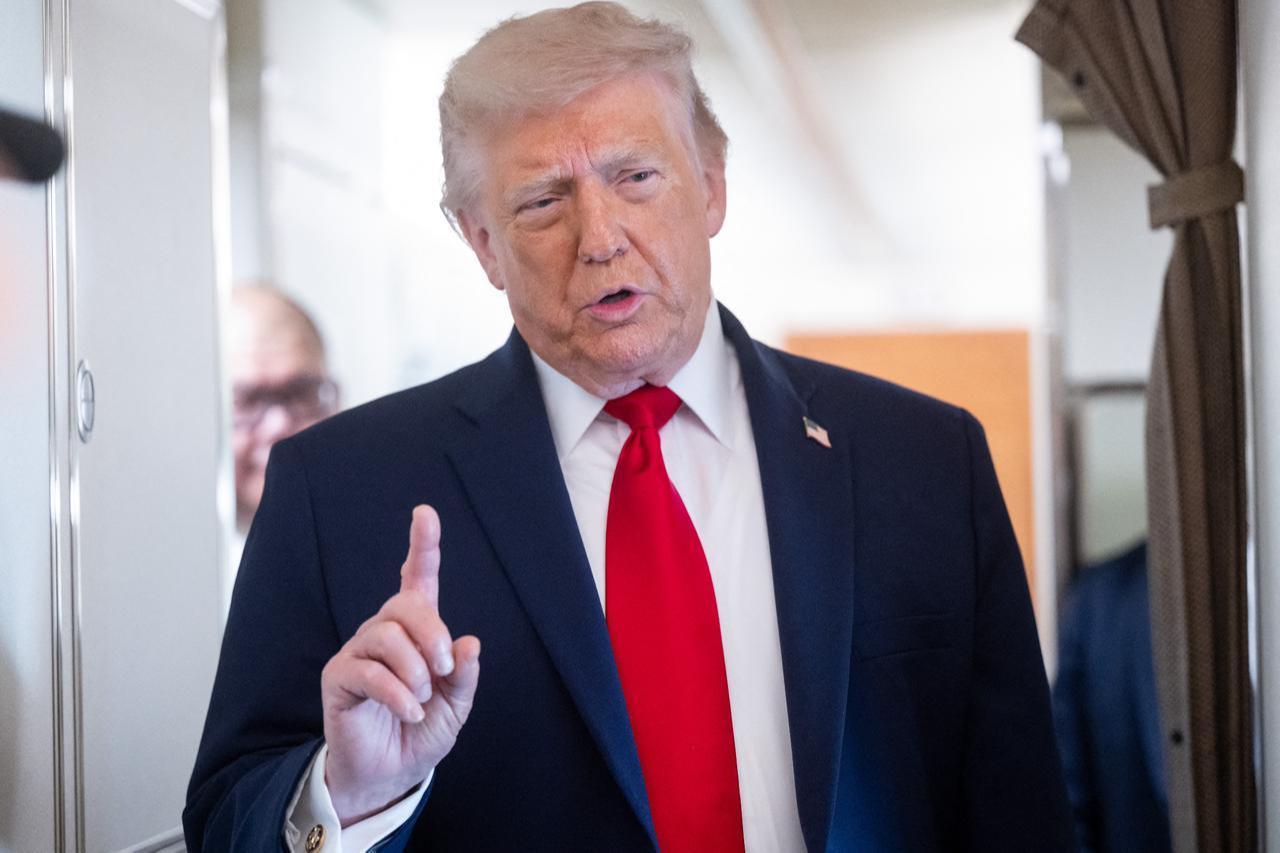
President Trump had telegraphed the strikes himself, telling reporters, "We're going to hit them hard again today in case you miss it," adding that a diplomatic deal with Tehran had been within reach before stalling. "We were really close to a deal, but they keep tapping us along," he said.
Hegseth framed the military action explicitly as a pressure tactic, accusing Iranian negotiators of stringing out talks. "If we need to negotiate with bombs, we'll negotiate with bombs," he said. "And we're very good at it."
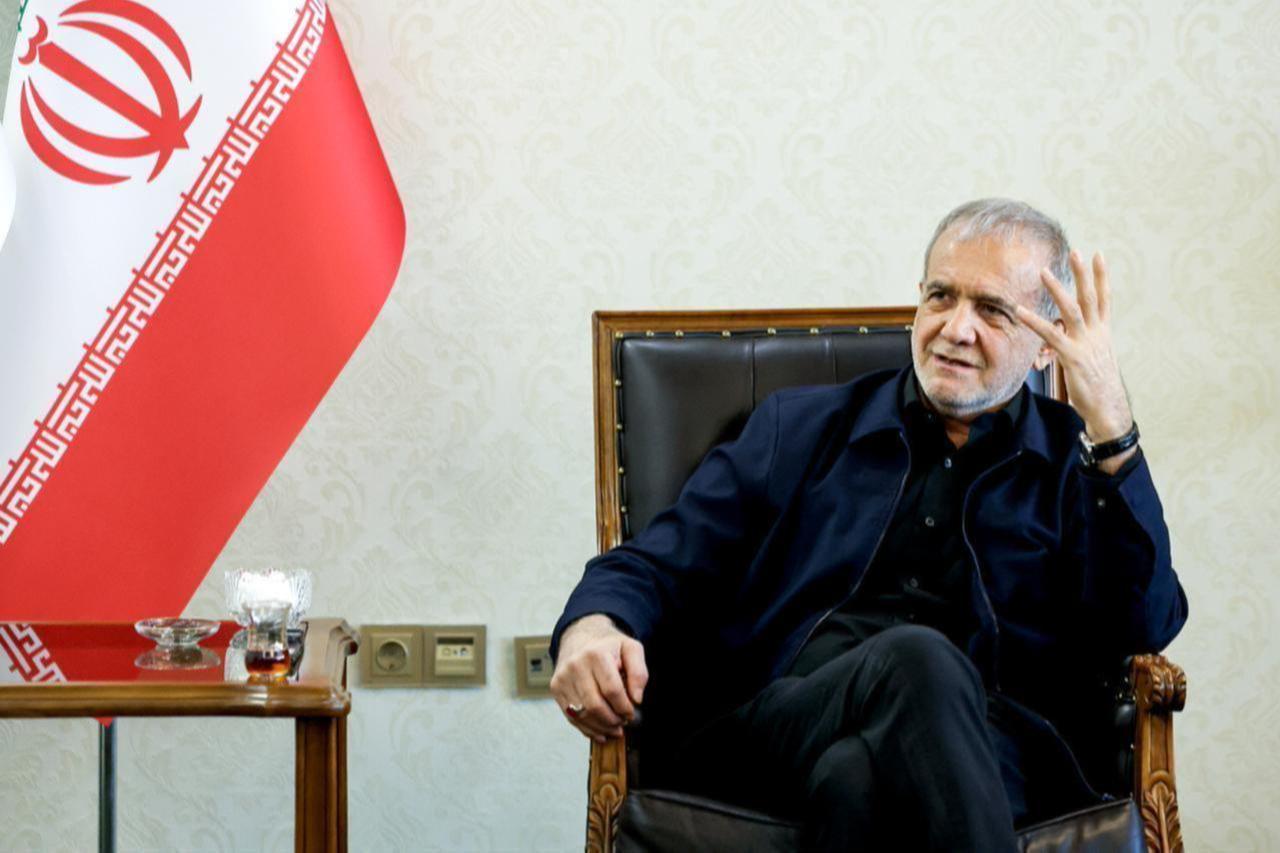

Earlier Wednesday, Trump had raised the prospect of striking Iranian critical infrastructure, including bridges and power plants, declining to rule it out when pressed by reporters in the Oval Office. Iranian President Masoud Pezeshkian pushed back sharply, calling the threats a sign of weakness rather than resolve.
"Critical infrastructures are the lifeblood of the people," he wrote on X in Persian. "Threats to target them, from transportation networks to the electricity and water industries, are not a show of strength but a sign of desperation in the face of a nation's will."
Pezeshkian added that Iran "will stand firm against any pressure or threat," citing what he described as national unity and the capabilities of Iranian specialists.
Alongside the military action, the Trump administration announced a new round of sanctions Wednesday aimed at disrupting Iran's ability to acquire weapons abroad.
The State Department targeted the Center for Innovation and Technology Cooperation, an Iranian government body it said was involved in procuring satellite imagery to support strikes by Iranian armed forces, including a March attack near a facility hosting U.S. troops.
Also sanctioned was Armory Alliance, a Belarus-based entity accused of acting as a middleman to ship man-portable air-defense systems from China to Iran. The group had already been sanctioned by the Treasury Department the previous month.
Treasury separately placed restrictions on five individuals and four companies based in China in connection with the same procurement network.
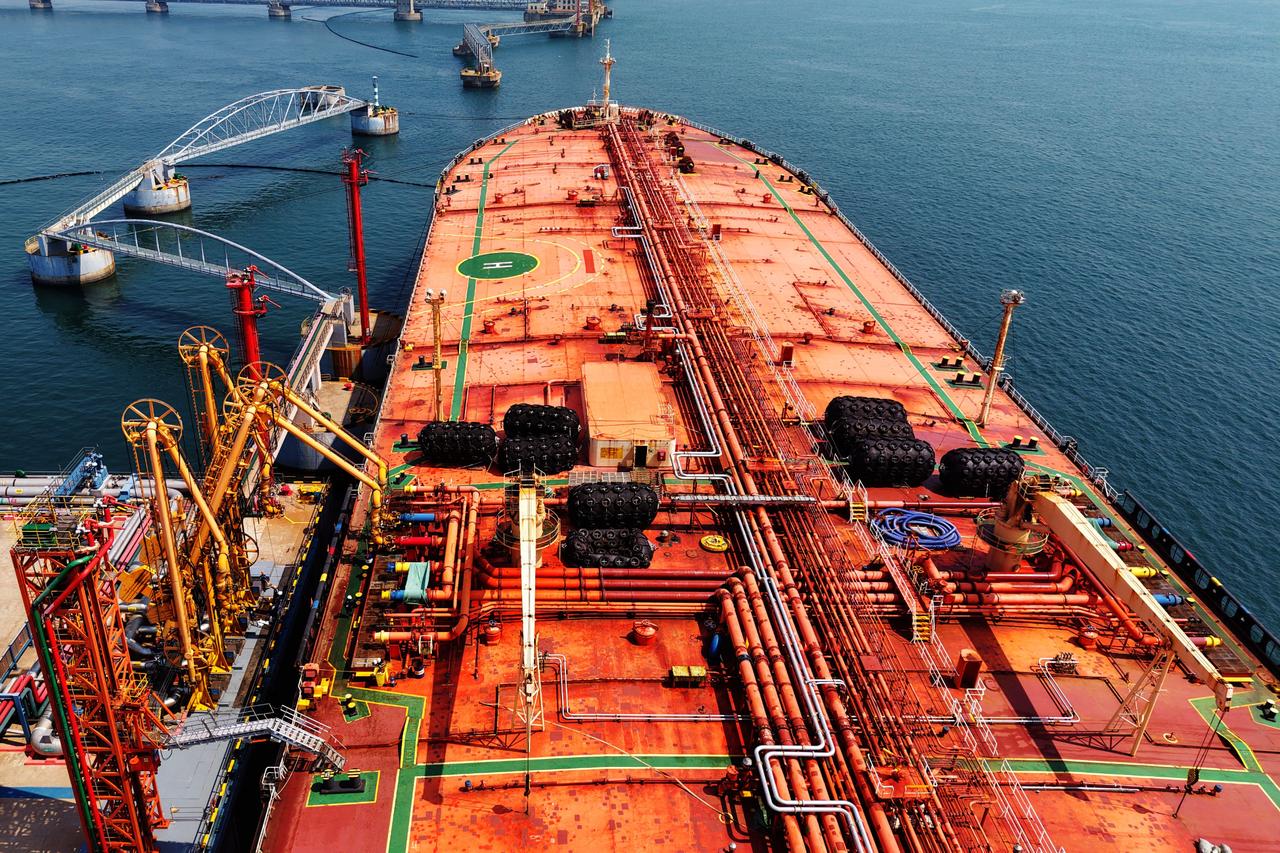
President Trump separately revealed what he described as a covert month-long effort to escort oil tankers and commercial vessels through the Strait of Hormuz, one of the world's most strategically critical chokepoints through which roughly a fifth of global oil supply passes.
"Today, I am pleased to announce that this effort has resulted in more than 100 million barrels of oil making its way through the Strait, and into the open market," Trump wrote on Truth Social, adding that more than 200 commercial ships had transited safely.
Trump claimed the operation was conducted without Iranian awareness, saying the country's radar systems had been destroyed by prior U.S. strikes.
"This wildly successful effort is because the United States of America controls the Strait of Hormuz, not Iran," he wrote.


 Set as preferred source
 Set as preferred source


 1 min read

 1 min read