Newsletters


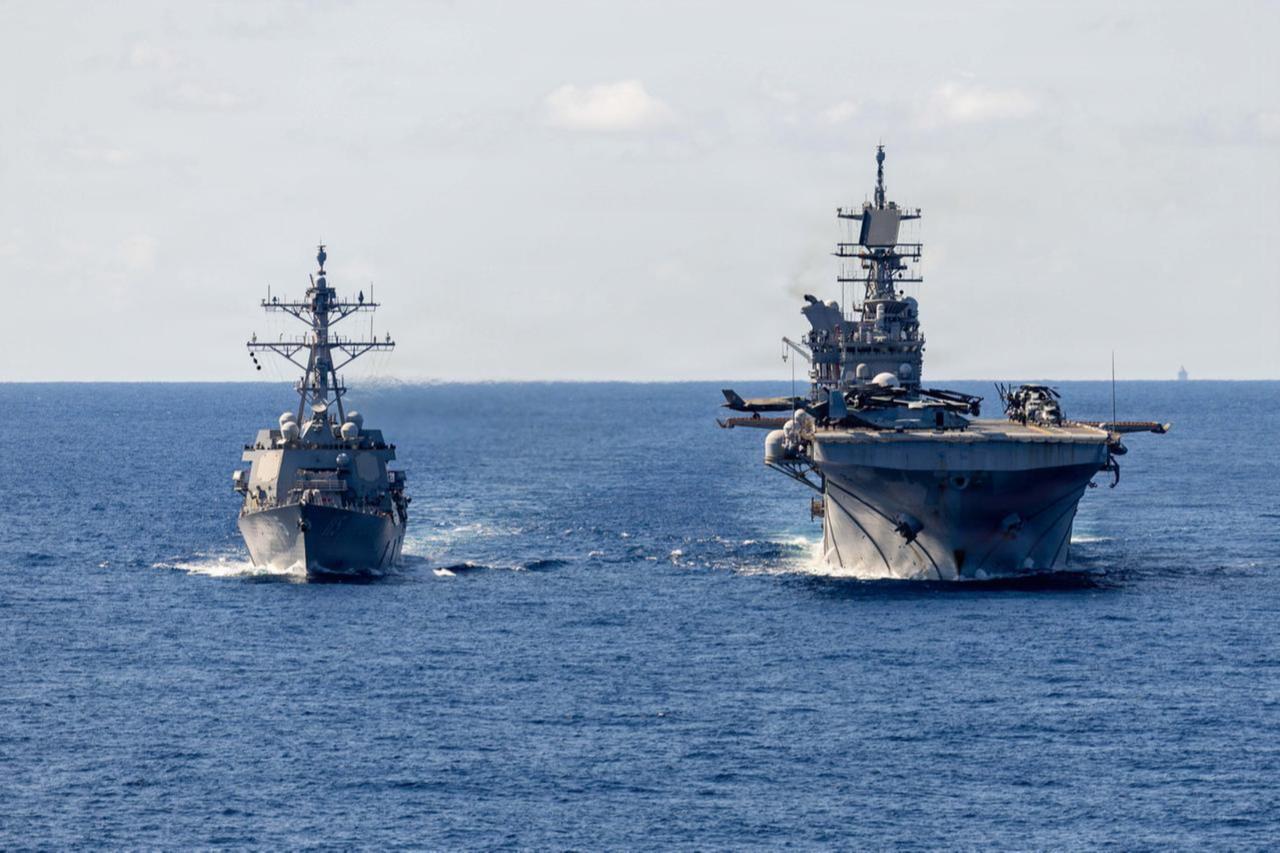


Iran's IRGC-affiliated Fars News Agency reported Saturday that a U.S. Navy destroyer heading from the Emirati port of Fujairah toward the Strait of Hormuz reversed course after Tehran warned through Pakistani mediators that the vessel would be targeted within 30 minutes if it continued.
Iranian armed forces tracked the destroyer, notified the Iranian delegation in Islamabad, and the delegation relayed the warning to the U.S. side via Pakistani intermediaries.
Iran also said the talks would be affected if the ship proceeded. According to Tehran, the U.S. then ordered the destroyer to halt and withdraw.
Iran's Foreign Ministry spokesperson, speaking from Islamabad, said a potential ceasefire violation had been prevented through diplomatic pressure and a warning from the armed forces.
The U.S. military told The Wall Street Journal that two Navy destroyers transited the Strait of Hormuz from east to west and back as a freedom-of-navigation operation, the first such passage since the war began.
Iranian state television, citing a senior military official, rejected that account and denied any American vessels had crossed the strait.
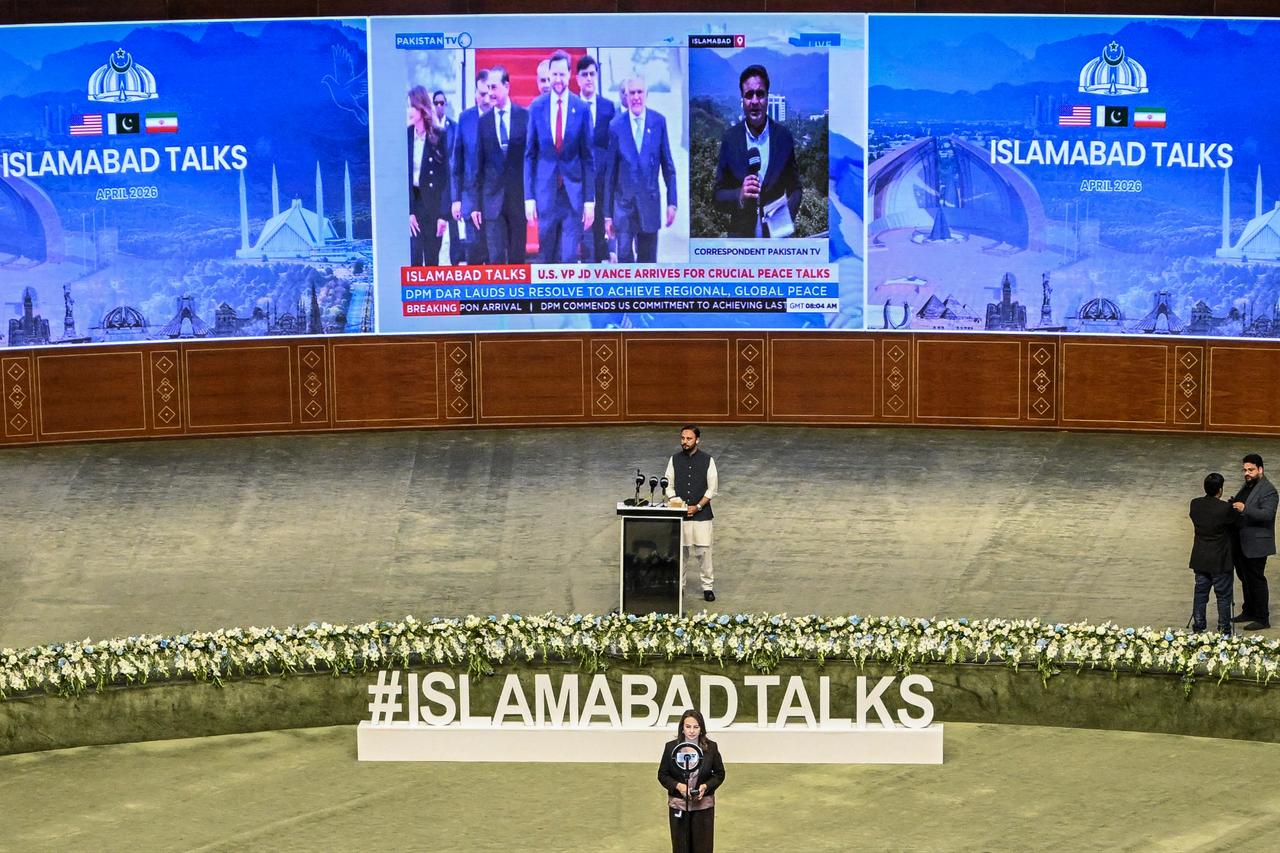
U.S. and Iranian delegations held face-to-face talks Saturday in Islamabad, which was placed under heavy security with roads sealed throughout the capital. The U.S. delegation was led by Vice President JD Vance, alongside envoys Steve Witkoff and Jared Kushner.
Iran was represented by Parliament Speaker Mohammad Bagher Qalibaf and Foreign Minister Abbas Araghchi. Both sides met separately and then in a trilateral format with Pakistani Prime Minister Shehbaz Sharif and army chief General Asim Munir.
Iran presented a 10-point proposal including an end to the war, sanctions relief, and continued Iranian sovereignty over the Strait of Hormuz.
The U.S. submitted a 15-point framework requiring restrictions on Iran's nuclear program and the unconditional reopening of the strait. Araghchi said Iran entered the talks with "deep distrust." Vance warned the U.S. team would not be receptive if Iran tried to "play" Washington.


 Set as preferred source
 Set as preferred source


 1 min read
 1 min read