Newsletters


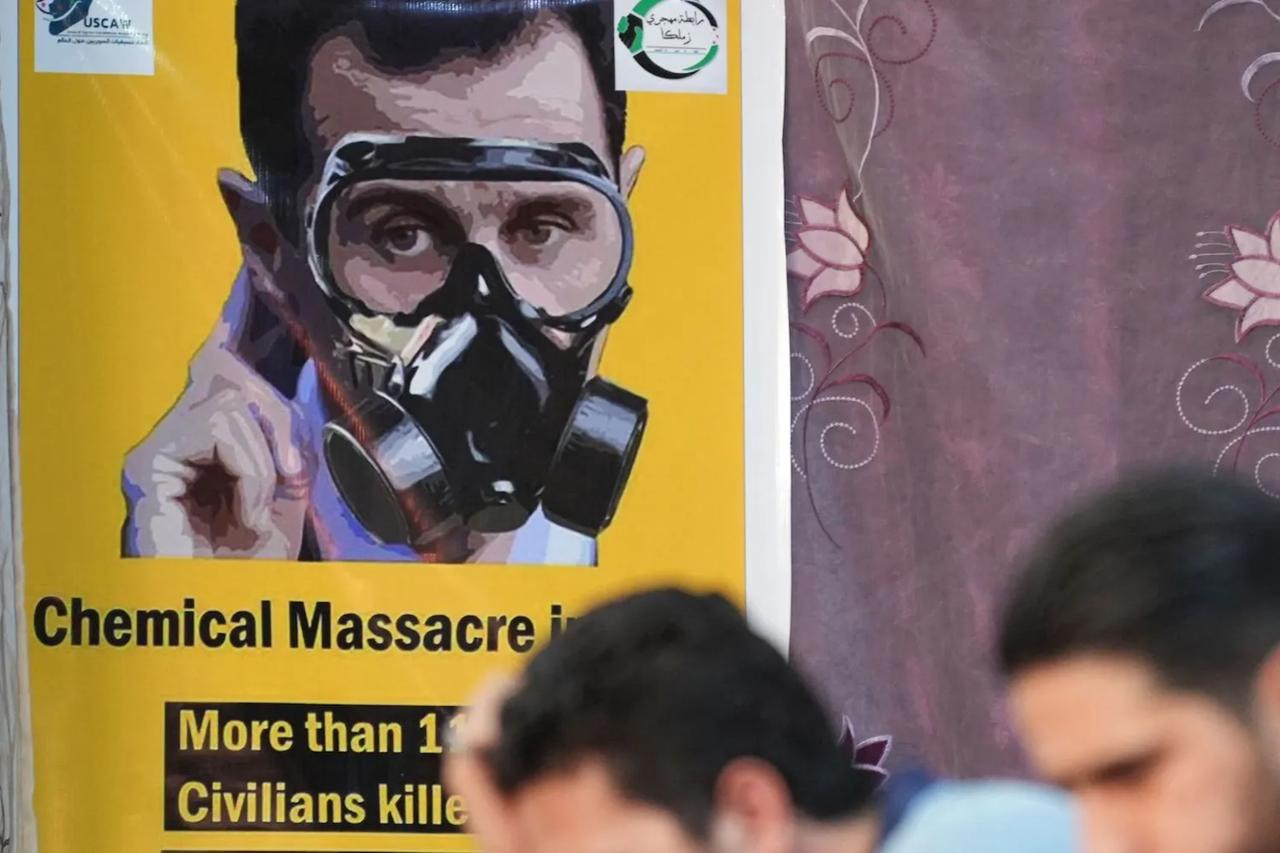


International weapons inspectors have discovered dozens of previously undeclared chemical munitions, sarin-production materials, and thousands of pages of documentation in Syria, the global chemical weapons watchdog said. The discovery confirmed longstanding suspicions that the Assad regime concealed the full extent of its chemical weapons program.
The Organization for the Prohibition of Chemical Weapons (OPCW) said its nine-member expert team, deployed in Syria since early May, found the materials at several high-priority sites in the northern coastal and central regions, broadly within a geographic triangle encompassing Hama, Homs, and Latakia.
"The outcome of this deployment is significant," OPCW Director-General Ambassador Fernando Arias said.
"It confirms the secretariat's repeated assessment since 2014 that the former Syrian regime withheld information and unsuccessfully attempted to mislead the secretariat and the international community on the extent of its chemical weapons program," he added.
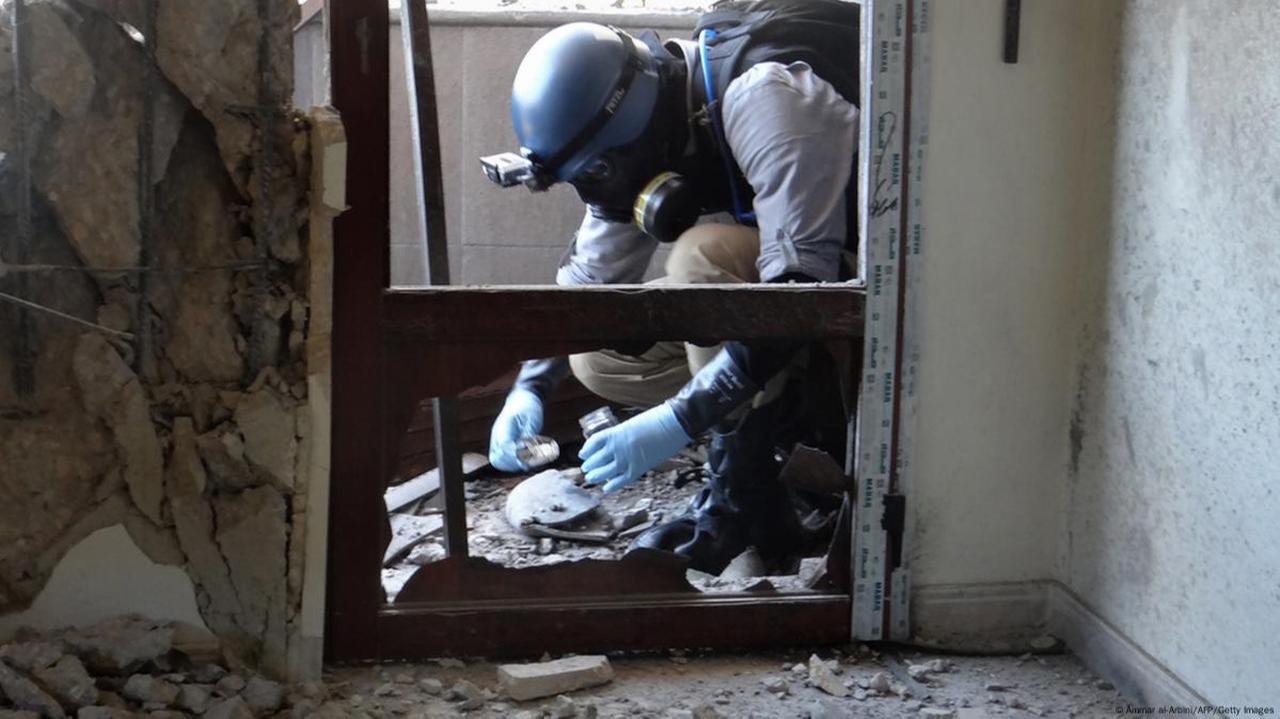

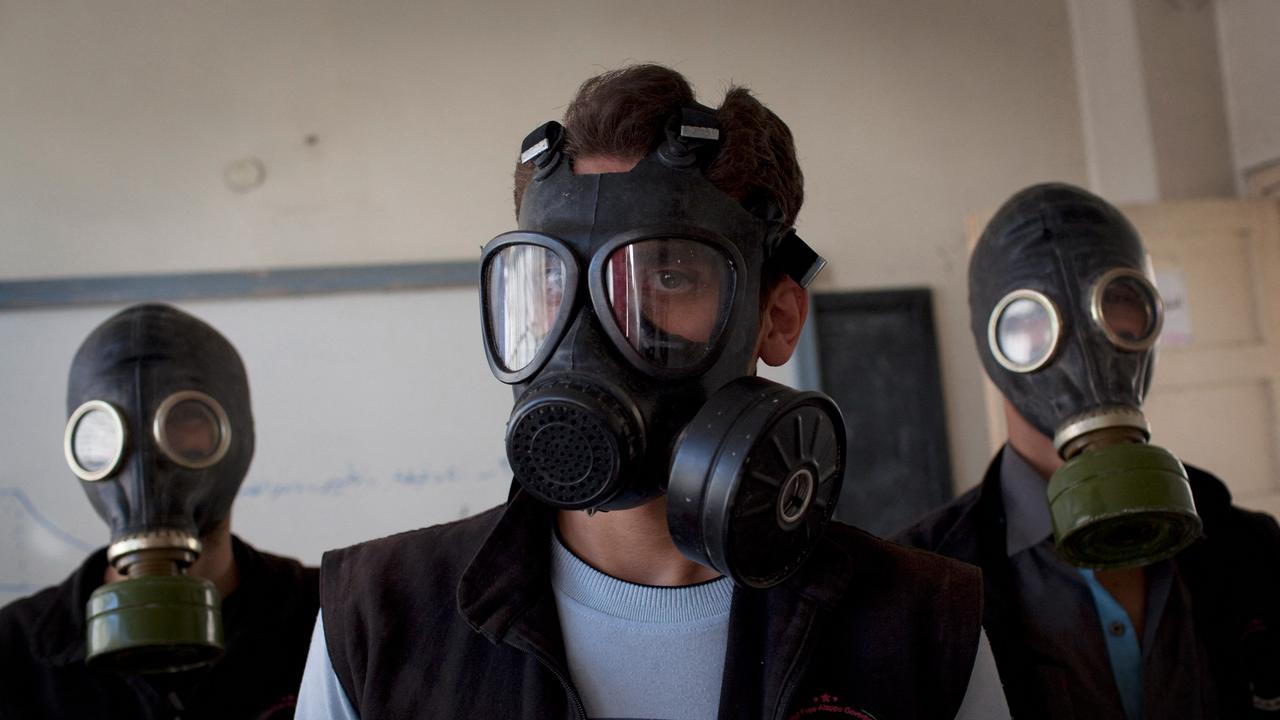
The OPCW's monthly update report, issued on Tuesday, said the findings include aerial bombs of the same type used in chemical attacks in Ltamenah in March 2017 and Khan Shaykhun in April 2017, as well as rockets of the same type used in the Ghouta chemical weapons attack in August 2013, which killed more than 1,300 people in a Damascus suburb.
Syria's permanent representative to the OPCW, Mohamad Katoub, told Reuters that Syrian teams working with OPCW inspectors located more than 70 rockets and aerial bombs in total, along with raw ingredients for sarin production and chemical weapon mixing and storage equipment.
Hexamine, a stabilization agent known to have been used by Assad's forces in sarin production, was also found during searches at three locations.
Syria's representation to the OPCW said 54 aerial bombs resembled those used in the 2017 Latamneh attack in Hama governorate, and 25 surface-to-surface munitions resembled those used in the 2013 Eastern Ghouta attack.
All seized munitions, equipment, and substances were transferred to specialized storage facilities after verification by OPCW inspection teams, according to Syria's state news agency SANA. Separately stored chemicals and related equipment are currently under technical analysis.
Thousands of pages of documentation relevant to Syria's chemical weapons program were also recovered at multiple sites, the OPCW said.
Syrian authorities have detained 18 people allegedly linked to the former regime's chemical weapons program, Katoub said. Those in custody include senior military officers, former experts from the Scientific Studies and Research Center and officers from the security unit responsible for the chemical weapons program.
"Several had served as major generals under Assad, and at least four were on European, U.K. or U.S. sanctions lists," Katoub said.
Names were not made public because the investigation is ongoing.
"Despite the secrecy, the danger, and the immense security challenges ... today we delivered for the Syrian people and for the world," Katoub said.
"It is the first time such munitions could be recovered before they were used in crimes against the Syrian people," he added.
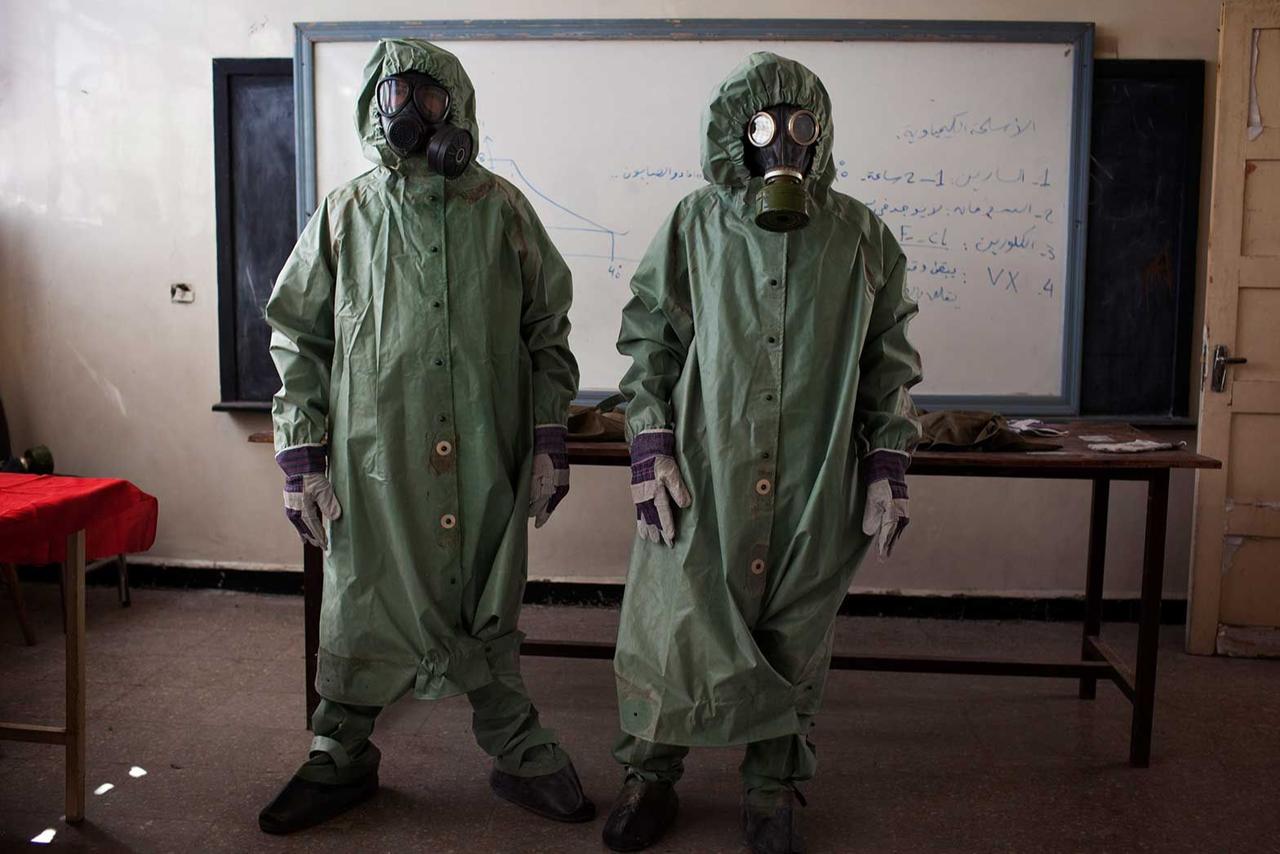
About 200 Syrian personnel have contributed to facilitating the mission, including representatives from the newly re-established Syrian National Authority, the Ministry of Defense, the Ministry of Interior, intelligence services, medical teams, and chemical, biological, radiological and nuclear specialists.
Arias said Syria's new authorities must now declare and destroy what has been found.
"I welcome Syria's cooperation and support for this deployment. The Syrian authorities now need to declare and destroy what has been found, under the secretariat's verification and to continue supporting the secretariat in unveiling the full scope of the chemical weapons program they have inherited," he said.
The OPCW has identified more than 100 locations across Syria as potentially relevant to the chemical weapons program. Syria declared only 26 locations when it joined the Chemical Weapons Convention in 2013 under pressure from Russia and the United States to avoid threatened airstrikes.
The organization has long considered that declaration incomplete.
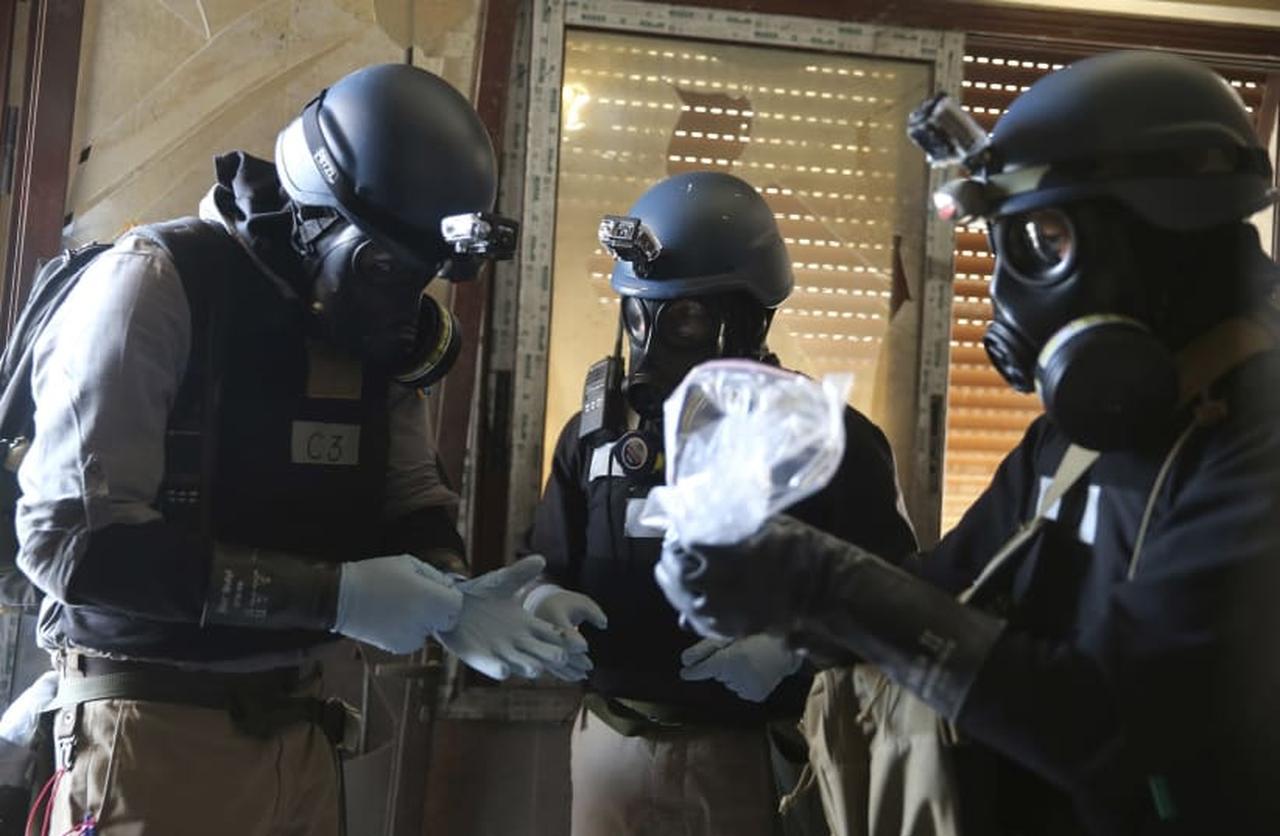
The Assad government fell in December 2024. Syria's new government under interim President Ahmad al-Sharaa has pledged to work with the international community to eliminate the legacy weapons.
Syrian Foreign Minister Asaad Hassan al-Shibani, speaking at the OPCW in The Hague, said Syria would "destroy any remains of the chemical weapons program developed under the Assad regime, to put an end to this painful legacy, to bring justice to victims, and to ensure that the compliance with international law is a solid one."
In March 2026, Syria launched a plan supported by Washington to rid the country of its legacy chemical weapons.
The OPCW has independently confirmed chemical weapons use in Syria by both former Syrian military forces and Daesh. Joint investigations by the United Nations and the OPCW previously found that sarin, chlorine, and sulfur mustard gas were used repeatedly by the Assad regime.
Assad's government consistently denied using chemical weapons before his overthrow.
"The full outcome of the current deployment will be reported in further detail at a later stage," the OPCW said.


 Set as preferred source
 Set as preferred source


 2 min read
 1 min read