Newsletters


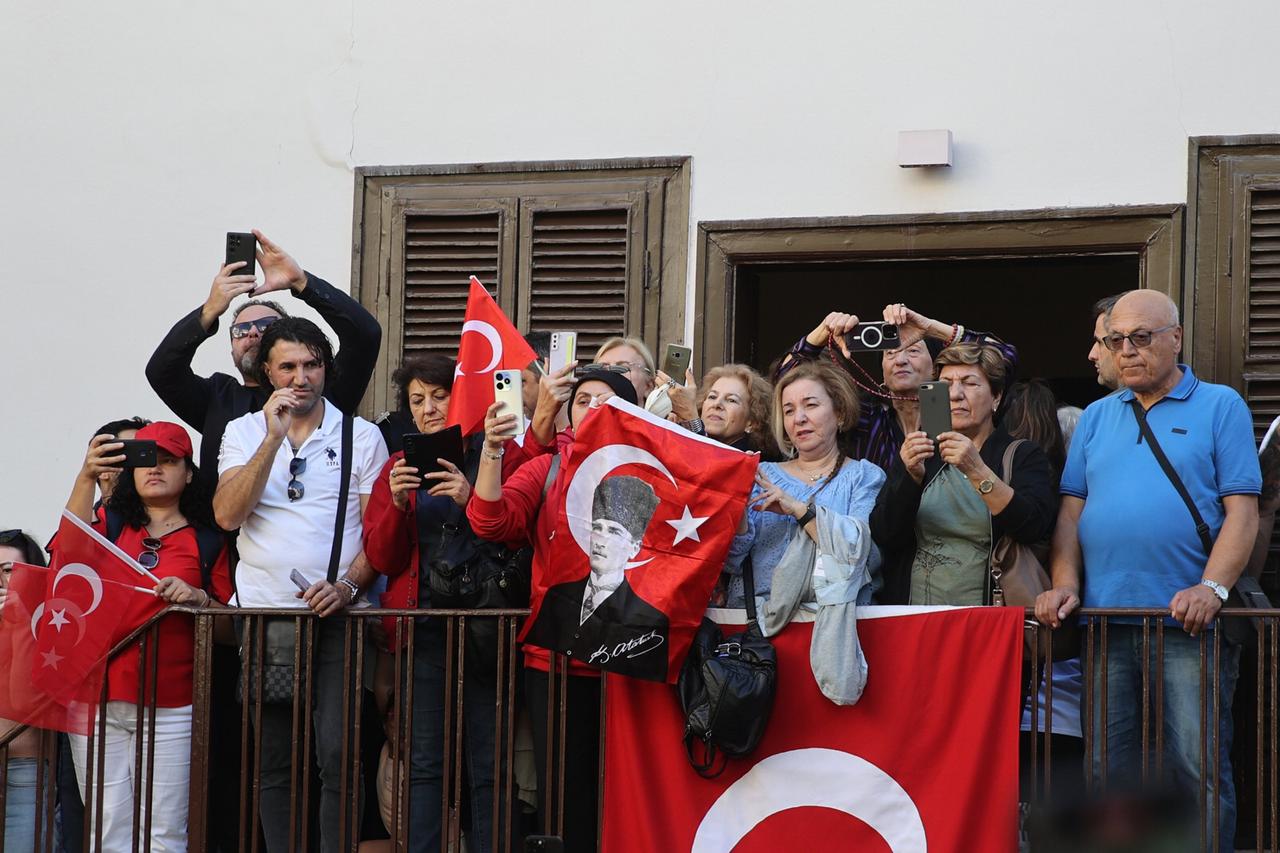


The Western Thrace Turkish Minority Advisory Board has criticized the Greek government for appointing a mufti to Dimetoka without consulting the Turkish minority community, describing the decision as a continuation of longstanding tensions rather than an effort toward resolution.
Mustafa Trampa, head of the advisory board and elected mufti of Xanthi, said the mufti institution holds religious, social and cultural significance for Western Thrace Turks and should therefore reflect the will of the minority community. He emphasized that the appointment violates principles of participatory democracy and religious freedom.
"This situation has saddened us once again," Trampa said, adding that the minority expects dialogue and consultation from the state rather than imposition.
Trampa noted that until 1990, muftis in Western Thrace were chosen through elections. Since that year, however, the Greek state has appointed muftis without consulting the minority population.
The minority does not recognize the appointed muftis in Xanthi and Komotini, Trampa said, pointing to international agreements that acknowledge the minority's right to elect its own religious leaders. The mufti position carries authority over religious matters and certain civil issues including family law for the Muslim community in the region.
The decades-old disagreement over mufti appointments has remained unresolved, creating parallel religious leadership structures in Western Thrace.
Trampa characterized the Dimetoka appointment as problematic under international law and democratic principles. "Freedom of religion and conscience has been harmed. The right to representation has once again been damaged. Participatory democracy has once again been dealt a blow. European norms and pluralism have not been taken into account," he said.
The advisory board leader described the latest appointment as a choice to maintain existing tensions rather than demonstrate genuine intent to resolve the issue. "This decision is the result of a preference to perpetuate the problem, not the will to solve it," Trampa said.
Expressing disappointment over the appointment, Trampa said Western Thrace Turks possess the maturity and will to select their own religious leader. He called for dialogue-based solutions rather than continued imposition of state decisions.
"We want and expect to resolve problems through discussion, dialogue and consultation, rather than continuing them with impositions," Trampa said.
The Western Thrace Turkish minority, numbering approximately 100,000-150,000 people, is officially recognized under the 1923 Treaty of Lausanne, which established protections for minority rights in Greece following the population exchanges between Greece and Türkiye.


 Set as preferred source
 Set as preferred source


 1 min read

 1 min read