Newsletters


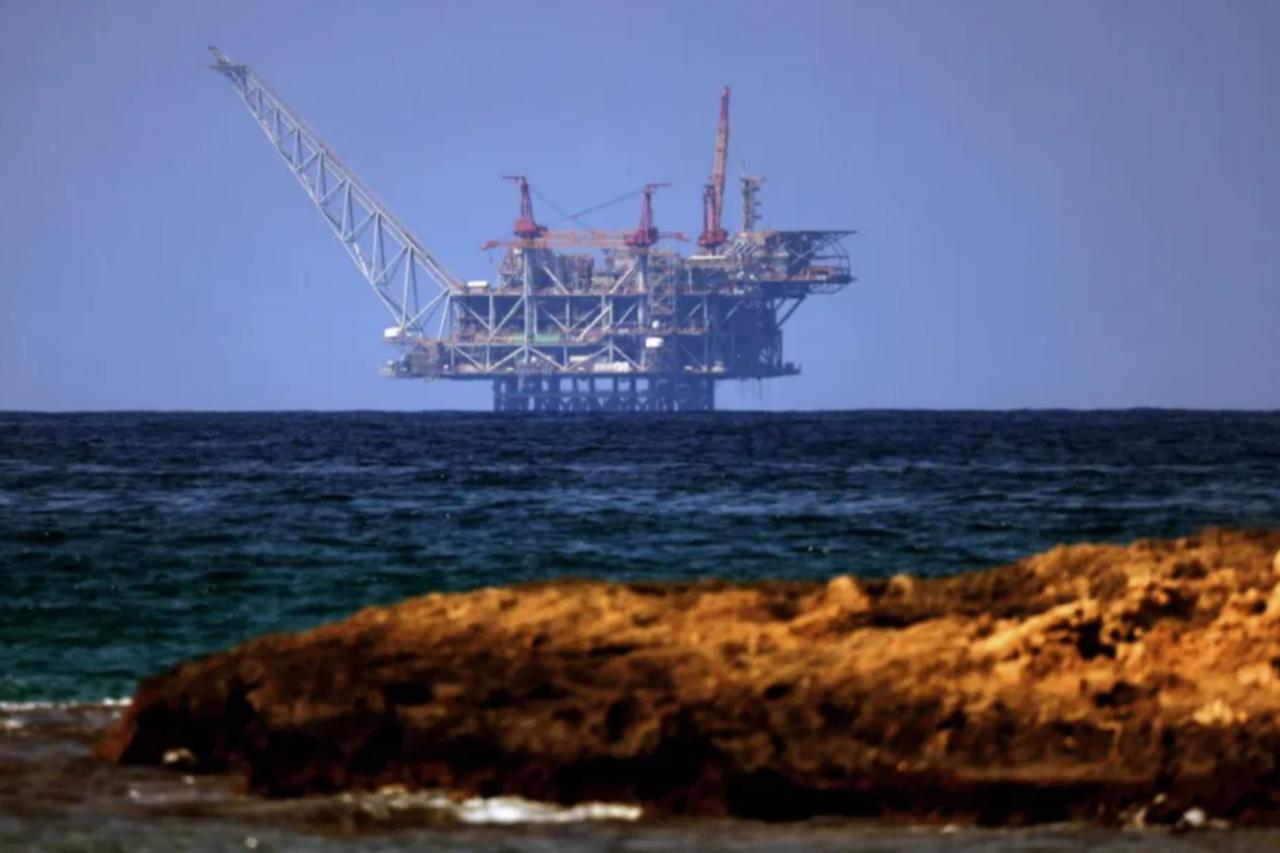


Israeli Prime Minister Benjamin Netanyahu announced Wednesday the approval of a landmark agreement to export natural gas to Egypt from offshore Israeli fields, describing it as the largest export deal in Israel’s history.
The deal is valued at 112 billion shekels, approximately $34.7 billion. Under the agreement, U.S. energy giant Chevron and its Israeli partners will supply natural gas to Egypt from the Leviathan field in the Mediterranean Sea.
Netanyahu said 58 billion shekels ($18.02 billion) of the deal’s value would flow into Israel’s state treasury.
Although Israel views the agreement as its largest deal to date, critics warn that exporting large volumes of a finite natural resource could, in the future, leave the country dependent on energy imports or exposed to sharp increases in electricity prices, particularly if no new gas fields are discovered.
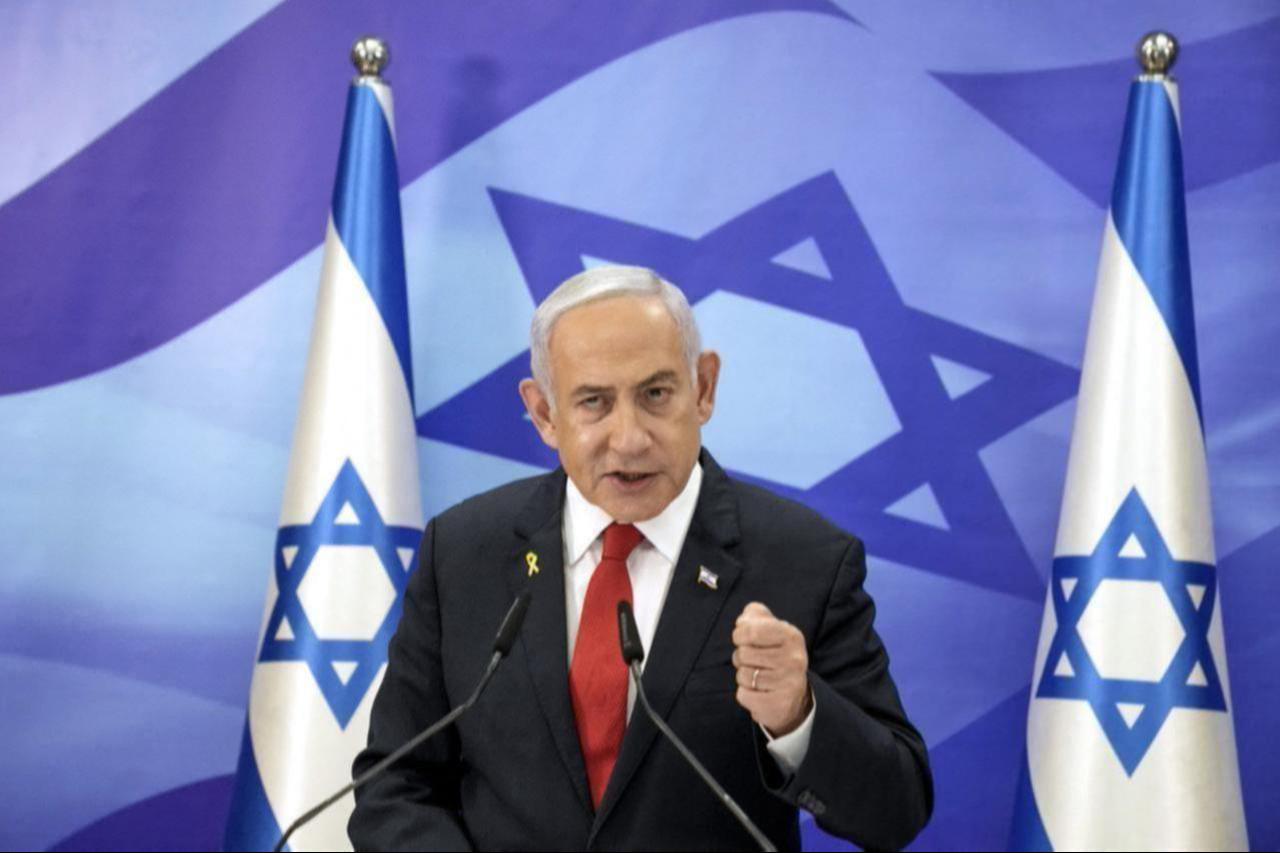

Media reports indicate that the agreement is not purely economic but also carries a strategic dimension aimed at deepening relations with Egypt, strengthening regional reliance on Israeli gas, and cementing Israel’s position as a key regional energy supplier.
Arab media reports suggest that Netanyahu’s approval of the deal also aims to send a message to domestic opponents that he is not regionally isolated and remains capable of imposing his terms despite the wars he has overseen and the regional and international criticism he faces.
In this context, NewMed Energy CEO Yossi Abu described the deal as a goldmine for Israelis, while Israel’s energy minister said it was the largest in Israel’s history.
Under the agreement, Egypt will pay $35 billion over 14 years for the gas, while Israel’s Finance Ministry is expected to collect millions of dollars in taxes and revenues.
Arab reports suggest the agreement also benefits Egypt, which is grappling with economic challenges.
The deal enables Cairo to secure large volumes of natural gas at prices significantly lower than imported liquefied natural gas, helping to reduce electricity generation and industrial energy costs.
Egypt also has advanced infrastructure for liquefying gas and re-exporting it to Europe and Asia, reinforcing its position as a regional gas trading hub in the Eastern Mediterranean.
Although claims circulated during the approval freeze that Cairo had negotiated a lower gas price, available information does not support the narrative.
According to CNN, citing a source familiar with the Israeli gas export deal, the agreement between companies operating in Israel and private sector firms supplying gas to Egypt included fixed prices for the supplied natural gas, with no adjustments made by the companies.
This means the deal did not involve price reductions in Egypt’s favor compared with previous terms.
The first reports about the agreement emerged Aug. 7, when the Hebrew-language newspaper Maariv reported that NewMed Energy had signed a new contract to export gas to Egypt from the Leviathan field, expanding an existing agreement signed in 2019 that provided for the export of 60 billion cubic meters of gas.
As official approval of the new deal was delayed for more than four months, Israel’s Channel 12 and Egypt’s Cairo 24 reported that Cairo might turn to Qatar to cover supply gaps, alongside assurances from Egypt’s Ministry of Petroleum that it remains committed to a policy of diversifying partners.
Following these reports, Israeli media in recent days spoke of a shift in Netanyahu’s position, noting that he had given the green light to resume understandings with Cairo on the agreement.
Under the deal, the largest in Israel’s history, partners will sell 130 billion cubic meters of gas to Egypt through 2040, in return for about $35 billion.
Operating rights in the Leviathan field are divided as follows:
According to Israel Hayom, Egypt’s Blue Ocean Energy is the buyer, adding the deal to a series of agreements under which Israel has supplied gas to Egypt over the past five years.
The agreement faced several delays in approval. Israel’s energy minister said he had been holding up consent to the $35 billion deal until better commercial terms were secured for the Israeli market, according to the Financial Times.
Among the scenarios cited to explain the delay were claims that Cairo had violated the security annex of the 1979 Egypt-Israel peace treaty, referring to Egyptian military deployments in Sinai. Egypt denied the allegations at the time, saying there had been no violation of the treaty.
In the same context, U.S. Energy Secretary Chris Wright announced the cancellation of a planned visit to Tel Aviv after negotiations over gas exports to Egypt stalled due to Israel’s Energy Minister Eli Cohen refusing to sign the agreement, a move seen as reflecting growing tensions between Washington and Tel Aviv over several strategic issues, according to Israel 24.
Despite criticism directed at Egypt over the deal, particularly amid the war on Gaza, reports indicate that Israel, not Cairo, chose to suspend the agreement, even as Egypt faced widespread criticism.
Jean-Baptiste Lacouture, an LNG and natural gas analyst at Kpler, told CNN Business Arabic that the delay stemmed from the desire of some within the Israeli government to retain a larger share of offshore resources for future domestic consumption, alongside concerns that electricity prices could rise if local supplies were reduced.
Antonia Sen, a commodities markets analyst at Rystad Energy, said the delay resulted from Israel’s refusal to issue a final export permit.
The Israeli Energy Ministry, she said, insisted on finalizing domestic pricing details first to ensure that increased exports to Egypt would not undermine competitive pricing in the Israeli market.
She added that in the short term, the delay would not affect actual gas flows, as the real constraint lies not in the contract itself but in the capacity of pipelines between Israel and Egypt, currently estimated at about 10 billion cubic meters per year. About 6.5 billion cubic meters flow via the Ashkelon-Arish pipeline, and about 3.5 billion via Jordan.
The presence of U.S. energy giant Chevron as the operator of Israel’s gas fields helps explain the American pressure to finalize the deal, as it would generate additional strong returns for the company—and by extension for the U.S. economy.
According to an Israeli source cited by CNN, Netanyahu’s government stalled approval of the deal for several months but ultimately relented under pressure from the White House.
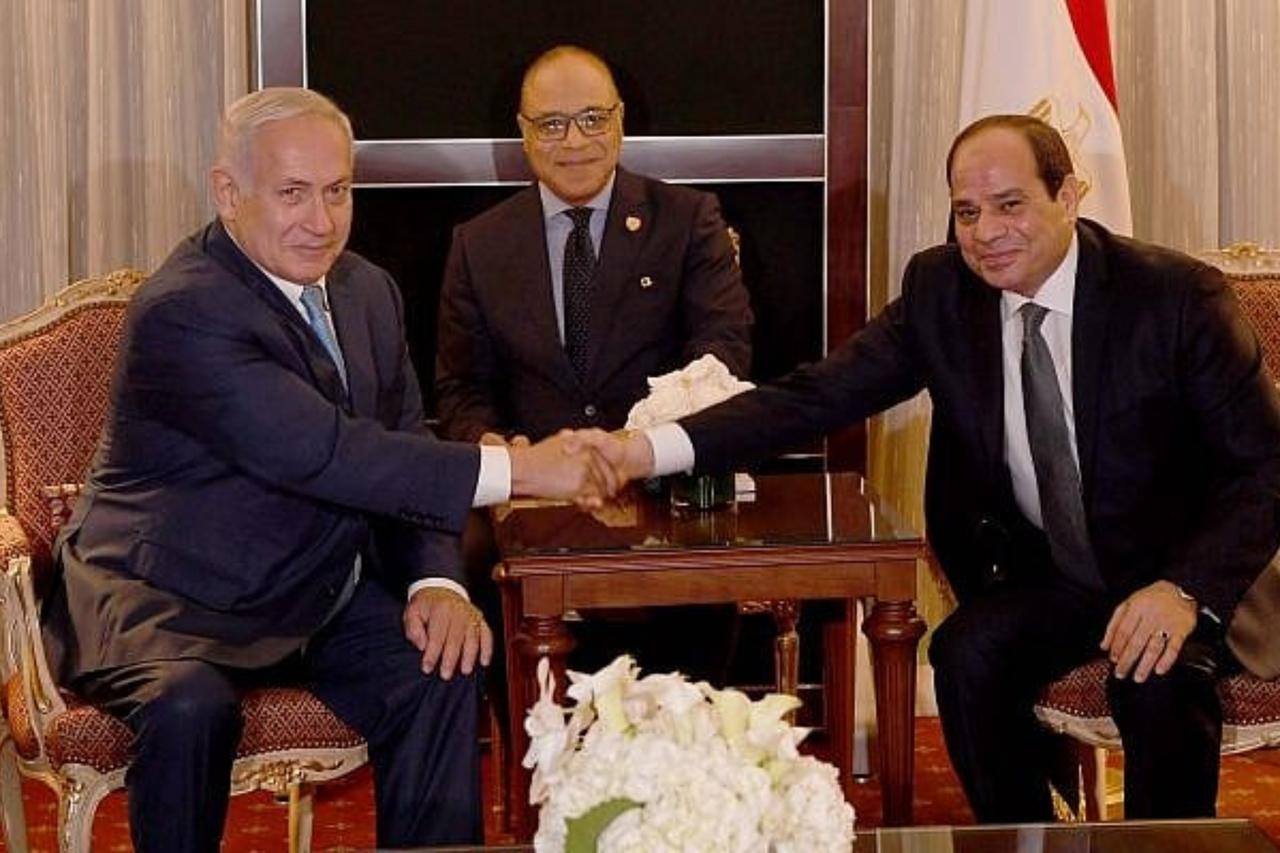
Another source said the announcement was part of preparations for a potential meeting between the Israeli and Egyptian leaders, who have not met in nearly a decade, but which U.S. President Donald Trump is keen to arrange as part of his efforts to broker regional peace agreements.
Israel 24 reported that the U.S. administration exerted intense pressure on Israeli officials, including Eli Cohen and Benjamin Netanyahu, to approve the gas export agreement with Egypt, valued at up to $35 billion by 2040, in a bid to reach a final understanding.


 Set as preferred source
 Set as preferred source


 1 min read
 1 min read