

 Newsletters


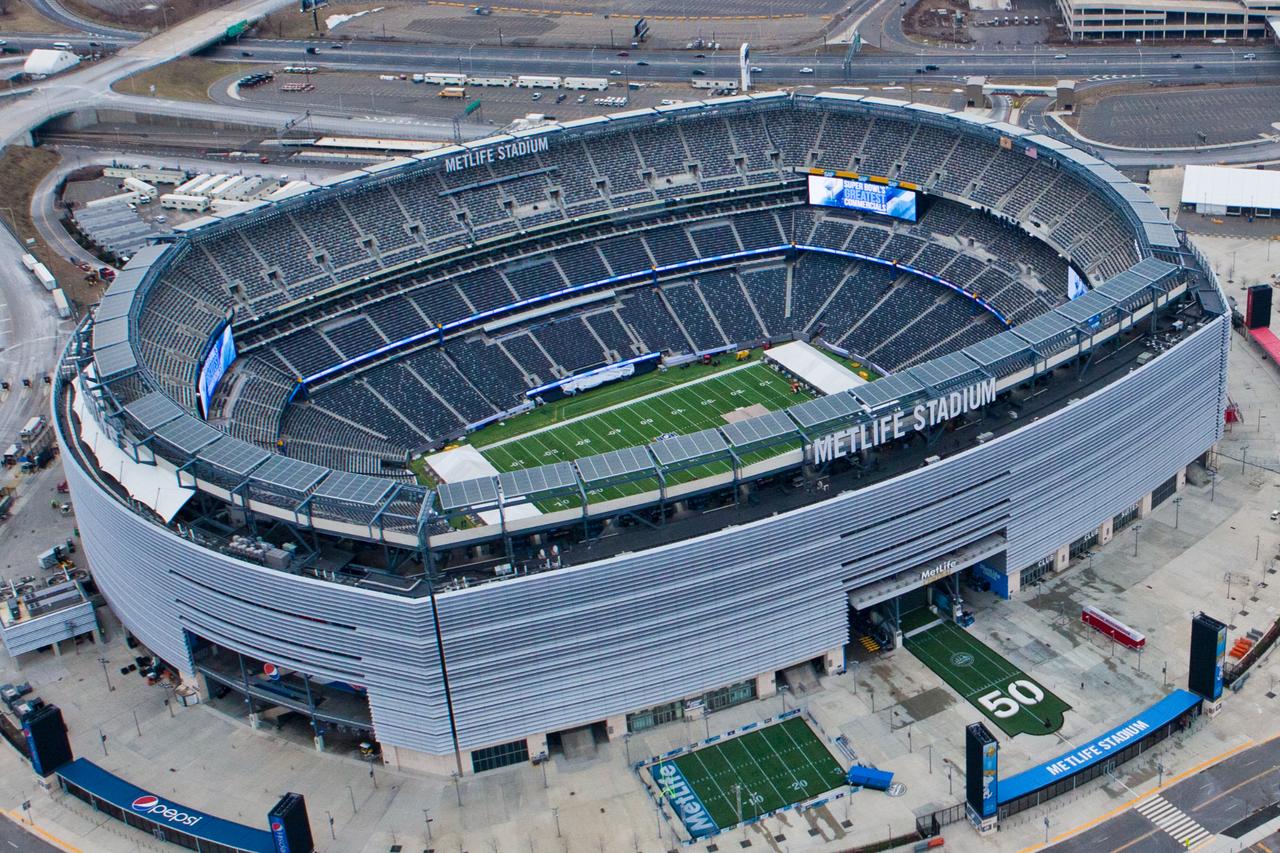


A dispute has broken out between FIFA and New Jersey officials after transport costs for the 2026 World Cup were set to rise sharply, with train fares to matches near New York expected to exceed $100.
Plans to introduce special event pricing for trains running from Penn Station in New York to MetLife Stadium have drawn criticism, as the usual return fare of around $13 could increase several times during the tournament. The stadium, which will host eight matches, including the final, sits across the Hudson River in New Jersey and is one of the key venues for the competition.
The proposed pricing structure, reported earlier this week, forms part of preparations by NJ Transit to manage the expected surge in passenger numbers. However, the scale of the increase, combined with the lack of discounted fares for children or seniors, has triggered concern among officials and fans alike.
New Jersey Governor Mikie Sherrill argued that local taxpayers should not be left to cover the costs of transporting World Cup spectators. She pointed to the financial burden on the state’s transit system, which is expected to spend tens of millions of dollars to run additional services and ensure safe travel.
In a statement shared publicly, Sherrill said she would not allow long-term costs to be passed on to commuters, adding that FIFA, which generates substantial revenue from the tournament, should subsidize transport instead.
FIFA responded by expressing surprise at the criticism and emphasized that transport arrangements had already been renegotiated. The governing body noted that earlier host city agreements included free travel for fans, but these terms were revised in 2023 due to financial pressures on host cities.
Under the updated framework, ticket holders are expected to access transport “at cost,” meaning they pay the actual operating expenses rather than receiving subsidized or free travel. FIFA also stressed that similar expectations apply to other large-scale events, where organizers typically do not fund fan transportation.
The issue is not limited to the New York-New Jersey area. In Foxborough, near Boston, train fares for match days have also risen significantly, while coach services are priced even higher. Parking fees at stadiums have similarly increased, adding to the overall cost of attending matches.
While FIFA points to long-term economic benefits and prior coordination with host cities, local authorities continue to push back against absorbing expenses they argue fall outside their responsibility.


 Set as preferred source
 Set as preferred source


 1 min read
 1 min read


