

 Newsletters


Preparations for the 2026 FIFA World Cup entered their final phases Sunday, as infrastructure assembly began in the historic heart of Guadalajara, Mexico.
Aerial footage captured the initial setup of the official FIFA Fan Festival, which is being constructed at the Plaza de la Liberacion.
Situated prominently between the Guadalajara Cathedral and the Teatro Degollado, the temporary festival site is designed to serve as the primary gathering space for domestic and international fans outside of the official stadium environment.
The site will feature live match broadcasts on giant screens, local culinary exhibitions, and cultural programming throughout the multi-week tournament.
Municipal authorities indicated that the historic center was selected to showcase the city's architectural heritage while providing accessible public transit links for incoming tourists.
The 2026 tournament marks a unique milestone for the Jaliscan capital. Guadalajara is completing a historical hat-trick by serving as a World Cup host city for the third time, following its selection during the 1970 and 1986 final tournaments.
The upcoming fixtures will be held at Estadio Guadalajara, an eco-friendly stadium noted for its distinct, grass-covered volcanic hillside silhouette.
The venue serves as the regular-season home of Liga MX club C.D. Guadalajara (Chivas) and has previously hosted major international events, including the 2011 Pan American Games and the 2018 CONCACAF Champions League finals.
Guadalajara is designated to host a total of four group-stage fixtures during the tournament, featuring teams from across Europe, Asia, and the Americas.
The city's tournament schedule opens on June 12, with a matchup between South Korea and Czechia.
Six days later, on June 18, co-hosts Mexico will face South Korea in a highly anticipated Group A fixture.
The tournament action continues on June 24 when Colombia competes against the Democratic Republic of the Congo.
Finally, Uruguay will play Spain on June 27 to conclude the local group-stage calendar.
In tandem with the Fan Festival setup, the municipal government has implemented localized urban beautification projects across key sectors of the city.
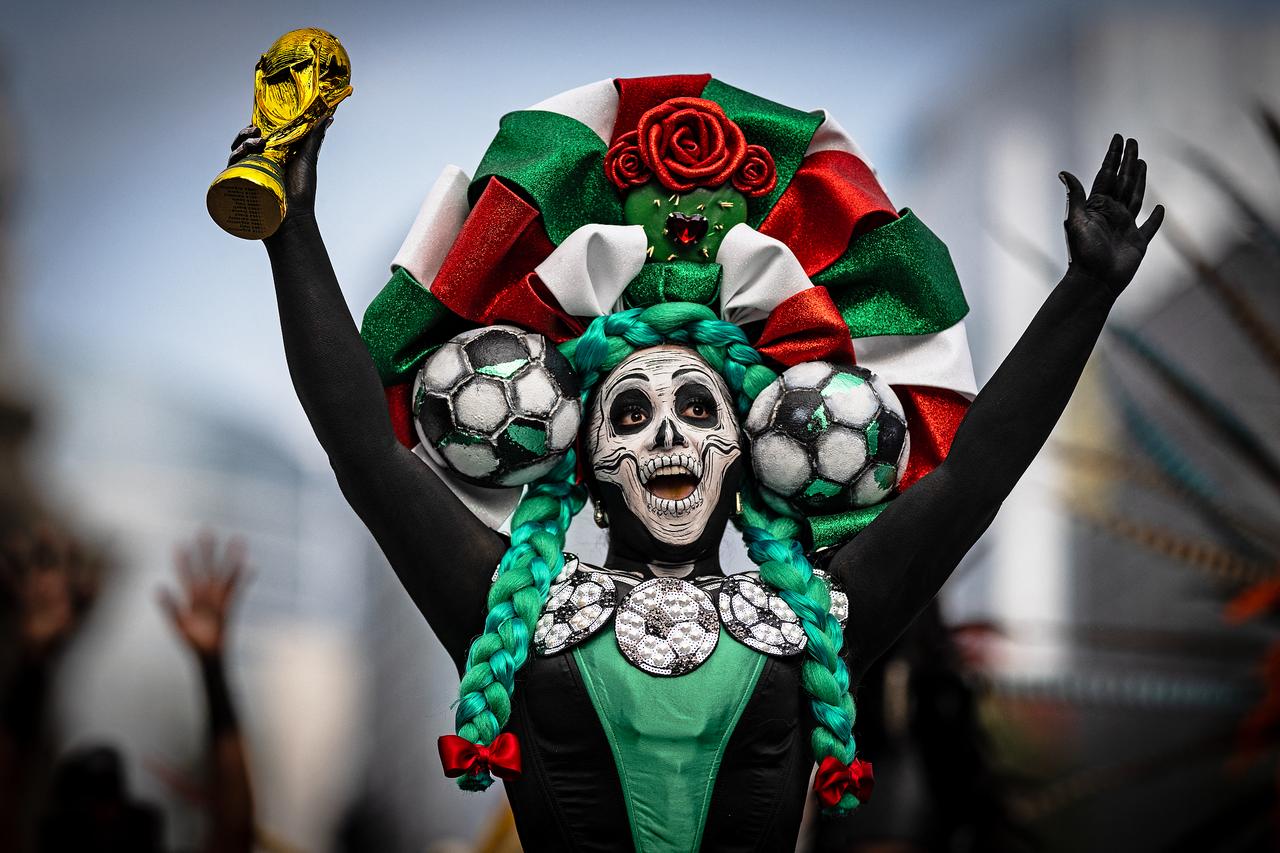
Murals, decorative banners, and tournament signage have been installed along major thoroughfares, while regional transit authorities have updated mobility routes to accommodate the projected influx of visitors traveling between the historic center and the stadium zone.


 Set as preferred source
 Set as preferred source


 1 min read
 1 min read


