

 Newsletters


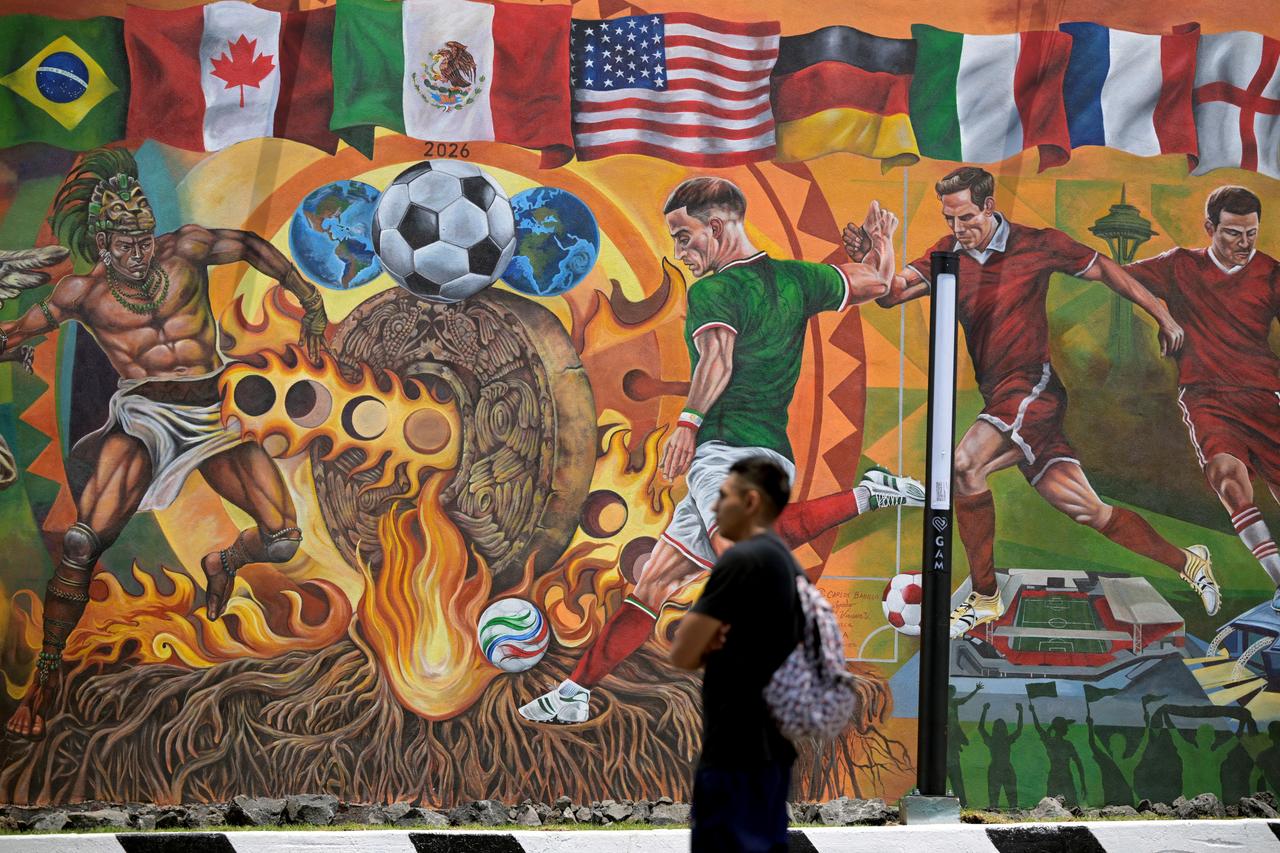


Haiti's first World Cup qualification since 1974 has brought immense pride to the Caribbean nation. However, Emile, a Haitian resident living in Ohio, fears attending the tournament due to President Donald Trump's strict immigration policies.
The truck driver in his 40s, who withheld his last name over safety concerns, told AFP that while he would love to hear his national anthem on a global stage, the fear of potential detention weighs heavily on him.
"My lawyer advised me not to fly so I don't get caught at the airport," he said.
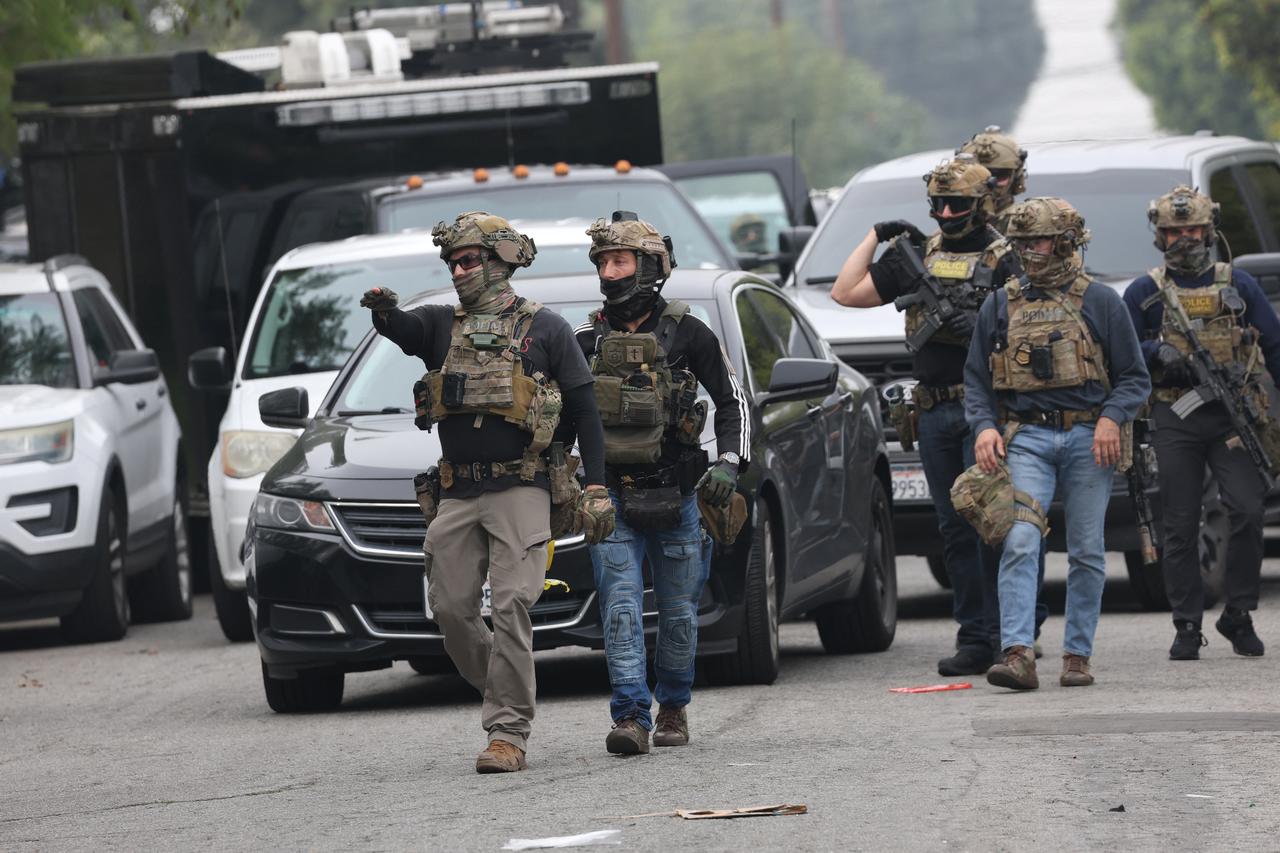
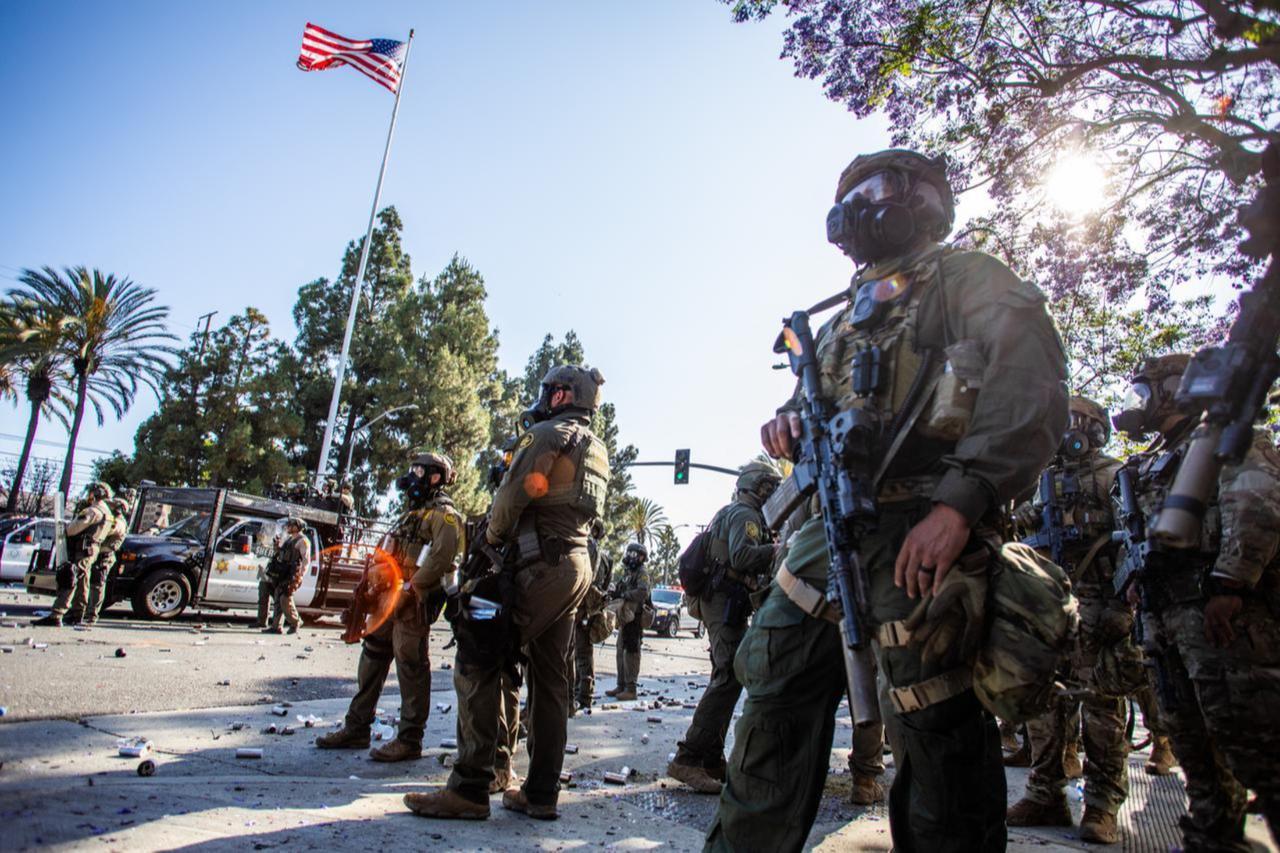
Emile's concerns are shared by many within the immigrant community who have watched armed Immigration and Customs Enforcement (ICE) officers carry out operations across multiple U.S. cities.
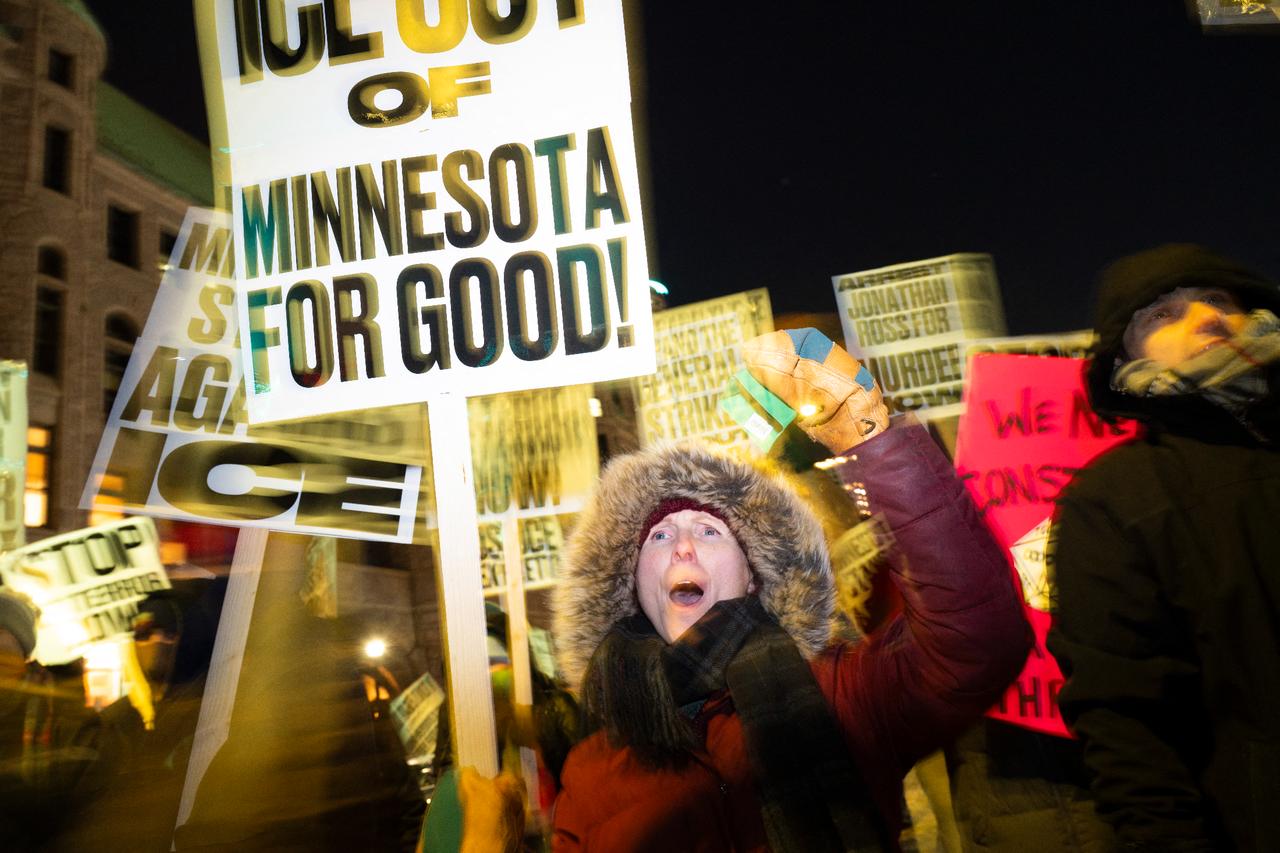
Outrage peaked recently after ICE officers shot and killed two American demonstrators in Minneapolis.
"Now, people are making sure that they are aware of what they are doing, and they don't feel safe," Monica Sarmiento of the Virginia Coalition for Immigrant Rights told AFP.
"We have seen very aggressive tactics (from ICE) that have targeted not only undocumented communities but also people with protective status," Sarmiento said.
She added that 70% of the individuals arrested, detained, and deported have no criminal record. "Many of them have been here for decades, paying taxes for decades," she said.
Seventy-eight of the 104 World Cup matches will be held in the United States, which is co-hosting the June 11-July 19 tournament with Canada and Mexico.
The possibility of ICE activity around U.S. matches has sparked concerns among the domestic Hispanic community. This population comprises 20% of the total U.S. population, with heavy concentrations in California, Texas, and Florida, as well as major cities like Miami, Los Angeles, Dallas, and New York.
The Haitian community, comprising over 850,000 people in 2024 and largely concentrated in Miami and New York, is also under threat.
The Trump administration wants to end the temporary protected status from which Emile and others benefit. It prevents their deportation to their home country, one of the poorest in the world and one ravaged by political instability, economic crisis and gang violence.

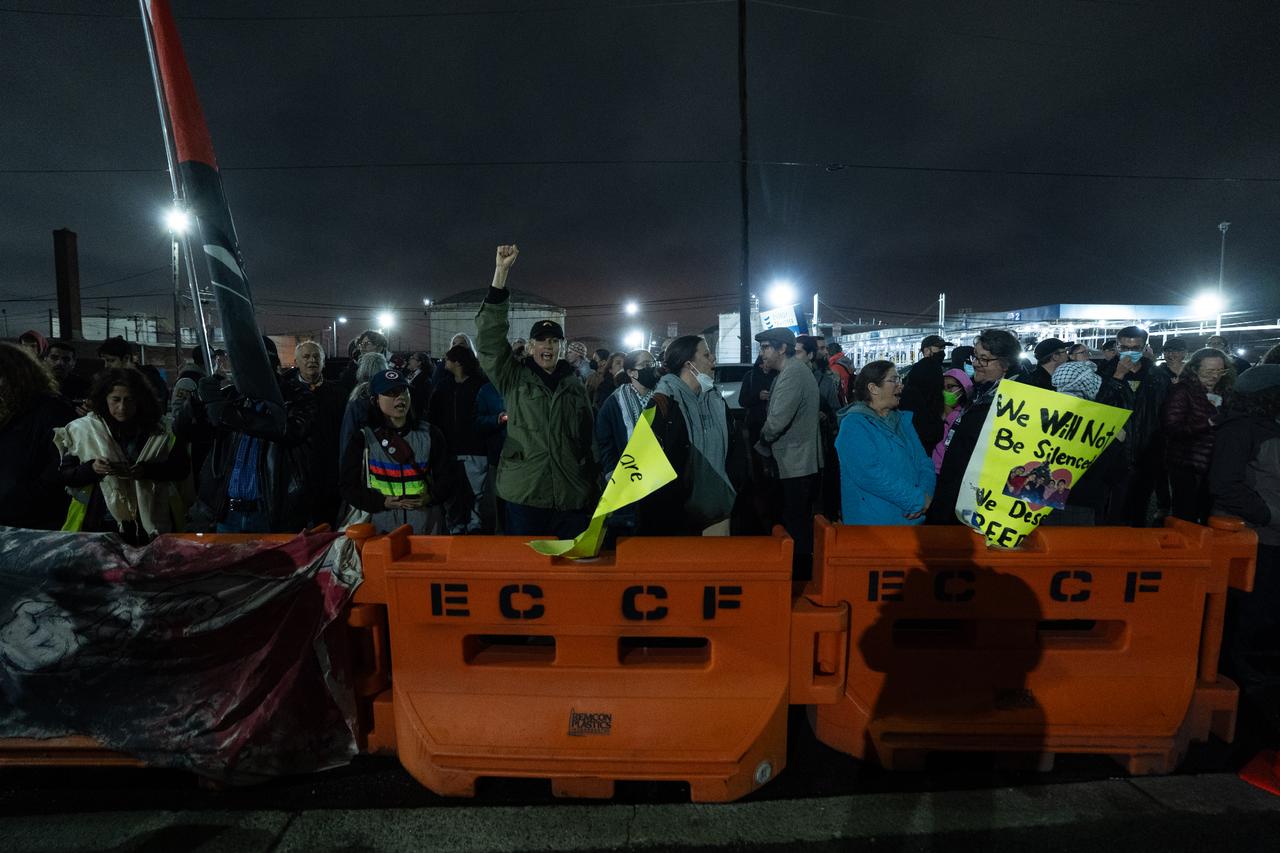
These anxieties are fueled by a recent Human Rights Watch report detailing the arrest and deportation of an asylum seeker who attended last year's Club World Cup final in New Jersey with his children. Advocacy groups are demanding an "ICE truce" for the upcoming World Cup tournament.
Some rights organizations also fear that ICE will target foreign tourists around stadiums or in the numerous fan zones where supporters will gather.
More than 120 U.S. civil rights organizations, including the influential American Civil Liberties Union, issued a "travel advisory" in April, warning of the "risk of serious rights violations" to fans, players, journalists and other visitors.
According to the signatories, people travelling to the United States could risk denial of entry and risk of arrest, detention and/or deportation, racial profiling and "cruel, inhuman or degrading treatment, and even death, while in ICE detention or custody."
ICE, one of the many agencies of the Department of Homeland Security (DHS), has long taken part in security arrangements for major sporting events such as the Super Bowl. "International visitors who legally come to the United States for the World Cup have nothing to worry about," a DHS spokesperson told AFP, adding, "what makes someone a target for immigration enforcement is whether or not they are illegally in the U.S."
Responding to a question from AFP, global football governing body FIFA said it is "committed to respecting all internationally recognized human rights and strives to promote the protection of these rights."


 Set as preferred source
 Set as preferred source


 1 min read
 1 min read


