Newsletters


Marmaris is preparing to take on a decisive role in the 61st Presidential Cycling Tour of Türkiye.
The international race begins on April 26, with the coastal district hosting multiple critical stages that could determine the overall winner.
Held under the auspices of the presidency and supported by the Youth and Sports Ministry, the tour stands as Türkiye’s only race in the UCI ProSeries category.
This year, 161 cyclists from 23 teams and 27 countries will compete across a 1,133.5-kilometer route, placing the country once again on the global cycling calendar.
Among all host locations, Marmaris has emerged as one of the central hubs of the race, with one finish and two-stage starts scheduled over three consecutive days.
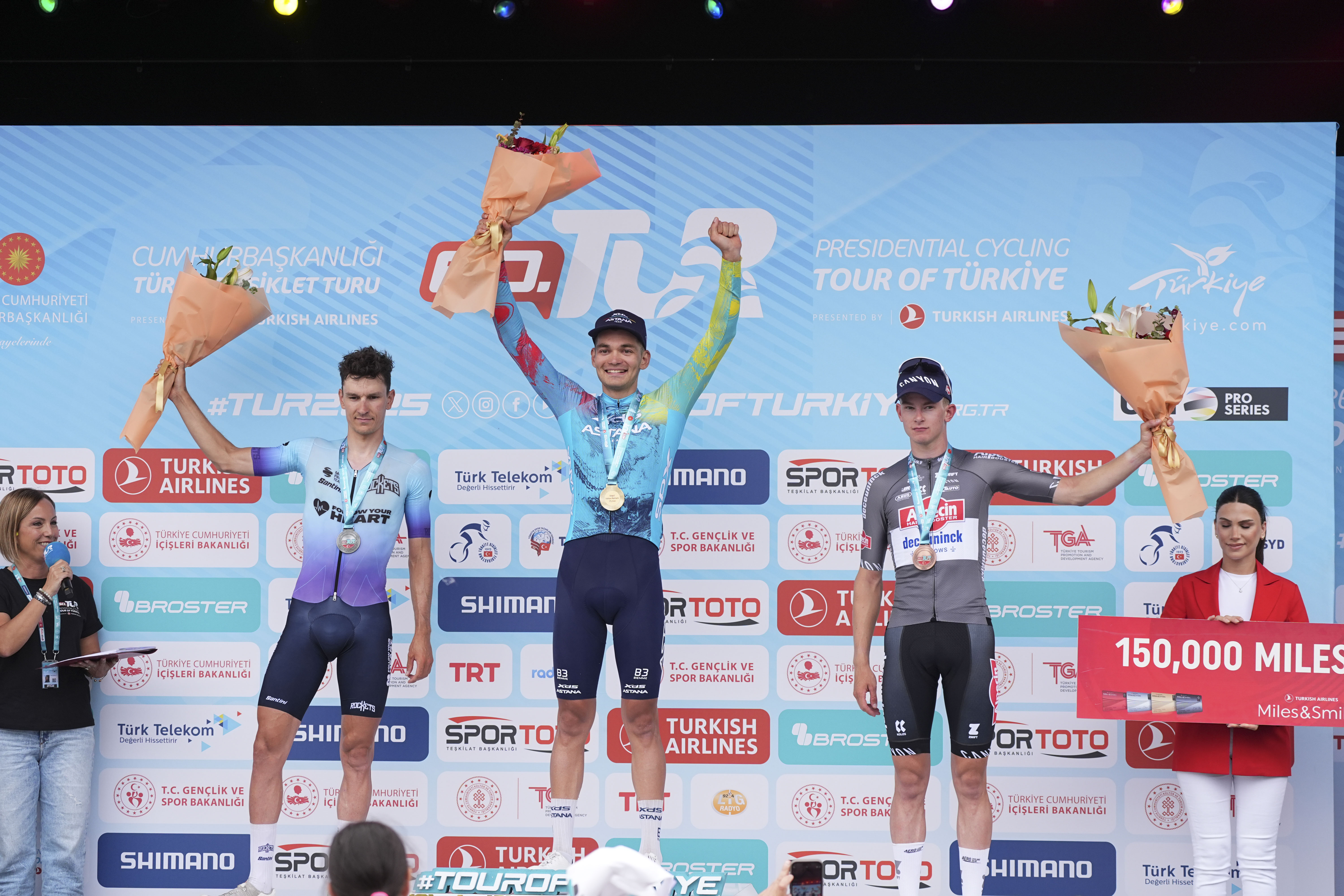

The Marmaris Kiran stage is widely seen as one of the most demanding segments of the tour, with gradients reaching up to 11 percent over a roughly 10-kilometer climb.
Officials and local organizers expect this section to play a decisive role in shaping the general classification.
Tolga Gok, head of the Marmaris Cycling Association, described the climb as “an epic ascent” that deserves wider international recognition, adding that it ranks among the most technically challenging routes in the race.
He noted that both the Marmaris Kiran and Antalya stages are likely to determine the eventual champion.
The route is also expected to deliver extensive visual exposure, with sweeping coastal and mountainous landscapes broadcast to international audiences following the race.
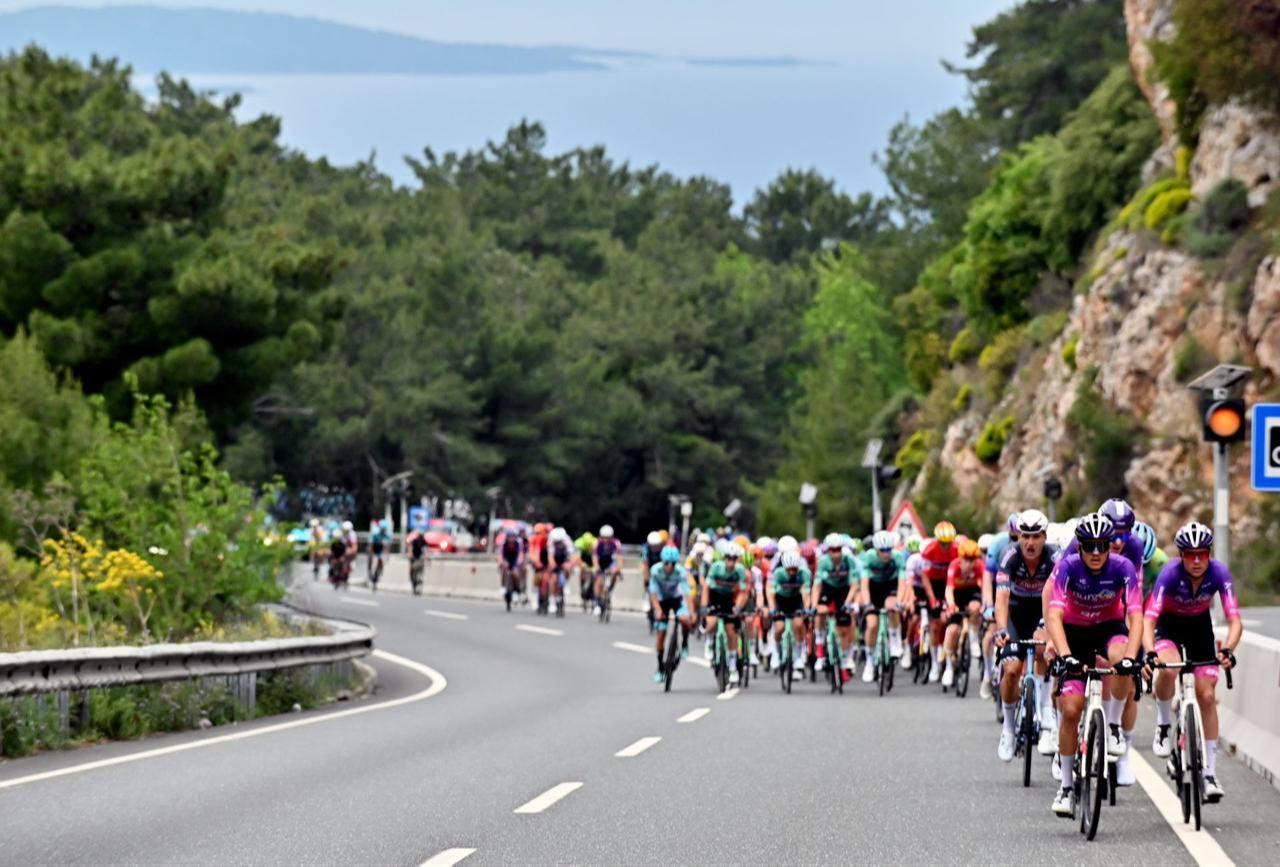
Local officials and tourism representatives point to the race’s global media reach as a major advantage for the region.
Mutlu Ayhan, head of the Marmaris Chamber of Commerce, said the district’s role as both a finish and starting point strengthens its position within international sporting events.
He emphasized that “live broadcasts and broad media visibility allow Marmaris’ natural beauty and tourism infrastructure to reach millions of viewers worldwide,” adding that the influx of visitors during the event creates economic activity across accommodation, food, and service sectors.
Tourism stakeholders also see the event as a tool to extend the season and diversify visitor profiles.
Cengiz Aygun, head of the South Aegean Touristic Hoteliers and Operators Association, stated that such events contribute not only to the promotion of cycling but also to the international visibility of Marmaris, Mugla, and Türkiye.
“Marmaris, with its natural beauty, geographical structure, and tourism potential, is one of the destinations that best fit this kind of organization,” Aygun told Anadolu, stressing the event’s role in strengthening the region’s brand value.
Key Marmaris stage schedule
Marmaris will host three consecutive stages that are expected to draw both competitive and logistical focus:
With its combination of challenging terrain, international participation, and strategic placement within the race calendar, Marmaris is positioned not just as a scenic backdrop but as a decisive arena where the outcome of Türkiye’s most prominent cycling event may be settled.


 Set as preferred source
 Set as preferred source


 1 min read