

 Newsletters


Members of the Mexican National Guard stand watch outside the Caliente Stadium to secure the Iranian National Football Team's training camp in Tijuana, Mexico, on Tuesday.
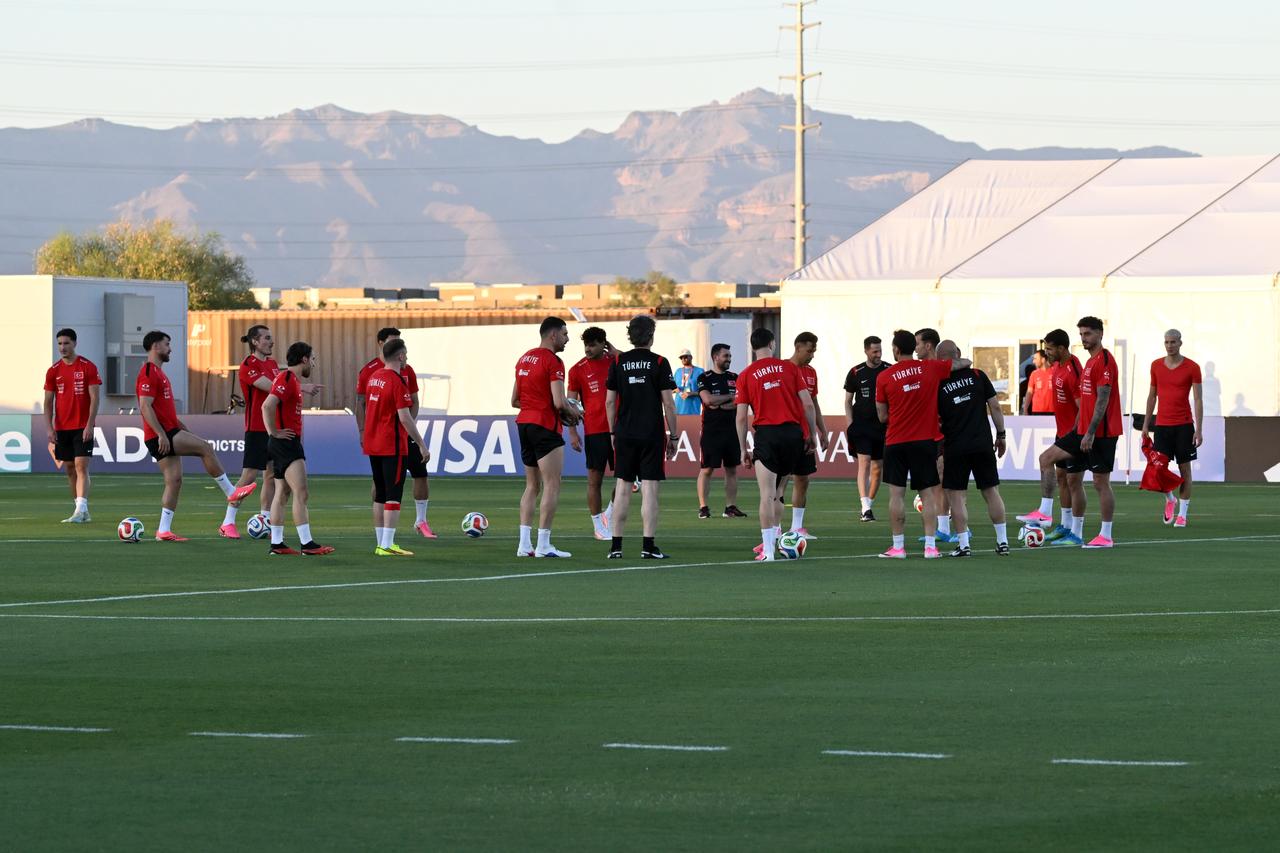
Security measures have been heightened inside and outside the sports complex to ensure the safety of the squad as they prepare for their upcoming matches in the 2026 FIFA World Cup.
The Iranian national football team arrived early Sunday at Tijuana International Airport in Mexico after relocating from its original base in the U.S. due to logistical issues, visa uncertainties and growing diplomatic tensions.
The 70-member football delegation arrived at 5 a.m. in the northwestern border state of Baja California. From there, the team will travel by air to Los Angeles and Seattle for its Group G matches and will be required to return to Mexican territory on the same day as each game.
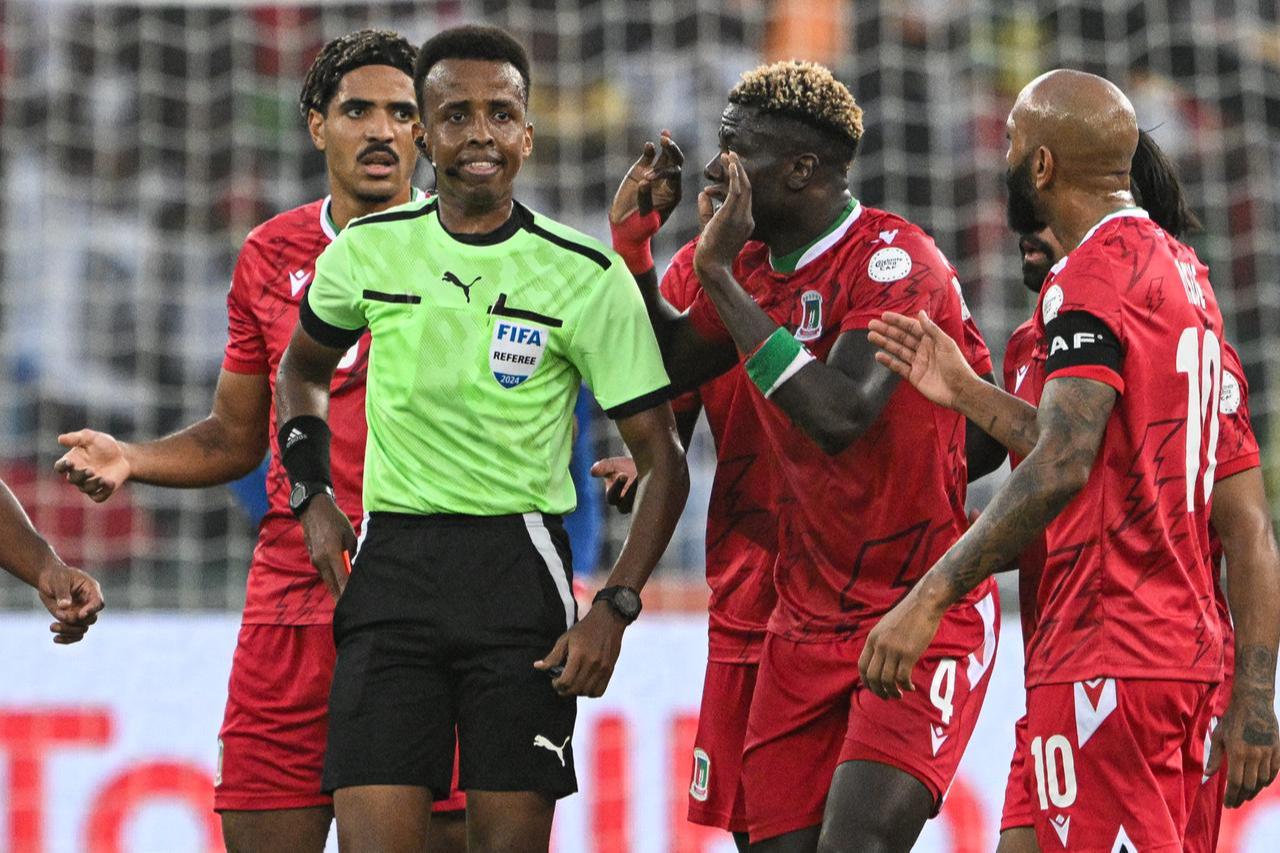
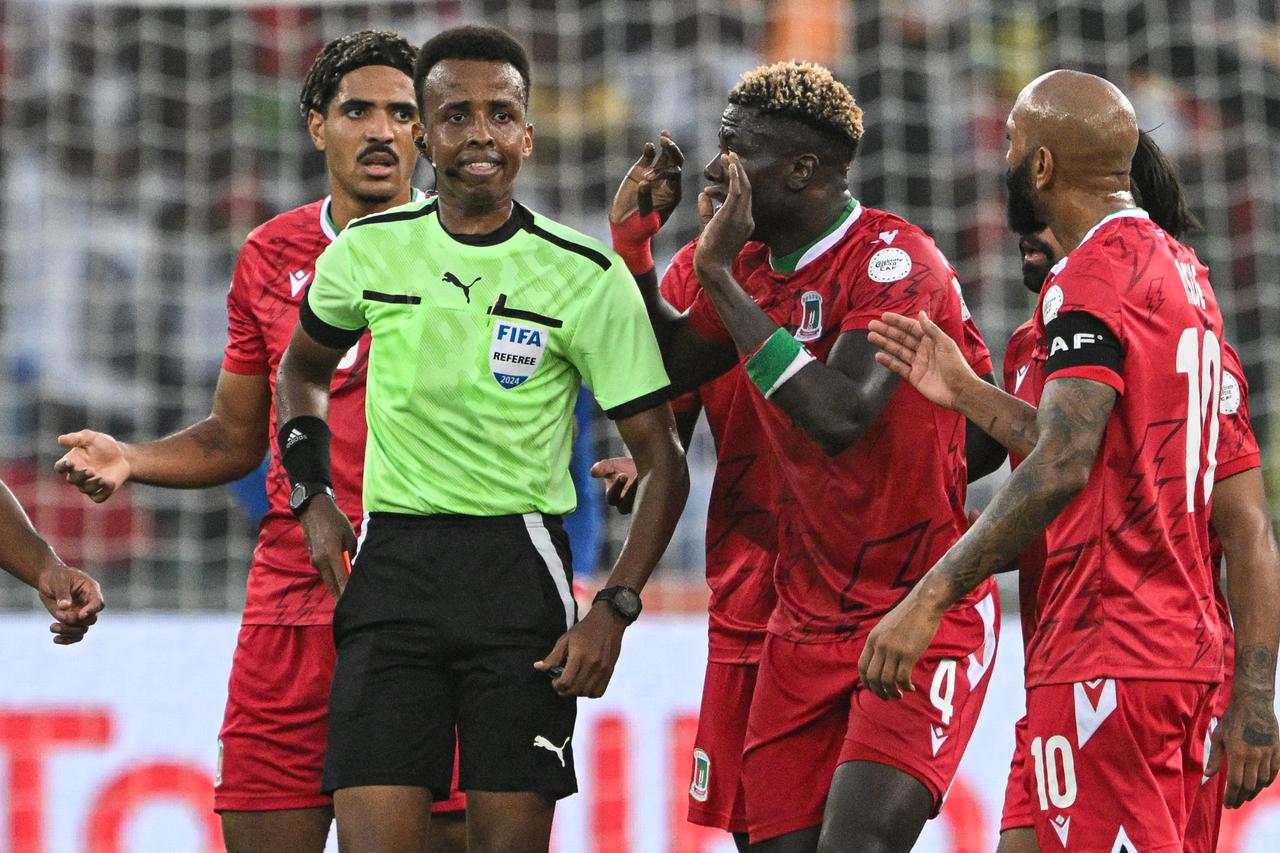
Just days before the opening whistle of the 2026 FIFA World Cup, national teams from Iran, Iraq, Senegal, and Uzbekistan, as well as a FIFA-appointed referee from Somalia, have encountered a series of entry barriers in the United States, ranging from visa denials and hourslong interrogations to security screenings involving police dogs.
The incidents have drawn sharp criticism from the sporting world and sharpened scrutiny of FIFA's silence as its own tournament preparations have unfolded.

As the players prepare for the tournament, tensions back home continue to rise following Israel's strikes on Beirut, Lebanon's capital, as Prime Minister Benjamin Netanyahu claimed that Israeli forces had targeted Hezbollah's headquarters.
Despite a ceasefire and U.S. calls for negotiations in Washington, Israel has intensified its assault on Lebanon in recent hours, escalating the regional conflict and rejecting Iran's proposed peace terms.
Iranian Foreign Minister Abbas Araghchi recently warned that Israel's continued attacks on Lebanon constituted a violation of the ceasefire and demanded a response.
"The ceasefire between Iran and the US is unequivocally a ceasefire on all fronts, including in Lebanon. Its violation on one front is a violation of the ceasefire on all fronts. The U.S. and Israel are responsible for the consequences of any violation," he said on the social media platform X.


 Set as preferred source
 Set as preferred source


 1 min read

 1 min read


