Newsletters


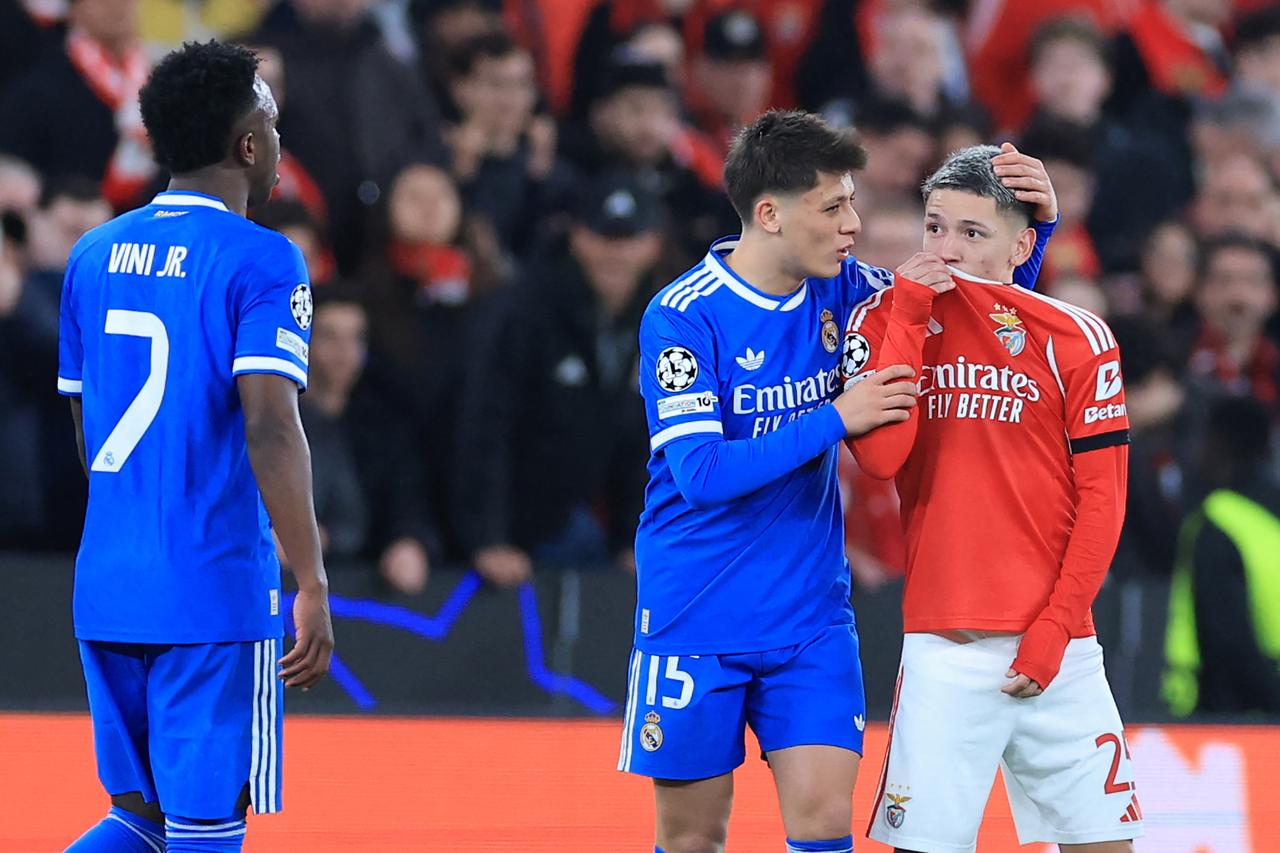


Real Madrid’s 1–0 Champions League play-off victory over Benfica on Feb. 17 in Lisbon was overshadowed by allegations of racist abuse against Brazilian forward Vinicius Junior, triggering a match stoppage and renewed debate about racism in European football.
The incident occurred shortly after Vinicius scored the only goal of the game in the 50th minute at Estadio da Luz.
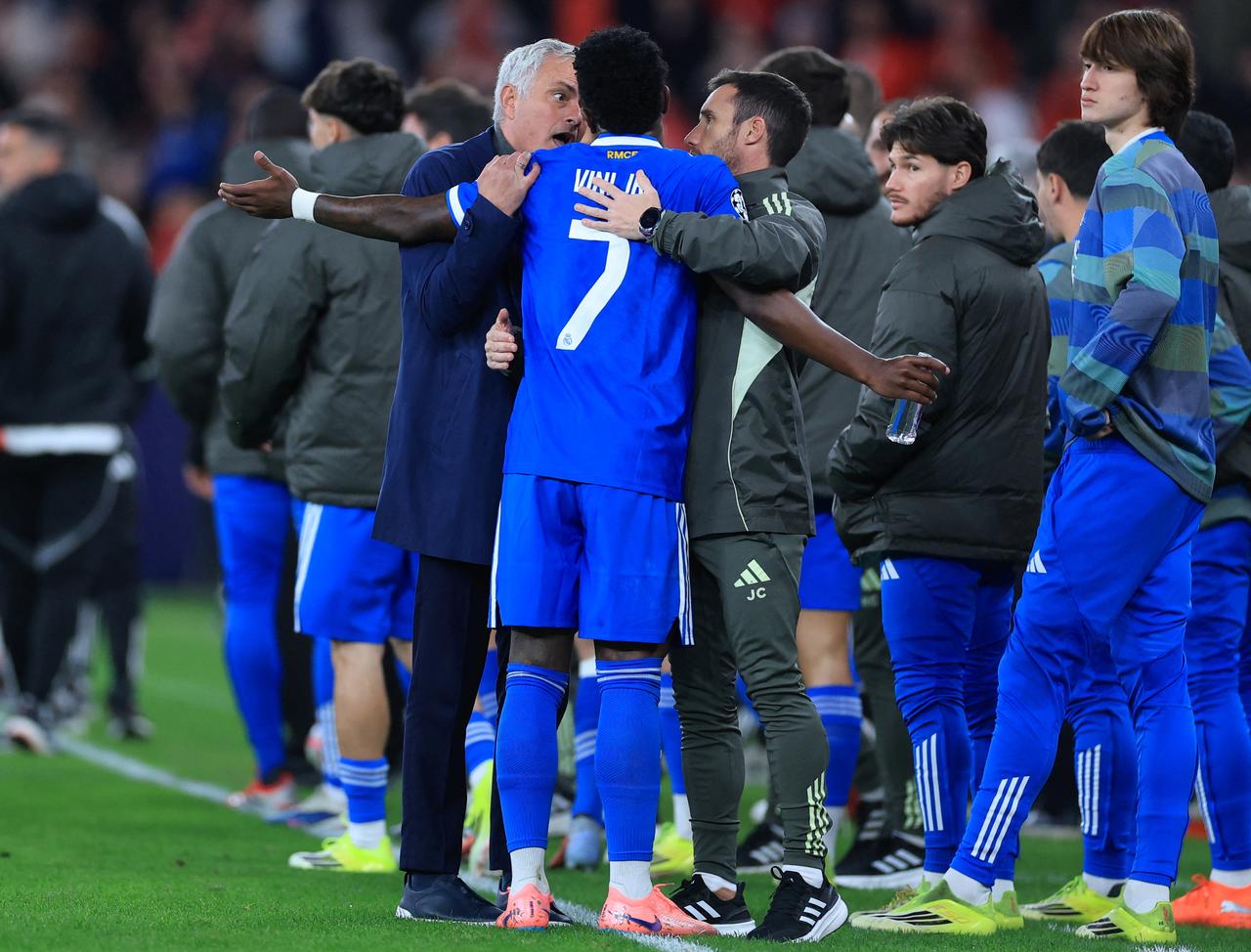
The forward later said a Benfica player directed racist language toward him, prompting referee Francois Letexier to activate football’s anti-racism protocol and halt play for nearly 10 minutes.
Benfica winger Gianluca Prestianni denied the allegation, saying in a statement that “at no time did I direct racist insults to Vini Jr." and that the Real Madrid player “misunderstood what he thought he heard.”
The match later resumed, and Madrid held on to secure a narrow away win ahead of the second leg at Santiago Bernabeu next week.
The confrontation began after Vinicius scored a curling shot into the top corner and celebrated by dancing near the corner flag. Benfica players reacted angrily, and tensions escalated on the pitch.
According to multiple reports from the match:
Madrid midfielder Aurelien Tchouameni said the Brazilian told teammates that Prestianni called him a “monkey.” Television footage also appeared to show Prestianni covering his mouth while speaking.
When play resumed, Vinicius was repeatedly booed by Benfica supporters. Objects, including plastic bottles, were reportedly thrown toward him later in the match.
The Brazilian, who has faced racist abuse in several Spanish stadiums in the past, eventually returned to the field and completed the match.
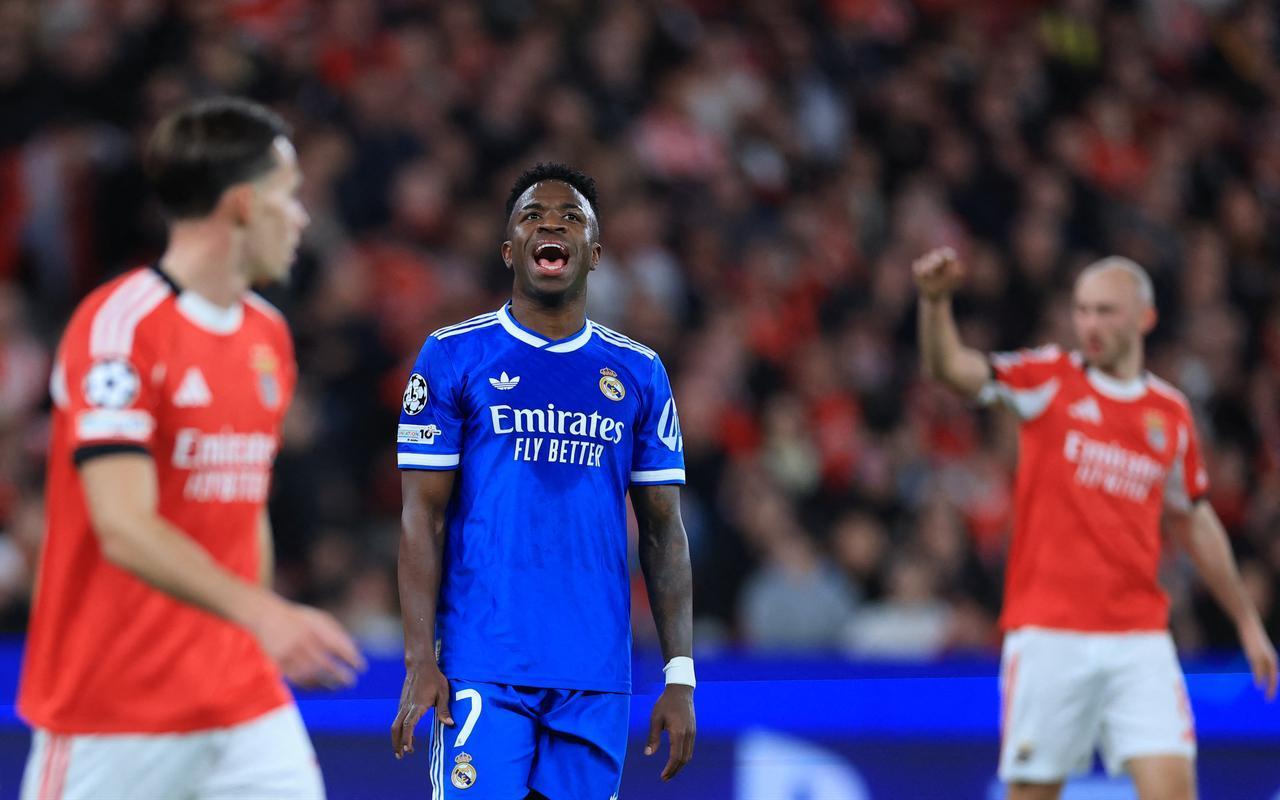

The incident prompted sharply different reactions from players and coaches from both teams.
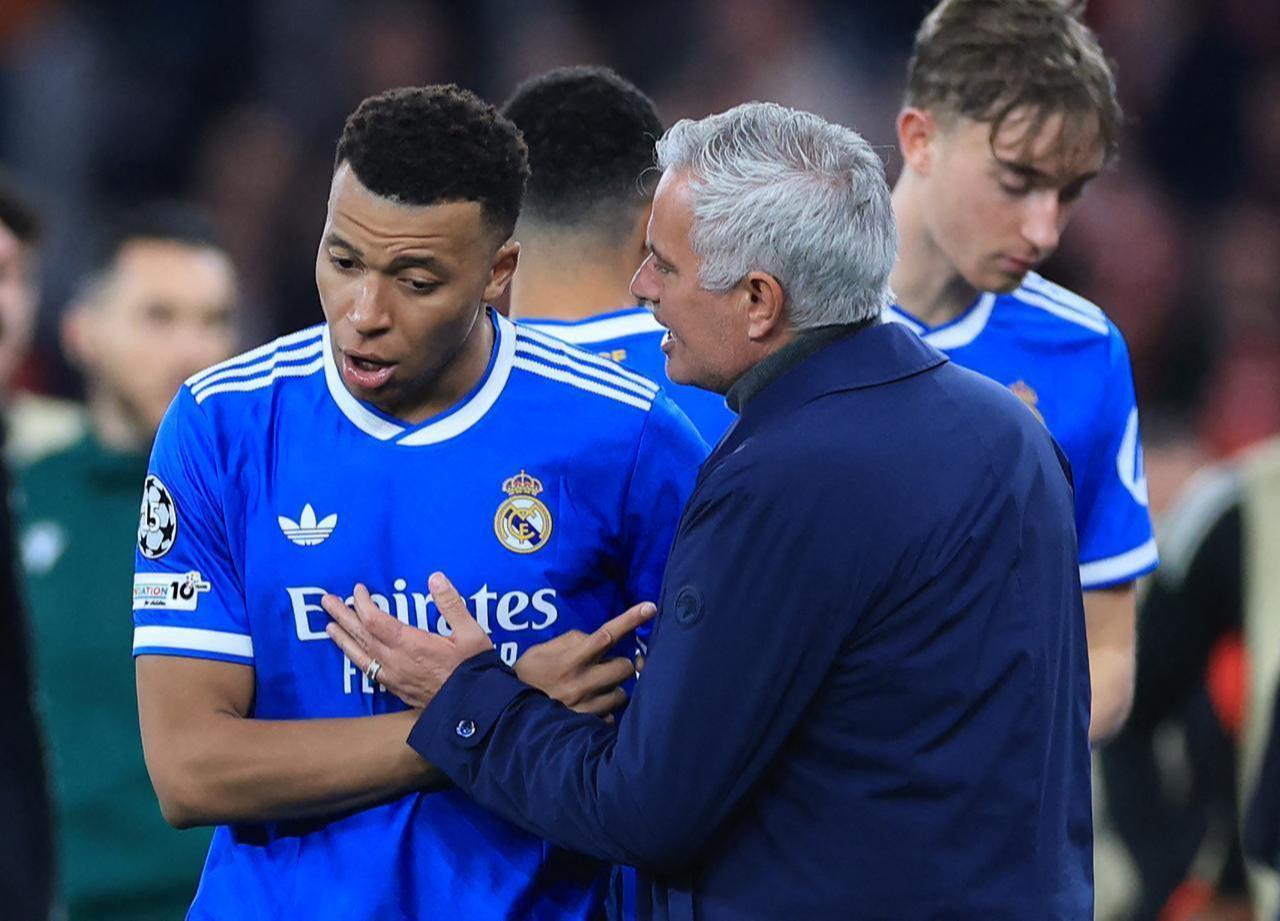
Real Madrid forward Kylian Mbappe was near both players when the incident occurred.
“Vinicius scored and celebrated, the fans booed, and then there was tension with Benfica players,” Mbappé said. “But then the Benfica player covered his mouth and said ‘monkey’ five times. I heard it, and some Benfica players heard it too.”
He added that the behavior had no place in the competition, as "we have to be good role models for young people." If we let things like this go unnoticed, all the values of football lose their meaning.”
Mbappe also stressed the team’s support for his teammate.
“We thought about leaving the pitch,” he later told reporters. “Today, the game is not the most important thing. What happened is much more important than football.”
England defender Trent Alexander-Arnold described the situation as “a disgrace to football” and said racism has “no place in football or in society.”
Madrid coach Alvaro Arbeloa called for stronger action against discrimination.
“This is something that should be eradicated from the world of football,” he said. “We need to fight against racism.”
Benfica coach Jose Mourinho offered a more cautious response, saying he could not determine what happened.
“Vini tells me one thing, Prestianni tells me something else,” Mourinho said. “I don’t know.”
Mourinho also suggested the situation escalated after Vinicius celebrated in front of supporters, a position later criticized by former midfielder Clarence Seedorf, who said racial abuse should never be justified.
The Brazilian Football Confederation expressed solidarity with Vinicius, stating that “racism is a crime” and that the player’s actions showed “courage and dignity.”
Real Madrid players also voiced support publicly after the match.
The incident has intensified pressure on football authorities to take stronger disciplinary action. Mbappe called on competition organizers to act, saying players want “things to change.”
UEFA has not yet issued an official decision, and the case remains under review.
The match itself also saw further tensions. Mourinho received two yellow cards late in the game for protesting and will miss the second leg in Madrid. Despite the controversy, Madrid secured the advantage in the tie with Vinicius’s goal.
The incident again places racism in football at the center of public debate, particularly given Vinicius’s history of similar experiences during his career.
The match, initially expected to focus on Mourinho’s return to face his former club and Madrid’s tactical performance, instead became defined by the allegations and the broader questions they raised about discrimination in European sport.
The incident has renewed discussion about how football handles racism and discrimination, an issue that has repeatedly surfaced across European competitions.
Vinicius has previously faced racist abuse in several stadiums in Spain, and the latest episode again raises questions about whether existing measures deter such behavior.
Several players suggested the problem remains persistent. Mbappe described verbal insults as something that “happens in football,” while stressing that racist language must never be accepted.
The Lisbon incident, unfortunately, reflects a wider pattern.
I was in northern England when England lost to Italy in the UEFA Euro 2020 final and witnessed the public reaction that followed.
Black players Bukayo Saka, Marcus Rashford, and Jadon Sancho were blamed for the defeat after missing penalties and immediately became targets of racist abuse, which later extended to online messages and prompted police investigations and condemnation from football authorities.
There are more examples of footballers facing racial abuse than of teams or coaches abandoning matches in their defense.
That context may also explain why Gianluca Prestianni covered his mouth while speaking, a gesture that could suggest an awareness of the seriousness of the language allegedly used.
Such incidents and consequent reactions suggest the issue is not limited to a single country or competition.
Racism in football reflects broader social tensions that often surface during emotionally charged moments in matches. Players frequently report incidents through official protocols, yet debate continues over whether these responses create meaningful consequences or lasting change.
The outcome of the investigation will now test how far football’s institutions are prepared to confront racism at the highest level.


 Set as preferred source
 Set as preferred source


 2 min read