Newsletters


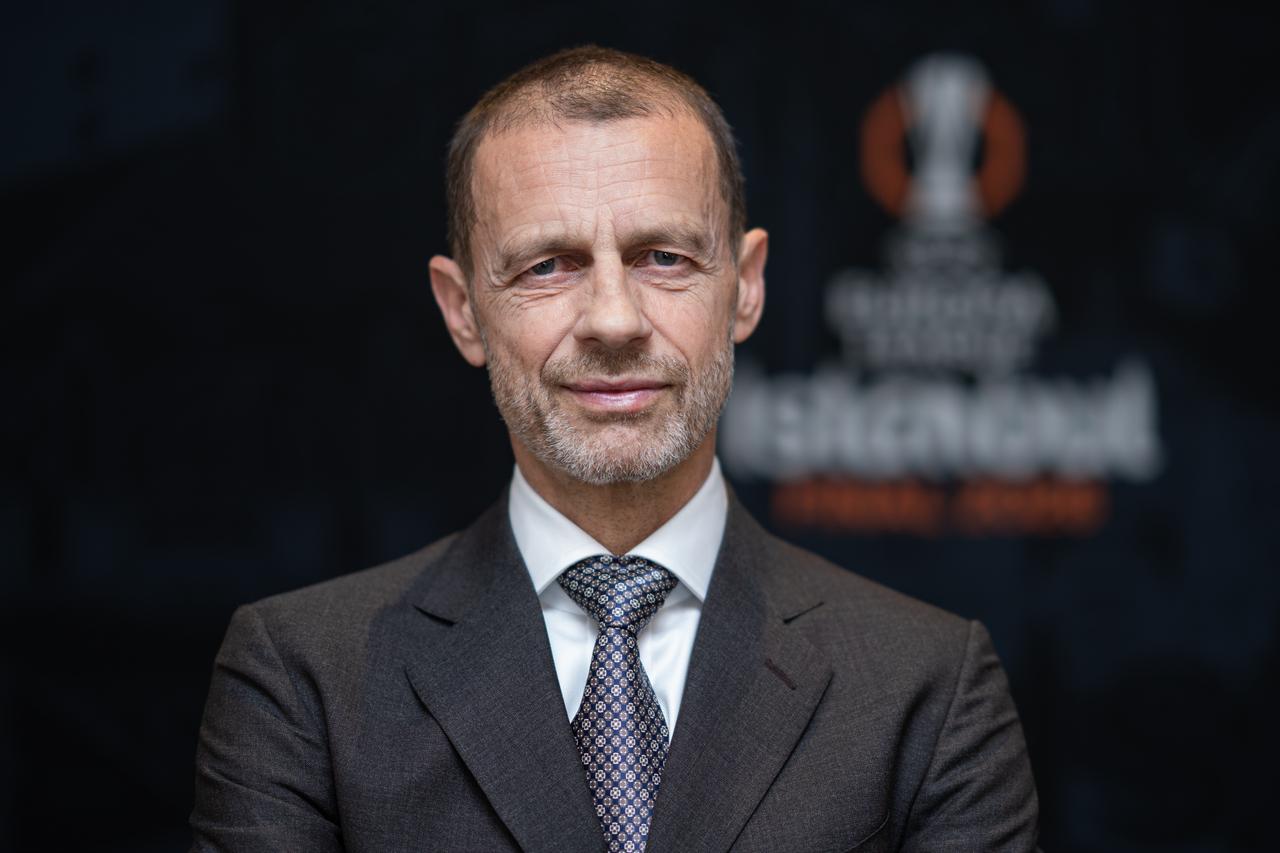


UEFA President Aleksander Ceferin has said that Türkiye has already shown that it can stage major European football events, pointing to Istanbul’s recent record of hosting UEFA finals and the country’s growing stadium infrastructure.
Speaking in an exclusive interview with Anadolu Agency, Ceferin said Türkiye should not be seen as an emerging football nation, but as a major force in European football, supported by modern venues, strong clubs, passionate fans, intense media interest and clear institutional commitment.
“When you come here, you see stadiums, clubs, supporters, media attention, government and federation commitment, all the right ingredients are there,” he said.
He added that football in Türkiye stands out because it is not limited to matchdays. “In Türkiye, football matters every day, not only on matchdays. This is your great strength, but it is also a huge responsibility,” he said.
Ceferin said UEFA’s repeated decision to bring major finals to Istanbul showed its confidence in both the city and the Turkish Football Federation, known as the TFF, the governing body of football in Türkiye.
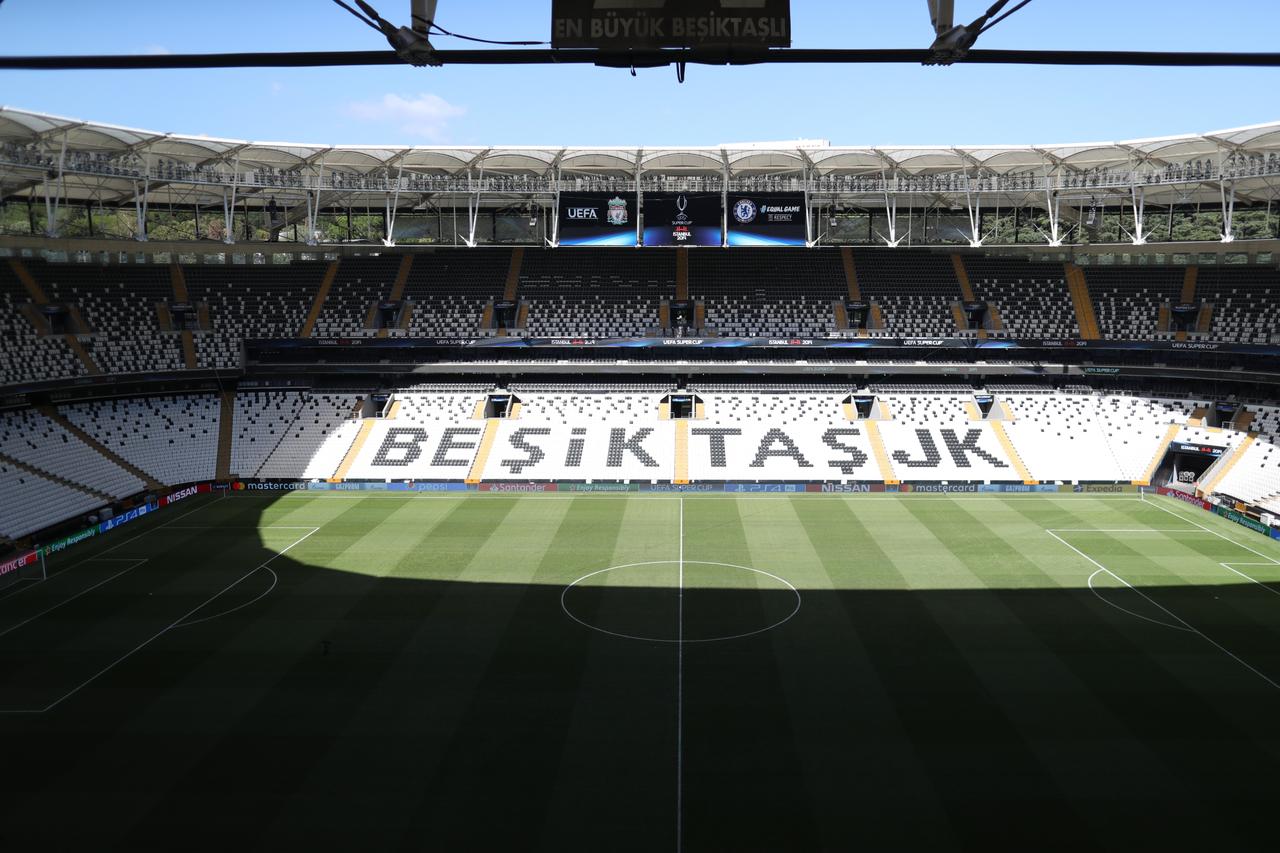
He pointed to the 2019 UEFA Super Cup, the 2023 UEFA Champions League final and the upcoming 2026 UEFA Europa League final at Besiktas Park as proof that Türkiye can deliver major UEFA events.
“The 2019 Super Cup, the 2023 Champions League final, and now the 2026 Europa League final at Besiktas Park—they are evidence that Türkiye can deliver major UEFA events,” he said.
While describing Istanbul as “one of Europe’s great football cities,” Ceferin also said some areas could still be improved, including transport, security, fan movement and stadium arrival and departure processes. Even so, he said UEFA’s overall conclusion remained positive.
Ceferin also praised Türkiye’s stadium infrastructure ahead of UEFA Euro 2032, which Türkiye will jointly host with Italy.
He said many European countries had spoken for years about building new stadiums without following through, while Türkiye had moved ahead and delivered strong facilities.
“Türkiye walked the talk and built excellent facilities. That makes a big difference,” he said, adding that this had given the country a serious advantage over many European nations.
Ceferin also spoke positively about his relationship with TFF President Ibrahim Haciosmanoglu, describing it as professional and constructive.
He said Haciosmanoglu had shown seriousness in addressing integrity-related issues in Turkish football and had brought sincerity and warmth to his role.
According to Ceferin, transparency and accountability are essential for the credibility of the game, and current efforts are helping to rebuild trust among clubs, players, referees and supporters.
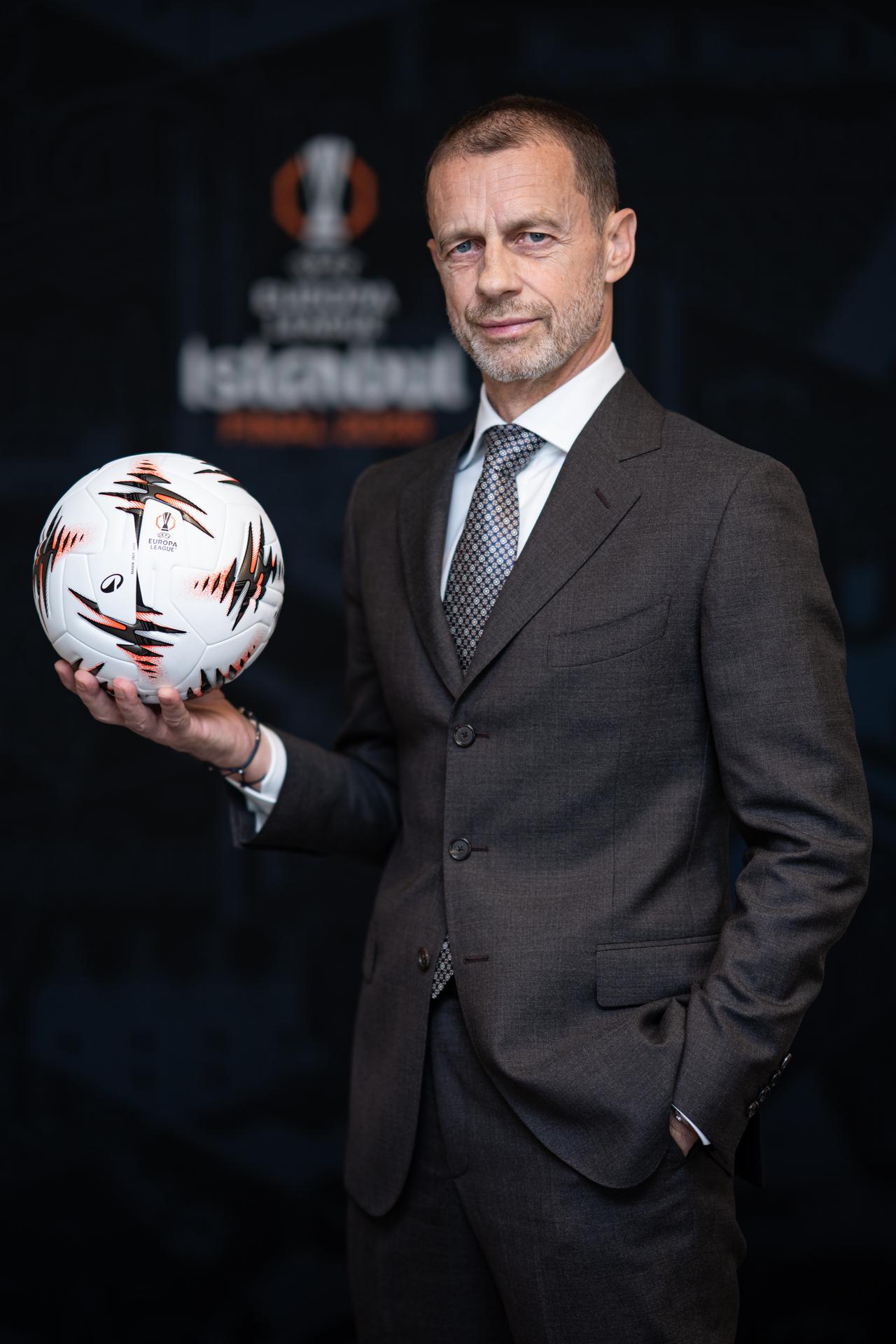

Looking ahead to the 2026 FIFA World Cup, Ceferin said Türkiye should not have waited 24 years to return to the tournament.
He said the national team’s aim should not only be to take part, but to play with confidence and prove that it belongs at that level.
“I expect you to be a team that nobody will want to play against,” he said.
Ceferin also praised Türkiye’s midfield, saying very few national teams in the world had such talent in that area. He described Arda Guler and Kenan Yildiz as exceptional talents and called them part of both the present and future of European football, while saying Hakan Calhanoglu brings authority and experience.
Ceferin said Turkish clubs should aim for lasting success in European competitions rather than relying on occasional standout results.
He described Galatasaray’s return to the European spotlight as an important sign, citing the club’s fourth consecutive Super Lig title and its run to the Champions League round of 16.
He also praised recent European performances by Galatasaray, Fenerbahce, Besiktas, Istanbul Basaksehir and Sivasspor, but said Turkish clubs needed to compete regularly at the highest level.
“Turkish clubs should not be satisfied with emotional victories or one big night. They must be a protagonist in UEFA competitions every year, including the Champions League,” he said.
 1 min read
Ceferin identified impatience as Turkish football’s main weakness, saying too many decisions were still made emotionally and too many clubs continued to think in the short term.
He said the next stage would require more than famous signings and impressive stadiums, stressing that academies, coaching, refereeing, financial discipline and women’s football would all matter.
“Investing in youth is always the best bet,” he said.


 Set as preferred source
 Set as preferred source


 1 min read