Newsletters





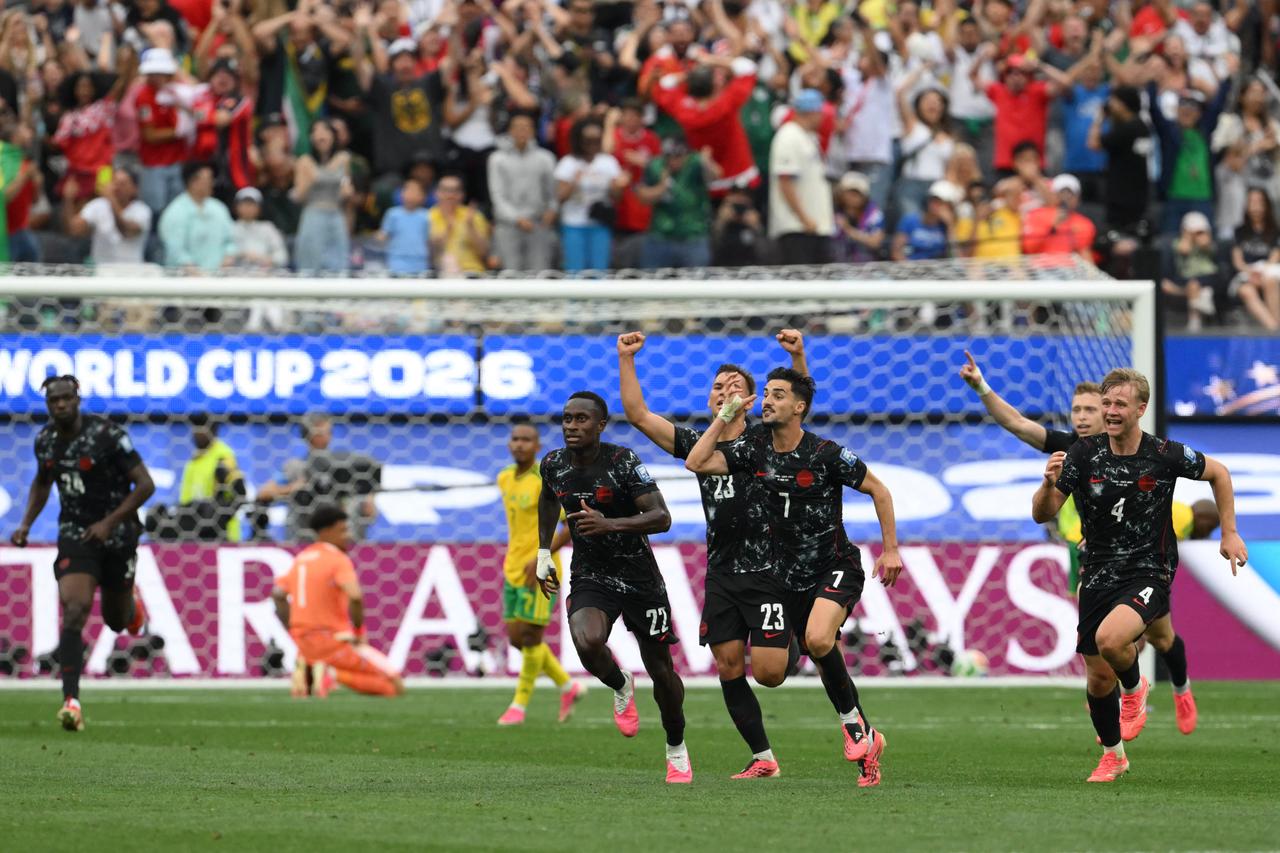
Canada enters its World Cup Round-of-16 match against Morocco, facing the biggest game in the history of its men's national team. The Athletic's Joshua Kloke argues that Jesse Marsch's side can pull off an upset by defending compactly, pressing at the right moments and using their pace on the counter-attack.
Morocco arrives as one of the strongest teams left in the tournament. It is ranked sixth in the world by FIFA, beat the Netherlands on penalties and previously reached the 2022 World Cup semifinals, becoming the first African side to do so. It also won the 2025 Africa Cup of Nations, although Kloke noted that the final ended in controversy and chaos.
For Canada, however, the pressure may be lighter than it was earlier in the tournament. Marsch has described the match as a "free hit," meaning Canada can play without the same weight of expectation after already reaching new ground in its World Cup run.
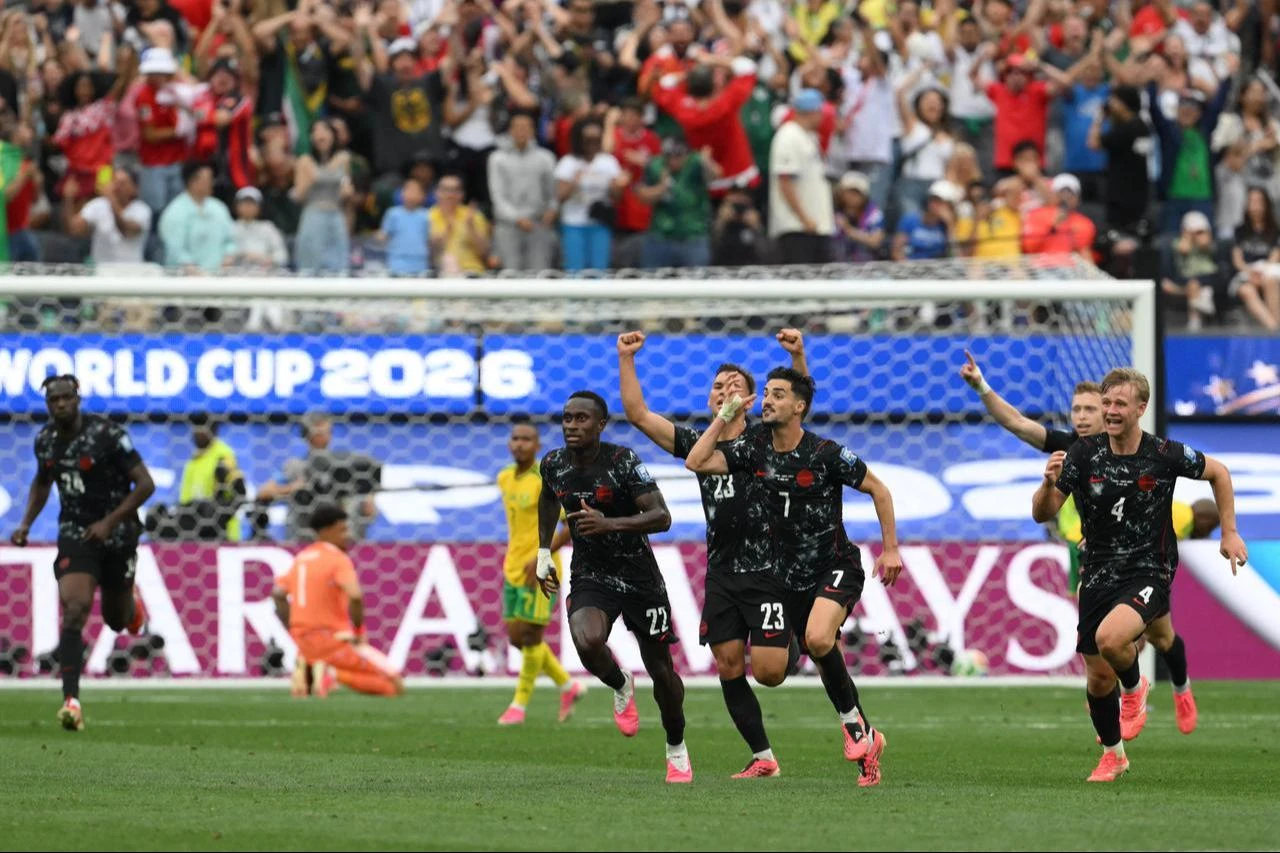

Kloke emphasized that Canada looks its best when it is not expected to control matches. Under Marsch, the team has often been more effective when giving up possession, defending in a compact shape and attacking quickly once it wins the ball back.
That approach was visible in Canada's 0-0 friendly draw against Colombia in October 2025, which Kloke described as a possible blueprint. In that match, Canada defended tightly, pressed with authority and tried to unsettle a stronger opponent with physicality.
The same formula could matter against Morocco, especially because Canada has struggled when asked to break down teams sitting deep in a "low block," a defensive setup in which a team keeps many players close to its own goal. Its task is also harder without midfielder Ismael Kone, who is out of the World Cup with a broken leg.
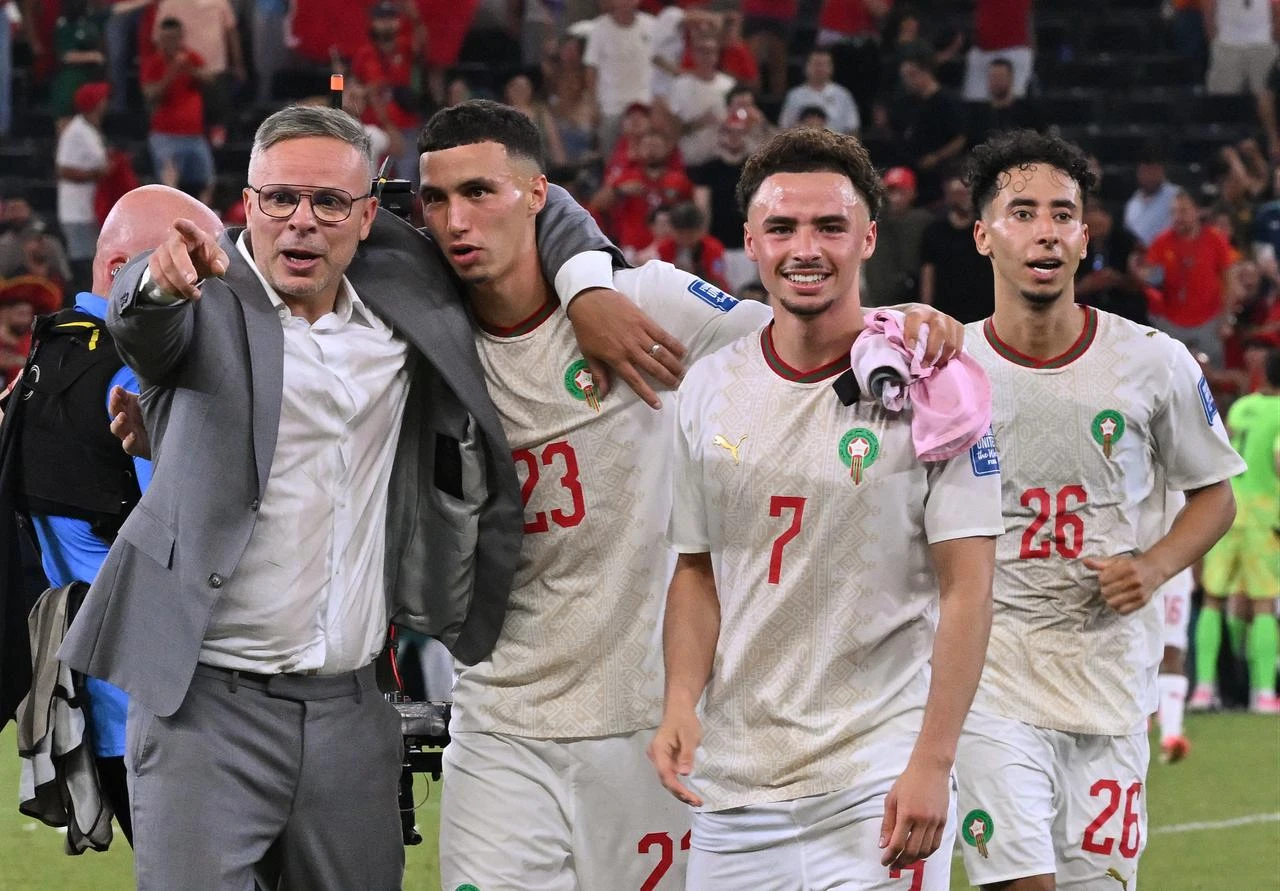
Canada's win over South Africa came despite missed opportunities in the first half. Jonathan David sent a shot wide from a corner while unmarked, and Derek Cornelius could not generate enough power from a free header.
Against Morocco, Kloke warned that chances like those may be rarer. Morocco dominated possession against the Netherlands and gave away little space when out of possession, which means Canada will need to be sharper in front of goal.
Marsch may therefore look to attackers who are playing with confidence. Jacob Shaffelburg, who impressed in the second half against South Africa, was highlighted as one option who could help Canada stretch the game.
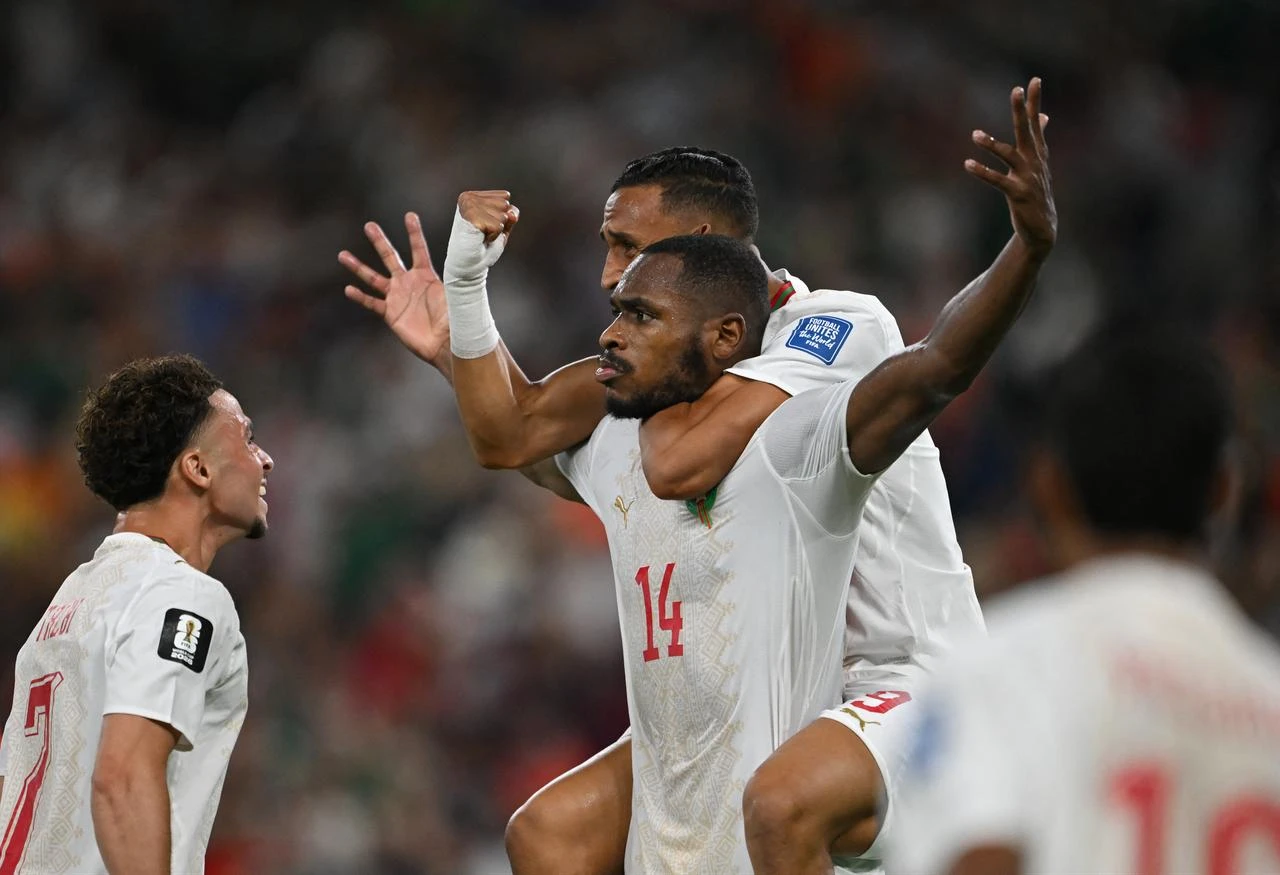
Morocco's technical quality could expose any defensive mistakes. Azzedine Ounahi is strong on the ball, while Brahim Diaz and Bilal El Khannous bring skill and unpredictability in wide areas.
Achraf Hakimi has also attacked well from the right, combining with Diaz through overlaps and underlaps, which are runs made outside or inside a teammate to create space. Noussair Mazraoui, meanwhile, has stood out at left back with his tackling.
According to the analysis, Morocco has preferred to attack down the right side of the opposition half during the tournament. That makes the defensive work of Canada's fullbacks, Alistair Johnston and Richie Laryea, especially important.

Moise Bombito is expected to be important because of his recovery pace at center-back, particularly against a Morocco side that looks to run in behind defensive lines.
Ismael Saibari has been especially active in that role. Per FIFA data cited in the report, no player at the tournament has made more offers to receive a pass in behind than Saibari, who has also ranked second for distance covered while sprinting.
That could influence Marsch's selection on the left side of midfield. While Alphonso Davies may be expected to start in such a high-profile match, Kloke noted that Davies did not appear to be defending at full capacity against South Africa. Canada may need a more aggressive defensive presence in that area.
Morocco manager Mohamed Ouahbi summed up the stakes by saying, "If we get things wrong, we'll go home."


 Set as preferred source
 Set as preferred source


 2 min read
 1 min read