Newsletters


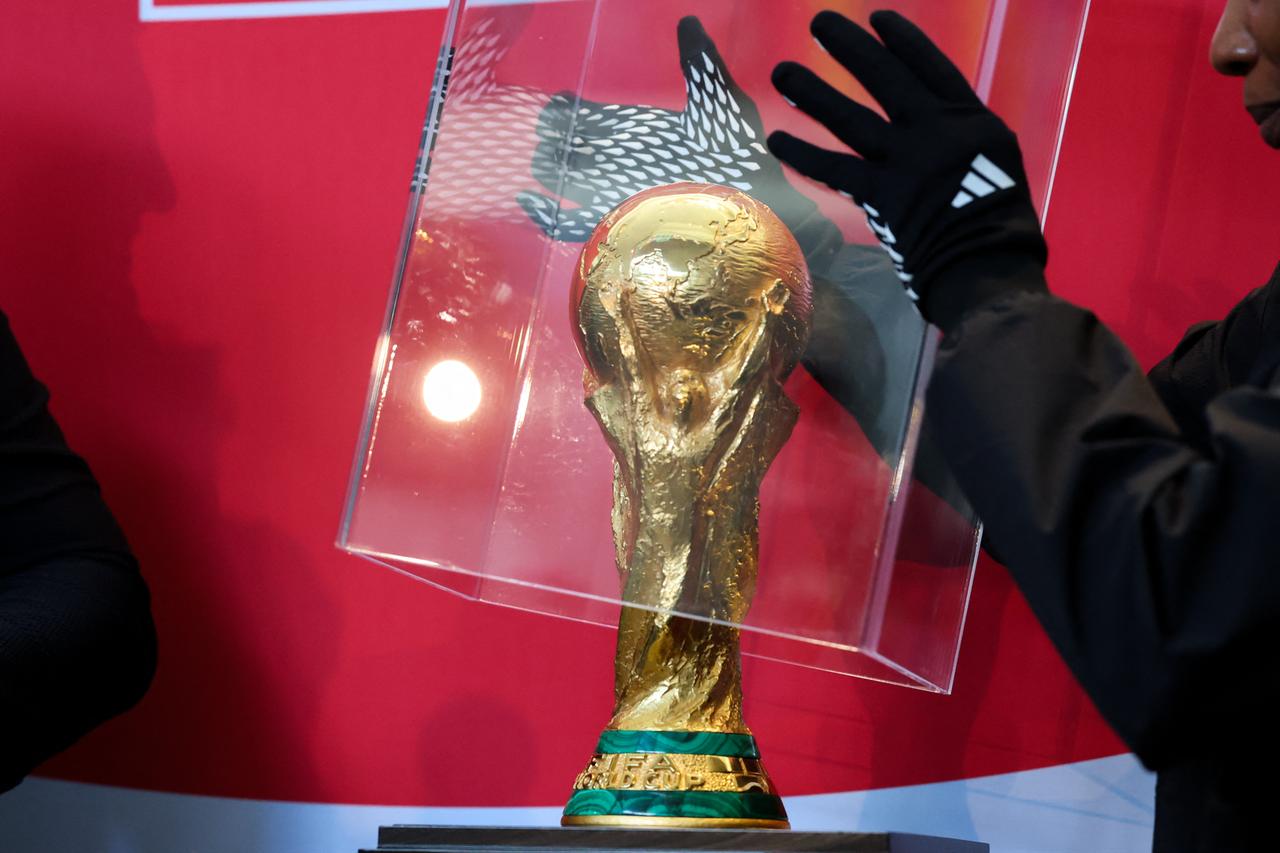


World Cup-winning teams do not take home the original FIFA World Cup Trophy. Instead, they receive a gold-plated brass-alloy replica carrying the name of the winning nation, according to FIFA World Cup records.
The rule connects the modern tournament to a long trophy history that began with the Jules Rimet Trophy and later moved on to the current gold prize, first used in 1974.


The original World Cup trophy was known as the Jules Rimet Trophy. Designed by French sculptor Abel Lafleur, it featured Nike, the ancient Greek goddess of victory.
The trophy was made of gold-plated silver and stood 35 centimeters tall. Under the rules of that period, any country that won the World Cup three times could keep it permanently.
Brazil earned that right after lifting its third World Cup title in 1970. The trophy was later placed in a museum in Brazil.
During the Jules Rimet era, World Cup champions included Uruguay, Italy, Germany, Brazil and England.
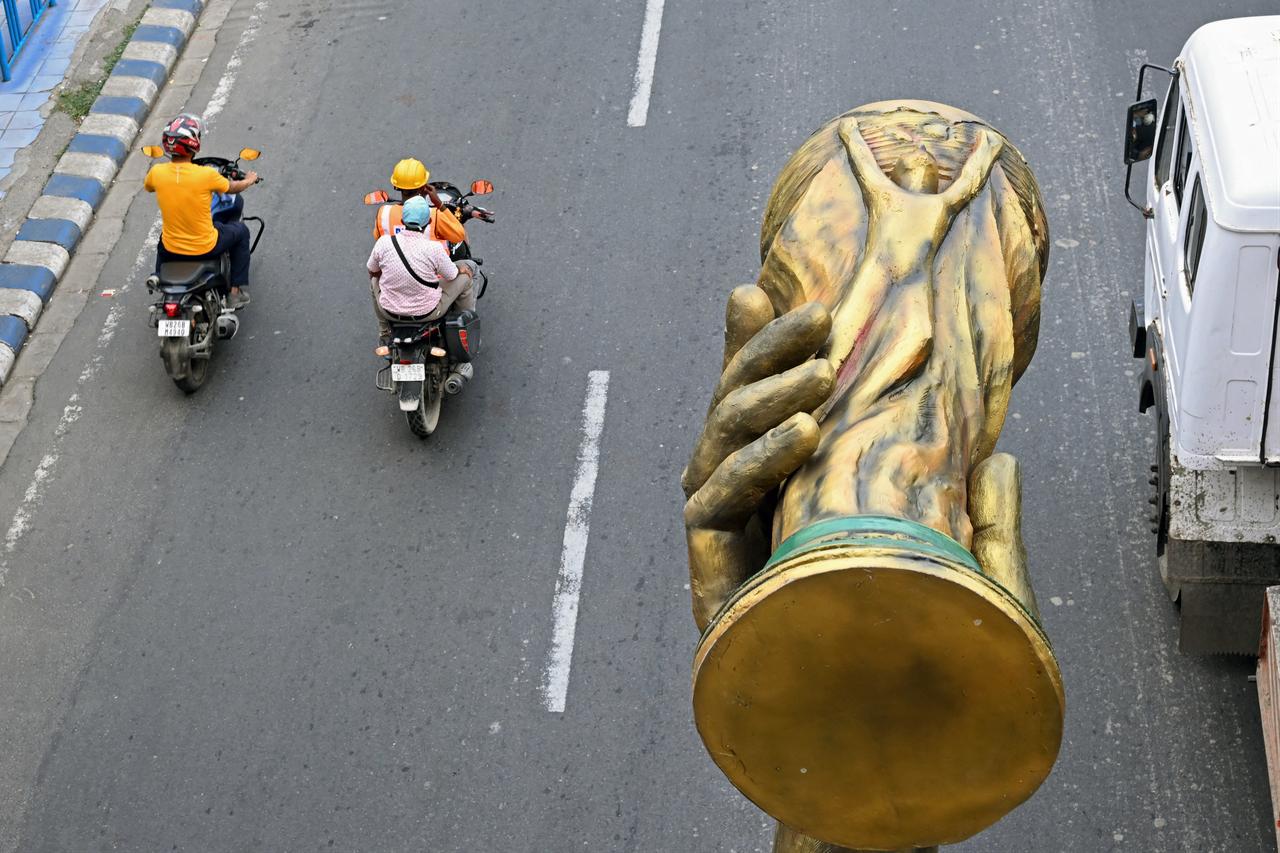
After the 1970 tournament, FIFA brought in a new trophy. Italian sculptor Silvio Gazzaniga designed the current FIFA World Cup Trophy in 1971, and it has been awarded since the 1974 tournament.
The trophy is manufactured by Italy-based GDE Bertoni. Made of 18-karat gold, it shows two victorious human figures holding up the globe.
It stands 36.8 centimeters tall and weighs 6.2 kilograms, making it slightly taller and heavier than the Jules Rimet Trophy.
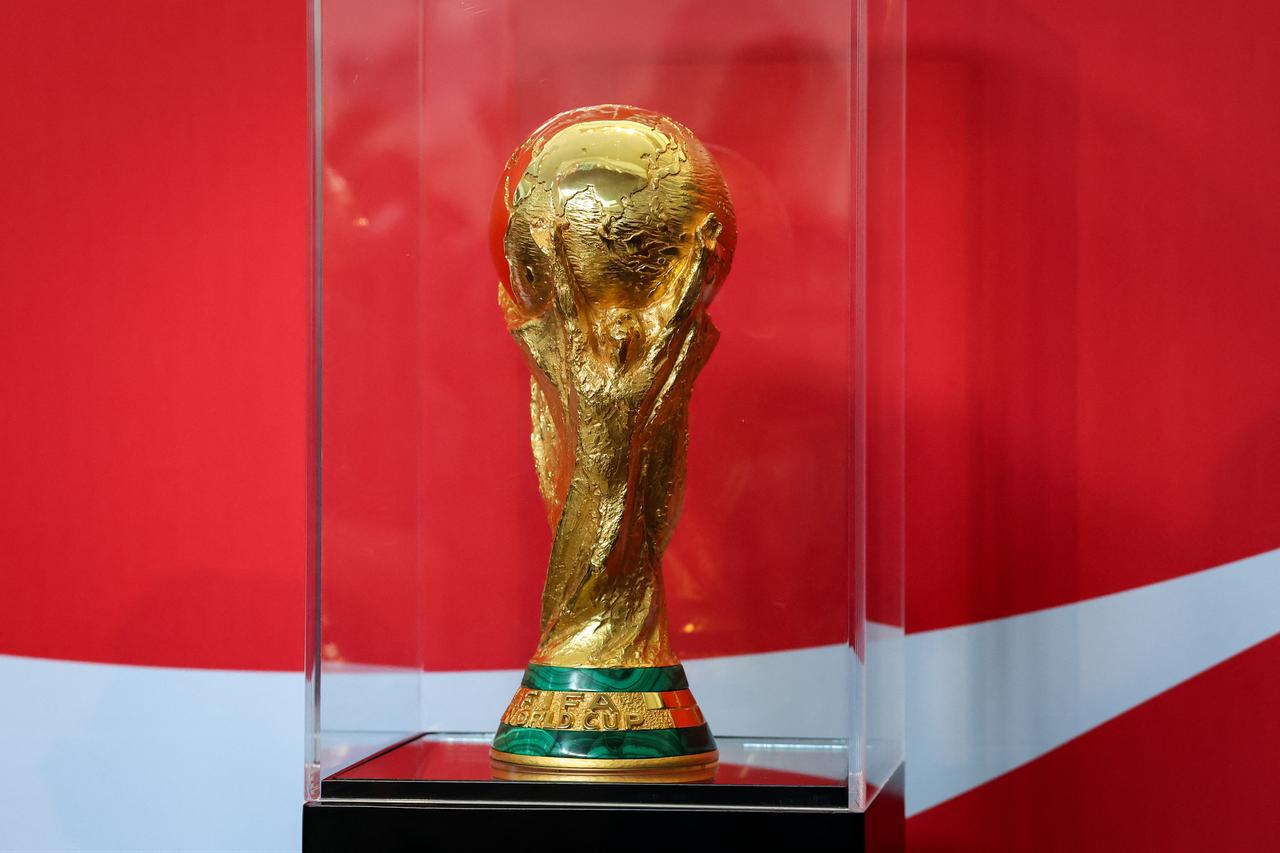
Since the current trophy was introduced, World Cup winners have included Germany, Argentina, Italy, Brazil, France and Spain.
Although winning teams lift the original trophy during the celebrations, they do not keep it permanently. Instead, they are given a gold-plated brass-alloy replica bearing the name of the victorious nation.
The next FIFA World Cup will be jointly hosted by the United States, Canada and Mexico in 2026.


 Set as preferred source
 Set as preferred source


 1 min read

 1 min read