Newsletters


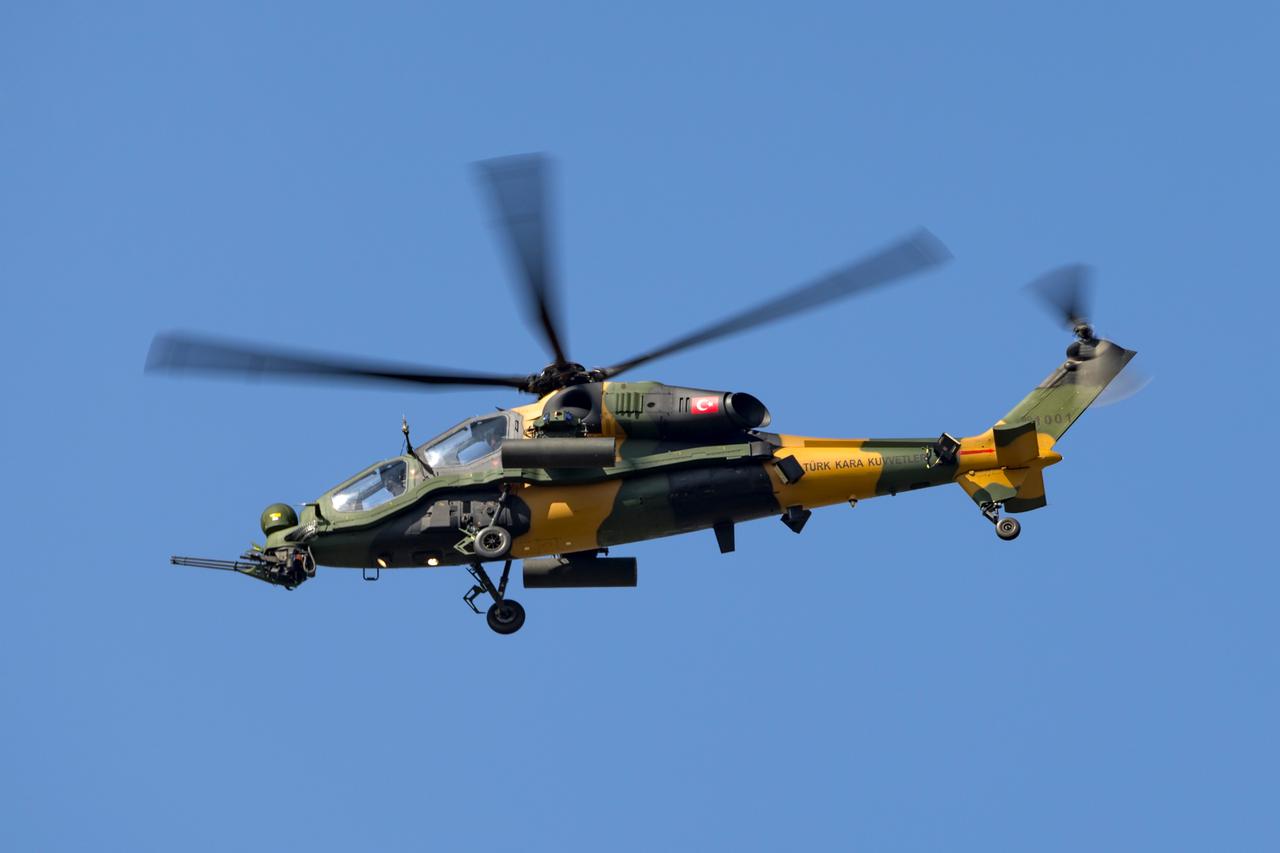


Bangladesh has reportedly approved the procurement of six Turkish-built T129 ATAK attack helicopters under a $600 million government-to-government agreement, marking a significant boost to the country's rotary-wing combat capability.
Bangladesh Air Force officials confirmed the acquisition following a visit from Turkish Aerospace Industries TAI Director of Flight Testing Arif Ates, who met with Lieutenant General S.M. Kamrul Hassan, Principal Staff Officer of the Armed Forces Division, at Dhaka Cantonment on Jan. 13, according to Bangladesh Military Focus.
"This procurement represents a major step forward in strengthening Bangladesh's rotary-wing combat capability," Hassan said.
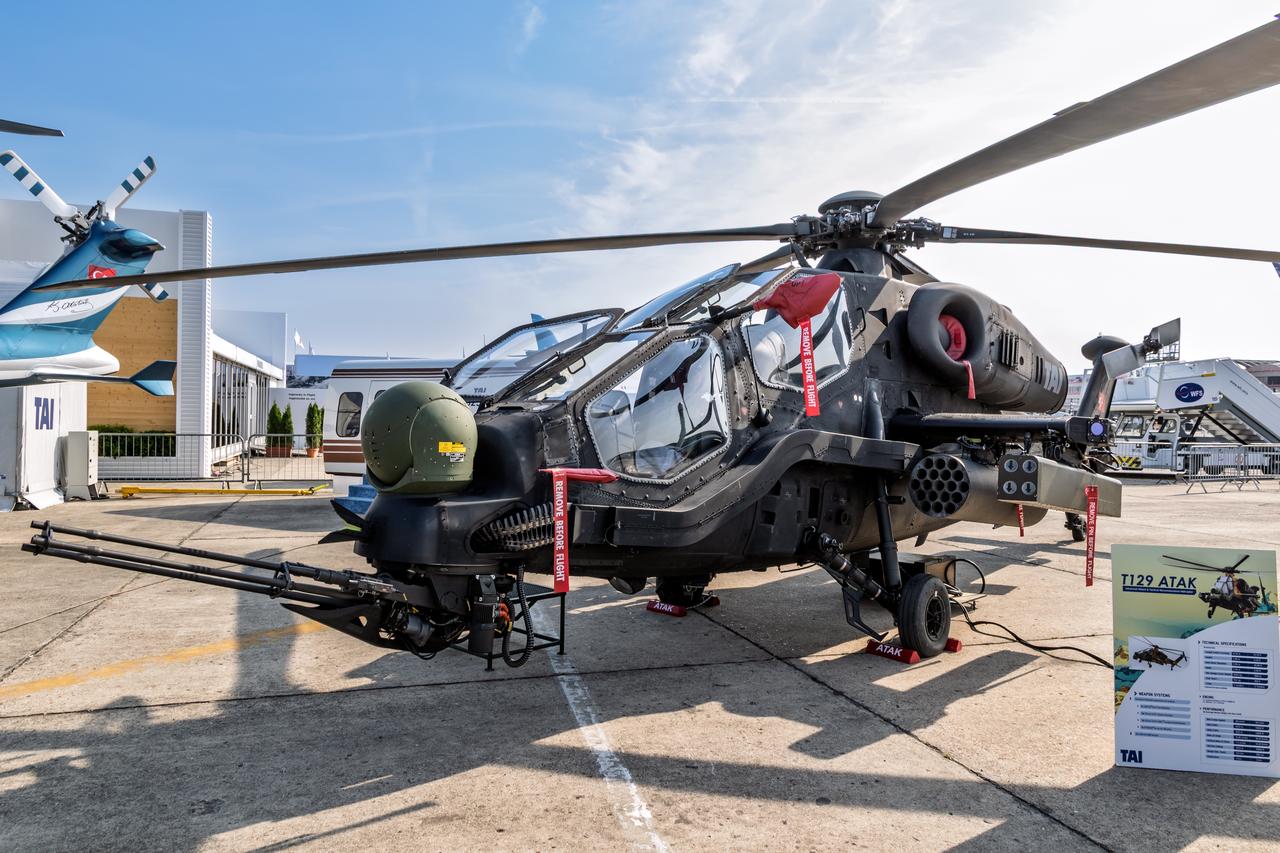

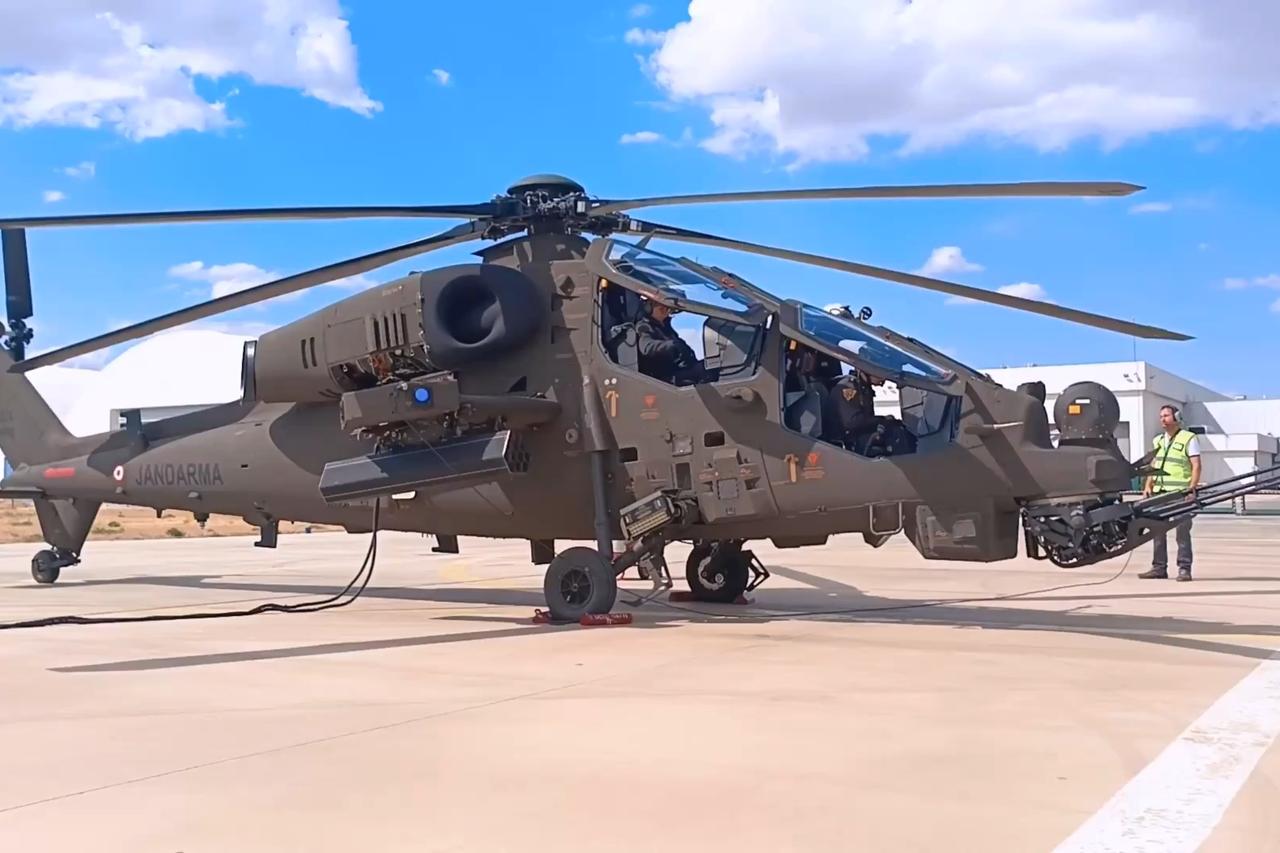
Following Nigeria, the Philippines, and Somalia, Bangladesh might become the fourth export customer of the T129 ATAK attack helicopter developed by TAI.
The addition of T129 ATAK to the Bangladesh Air Force (BAF) inventory represents a significant jump in firepower. The force's combat-capable helicopters have consisted only of Russian Mi-17 utility helicopters fitted with unguided rockets or machine guns through sponson pylons.
"The T129 ATAK will empower Bangladesh's forces with agile, all-weather capabilities," a senior Bangladesh Air Force spokesperson reportedly said.
Turkish Aerospace Industries could potentially deliver the attack helicopters by 2027, subject to contract finalization, production schedules and training arrangements, according to defense sources familiar with the program.
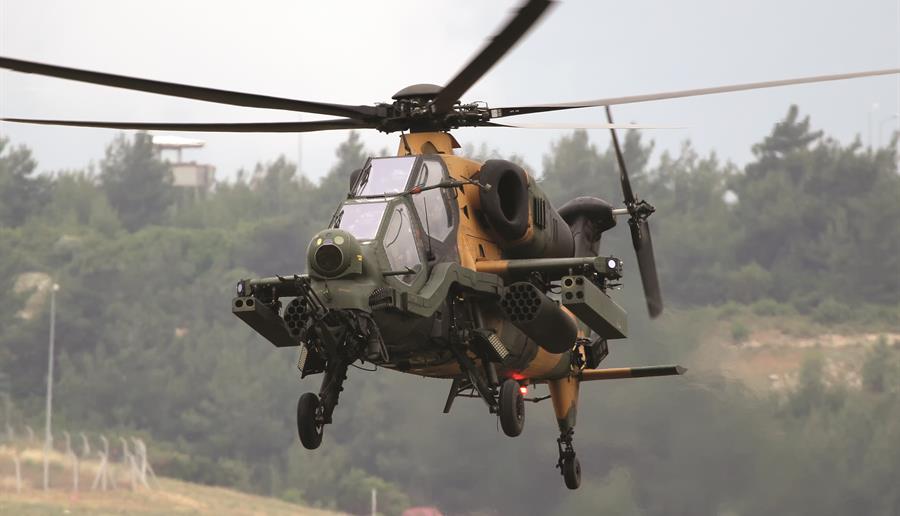
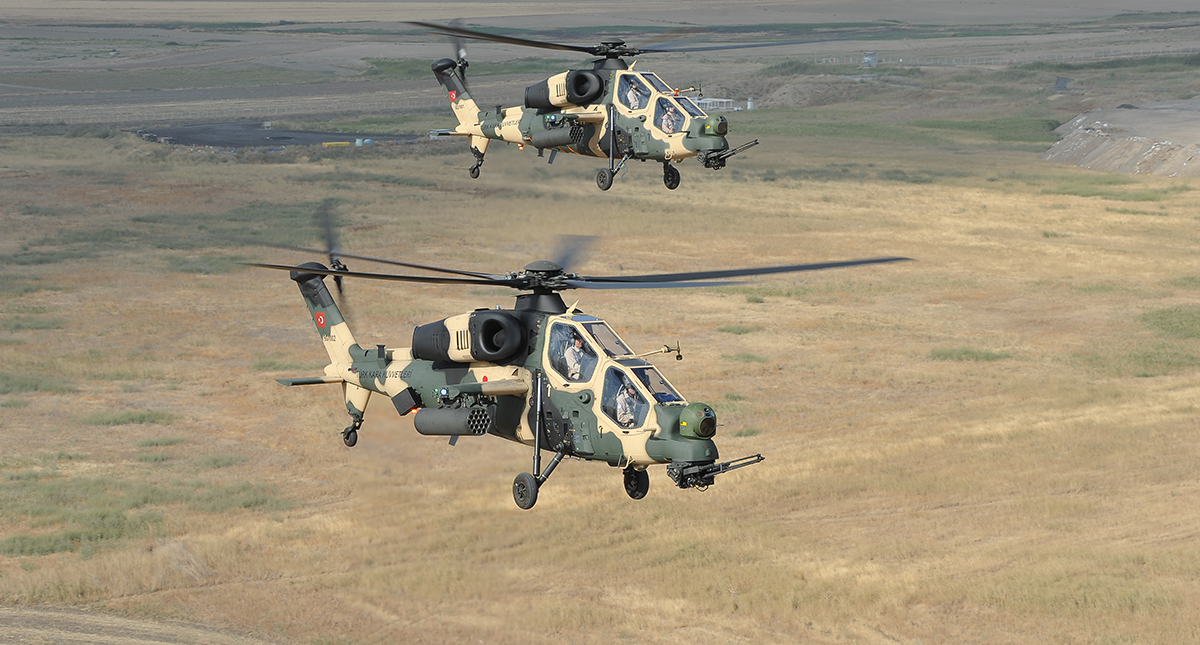
The T129 ATAK, based on the Italian A129 Mangusta lightweight attack helicopter, features two CTS800 turboshaft engines providing 2,746 shaft horsepower and a maximum takeoff weight of five tonnes.
The high power-to-weight ratio is important, as the helicopter will operate in Bangladesh's hot climate, which increases power requirements.
The helicopter uses avionics and sensors developed by Aselsan, while most weaponry is produced by Roketsan.
 1 min read
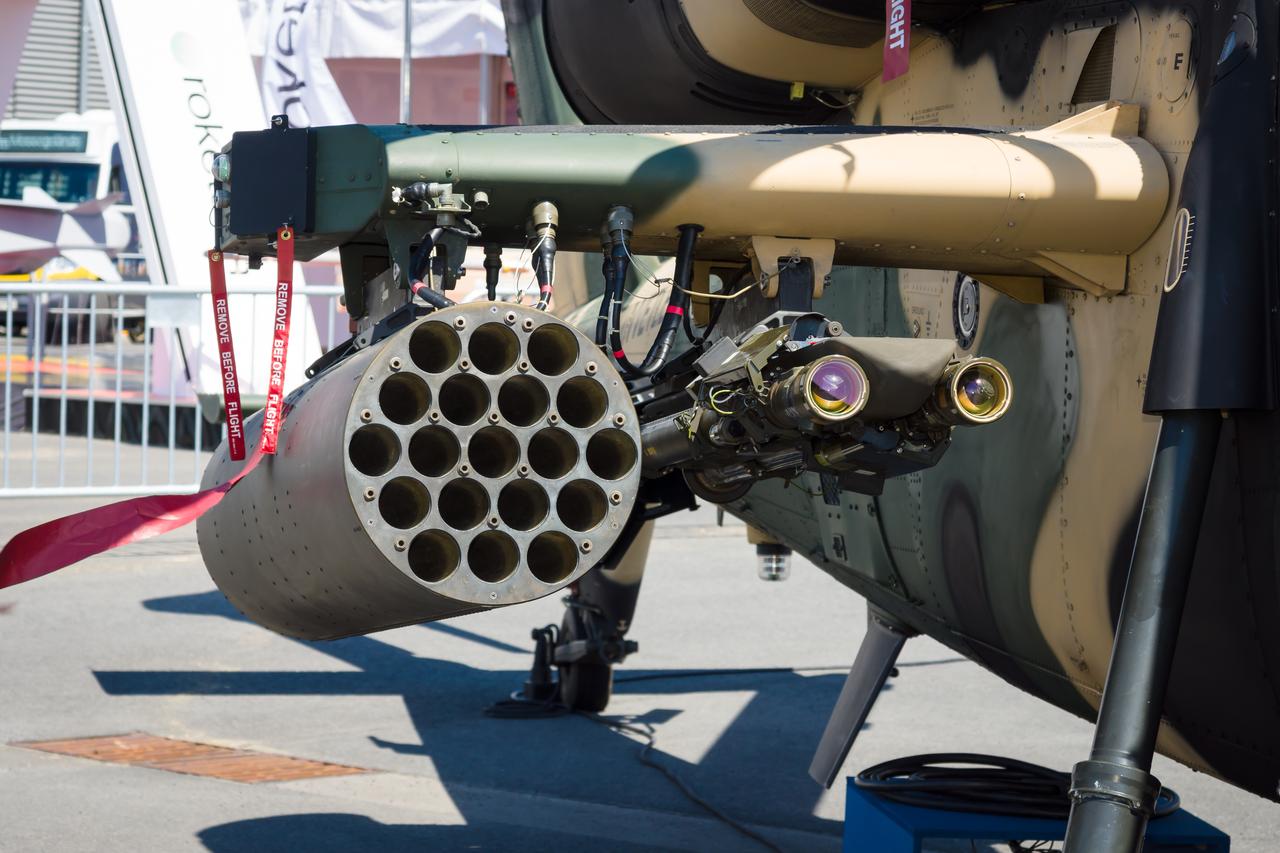
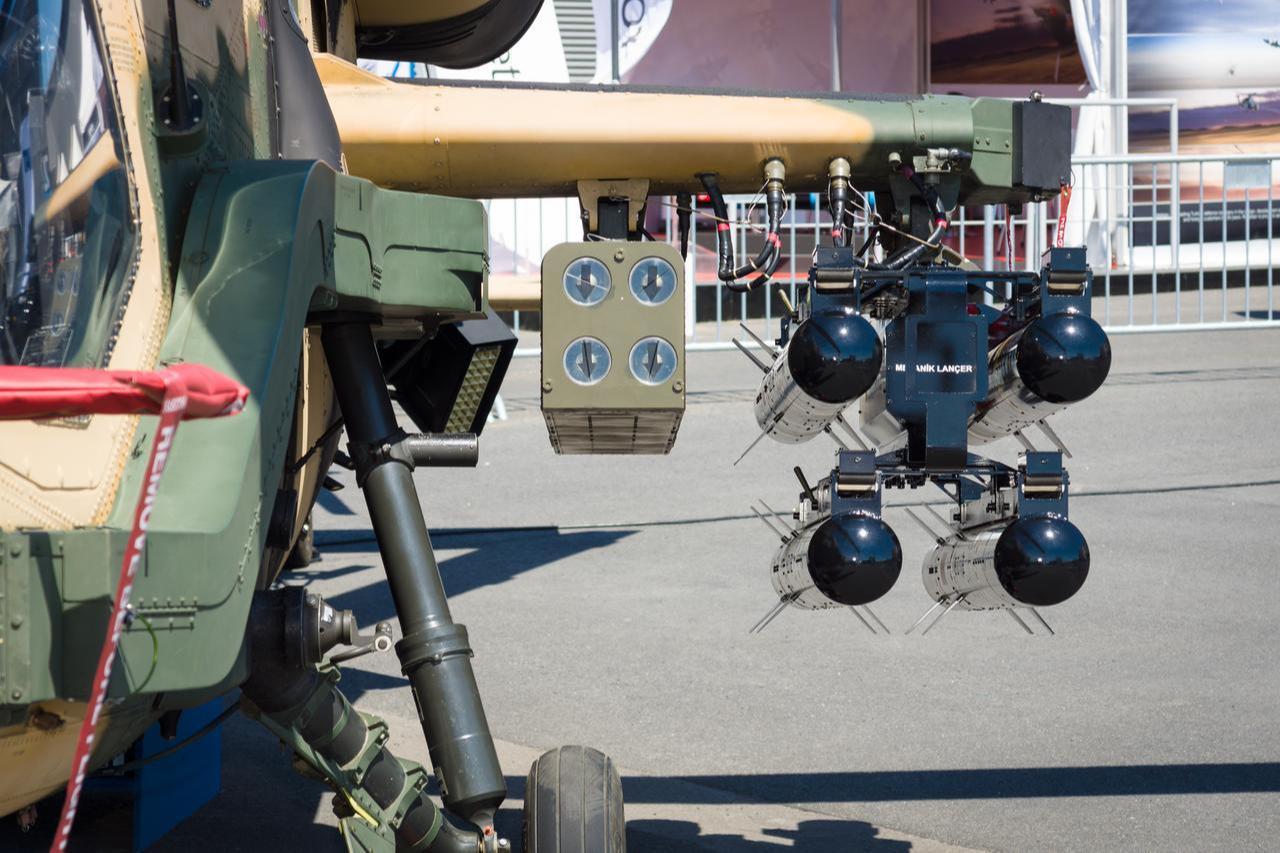
Weaponry options include a 20 mm triple-barrel rotary cannon, Cirit 70 mm laser-guided missiles, UMTAS/L-UMTAS anti-tank guided missiles and unguided 70 mm rockets. Work is ongoing for the integration of the new UMTAS GM family of extended-range anti-tank guided missiles allowing engagements at 20 kilometers.
Other systems include the ASELFLIR 410 electro-optical/infrared system and a self-defense suite with missile warning systems and electronic countermeasures.
The acquisition aligns with Bangladesh's long-term military modernization objectives under Forces Goal 2030, which emphasizes the introduction of advanced multi-role platforms to improve operational readiness and deterrence.
"Our skies will be secure, our nation resilient," a Bangladesh Air Force official said.
The T129 ATAK's combat-proven record in counterinsurgency and asymmetric warfare environments aligns with Bangladesh's operational realities, particularly in terrain such as the Chittagong Hill Tracts and riverine border regions, where persistent surveillance, rapid strike response and close air support remain decisive.


 Set as preferred source
 Set as preferred source


 1 min read