Newsletters


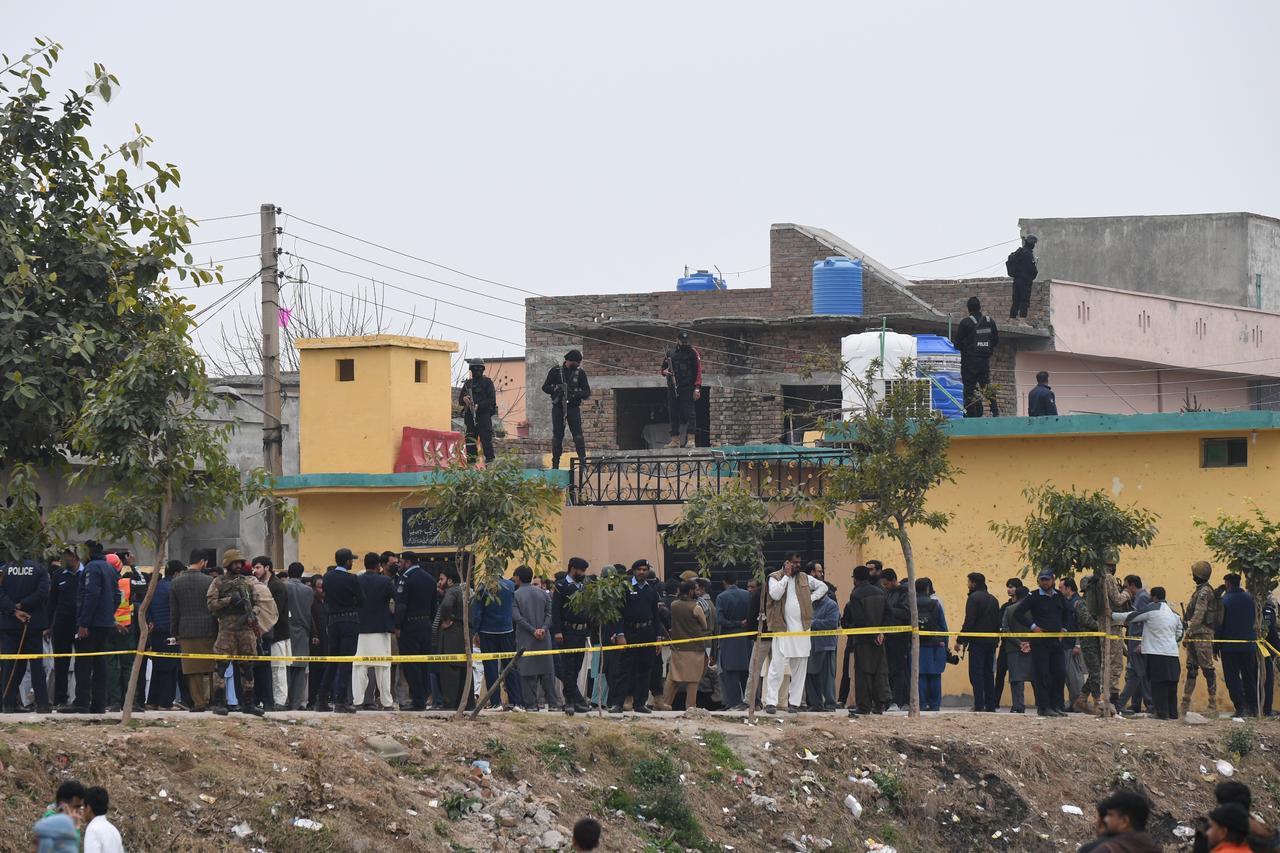


The death toll from an explosion at a Shiite religious site in Pakistan’s capital Islamabad rose to 31 on Friday, officials said, as authorities continued rescue and security operations.
The blast struck an imambargah, a place of worship for Shia Muslims, in the Shehzad Town area on the outskirts of the capital.
A statement by the Islamabad district administration posted on X and later deleted said 31 people were killed and 169 were wounded. The figures were also cited by multiple local media outlets.
Earlier, officials said an emergency was declared at hospitals as rescue operations began and the area around the site was completely sealed off.
Video footage broadcast by local media showed numerous people lying on the ground in the aftermath of the explosion.
Geo News reported that a suicide bomber detonated explosives after being stopped at the gate of the religious site.
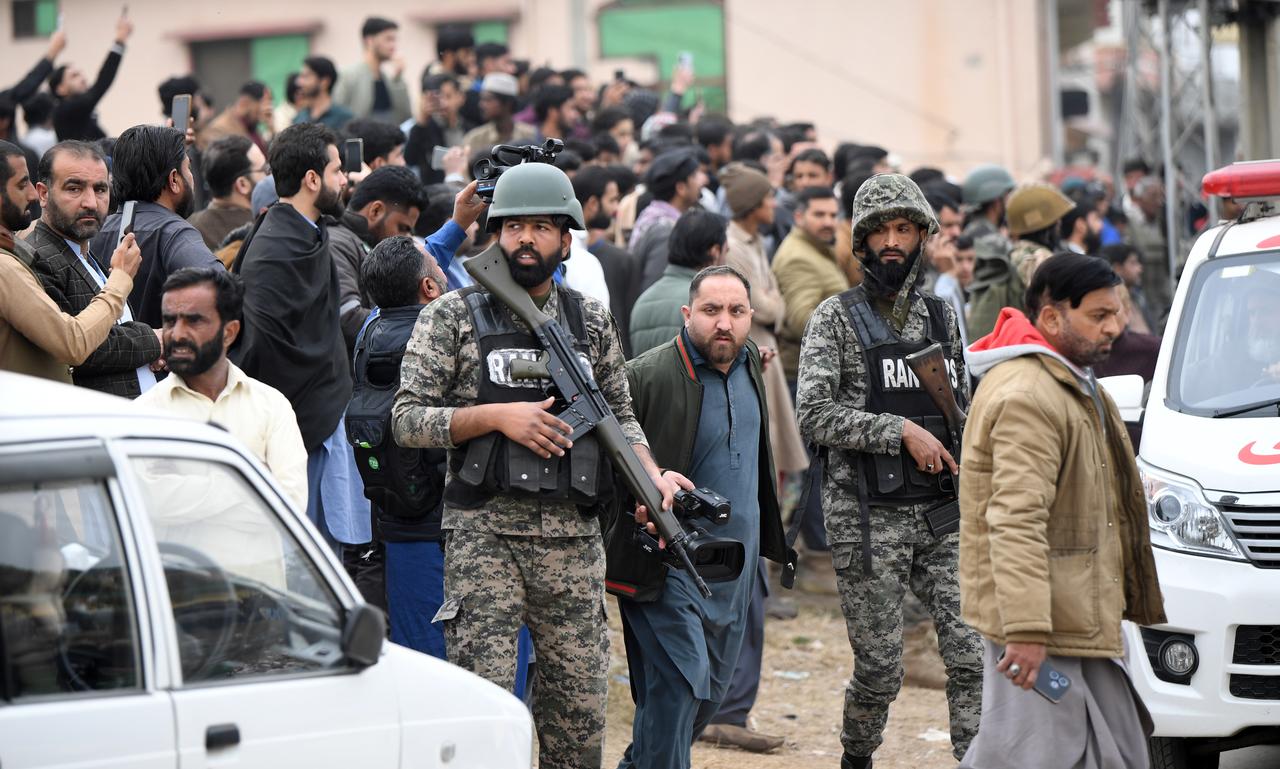

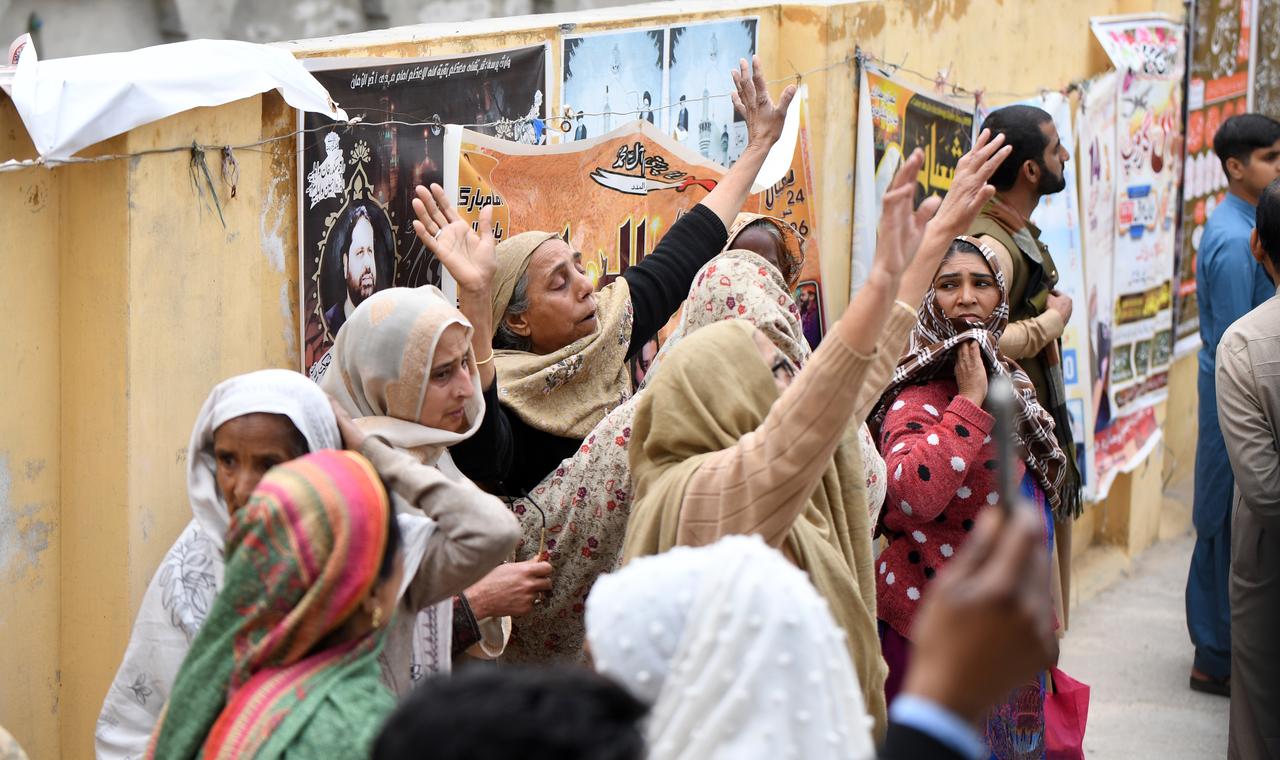
Medics and bystanders were seen unloading victims with blood-soaked clothing from ambulances and private vehicles. At least one casualty arrived at a hospital in the trunk of a car. Relatives of the wounded shouted as they reached heavily guarded emergency wards.
AFP journalists at the scene reported armed security forces surrounding the mosque, with pools of blood visible on the ground. Videos circulating on social media, which AFP could not immediately verify, appeared to show bodies near the mosque’s front gate and debris scattered across the red-carpeted prayer hall.
Pakistan’s Prime Minister Shehbaz Sharif condemned the attack, vowing that those responsible would be identified and brought to justice.
No group immediately claimed responsibility for the bombing.
Pakistan is a Sunni-majority country, but Shia Muslims make up between 10% and 15% of the population and have been targeted in attacks in the past.
The attack comes as Pakistan’s security forces confront escalating insurgencies in both the southern and northern regions bordering Afghanistan.
Islamabad has accused separatist armed groups in southern Balochistan and the Pakistani Taliban and other militants in northern Khyber Pakhtunkhwa province of using Afghan territory as a base to launch attacks. Afghanistan’s Taliban-led government has repeatedly denied the allegations.
Relations between the two neighbors have deteriorated sharply, with frequent clashes reported along the border.
The last major attack in Islamabad occurred in November, when a suicide bombing outside a court killed 12 people and wounded dozens, the first such incident in the capital in nearly three years.
Security pressures have also intensified in Balochistan, where separatist attacks last week killed 36 civilians and 22 security personnel. Pakistani authorities said subsequent counter-operations resulted in the deaths of nearly 200 militants.


 Set as preferred source
 Set as preferred source



 3 min read