Newsletters


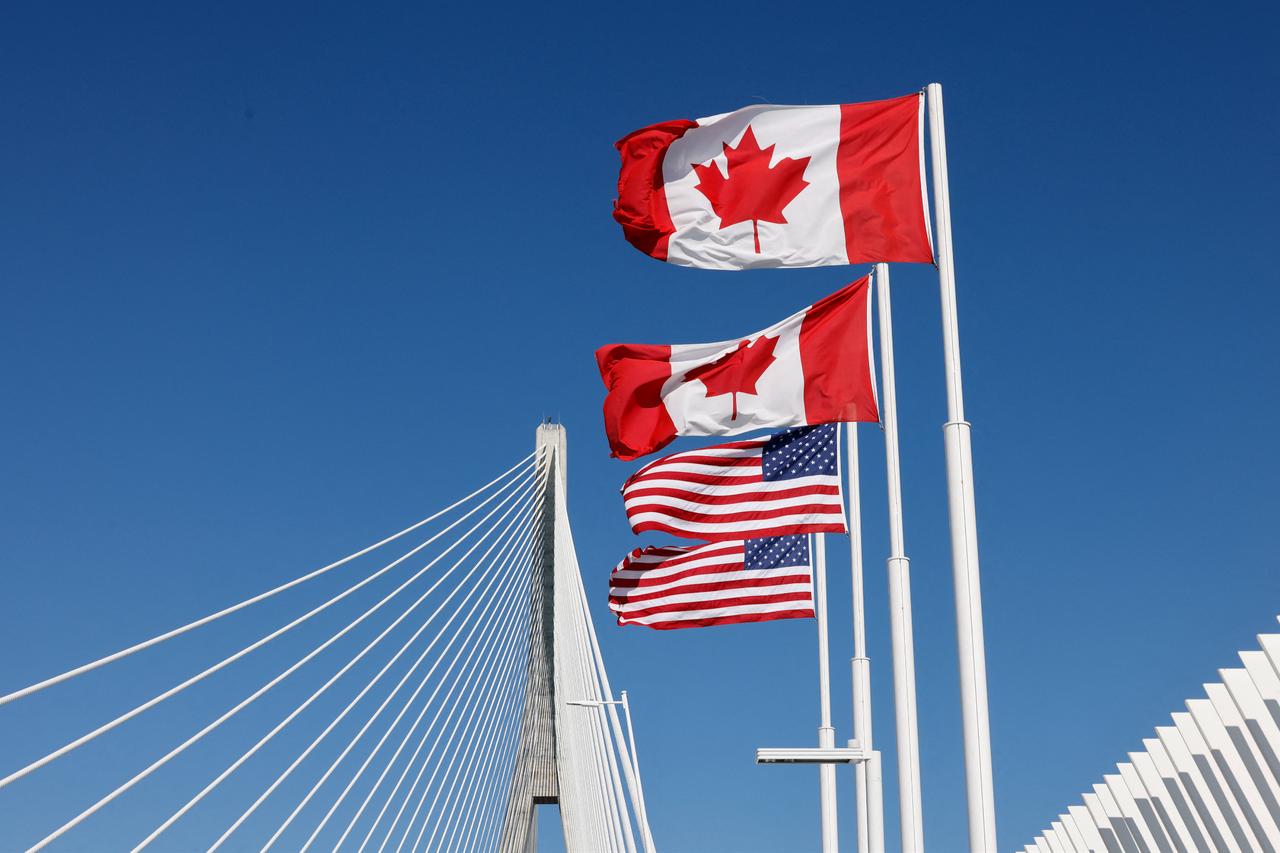


Canadian Prime Minister Mark Carney said Tuesday that reducing his country's economic ties with the United States would carry a price, but argued the long-term benefits outweighed the risk of inaction, hours after Ottawa's retaliatory tariffs on American products took effect.
"We have everything we need to pivot and prosper," Carney said in a video statement. "That pivot will come at a cost. There's always a cost to action. But it doesn't come close to the cost of standing still."
New Canadian duties now apply to $27.6 billion, or roughly US$20 billion, in American imports, targeting steel and aluminum products along with dairy goods such as cheese.
The move deepens a trade dispute between the two North American neighbors that has escalated in recent weeks.
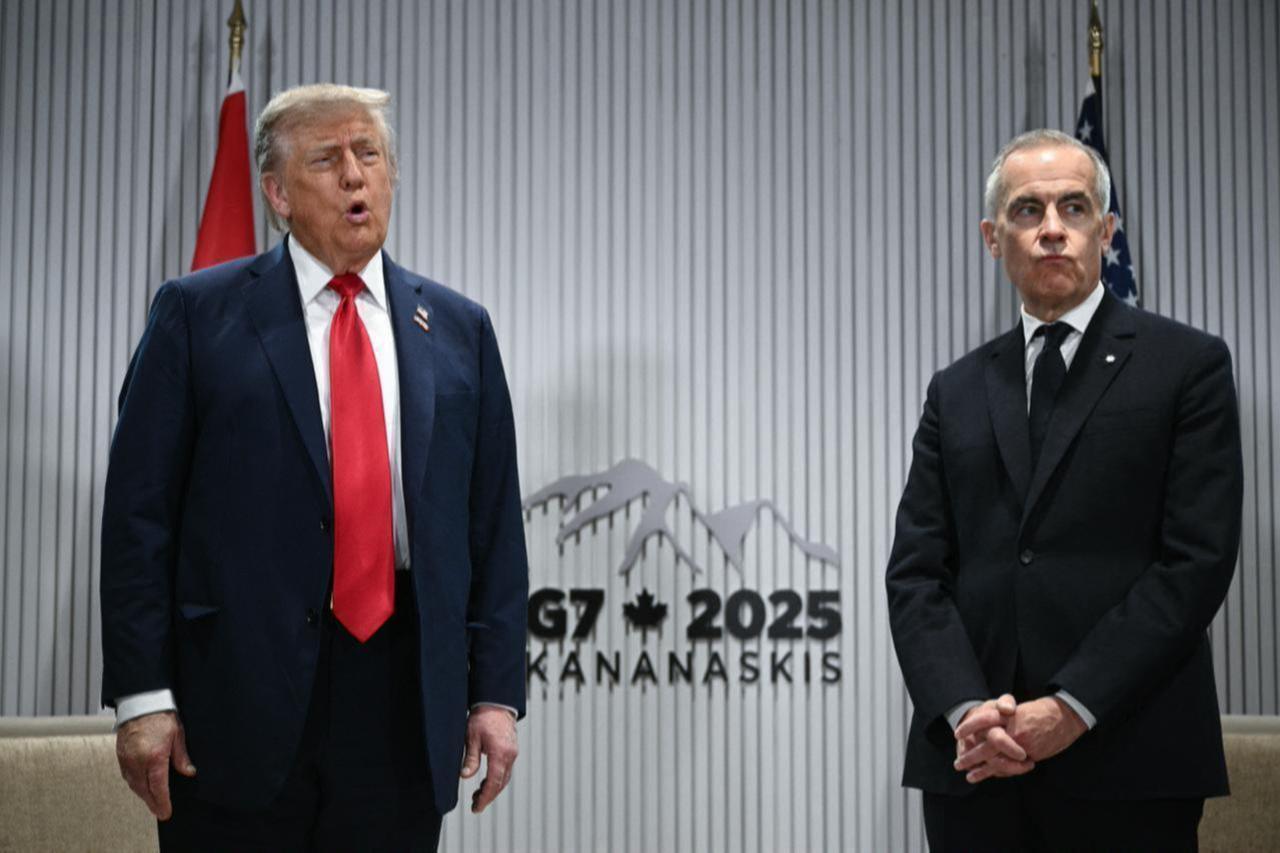

Ottawa's countermeasures come after President Donald Trump imposed tariffs of a similar value on Canadian products, which Washington justified by citing what it called "discriminatory treatment" of American alcohol, automobile and dairy industries.
Negotiations between the two countries collapsed on August 21 following days of meetings in Washington. Carney said at the time that US negotiators had introduced restrictions on Canada's trade deals with other countries at the last minute.
He also said American officials made unacceptable "threats" to the French language and to Quebec culture, referring to Canada's French-speaking province. Talks have not resumed since, and Trump has continued to criticize Canada publicly.
Carney defended his government's response as measured. "I don't believe in escalating the conflict. That's not constructive," he said. "But our tariffs are necessary to protect our workers, protect our companies, and our communities.
This is about who we are as Canadians. It's about our livelihoods and the country that we leave to our kids."
The dispute widened Monday when Trump threatened to block US sales of Bombardier Aviation, a Quebec-based plane maker, unless the company moves its manufacturing to the United States. "No more selling Bombardier in the United States!" Trump wrote in a post on his Truth Social platform, without specifying how such a sales halt would be carried out.
Bombardier responded by pointing to the tens of thousands of jobs it has created across the United States, noting it has "direct employment" in more than 20 states, including Kansas, Texas, Arizona and California. "Bombardier values its great partnership with American companies and its US employees," the company said in a statement.
Trump has also directed recent provocations at Carney personally and at Canadian symbols.
On Sunday, he posted an illustration depicting himself towering over Carney during a game of ice hockey, captioned "Get up, governor," a reference to his stated ambition of making Canada part of the United States.
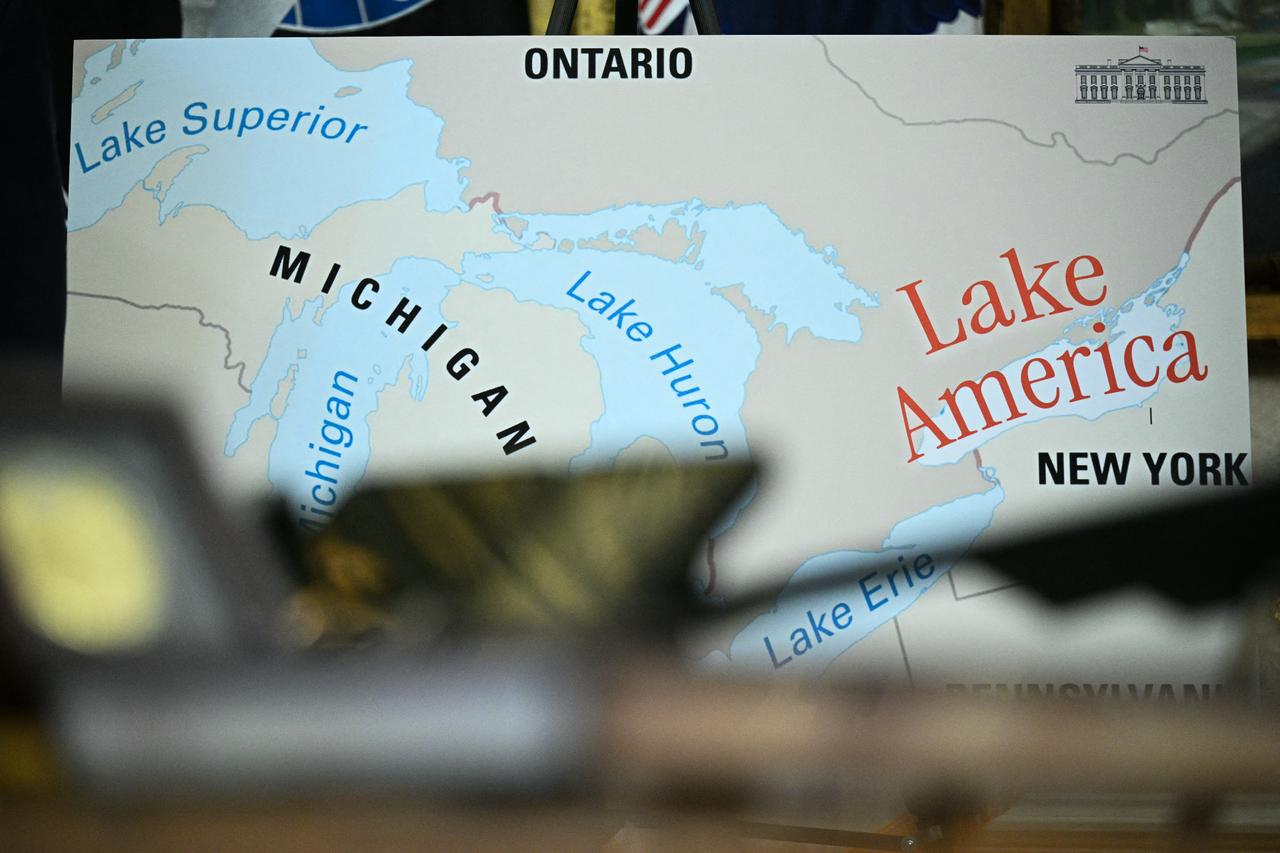
In August, Trump signed an order to rename Lake Ontario, which sits on the US-Canada border, as "Lake America," a move that provoked anger in Canada and fed a broader surge of national sentiment in response to his rhetoric.
Despite public support for his stance, Carney faces a structural challenge: Canada remains heavily dependent on trade with the United States.
Nearly 60 percent of Canada's imports come from the US, and about 70 percent of its exports go to the American market. Analysts say the US tariffs pose a modestly negative risk to Canada's overall economy, with a sharper impact concentrated in the manufacturing sector of central Canada.
To cushion the blow to businesses and workers, Canada's government has rolled out an aid package worth $7.5 billion, or about US$5.4 billion.


 Set as preferred source
 Set as preferred source


 1 min read

 1 min read