Newsletters


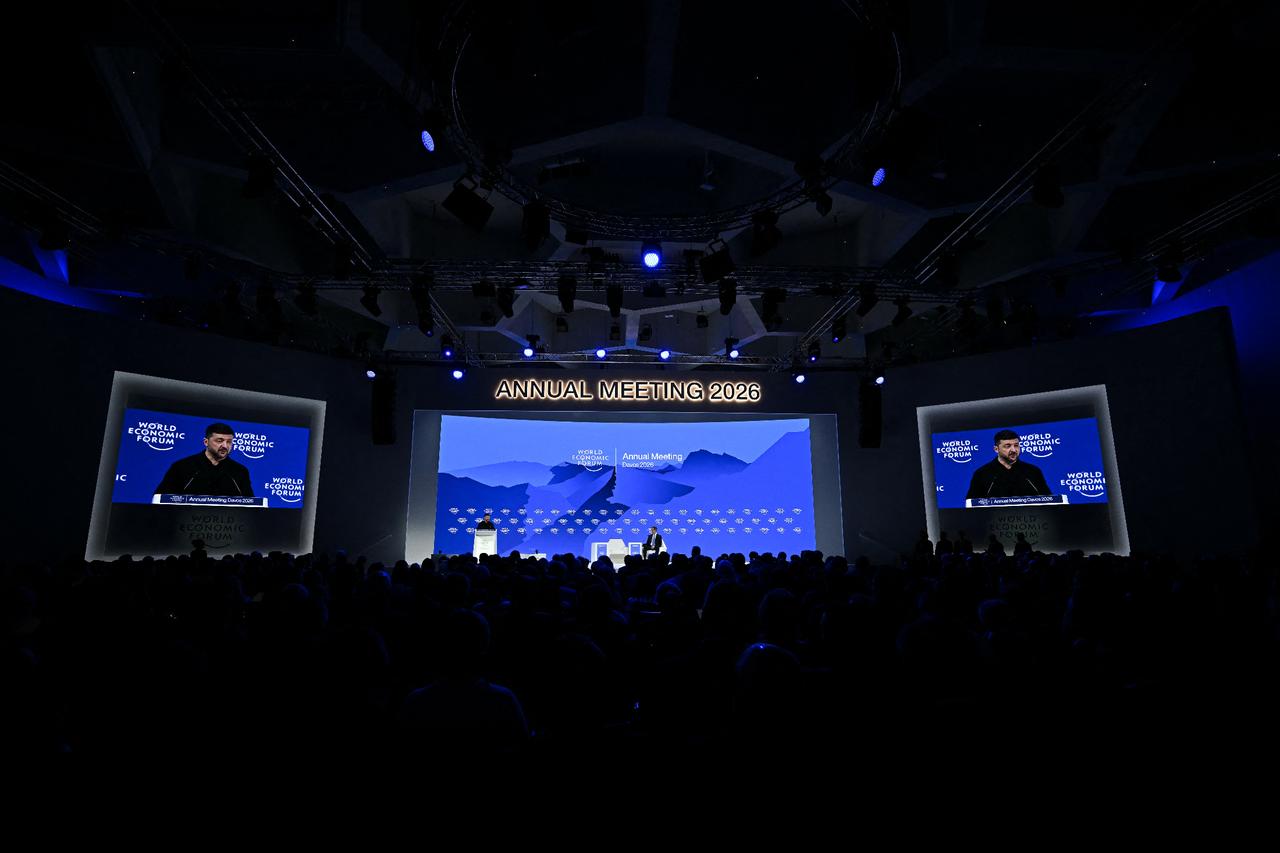


The 56th annual World Economic Forum (WEF) wrapped up Friday in Davos, bringing together world leaders, business executives, academics and civil society representatives to discuss global political, economic and technological challenges.
Held under the theme “A Spirit of Dialogue,” the summit hosted around 3,000 participants from more than 130 countries across over 250 sessions since Tuesday.

Some 64 presidents, prime ministers and senior officials attended the forum, focusing on geopolitical and geoeconomic risks, the global economy, artificial intelligence, technological transformation and sustainability.
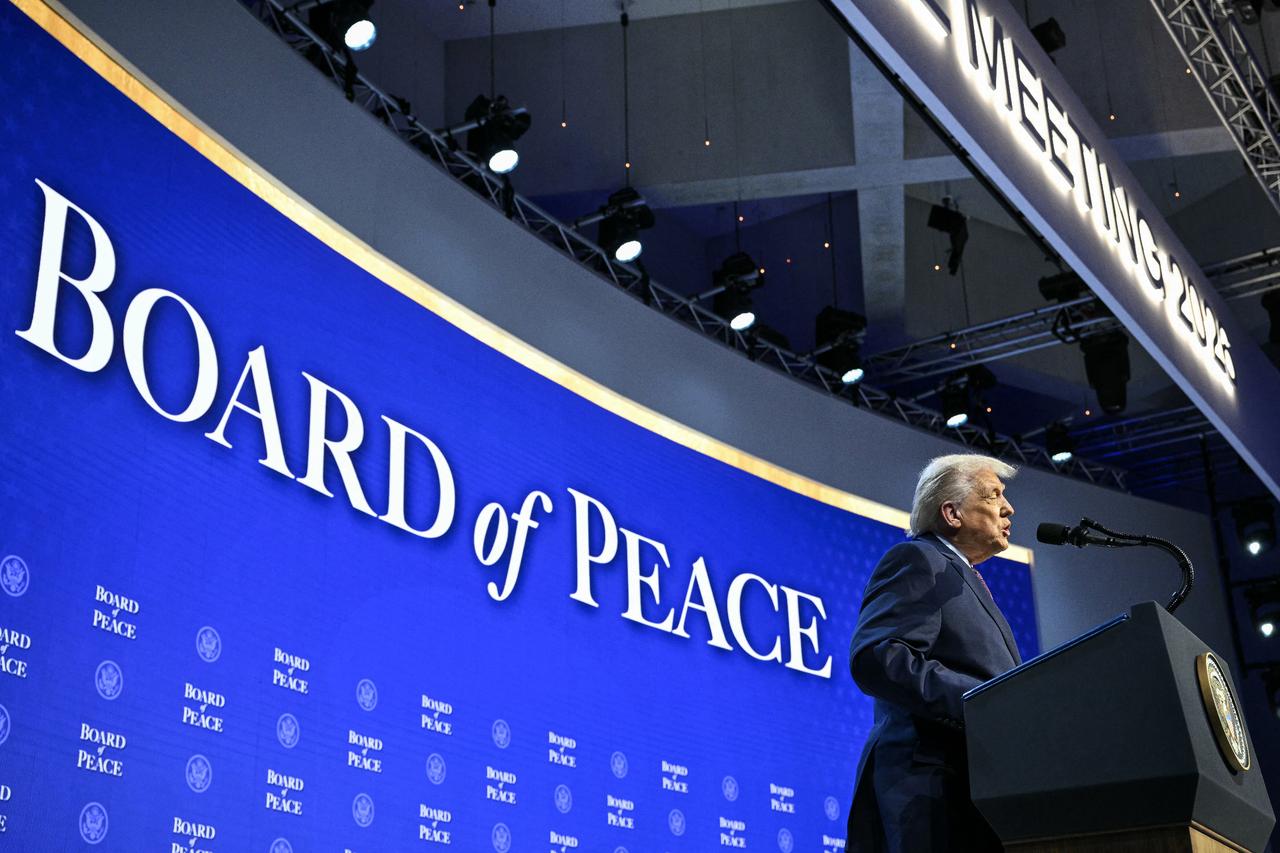
This year’s meeting was among the most intense in recent years, marked by the return of U.S. President Donald Trump to the Davos stage after regaining office.
Trump’s appearance drew strong interest, with long lines forming ahead of his speech.
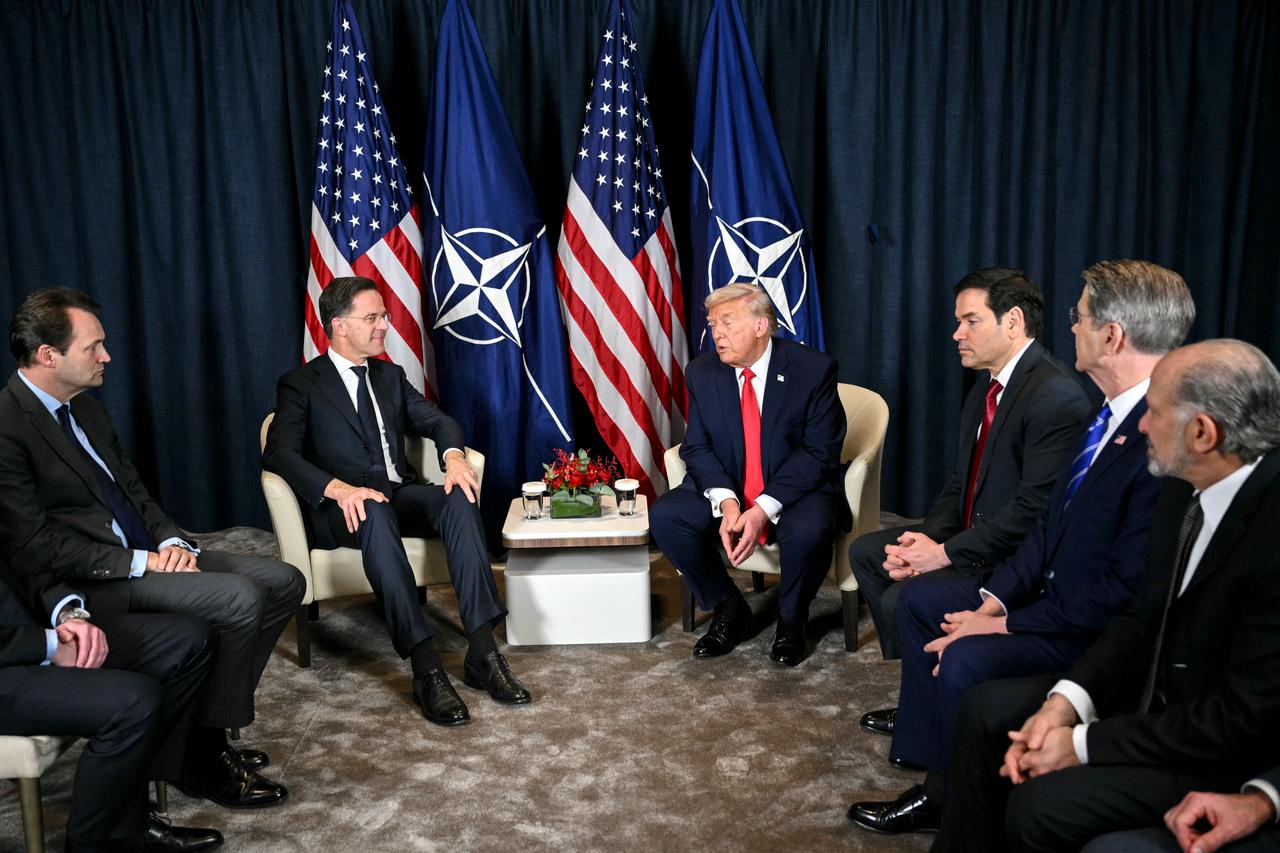
Trump left a strong imprint on the summit with proposals that fueled debate over U.S.-Europe relations.
He sought to ease concerns over Greenland by ruling out military intervention and stepping back from imposing tariffs on allies after agreeing on a framework for a future deal.
He praised the U.S. economy, emphasized what he described as the country’s dominance in artificial intelligence, and said Washington could completely halt technology transfers to China.
Technology and artificial intelligence dominated discussions throughout the forum.
Participants highlighted AI investments as a major driver expected to reshape production and consumption patterns and fuel economic growth.
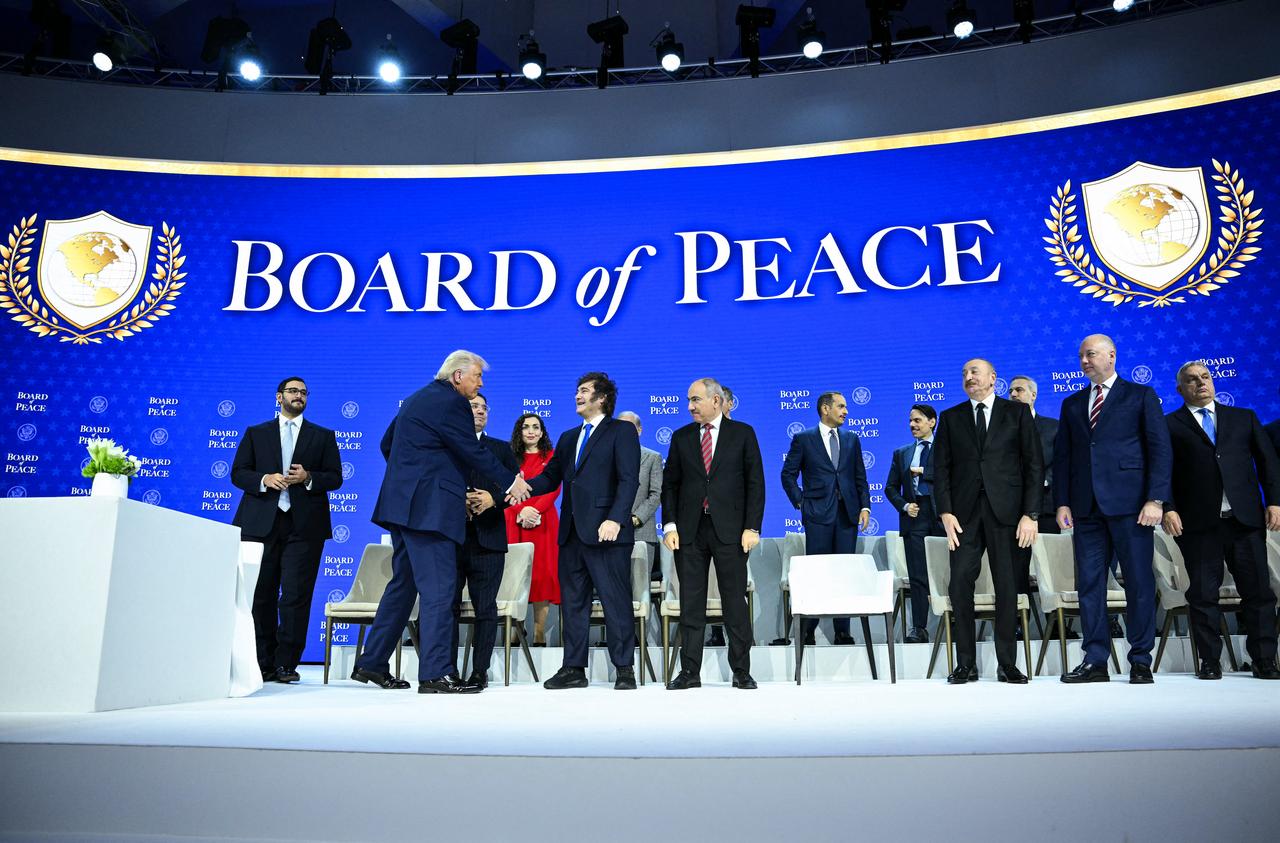
Among the most notable outcomes of the forum were a proposed €90 billion ($105.6 billion) credit support package for Ukraine and the establishment of the Board of Peace, which emerged as key initiatives during the weeklong gathering.


 Set as preferred source
 Set as preferred source


 1 min read
 1 min read