Newsletters


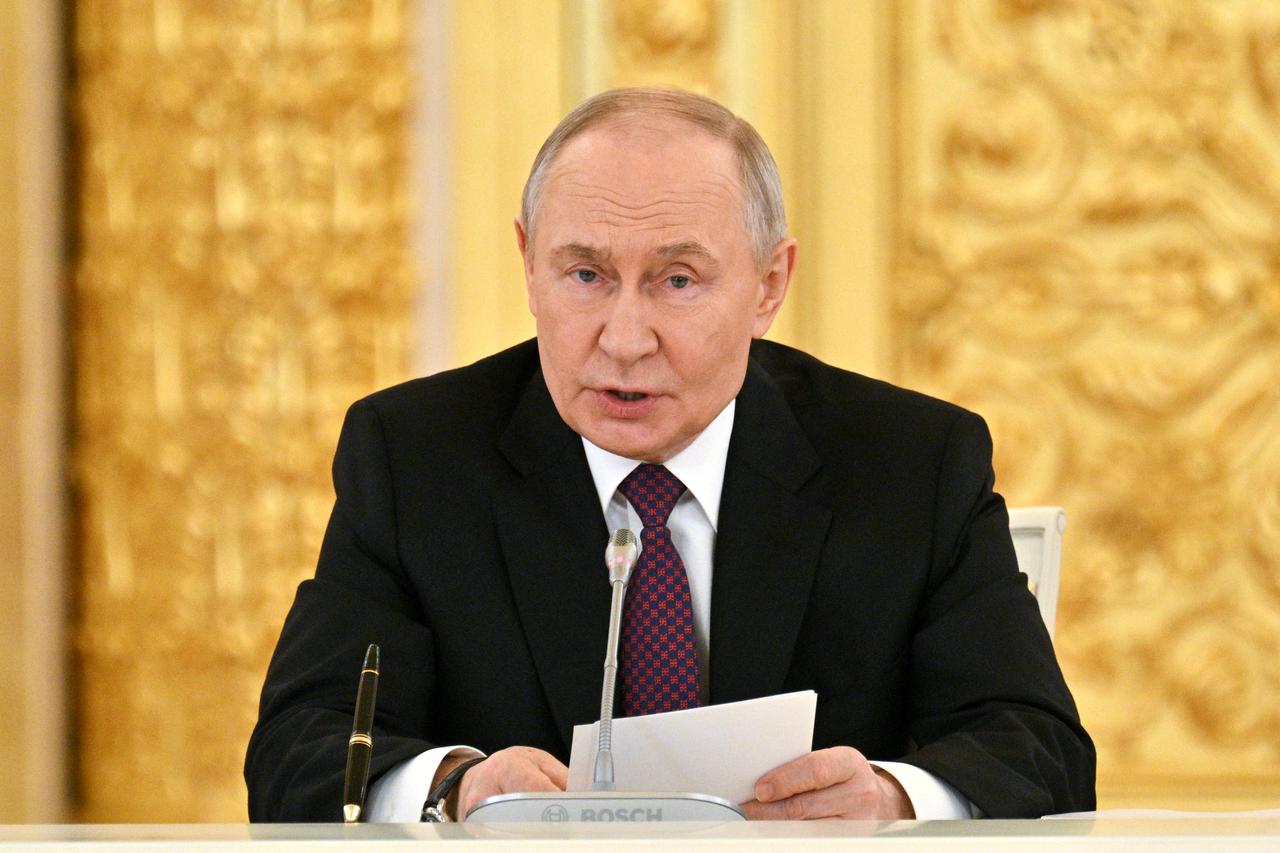


Estonian Prime Minister Kristen Michal warned that an early peace in Ukraine without firm security guarantees could lead to instability across Europe, arguing that Russian President Vladimir Putin cannot end the war without jeopardizing his hold on power.
In an interview with Euronews’ morning program Europe Today, Michal said Putin’s rule resembles “riding a bicycle.”
“If he stops pedaling, he falls,” Michal said, suggesting the Russian leader cannot step back from his war policy.
Michal said he does not claim to understand Putin but argued that the “logic of dictatorship” helps explain Moscow’s aggressive posture.
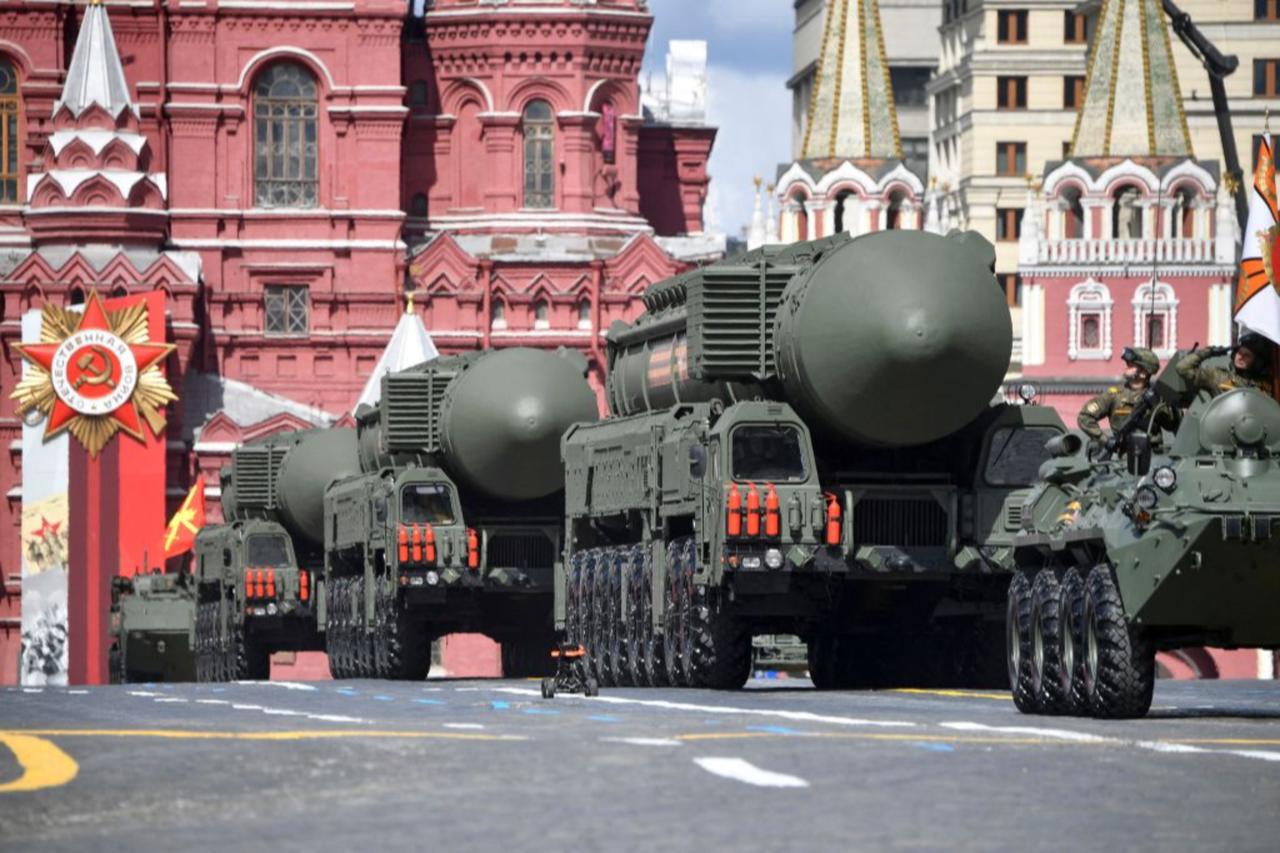
He noted that Russia now possesses more military weapons than at the start of the war and questioned what would happen if Moscow stopped fighting in Ukraine.
“If he stops killing in Ukraine, what will he do with these people?” Michal asked, referring to Russia’s military forces.
He said the glorification of the “hero” figure in Russia could mean that ending the war would weaken Putin’s domestic political standing.
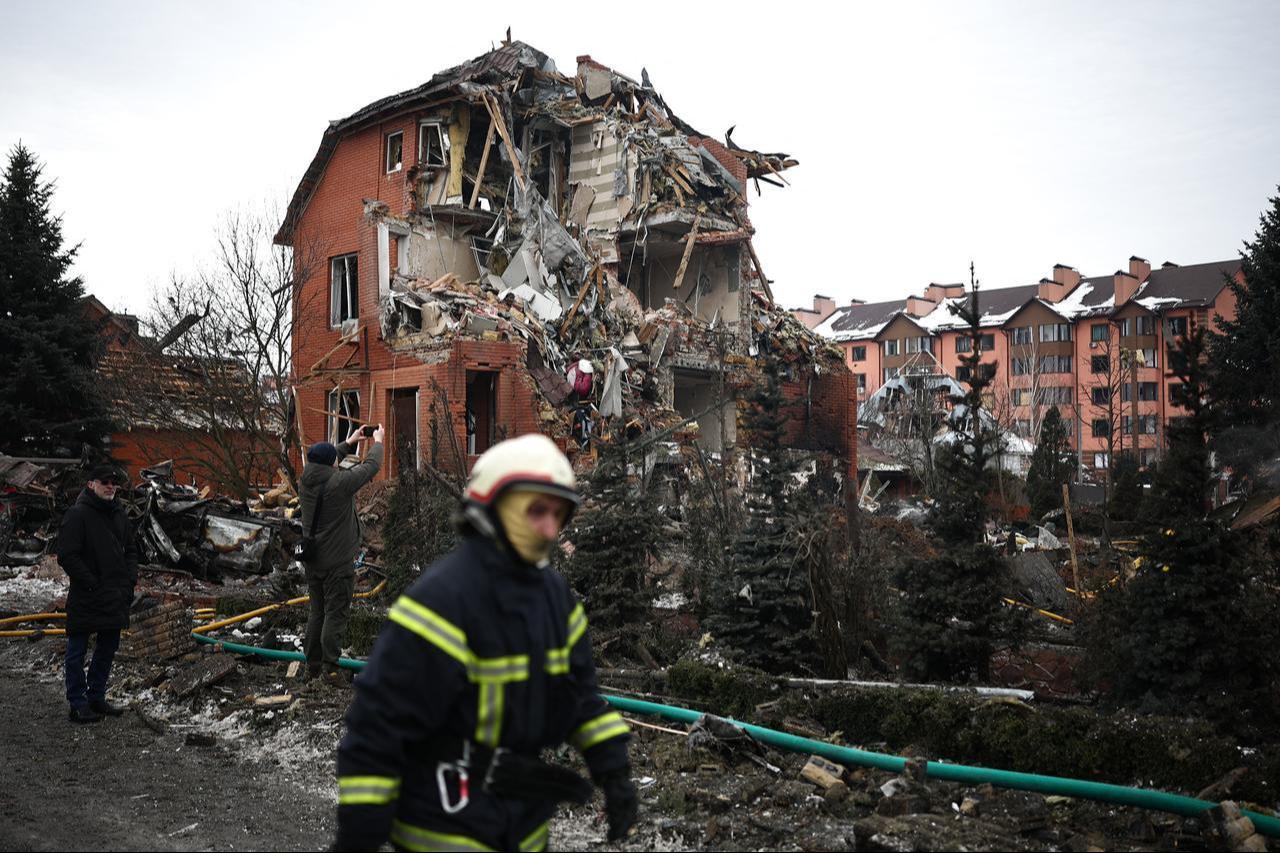

Michal’s remarks come at a time when the European Union’s €90 billion ($106.22 billion) support plan for Ukraine has not yet been implemented due to political obstacles.
He expressed confidence that Ursula von der Leyen and Antonio Costa would find alternative ways to activate the fund but did not provide details.
“They will explain it,” Michal said, adding that the decisions would be decisive for Europe’s security.
He said the option of using frozen Russian assets to support Ukraine remains on the table and stressed the importance of keeping those assets frozen.
Michal noted that sanctions, which previously required renewal every six months, are now placed on a more solid framework.
Despite objections from Hungary and Slovakia, he said the €90 billion commitment should be fulfilled.
“We made the decision. Everyone was in the room. Some chose to abstain, but the decision was taken,” he said.
 1 min read
Addressing Hungarian Prime Minister Viktor Orban’s position on Russia, Michal said other European Union leaders struggle to understand that stance and suggested upcoming elections in Hungary could be a “game changer.”
He also pointed to growing debate within the European Union about moving toward more centralized decision-making mechanisms, particularly in security matters.
Michal said stronger cooperation formats with non-European Union allies such as Norway, the United Kingdom, Canada and Iceland are also under discussion.
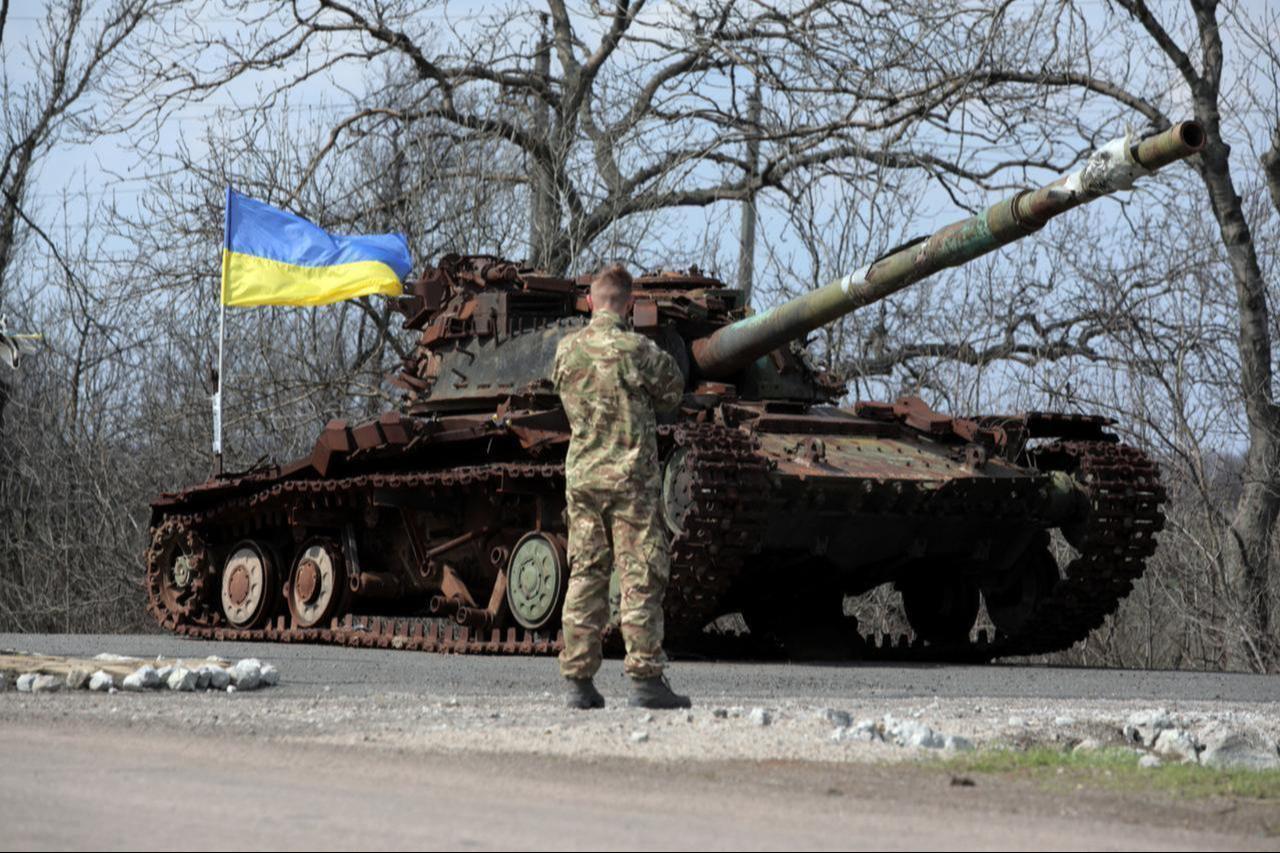
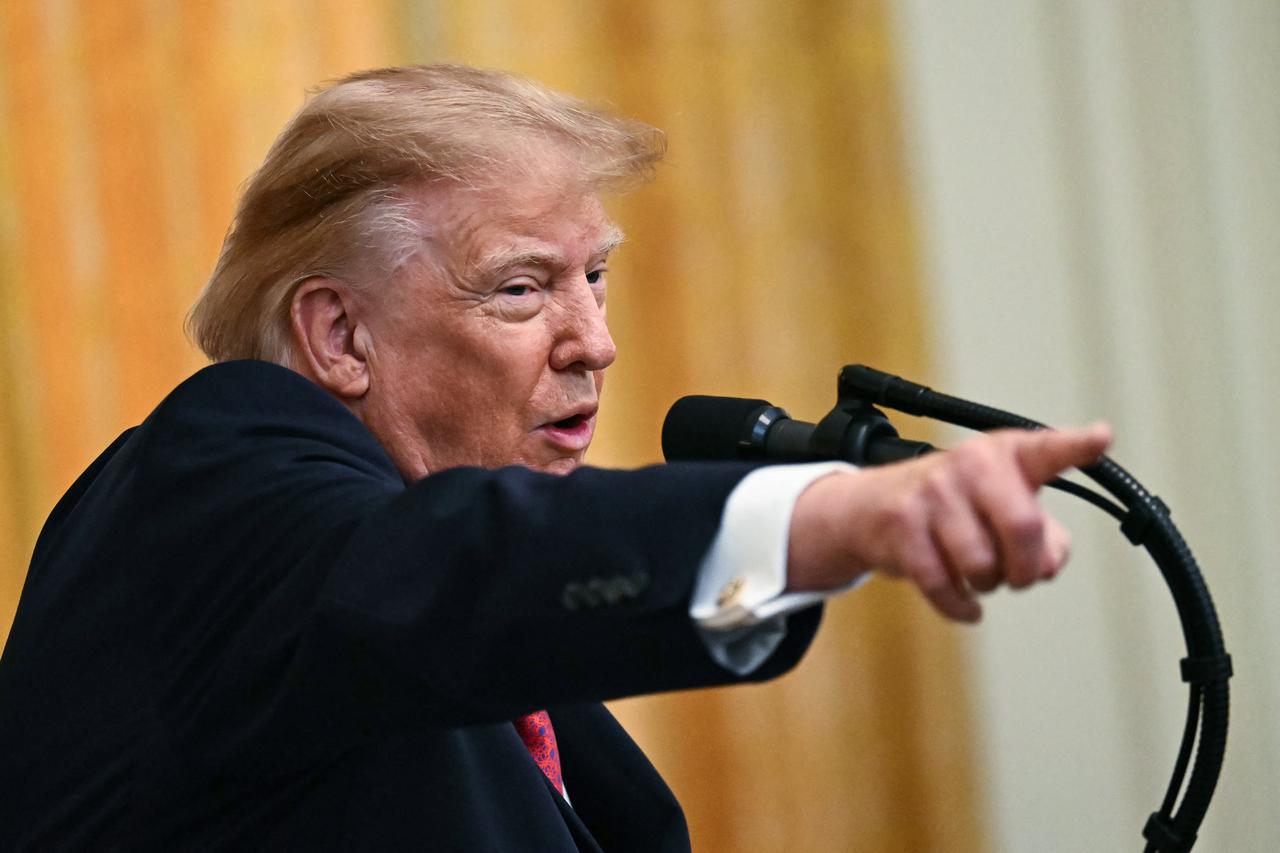
On transatlantic relations, Michal said he agrees with U.S. President Donald Trump’s calls for Europe to assume greater responsibility for defense.
He said Europe needs to invest more in security and noted that Estonia is allocating 5.4% of its gross domestic product to defense this year, one of the highest rates within NATO.
“This is not easy, but I know my grandchildren will live in peace. Because our neighbor knows we take ourselves seriously,” Michal said.
Rejecting descriptions of Europe as weak or declining, Michal argued that if defense commitments are fulfilled, the continent will be in a stronger position within five to 10 years.
He firmly dismissed characterizations of Europe as “rotting gold,” saying the continent remains one of the freest regions in the world despite its challenges.


 Set as preferred source
 Set as preferred source


 1 min read