Newsletters


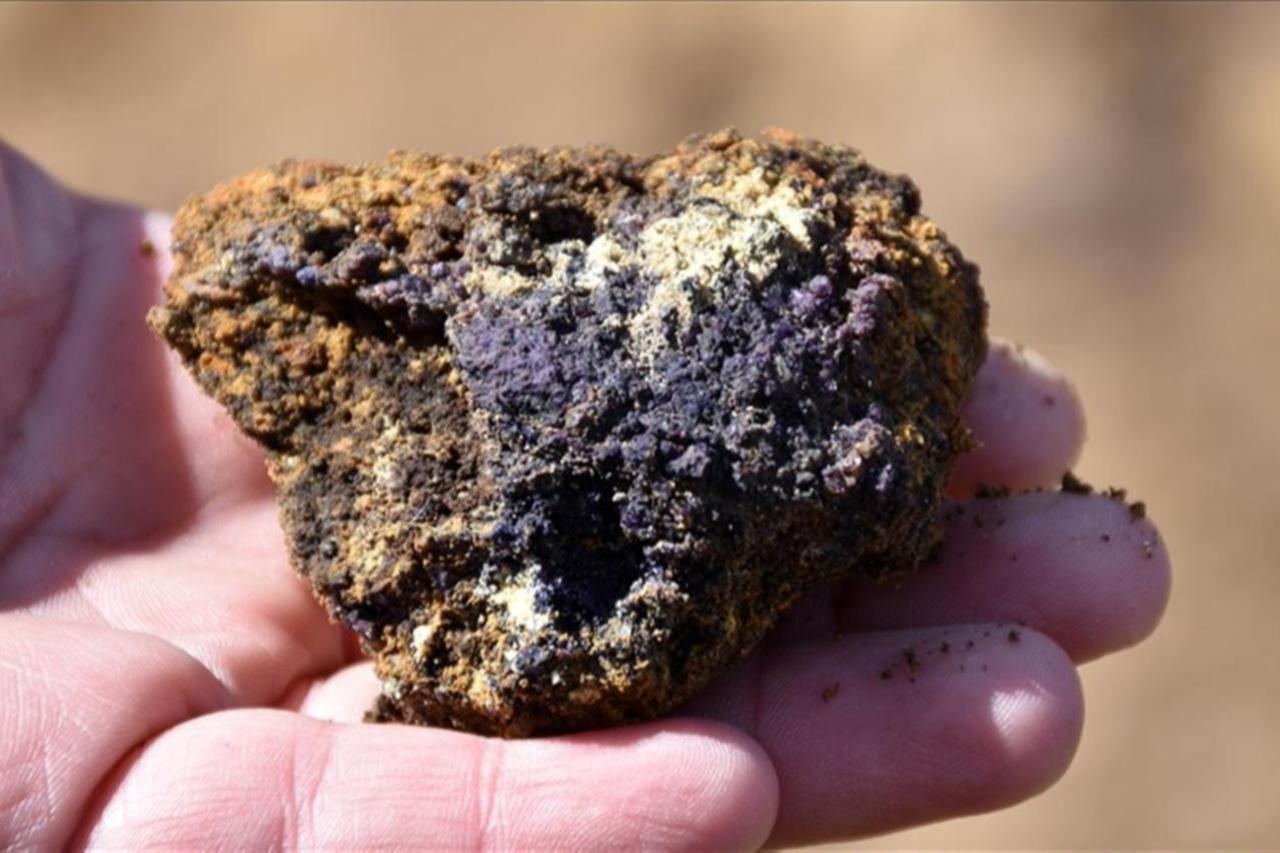


The European Union announced a sweeping industrial plan Wednesday designed to loosen China's dominance over rare earth elements, unveiling nearly three billion euros in funding as Beijing's control over critical minerals threatens European manufacturing and defense sectors.
The initiative comes as China, which produces the majority of the world's rare earths, has tightened its grip on exports of materials essential to electric vehicles, consumer electronics and military equipment. Beijing imposed licensing requirements on certain rare earth exports in April and announced broader controls in October before suspending them for one year amid market turbulence.
The European Commission's strategy includes establishing a centralized procurement hub modeled after Japan's state minerals corporation, alongside new restrictions on exporting industrial waste that could be recycled domestically for rare earth recovery.
"Europe is responding to the new global geopolitical reality," said Stephane Sejourne, the EU's industry chief, who has previously characterized Beijing's approach to raw materials as operating a "racket."
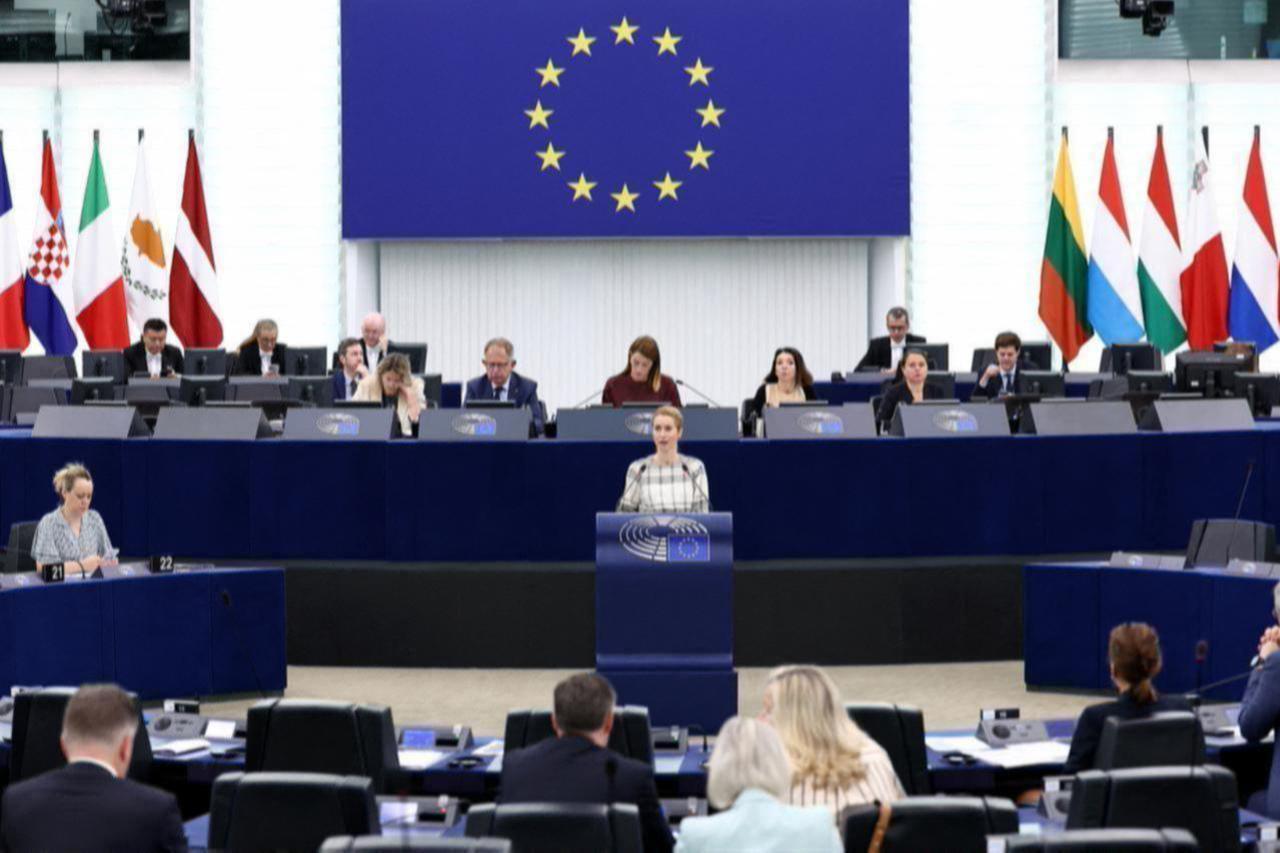

The centerpiece of Brussels' approach involves creating a European Centre for Critical Raw Materials that will function as the bloc's supply coordination mechanism. According to Sejourne, the center will monitor industrial needs, orchestrate joint procurement among member states, and oversee strategic reserves for distribution to manufacturers.
The three billion euro investment package will support mining operations, refining facilities and recycling infrastructure both within European borders and in partner nations, as the bloc seeks to diversify away from Chinese suppliers.
Beginning next year, the EU plans to restrict exports of scrap and waste materials from permanent magnets—components that contain rare earths and power everything from wind turbines to smartphone speakers. Similar limitations on aluminum waste shipments are planned, with potential expansion to copper.
 1 min read
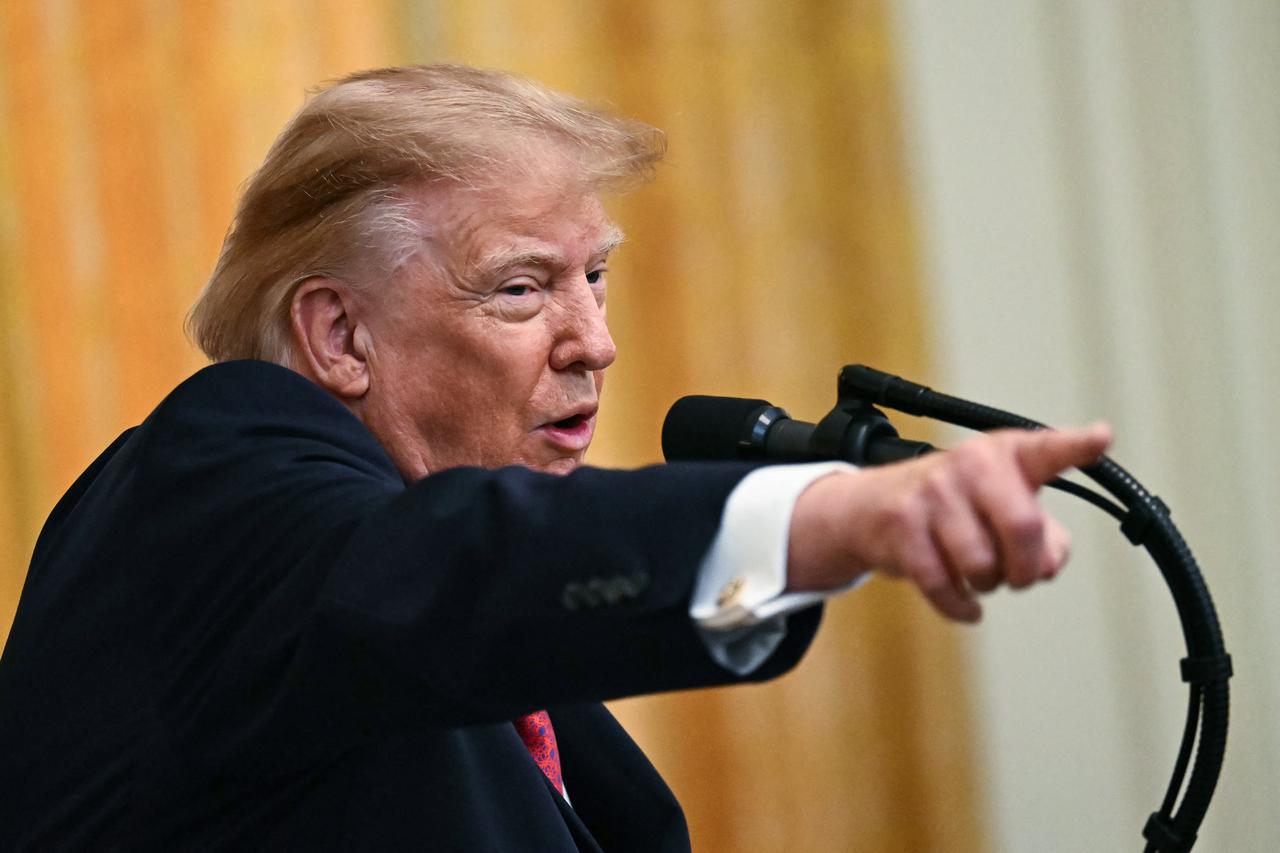
Europe faces what officials describe as a strategic squeeze, caught between Chinese export restrictions and an increasingly transactional United States under Donald Trump's administration, which has pursued bilateral supply agreements that could leave European manufacturers at a disadvantage.
A study released Monday by the EU Chamber of Commerce in China found that 60 percent of member companies anticipate supply chain disruptions from government-imposed restrictions, while 13 percent expect possible production slowdowns or halts.
The Commission simultaneously updated its economic security doctrine Wednesday, two years after producing its first strategy in response to supply vulnerabilities exposed during the COVID-19 pandemic and Russia's invasion of Ukraine.
"Around the world, trade is being weaponized. Supply chains are under pressure," said Maros Sefcovic, the EU's trade commissioner. "Strategic choke points are turning economic dependency into political pressure, and this hits our companies every single day."
The revised framework calls for more aggressive deployment of existing policy instruments, including foreign investment screening, export controls and supplier diversification, while leaving room to develop additional tools as geopolitical conditions shift.
The EU adopted legislation two years ago aimed at securing critical raw material supplies, but officials acknowledge that rapidly evolving trade tensions—particularly with a US administration willing to challenge traditional allies—have forced a reassessment of the bloc's vulnerability.
"Europe will continue to champion open trade and global investment, but our openness must be backed by security," Sefcovic said, signaling what he described as a "more strategic and assertive" posture on economic policy.
Rare earth elements comprise 17 metallic elements used extensively in advanced manufacturing, from the magnets in electric vehicle motors to guidance systems in precision weapons. Despite their name, these materials exist in relatively abundant quantities globally, but extraction and processing remain concentrated in China, which has built an industrial ecosystem around rare earth production over decades.


 Set as preferred source
 Set as preferred source


 1 min read