Newsletters


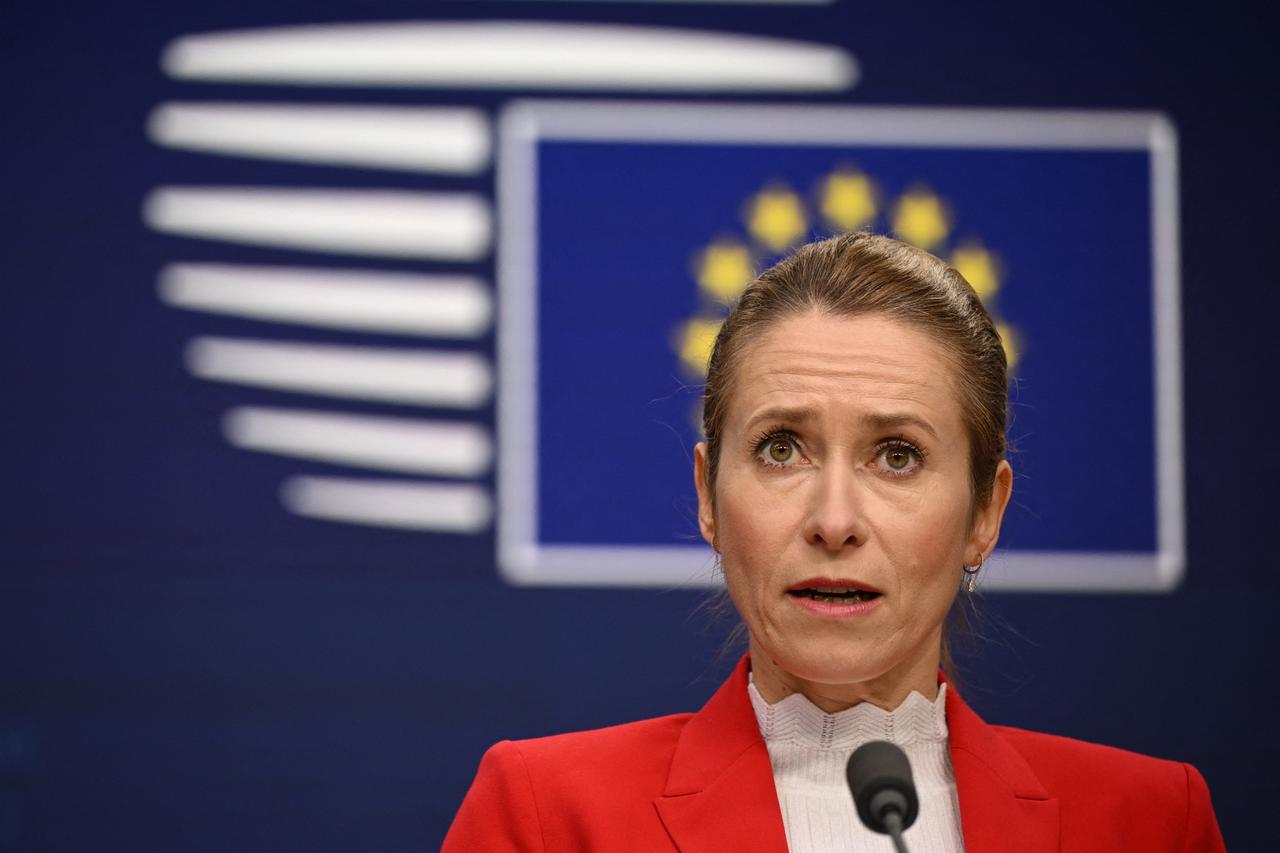


The European Union must take “very important” decisions on financing Ukraine at a crunch summit this week, but talks on using frozen Russian assets are becoming increasingly difficult, the bloc’s top diplomat said Monday.
“We are not there yet, and it is increasingly difficult, but we’re doing the work and we still have some days,” EU foreign policy chief Kaja Kallas told journalists. “We will not leave the meeting before we get a result.”
The EU’s 27 leaders are set to gather in Brussels on Thursday to try to agree on a long-term plan to fund Ukraine as Russia’s war approaches its fourth year.
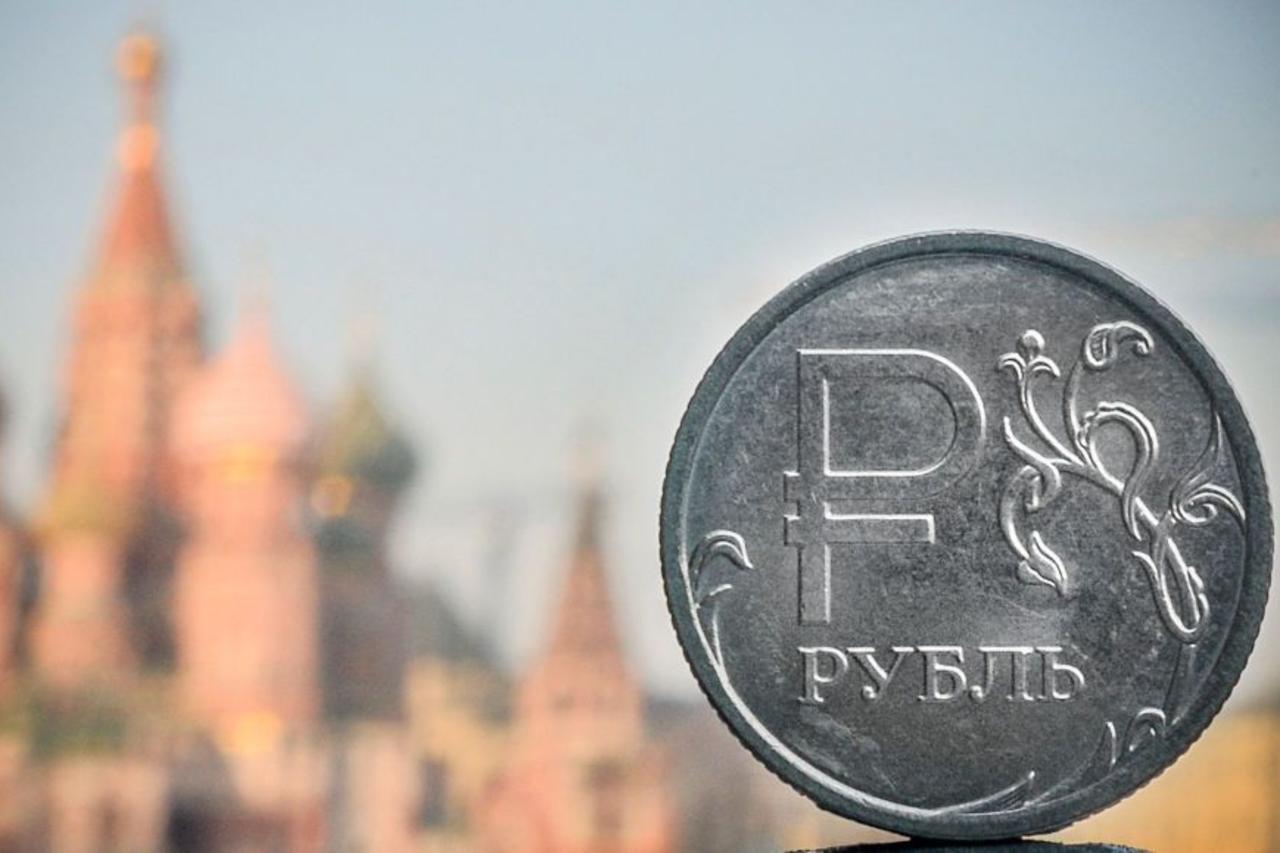
A central sticking point remains whether to use frozen Russian central bank assets to support Kyiv. Belgium, which hosts the vast majority of the Russian assets immobilized in the bloc, has so far opposed a proposal to tap the funds to provide a €90 billion ($106 billion) “reparations loan” to Ukraine.
The plan is backed by several EU countries, which argue it is the most effective way to help Ukraine cover looming budget shortfalls. Other nations, including Italy, have said they share Belgium’s concerns.
Belgium fears it could face serious legal and financial retaliation from Russia and insists it wants firm guarantees that other EU countries would share any risks arising from the move.
The European Commission has outlined what it calls a “three-tier defense” to shield Belgium and international deposit institution Euroclear, which holds the assets, but the proposal has yet to break the deadlock.
Russia’s central bank escalated tensions last week by announcing it is suing Euroclear.

The debate over frozen assets comes as the United States pushes ahead with diplomatic efforts to end the war in Ukraine. European officials worry Washington could seek to release the frozen funds as part of any deal to halt the fighting.
At the same time, Ukrainian President Volodymyr Zelenskyy was due to continue talks in Berlin on Monday with envoys from U.S. President Donald Trump’s administration.
Zelenskyy’s delegation met for more than five hours on Sunday with Trump’s special envoy Steve Witkoff and the US president’s son-in-law Jared Kushner. Witkoff said afterward on X that “a lot of progress was made” and that talks would resume Monday morning.
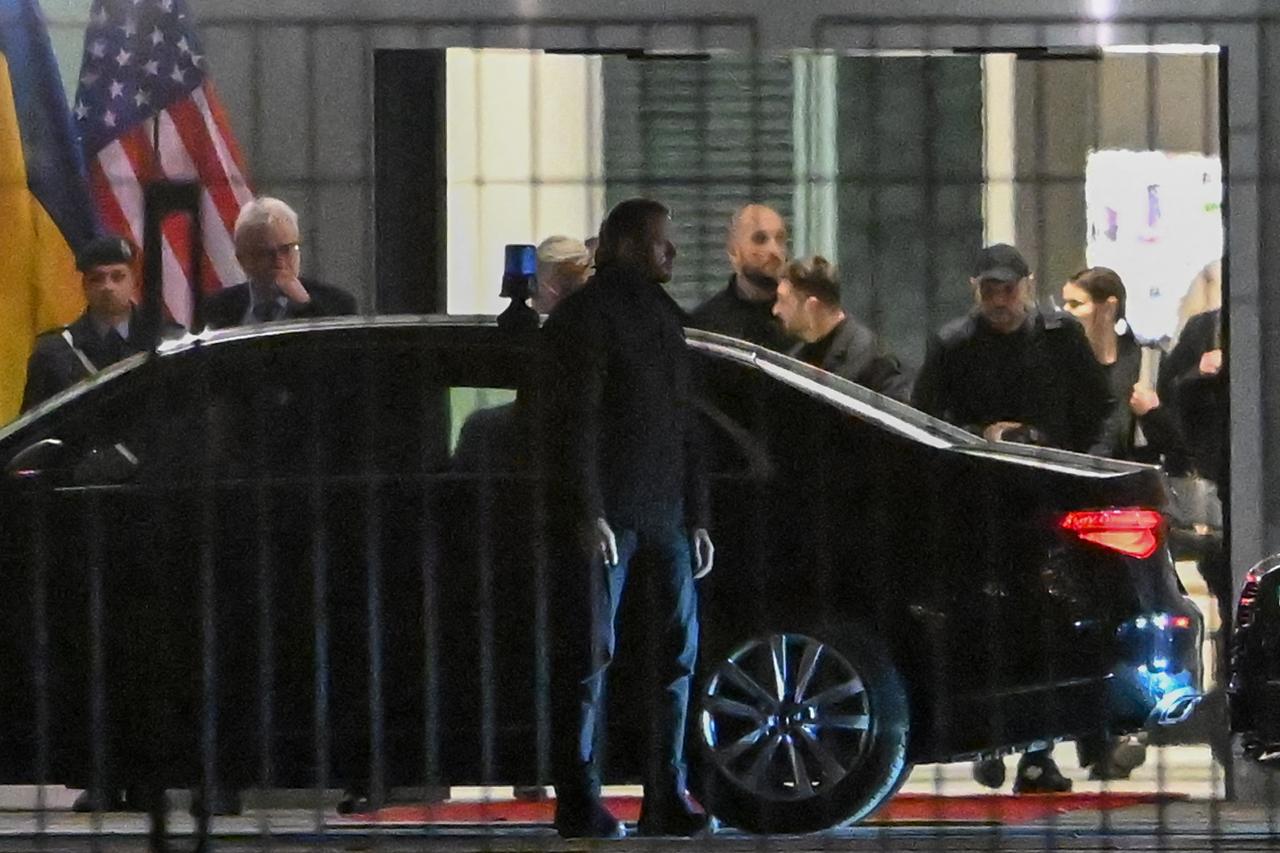
The meetings were held under tight security at the German chancellery, where Chancellor Friedrich Merz was set to host a dinner Monday evening with Zelenskyy, several European leaders, and the heads of NATO and the EU.
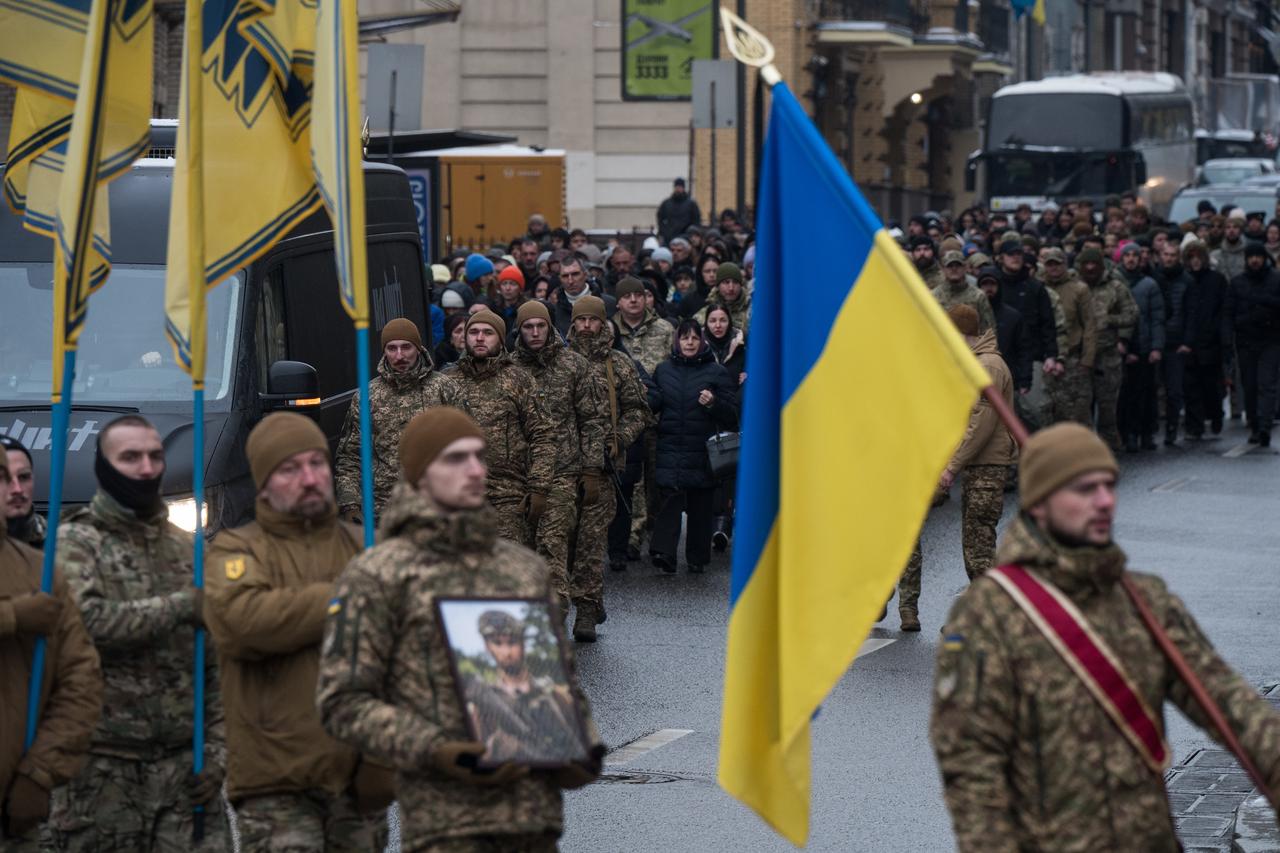
Trump has pressed for an end to the nearly four-year-old war, but Kyiv and its European allies are seeking to avoid any settlement they believe would favor Russia.
Key unresolved issues include possible territorial concessions by Ukraine, future security guarantees for Kyiv, and whether Moscow would accept any proposal agreed by Europeans and Americans.
“We want a lasting peace in Ukraine,” Merz wrote on X. “Difficult questions lie ahead of us, but we are determined to move forward.”
As Zelenskyy traveled to Germany, he said he hoped Washington would support freezing the front line where it currently stands, rather than Ukraine ceding the entire Donbas region, as demanded by Moscow.
“The fairest possible option is to stay where we are,” Zelenskyy told reporters. “This is true because it is a ceasefire. I know that Russia does not view this positively, and I would like the Americans to support us on this issue.”
Trump has stepped up pressure on Ukraine to reach an agreement since unveiling a peace proposal last month that Kyiv and its allies criticized as echoing Russian demands. Ukrainian officials later said they submitted a revised version to Washington.
Witkoff said “in-depth discussions” were held Sunday on that plan, as well as on economic issues.
“The most important thing is that the plan should be as fair as possible, first and foremost for Ukraine, because Russia started the war,” Zelenskyy said Sunday.
In Moscow, Kremlin aide Yuri Ushakov cast doubt on the latest diplomatic efforts.
“I think the contribution of both Ukrainians and Europeans to these documents is unlikely to be constructive, that’s the problem,” Ushakov said in a video message.
He said Russia had not yet seen the latest proposals but warned that “if there are any relevant amendments, we will have very strong objections,” adding that Moscow’s position “was quite clear to the Americans.”
The renewed diplomatic push comes as fighting continues, with Kyiv reporting fresh attacks, including a drone strike on a hospital over the weekend.


 Set as preferred source
 Set as preferred source


 2 min read

 1 min read