Newsletters


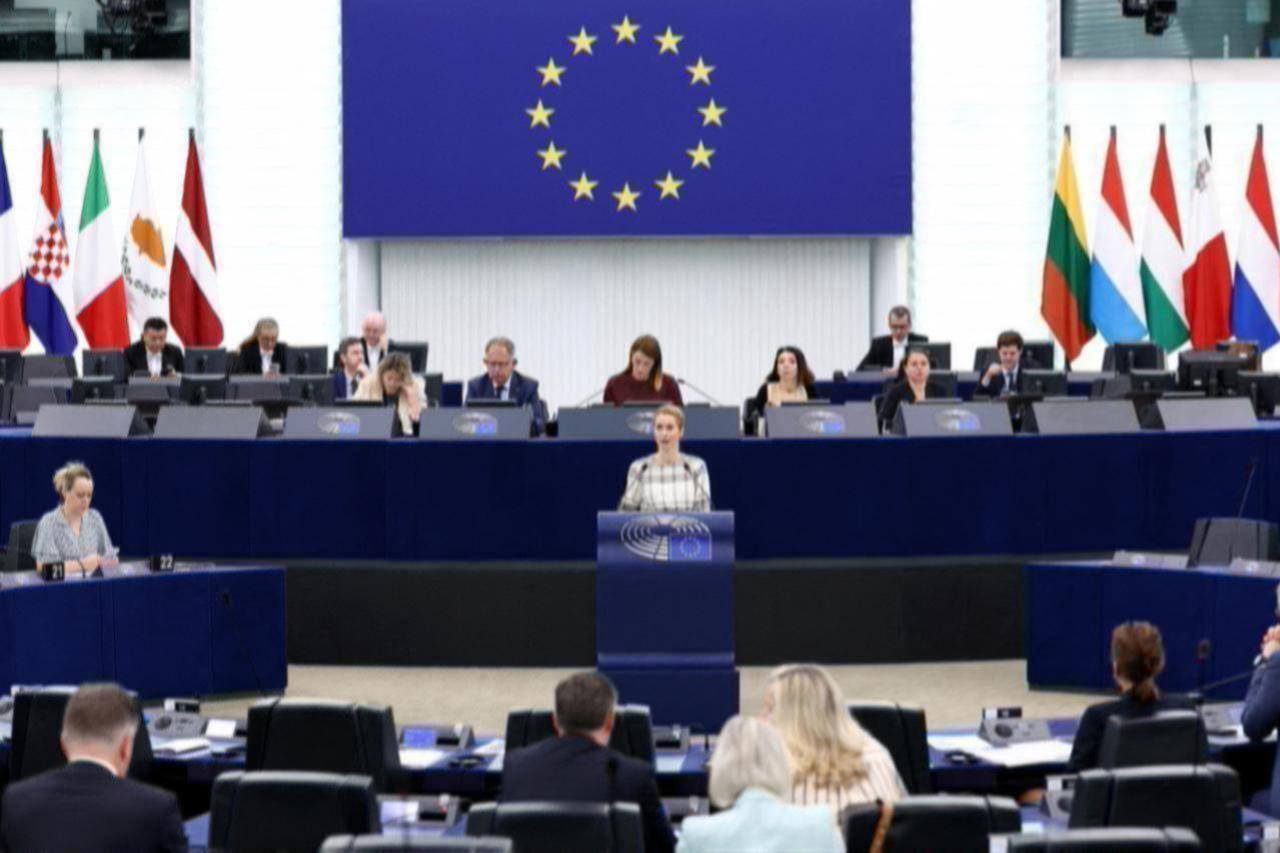


European Parliament legislators voted Wednesday to approve two controversial migration measures backed by a coalition spanning center-right and far-right political factions, marking a significant shift in the bloc's approach to asylum processing.
The legislation enables European Union authorities to transfer asylum seekers to third-party nations designated as "safe" by Brussels, regardless of whether those countries represent the applicants' places of origin. The provision drew immediate criticism from human rights organizations and progressive lawmakers who warned of potential dangers facing migrants relocated to nations where they lack ties or legal protections.
Left-wing legislator Damien Careme characterized the vote as a "Christmas gift to Giorgia Meloni," referencing the Italian prime minister's controversial initiative to establish migrant processing facilities in Albania—a program currently facing legal challenges in Italian courts.


The second approved text establishes an EU-wide roster of nations whose citizens will encounter heightened barriers when seeking asylum protection within the bloc. Seven countries made the initial list: Kosovo, Bangladesh, Colombia, Egypt, India, Morocco and Tunisia.
European officials argue the designation system will accelerate claim evaluations and deportation procedures by presuming applications from these countries lack merit. Far-right parliamentarian Fabrice Leggeri defended the measures as essential to "reduce the unbearable pressure of unfounded asylum requests on our member states."

Centrist lawmaker Fabienne Keller challenged the reforms' stated objectives, arguing the changes undermine rather than strengthen asylum protections. "Let's be clear: this text does not aim to improve our asylum system. We will send people to countries with which they have no connection, without examining their claims," Keller stated during parliamentary debate.
The European Commission has maintained that recipient countries accepting transferred migrants must adhere to fundamental human rights standards, though critics question enforcement mechanisms.
The Patriots of Europe faction—which includes France's National Rally party—joined forces with center-right members to secure passage. EU member states granted approval to the framework last week, and final ratification could occur as soon as Wednesday evening pending negotiations between parliamentary representatives and national governments, according to diplomatic sources.
The legislative push comes even as irregular border crossings into Europe have decreased approximately 20 percent during 2025 compared to the previous year, suggesting the political imperative to demonstrate action on migration transcends current arrival statistics.
Nearly one million individuals submitted asylum applications across the EU last year, with roughly 440,000 receiving protected status. The new measures would fundamentally alter how the bloc processes future claims from applicants originating in designated countries or subject to third-country transfers.
The EU's Common European Asylum System, established to standardize protection standards across member states, has faced mounting pressure as nationalist and anti-immigration parties gain electoral strength throughout the continent. These latest reforms represent the most substantial modification to asylum procedures since the 2015-2016 migration crisis prompted emergency border controls and quota disputes among member nations.


 Set as preferred source
 Set as preferred source


 1 min read



 1 min read