Newsletters


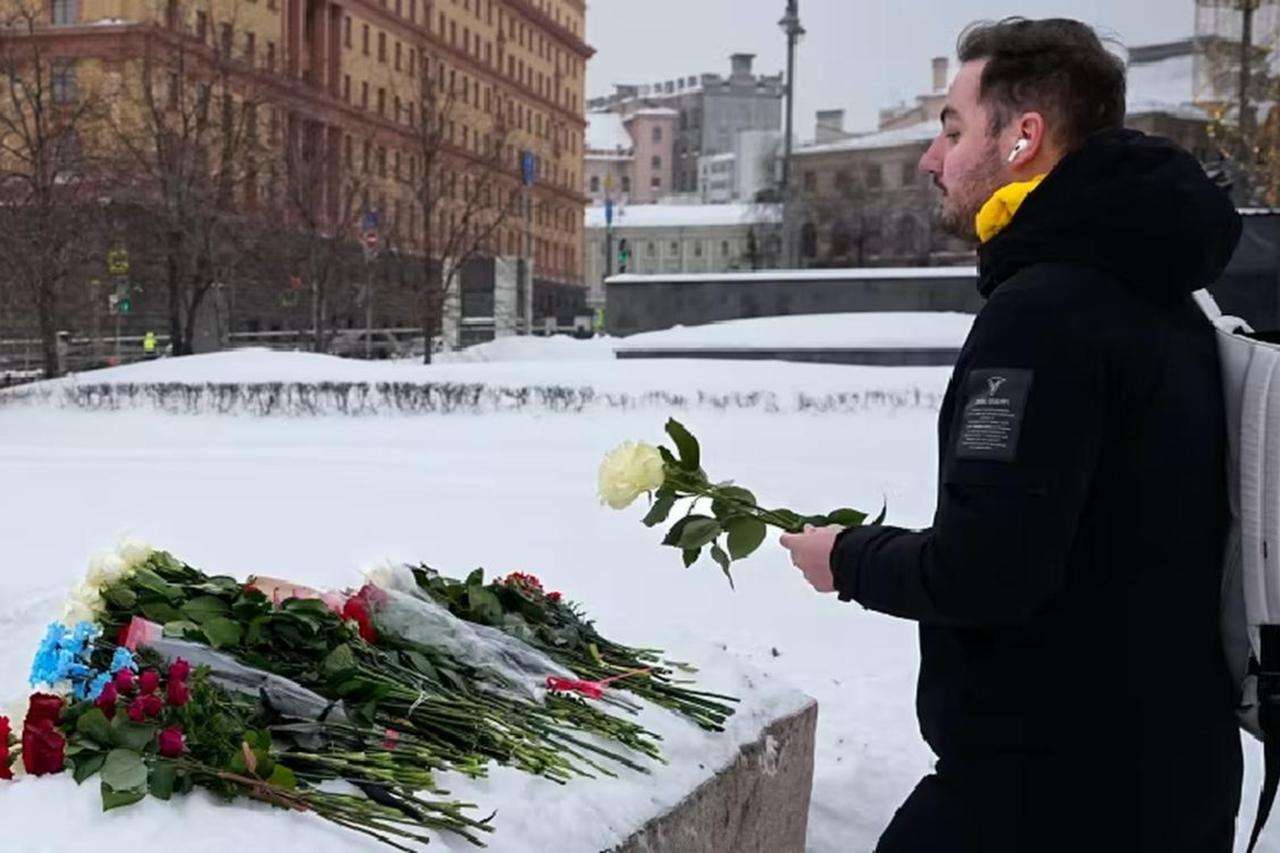


Five European nations have concluded that Russian opposition leader Alexei Navalny was killed in prison using epibatidine, a highly lethal toxin derived from South American poison dart frogs, marking the most direct collective accusation against Moscow over his death.
The foreign ministers of the United Kingdom, Sweden, France, Germany and the Netherlands issued a joint statement announcing that laboratory analysis of biological samples taken from Navalny's body confirmed the presence of the rare neurotoxin. The findings, disclosed at the Munich Security Conference on Saturday, represent the first concrete forensic evidence publicly attributed to his death at a Siberian penal colony in Feb. 2024.
"Only the Russian state had the means, motive and opportunity to deploy this lethal toxin to target Navalny during his imprisonment in a Russian penal colony in Siberia, and we hold it responsible for his death," the five governments said.

Epibatidine occurs naturally only in a single species of wild dart frog found in South America, and only when the animal consumes a specific diet. Crucially, the allies noted, dart frogs raised in captivity do not produce the substance, and it does not occur naturally anywhere in Russia.
British Foreign Secretary Yvette Cooper, who announced the findings at the Munich conference after meeting Navalny's widow Yulia Navalnaya, said there was no innocent explanation for the toxin's presence in his body. "By using this form of poison the Russian state demonstrated the despicable tools it has at its disposal and the overwhelming fear it has of political opposition," Cooper said.
Toxicology expert Jill Johnson described epibatidine as roughly 200 times more potent than morphine. The neurotoxin acts on receptors in the central nervous system and can trigger muscle paralysis, seizures, a dangerously slow heart rate and ultimately respiratory failure. Johnson called it an extraordinarily rare method of poisoning, noting that locating the correct wild frog species with the right diet to produce the necessary alkaloids is nearly impossible.
The five governments drew a direct line between Navalny's death and Russia's documented history of deploying chemical agents against its perceived enemies. In August 2020, Navalny survived an assassination attempt using the military-grade nerve agent Novichok. He was treated in Germany before returning to Russia, where he was immediately arrested at the airport.
The allies also recalled Russia's use of Novichok in the 2018 Salisbury attack in England, which resulted in the death of British citizen Dawn Sturgess. In both earlier cases, they said, Russia was the only state possessing the means, motivation and willingness to flout international law to carry out such operations.
The joint statement called on Russia to be held accountable for repeated violations of the Chemical Weapons Convention and, in this instance, the Biological and Toxin Weapons Convention as well. The five nations said their permanent representatives to the Organisation for the Prohibition of Chemical Weapons have formally notified the body's director general of Russia's alleged breach.
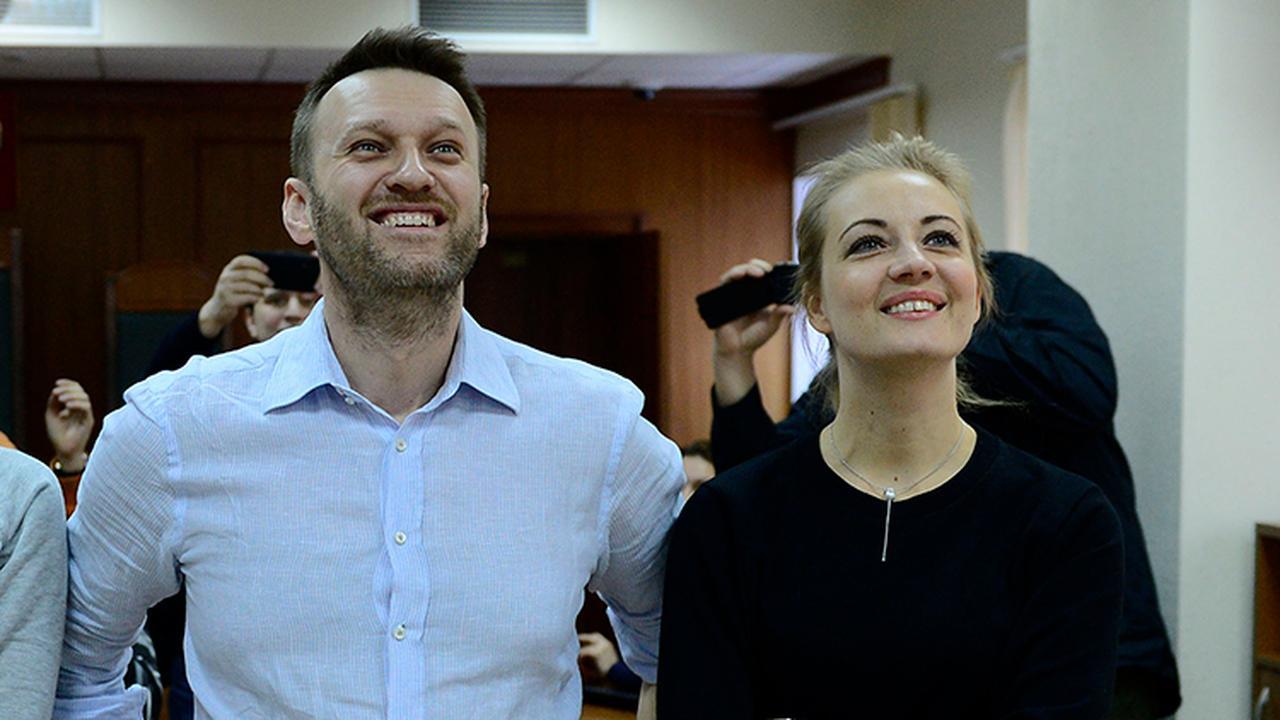
The forensic conclusions vindicate a long campaign by Navalny's widow. In September 2024, Navalnaya publicly stated that analysis of smuggled biological samples conducted by laboratories in two countries showed her husband had been murdered, though she did not at the time disclose the specific poison involved.
Reacting to Saturday's announcement, Navalnaya said she had been certain from the first day that her husband was poisoned, adding that there is now proof. She expressed gratitude to the European states for what she called two years of meticulous work to uncover the truth.
British Prime Minister Keir Starmer praised Navalny's courage and said his determination to expose the truth had left an enduring legacy. French Foreign Minister Jean-Noel Barrot said France pays tribute to a man he described as having been killed for his fight in favour of a free and democratic Russia.
The Kremlin has not commented on the latest allegations. Russian President Vladimir Putin, who conspicuously avoided referring to Navalny by name while the opposition figure was alive, acknowledged his death only obliquely a month afterward, remarking that a person's passing was always a sad event. Moscow had previously maintained that Navalny died of natural causes.
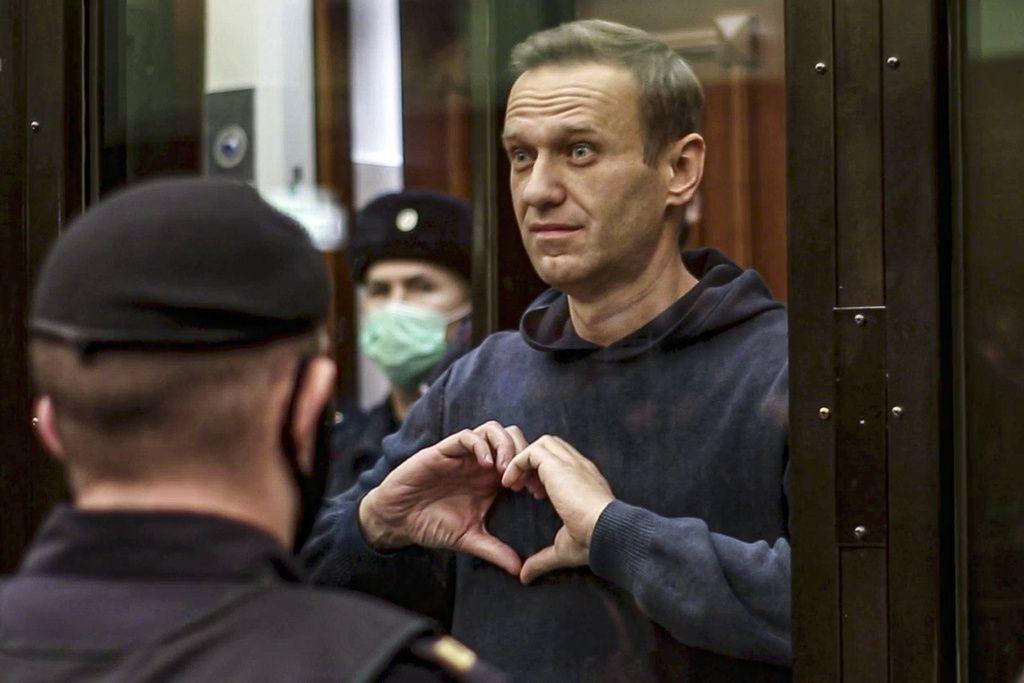
According to Russian accounts, the 47-year-old went for a short walk at his Arctic penal colony on 16 February 2024, said he felt unwell, collapsed, and never regained consciousness. He had been imprisoned for three years on charges widely regarded as politically motivated and had recently been transferred to the remote facility.
The allied statement warned that the discovery further underscores concerns that Russia has not destroyed its full chemical weapons stockpile, and pledged to use all available policy tools to hold Moscow accountable.
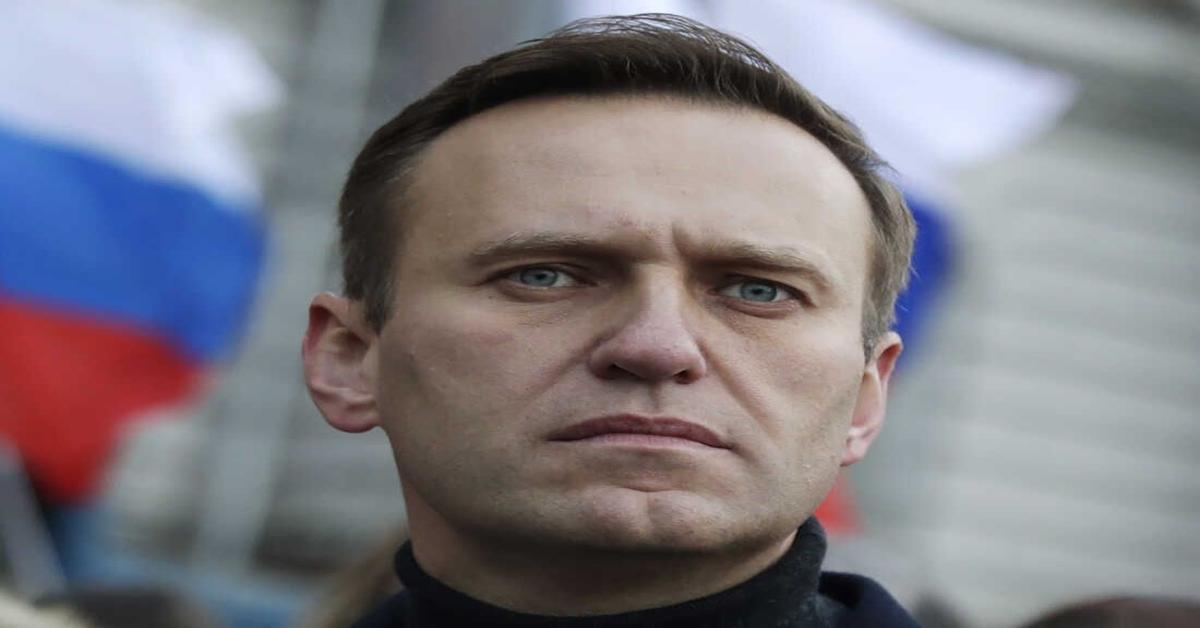
Navalny, an anti-corruption campaigner who became Russia's most prominent opposition voice, had been placed on a domestic terrorism and extremism watchlist and convicted of organizing an extremist community before his death.


 Set as preferred source
 Set as preferred source


 1 min read
 1 min read