Newsletters


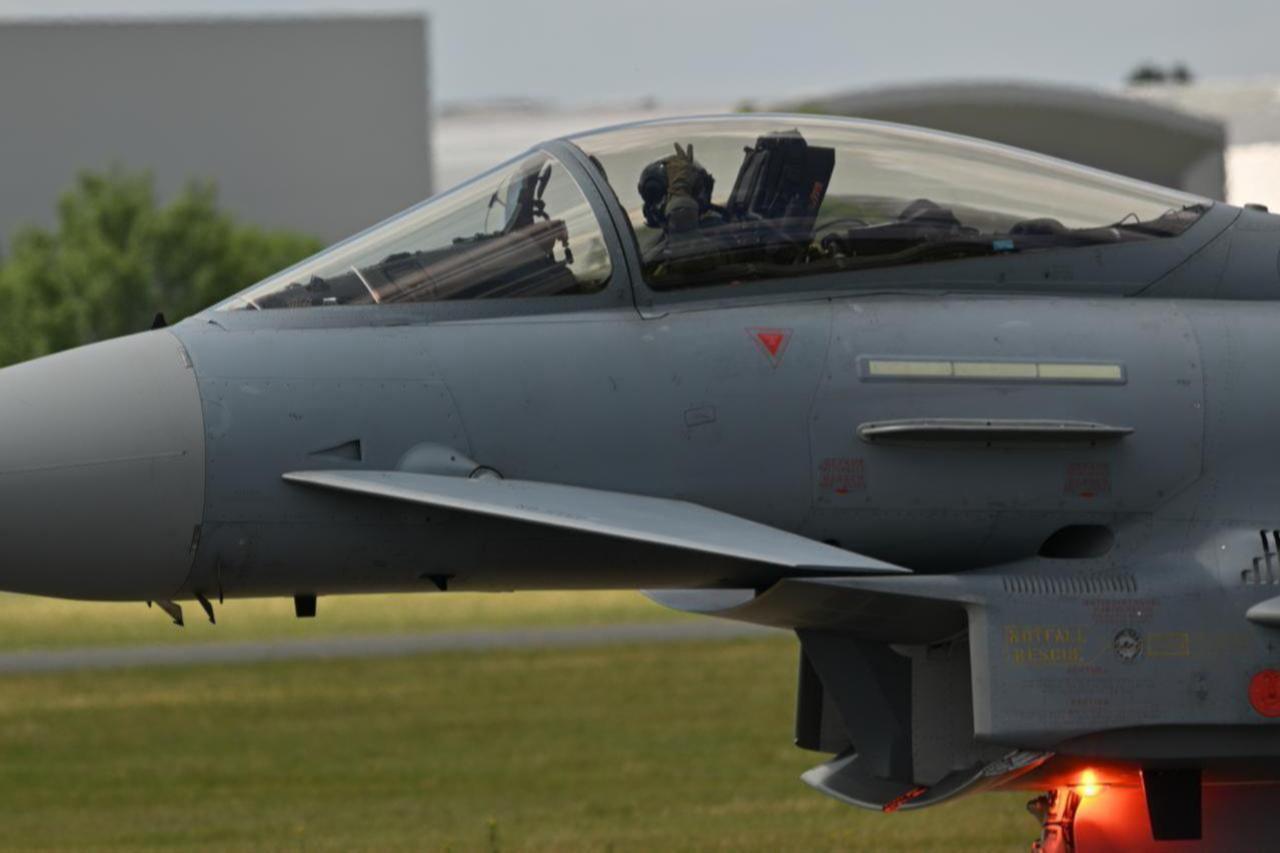


A senior German parliamentarian called Tuesday for dividing a stalled European fighter aircraft initiative, proposing that France develop its own warplane while Germany and Spain pursue a separate platform with new partners.
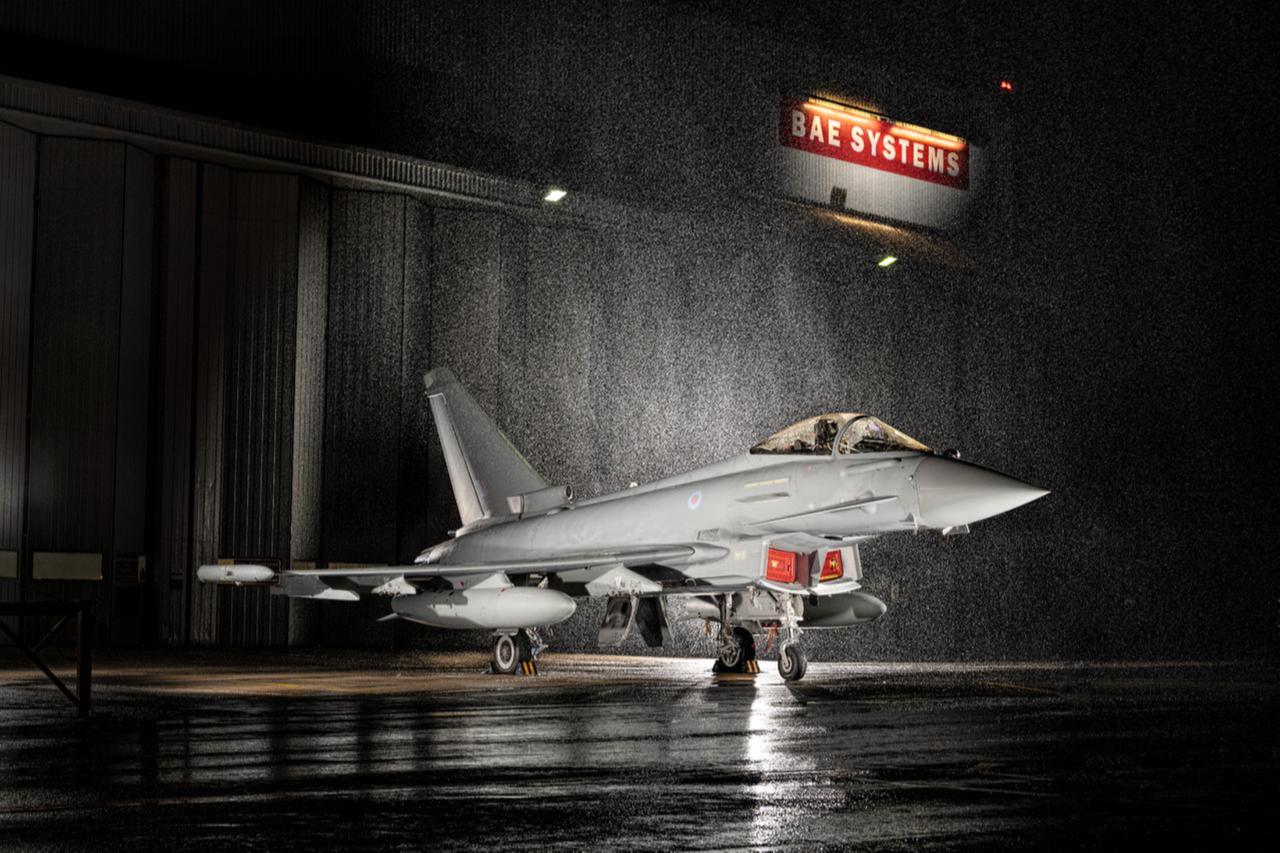
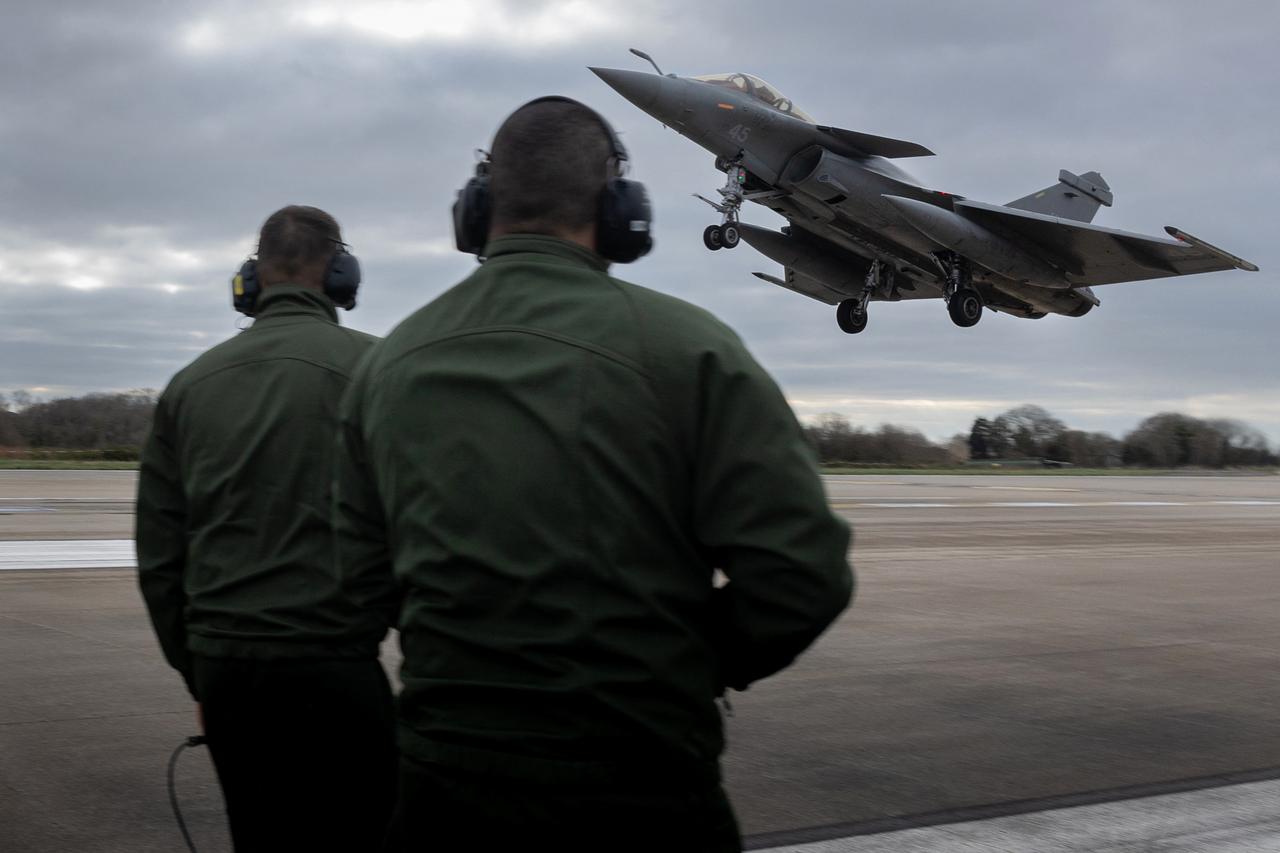
The recommendation from Volker Mayer-Lay, air force spokesman for Chancellor Friedrich Merz's conservative party, signals deepening fractures in the Future Combat Air System programme, a trilateral effort to replace aging Rafale and Eurofighter jets. The project has foundered on disputes between primary contractors Dassault Aviation and Airbus over control and workshare arrangements.
Leaders from the three participating nations are scheduled to discuss the programme's future Wednesday during a Brussels summit, with Merz having pledged a final decision by year's end.
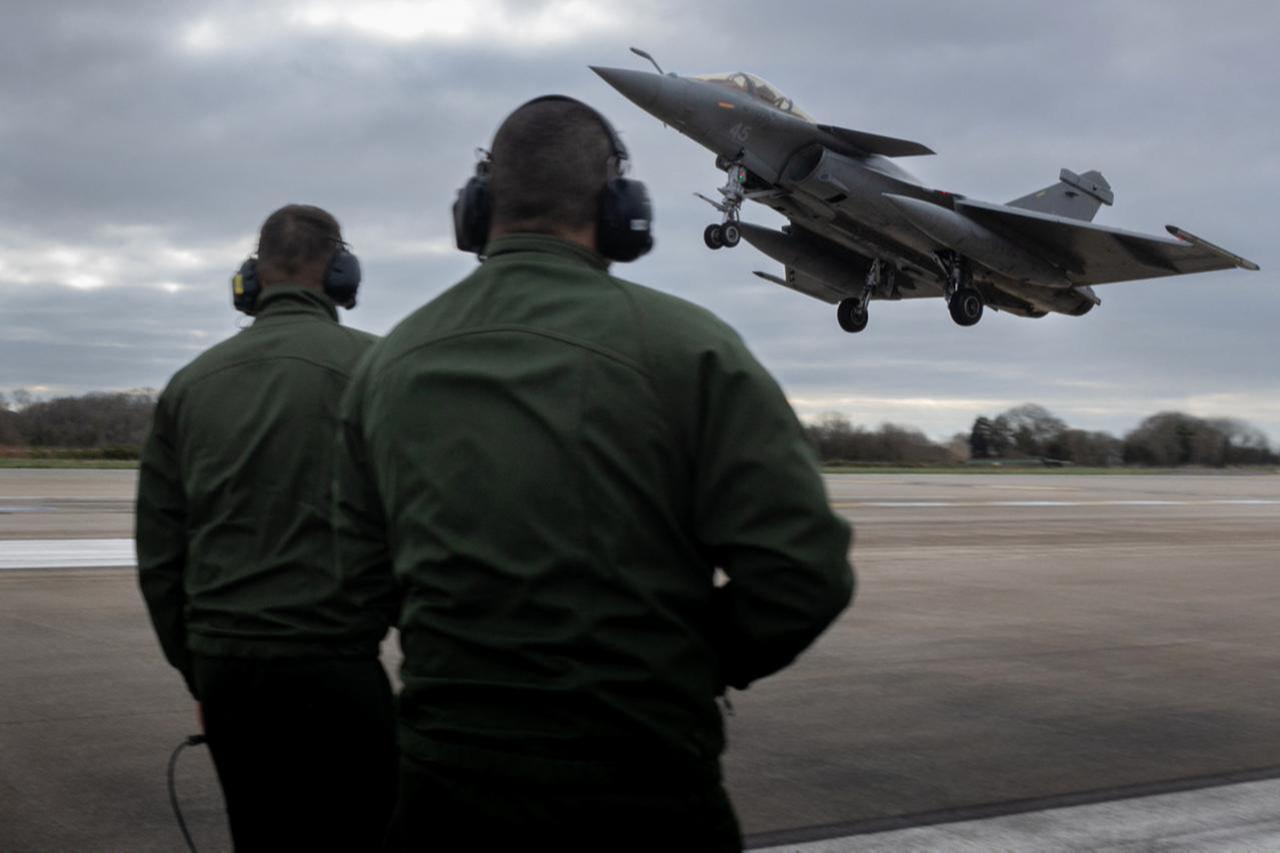

Mayer-Lay argued the participating nations have fundamentally incompatible operational needs that complicate joint development. France requires an aircraft configured for nuclear weapons delivery and carrier operations as part of its independent deterrent capability, while Germany and Spain operate no aircraft carriers and have no nuclear mission requirements for their future fighters.
"France and Germany don't necessarily need the same aircraft," Mayer-Lay said, suggesting collaborative elements like an integrated computer data cloud could still be shared between separate platforms.
The proposal to divide the programme "would allow us to better meet national military needs and overcome obstacles to industrial cooperation," he added.
The FCAS initiative, launched to produce sixth-generation fighters incorporating advanced networking and autonomous systems, has been paralyzed by disputes between lead contractors. Dassault Aviation CEO Eric Trappier has repeatedly demanded greater authority over the programme, asserting his company could independently develop the next-generation fighter based on its experience producing the Rafale.
Those demands have alienated German and Spanish officials and strained relations with Airbus Defence and Space, which represents German interests in the consortium. Last week, IG Metall, the industrial union representing Airbus workers, declared the French aerospace firm had "completely disqualified itself as a reliable partner."
Splitting the development effort would substantially increase expenses beyond the programme's current 100 billion euro estimate for three nations. The cost escalation poses particular challenges for France, where the government faces intense pressure to reduce budget deficits.
Mayer-Lay urged German officials to consider alternative partnerships, including collaboration with Swedish aerospace manufacturer Saab or potential participation in the Global Combat Air Programme, a separate initiative by Britain, Italy and Japan targeting a 2035 operational date for their own advanced fighter.


 Set as preferred source
 Set as preferred source


 1 min read
 1 min read